

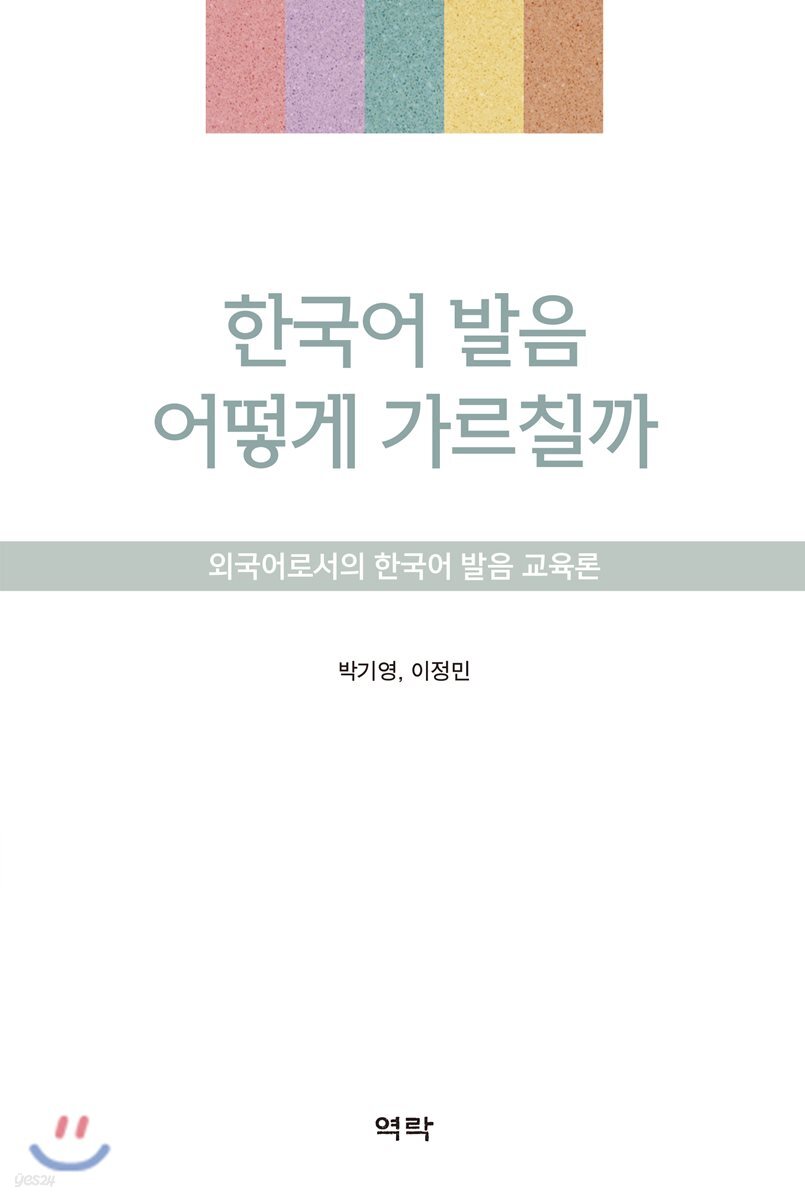
How to teach Korean pronunciation
 |
Description
Book Introduction
Korean pronunciation education theory is an applied academic field that develops through the complementary theoretical research on how to teach Korean pronunciation to learners learning Korean as a second or foreign language and the practical teaching of pronunciation in educational settings.
Therefore, it is difficult to lead pronunciation classes in the Korean language education field without a theoretical foundation in Korean phonetics, phonology, or second language pronunciation acquisition, and without a foundation in pronunciation education experience in the Korean language education field, it is not easy to systematize a Korean pronunciation education theory that goes beyond English-centered pronunciation acquisition theory or pronunciation teaching method.
With these characteristics of Korean pronunciation education theory in mind, I attempted to structure and write each chapter of this book while considering the balance between theory and practice.
Therefore, it is difficult to lead pronunciation classes in the Korean language education field without a theoretical foundation in Korean phonetics, phonology, or second language pronunciation acquisition, and without a foundation in pronunciation education experience in the Korean language education field, it is not easy to systematize a Korean pronunciation education theory that goes beyond English-centered pronunciation acquisition theory or pronunciation teaching method.
With these characteristics of Korean pronunciation education theory in mind, I attempted to structure and write each chapter of this book while considering the balance between theory and practice.
index
Chapter 1: Goals of Korean Pronunciation Education
1.
The need for pronunciation education
2.
The status of pronunciation education
3.
Pronunciation and intelligibility similar to that of a native speaker
4.
Contents of pronunciation education
Chapter 2: Structure of Korean Pronunciation Classes
1.
The Beginning of Pronunciation Education - Pronunciation Diagnosis
2.
Steps in Pronunciation Lessons
Chapter 3: Characteristics of Korean pronunciation and the practice of education
1.
Characteristics of Korean vowels
2.
Application of Korean phonological knowledge to Korean vowel education
3.
The Reality of Korean Vowel Teaching
Chapter 4: Characteristics of Korean Consonants and Practice in Education
1.
Characteristics of Korean consonants
2.
Application of Korean phonological knowledge to Korean consonant education
3.
The reality of Korean consonant education
Chapter 5: Characteristics of Korean Syllables and Practice in Education
1.
Characteristics of Korean syllables
2.
The Reality of Korean Syllable Education
Chapter 6: Characteristics of Korean Phonetic Change and Educational Practices (1)
1.
Characteristics of Korean phonetic changes
2.
The Status of Phonological Change in Korean Language Education
Chapter 7: Characteristics of Korean Phonological Change and Educational Practices (2)
1.
nasalization
2.
Voiced
3.
alveolar nasalization
4.
Hahaha
5.
lenition
6.
Consonant cluster simplification
7.
liaison
8.
The reality of Korean phonological change education
Chapter 8: Characteristics of Korean language education and its practical application
1.
Characteristics of Korean accent
2.
The meaning and function of intonation as a content of pronunciation education
3.
The Reality of Korean Accent Teaching
References
Search
1.
The need for pronunciation education
2.
The status of pronunciation education
3.
Pronunciation and intelligibility similar to that of a native speaker
4.
Contents of pronunciation education
Chapter 2: Structure of Korean Pronunciation Classes
1.
The Beginning of Pronunciation Education - Pronunciation Diagnosis
2.
Steps in Pronunciation Lessons
Chapter 3: Characteristics of Korean pronunciation and the practice of education
1.
Characteristics of Korean vowels
2.
Application of Korean phonological knowledge to Korean vowel education
3.
The Reality of Korean Vowel Teaching
Chapter 4: Characteristics of Korean Consonants and Practice in Education
1.
Characteristics of Korean consonants
2.
Application of Korean phonological knowledge to Korean consonant education
3.
The reality of Korean consonant education
Chapter 5: Characteristics of Korean Syllables and Practice in Education
1.
Characteristics of Korean syllables
2.
The Reality of Korean Syllable Education
Chapter 6: Characteristics of Korean Phonetic Change and Educational Practices (1)
1.
Characteristics of Korean phonetic changes
2.
The Status of Phonological Change in Korean Language Education
Chapter 7: Characteristics of Korean Phonological Change and Educational Practices (2)
1.
nasalization
2.
Voiced
3.
alveolar nasalization
4.
Hahaha
5.
lenition
6.
Consonant cluster simplification
7.
liaison
8.
The reality of Korean phonological change education
Chapter 8: Characteristics of Korean language education and its practical application
1.
Characteristics of Korean accent
2.
The meaning and function of intonation as a content of pronunciation education
3.
The Reality of Korean Accent Teaching
References
Search
GOODS SPECIFICS
- Date of issue: January 30, 2018
- Page count, weight, size: 208 pages | 153*224*20mm
- ISBN13: 9791162441435
- ISBN10: 1162441437
You may also like
카테고리
korean


korean

![ELLE 엘르 스페셜 에디션 A형 : 12월 [2025]](http://librairie.coreenne.fr/cdn/shop/files/b8e27a3de6c9538896439686c6b0e8fb.jpg?v=1766436872&width=3840)


