

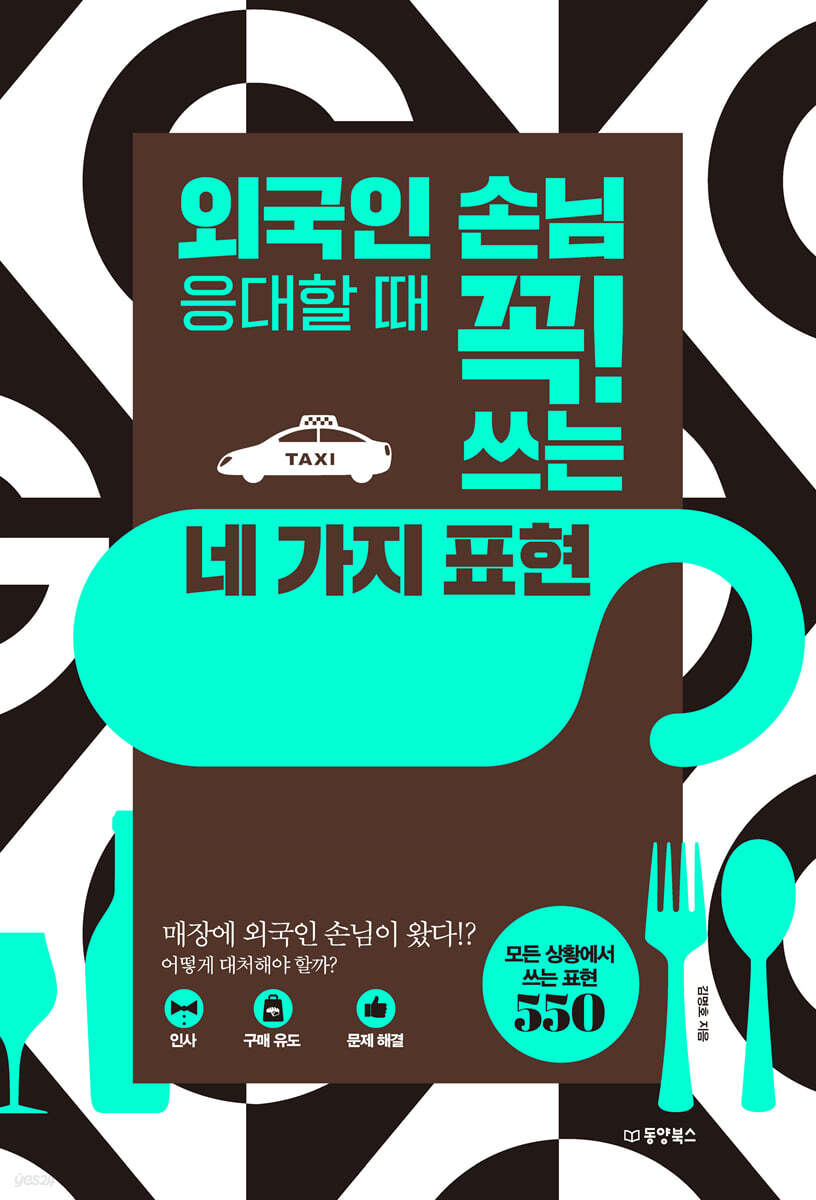
Four must-have expressions for dealing with foreign guests!
 |
Description
Book Introduction
Don't make eye contact with a foreigner and pretend not to know them! Welcoming foreign guests has become a daily routine in various industries, including stores, cafes, accommodations, and beauty salons. When foreign customers enter a store, it may feel difficult to respond in English, but smooth communication is possible by learning only the expressions actually used in the field. In fact, most situations involve answering questions and making recommendations and suggestions, and the English expressions required are more limited than you might think. This book systematically organizes practical expressions suitable for various industries and situations. This helps us deliver accurate information to foreign guests and provide satisfactory service. Frequently asked questions and requests follow a certain pattern, so you can communicate naturally by simply learning the corresponding field expressions. Now you don't have to feel uncomfortable when dealing with foreign customers. In an era of rapidly increasing foreign visitors, this book will serve as your reliable partner. Let's build confidence in English communication and customer service with this book. |
- You can preview some of the book's contents.
Preview
index
time
Prologue 4
How to Use This Book 6
8 Features of this Book
PART 1 Four expressions to use when serving customers at stores and convenience stores
01 When a guest appears to need help 18
02 When a customer asks about the stock of an item 20
03 When a customer asks for the location of an item 1 22
04 When a customer asks for the location of an item 2 24
05 When a customer asks for the location of an item 3 26
06 When recommending that guests use carts/baskets 28
07 When a customer asks for the price 30
08 When recommending items to customers 1 32
09 When recommending items to customers 2 34
10 When asking guests for their budget 36
11 When explaining the calculation method to the guest 38
12 When a guest asks for a receipt 40
13 When a customer requests packaging 42
14 When informing customers of expected arrival and delivery 44
15 When a customer asks to exchange an item 46
16 When a guest requests a refund 48
PART 2 Four expressions to use when greeting customers in clothing and accessory stores
01 When asking customers what kind of clothes they are looking for 52
02 English Names of Clothing Types - Tops 54
03 English Names for Clothing Types - Bottoms and Accessories 56
04 When recommending to a guest to wear 58
05 When asking a customer about size 60
06 When explaining fabrics or materials to customers 64
07 When guiding guests to use the changing room 66
08 When recommending clothes that fit a customer's body type 68
09 When you tell a guest that he or she is a good match 70
10 When recommending accessories that suit guests 72
11 When introducing a new product or collection 74
12 When offering alternatives to out-of-stock items 76
13 When explaining men's/women's clothing to guests 78
14 When guiding guests about length adjustments 80
15 When explaining exchanges and returns to customers 82
PART 3 Four Expressions to Use When Greeting Customers in a Cosmetics Store
01 When recommending tester use to guests 86
02 English Names of Cosmetics by Type - Skincare Products 88
03 English Names of Cosmetics by Type - Makeup Products 90
04 Explaining Cosmetic Functions - Moisturizing and Hydrating Products 92
05 Explaining Cosmetic Functions - Anti-Aging Products 94
06 Cosmetic Function Description - Skin Tone and Texture Improvement Products 96
07 When checking the customer's skin type 98
08 When recommending a product to a customer 100
09 When informing guests about promotions and discounts 102
10 When providing guidance to customers regarding online purchases 104
PART 4 Four expressions to use when serving guests at a restaurant
01 When welcoming guests 108
02 When asking the number of guests 110
03 When guiding guests to their seats 112
04 When notifying that all seats are full, dial 114
05 When providing a menu to a guest 116
06 When taking a customer's order 118
07 When recommending a menu to a guest 120
08 When explaining how to eat to guests 122
09 When asking a guest for additional orders 124
10 When asking guests how well their food is done 126
11 When guiding guests on how to pay 128
12 When asking a guest if he or she wants to pay separately 130
13 When asking guests for information needed for reservations 132
14 When asking someone to lower their voice a little 134
15 When a guest urges you to prepare food 136
16 When informing guests of restaurant operating hours 138
17 When asking guests whether they want their food packaged 140
18 When asking if you can clear the table after a meal 142
19 When asked questions while using the kiosk 144
20 When handling special requests (allergies, special diets) 146
PART 5 Four expressions to use when greeting customers at a cafe
01 When welcoming guests 150
02 When explaining the menu to guests 152
03 When asking a customer for their drink size 154
04 When asking whether a drink is cold or warm 156
05 When guiding guests to choose toppings 158
06 When asking whether to use it in-store or for take-out, 160
07 When asking if it is a mug or disposable 162
08 When recommending drinks to guests 164
09 When guiding guests to the beverage pickup location 166
10 When providing guidance to guests regarding the use of the vibration bell 168
11 When informing guests that their drinks are ready, 170
12 When providing refill information to guests 172
13 When guiding guests on how to use Wi-Fi 174
14 When guiding guests to the location of the outlets 176
15 When guiding guests to the location of the restroom 178
PART 6 Four expressions used when greeting guests at lodging establishments
01 When a guest checks in 182
02 When the guest's name is difficult 184
03 When taking a reservation by phone from a guest, call 186
04 When introducing the room to the guest 188
05 When informing guests of the fee 190
06 When guiding guests to upgrade 192
07 When guiding late check-out or early check-in 194
08 When asking about a guest's schedule 196
09 When guiding guests to room service 198
10 Information on amenities (swimming pool, gym, etc.) 200
11 When guiding guests to the barbecue 202
12 When guiding guests to tourist attractions 204
13 When recommending a nearby restaurant to a guest 206
14 When providing guidance to guests on using public transportation 208
15 When providing information on transportation to the airport, 210
16 When guiding guests about rental cars 212
17 When a guest requests luggage storage 214
18 When instructing for extra beds, bedding, or room cleaning 216
19 When receiving or processing inquiries about lost items 218
20 When the guest checks out 220
PART 7 Four expressions to use when greeting passengers in a taxi (transportation)
01 When greeting guests 224
02 When asking a guest for their destination 226
03 When ready to depart 228
04 When explaining traffic conditions to guests 230
05 When guiding guests to a detour route 232
06 When you take the wrong road 234
07 When recommending a different route to a guest 236
08 When you arrive near your destination 238
09 When you arrive at your destination 240
10 When a guest asks to wait a moment 242
11 When charging guests 244
12 When helping guests unload their luggage 246
13 When explaining about taxi reservation 248
14 When recommending places to visit to guests 250
15 When guiding guests to connecting transportation 252
PART 8 Four expressions to use when greeting customers at a beauty salon
01 When greeting guests 256
02 When confirming a guest's reservation 258
03 When asking the customer what style he or she wants 260
04 When recommending a specific style to a customer 262
05 When checking the customer's desired hair length 264
06 When asking the customer what side and back hair style they want 266
07 When asking a customer what style of bangs they want 268
08 When cutting a customer's hair 270
09 When the customer dyes his hair 272
10 When a guest gets a perm 274
11 When recommending additional services to guests 276
12 When guiding guests to shampoo 278
13 When shampooing 280
14 When dry 282
15 When recommending styling products to guests 284
16 When asking guests about their satisfaction with their hairstyles 286
17 When guiding guests to pay 288
PART 9 Four expressions to use when communicating and serving guests
01 When you understand what the customer says 292
02 When you don't understand what the customer is saying 294
03 When asking a guest to speak slowly 296
04 When checking if the guest understands 298
05 When you agree with the guest's opinion 300
06 When responding to a guest's words 302
07 When you disagree with a guest's opinion 304
08 When apologizing to guests 306
09 When making a promise to a guest 308
10 When Encouraging Return Visits from Guests 310
Prologue 4
How to Use This Book 6
8 Features of this Book
PART 1 Four expressions to use when serving customers at stores and convenience stores
01 When a guest appears to need help 18
02 When a customer asks about the stock of an item 20
03 When a customer asks for the location of an item 1 22
04 When a customer asks for the location of an item 2 24
05 When a customer asks for the location of an item 3 26
06 When recommending that guests use carts/baskets 28
07 When a customer asks for the price 30
08 When recommending items to customers 1 32
09 When recommending items to customers 2 34
10 When asking guests for their budget 36
11 When explaining the calculation method to the guest 38
12 When a guest asks for a receipt 40
13 When a customer requests packaging 42
14 When informing customers of expected arrival and delivery 44
15 When a customer asks to exchange an item 46
16 When a guest requests a refund 48
PART 2 Four expressions to use when greeting customers in clothing and accessory stores
01 When asking customers what kind of clothes they are looking for 52
02 English Names of Clothing Types - Tops 54
03 English Names for Clothing Types - Bottoms and Accessories 56
04 When recommending to a guest to wear 58
05 When asking a customer about size 60
06 When explaining fabrics or materials to customers 64
07 When guiding guests to use the changing room 66
08 When recommending clothes that fit a customer's body type 68
09 When you tell a guest that he or she is a good match 70
10 When recommending accessories that suit guests 72
11 When introducing a new product or collection 74
12 When offering alternatives to out-of-stock items 76
13 When explaining men's/women's clothing to guests 78
14 When guiding guests about length adjustments 80
15 When explaining exchanges and returns to customers 82
PART 3 Four Expressions to Use When Greeting Customers in a Cosmetics Store
01 When recommending tester use to guests 86
02 English Names of Cosmetics by Type - Skincare Products 88
03 English Names of Cosmetics by Type - Makeup Products 90
04 Explaining Cosmetic Functions - Moisturizing and Hydrating Products 92
05 Explaining Cosmetic Functions - Anti-Aging Products 94
06 Cosmetic Function Description - Skin Tone and Texture Improvement Products 96
07 When checking the customer's skin type 98
08 When recommending a product to a customer 100
09 When informing guests about promotions and discounts 102
10 When providing guidance to customers regarding online purchases 104
PART 4 Four expressions to use when serving guests at a restaurant
01 When welcoming guests 108
02 When asking the number of guests 110
03 When guiding guests to their seats 112
04 When notifying that all seats are full, dial 114
05 When providing a menu to a guest 116
06 When taking a customer's order 118
07 When recommending a menu to a guest 120
08 When explaining how to eat to guests 122
09 When asking a guest for additional orders 124
10 When asking guests how well their food is done 126
11 When guiding guests on how to pay 128
12 When asking a guest if he or she wants to pay separately 130
13 When asking guests for information needed for reservations 132
14 When asking someone to lower their voice a little 134
15 When a guest urges you to prepare food 136
16 When informing guests of restaurant operating hours 138
17 When asking guests whether they want their food packaged 140
18 When asking if you can clear the table after a meal 142
19 When asked questions while using the kiosk 144
20 When handling special requests (allergies, special diets) 146
PART 5 Four expressions to use when greeting customers at a cafe
01 When welcoming guests 150
02 When explaining the menu to guests 152
03 When asking a customer for their drink size 154
04 When asking whether a drink is cold or warm 156
05 When guiding guests to choose toppings 158
06 When asking whether to use it in-store or for take-out, 160
07 When asking if it is a mug or disposable 162
08 When recommending drinks to guests 164
09 When guiding guests to the beverage pickup location 166
10 When providing guidance to guests regarding the use of the vibration bell 168
11 When informing guests that their drinks are ready, 170
12 When providing refill information to guests 172
13 When guiding guests on how to use Wi-Fi 174
14 When guiding guests to the location of the outlets 176
15 When guiding guests to the location of the restroom 178
PART 6 Four expressions used when greeting guests at lodging establishments
01 When a guest checks in 182
02 When the guest's name is difficult 184
03 When taking a reservation by phone from a guest, call 186
04 When introducing the room to the guest 188
05 When informing guests of the fee 190
06 When guiding guests to upgrade 192
07 When guiding late check-out or early check-in 194
08 When asking about a guest's schedule 196
09 When guiding guests to room service 198
10 Information on amenities (swimming pool, gym, etc.) 200
11 When guiding guests to the barbecue 202
12 When guiding guests to tourist attractions 204
13 When recommending a nearby restaurant to a guest 206
14 When providing guidance to guests on using public transportation 208
15 When providing information on transportation to the airport, 210
16 When guiding guests about rental cars 212
17 When a guest requests luggage storage 214
18 When instructing for extra beds, bedding, or room cleaning 216
19 When receiving or processing inquiries about lost items 218
20 When the guest checks out 220
PART 7 Four expressions to use when greeting passengers in a taxi (transportation)
01 When greeting guests 224
02 When asking a guest for their destination 226
03 When ready to depart 228
04 When explaining traffic conditions to guests 230
05 When guiding guests to a detour route 232
06 When you take the wrong road 234
07 When recommending a different route to a guest 236
08 When you arrive near your destination 238
09 When you arrive at your destination 240
10 When a guest asks to wait a moment 242
11 When charging guests 244
12 When helping guests unload their luggage 246
13 When explaining about taxi reservation 248
14 When recommending places to visit to guests 250
15 When guiding guests to connecting transportation 252
PART 8 Four expressions to use when greeting customers at a beauty salon
01 When greeting guests 256
02 When confirming a guest's reservation 258
03 When asking the customer what style he or she wants 260
04 When recommending a specific style to a customer 262
05 When checking the customer's desired hair length 264
06 When asking the customer what side and back hair style they want 266
07 When asking a customer what style of bangs they want 268
08 When cutting a customer's hair 270
09 When the customer dyes his hair 272
10 When a guest gets a perm 274
11 When recommending additional services to guests 276
12 When guiding guests to shampoo 278
13 When shampooing 280
14 When dry 282
15 When recommending styling products to guests 284
16 When asking guests about their satisfaction with their hairstyles 286
17 When guiding guests to pay 288
PART 9 Four expressions to use when communicating and serving guests
01 When you understand what the customer says 292
02 When you don't understand what the customer is saying 294
03 When asking a guest to speak slowly 296
04 When checking if the guest understands 298
05 When you agree with the guest's opinion 300
06 When responding to a guest's words 302
07 When you disagree with a guest's opinion 304
08 When apologizing to guests 306
09 When making a promise to a guest 308
10 When Encouraging Return Visits from Guests 310
Detailed image

Into the book
1 Can I help you?
Can I help you?
Can I Help You?
This is the most common expression used when a guest appears to need assistance.
A similar expression is "Do you need any help?"
Both expressions can be used when you need help, but "Can I help you?" is more often used when you've already determined that the other person needs help, while "Do you need any help?" is used when you want to first determine if the other person needs help.
Clerk: Can I help you?
Guest: Yes, where are the snacks?
2 Is everything okay?
Is everything alright?
[Is everything okay?]
This is an expression used when you want to express concern or interest in the guest's condition or situation.
Often used when a customer appears dissatisfied or has a problem.
Instead of this expression, you can also use okay, which is easier than alright, as in "Is everything okay?"
Clerk: Is everything alright?
CustomerI'm just looking for some sandwiches.
I'm just looking for a sandwich.
3 What are you looking for?
Are you looking for something?
Are You Looking for Something?
An expression used when a customer is having trouble finding a product.
This question is also a great way to start a conversation with your guests.
On the other hand, you might think that you could use find to say "Are you finding something?" because of its meaning of "to search," but this expression is interpreted as "Are you finding something?", which may not sound like what you intended.
If you are looking for something like this, it is correct to use look for and say "Are you looking for something?"
Clerk Are you looking for something?
Guest: Yes, do you have Honey Butter Chips?
4 Do you like this?
Do you like this?
Do you like this?
This is an expression used when a customer is looking at something with interest.
When a customer is looking closely at a particular product or fiddling with it for a long time, using this question can help you gauge their interest and get the conversation going.
Clerk: Do you like this?
Customer Yes, I do! It looks great.
Do you have it in another color? Yes, I like it! It's really pretty.
Do you have other colors?
Can I help you?
Can I Help You?
This is the most common expression used when a guest appears to need assistance.
A similar expression is "Do you need any help?"
Both expressions can be used when you need help, but "Can I help you?" is more often used when you've already determined that the other person needs help, while "Do you need any help?" is used when you want to first determine if the other person needs help.
Clerk: Can I help you?
Guest: Yes, where are the snacks?
2 Is everything okay?
Is everything alright?
[Is everything okay?]
This is an expression used when you want to express concern or interest in the guest's condition or situation.
Often used when a customer appears dissatisfied or has a problem.
Instead of this expression, you can also use okay, which is easier than alright, as in "Is everything okay?"
Clerk: Is everything alright?
CustomerI'm just looking for some sandwiches.
I'm just looking for a sandwich.
3 What are you looking for?
Are you looking for something?
Are You Looking for Something?
An expression used when a customer is having trouble finding a product.
This question is also a great way to start a conversation with your guests.
On the other hand, you might think that you could use find to say "Are you finding something?" because of its meaning of "to search," but this expression is interpreted as "Are you finding something?", which may not sound like what you intended.
If you are looking for something like this, it is correct to use look for and say "Are you looking for something?"
Clerk Are you looking for something?
Guest: Yes, do you have Honey Butter Chips?
4 Do you like this?
Do you like this?
Do you like this?
This is an expression used when a customer is looking at something with interest.
When a customer is looking closely at a particular product or fiddling with it for a long time, using this question can help you gauge their interest and get the conversation going.
Clerk: Do you like this?
Customer Yes, I do! It looks great.
Do you have it in another color? Yes, I like it! It's really pretty.
Do you have other colors?
--- From "01 When a guest appears to need help"
Publisher's Review
Essential Expressions Guide for Receiving Foreign Customers
Due to the recent surge in foreign tourists, serving foreign guests has become a daily routine for various businesses, including stores, cafes, beauty salons, and accommodations.
Communicating smoothly with foreign customers is no longer an option, but a necessary skill.
However, responding accurately in English in all situations is not an easy task.
This book was born to solve that problem.
Field-oriented practical guidebook
This book, "Four Must-Have Expressions for Greeting Foreign Guests," isn't just a textbook; it's a practical guidebook you can use right away in real-world situations.
By visiting various industries and interviewing and experiencing the people working there, I have meticulously documented situations frequently encountered when dealing with foreign guests.
Through this, we have selected the most necessary expressions for each industry and situation, and included practical and immediately usable English expressions.
A practical approach that goes beyond simple memorization
This book doesn't simply list English expressions; it explains in an easy-to-understand way why we use them and in what situations we should be careful.
In addition, we provide useful tips and background knowledge to help you go beyond memorizing expressions and use them naturally in real-world situations.
Each expression includes a simple conversational example, so you can clearly understand the context in which it is used in real-life situations.
Essential expressions you can use right away on the job
This book contains expressions that can be used in a variety of situations across a wide range of fields, so you can find them useful even if they don't apply to your own industry.
Whether you're working in a store, a beauty salon, or a hotel, there are many common situations you'll encounter with foreign guests. This book will help you check out and internalize the necessary expressions for each field.
Ready-to-use configuration even in urgent situations
This book is designed to be applied immediately in real-world situations.
The content is organized sequentially so you can quickly find the expressions you need, even in urgent situations.
Additionally, you can predict how foreign guests will react to your expressions, which can help you reduce your fears and build confidence in real-life conversation situations.
A guide to help you build confidence in serving foreign guests.
This book will serve as a solid guide to help you master basic communication skills with foreign guests.
Warmth and kindness can transcend language barriers, and this book will help you transform your fear of welcoming foreign guests into confidence.
Due to the recent surge in foreign tourists, serving foreign guests has become a daily routine for various businesses, including stores, cafes, beauty salons, and accommodations.
Communicating smoothly with foreign customers is no longer an option, but a necessary skill.
However, responding accurately in English in all situations is not an easy task.
This book was born to solve that problem.
Field-oriented practical guidebook
This book, "Four Must-Have Expressions for Greeting Foreign Guests," isn't just a textbook; it's a practical guidebook you can use right away in real-world situations.
By visiting various industries and interviewing and experiencing the people working there, I have meticulously documented situations frequently encountered when dealing with foreign guests.
Through this, we have selected the most necessary expressions for each industry and situation, and included practical and immediately usable English expressions.
A practical approach that goes beyond simple memorization
This book doesn't simply list English expressions; it explains in an easy-to-understand way why we use them and in what situations we should be careful.
In addition, we provide useful tips and background knowledge to help you go beyond memorizing expressions and use them naturally in real-world situations.
Each expression includes a simple conversational example, so you can clearly understand the context in which it is used in real-life situations.
Essential expressions you can use right away on the job
This book contains expressions that can be used in a variety of situations across a wide range of fields, so you can find them useful even if they don't apply to your own industry.
Whether you're working in a store, a beauty salon, or a hotel, there are many common situations you'll encounter with foreign guests. This book will help you check out and internalize the necessary expressions for each field.
Ready-to-use configuration even in urgent situations
This book is designed to be applied immediately in real-world situations.
The content is organized sequentially so you can quickly find the expressions you need, even in urgent situations.
Additionally, you can predict how foreign guests will react to your expressions, which can help you reduce your fears and build confidence in real-life conversation situations.
A guide to help you build confidence in serving foreign guests.
This book will serve as a solid guide to help you master basic communication skills with foreign guests.
Warmth and kindness can transcend language barriers, and this book will help you transform your fear of welcoming foreign guests into confidence.
GOODS SPECIFICS
- Date of issue: December 2, 2024
- Page count, weight, size: 312 pages | 714g | 170*250*20mm
- ISBN13: 9791172100834
- ISBN10: 1172100837
You may also like
카테고리
korean


korean

![GQ KOREA Mark (Monthly): December [2025]](http://librairie.coreenne.fr/cdn/shop/files/8ef265dbbfbf186523ed75ba7319009d.jpg?v=1765340328&width=3840)


