

moral confusion
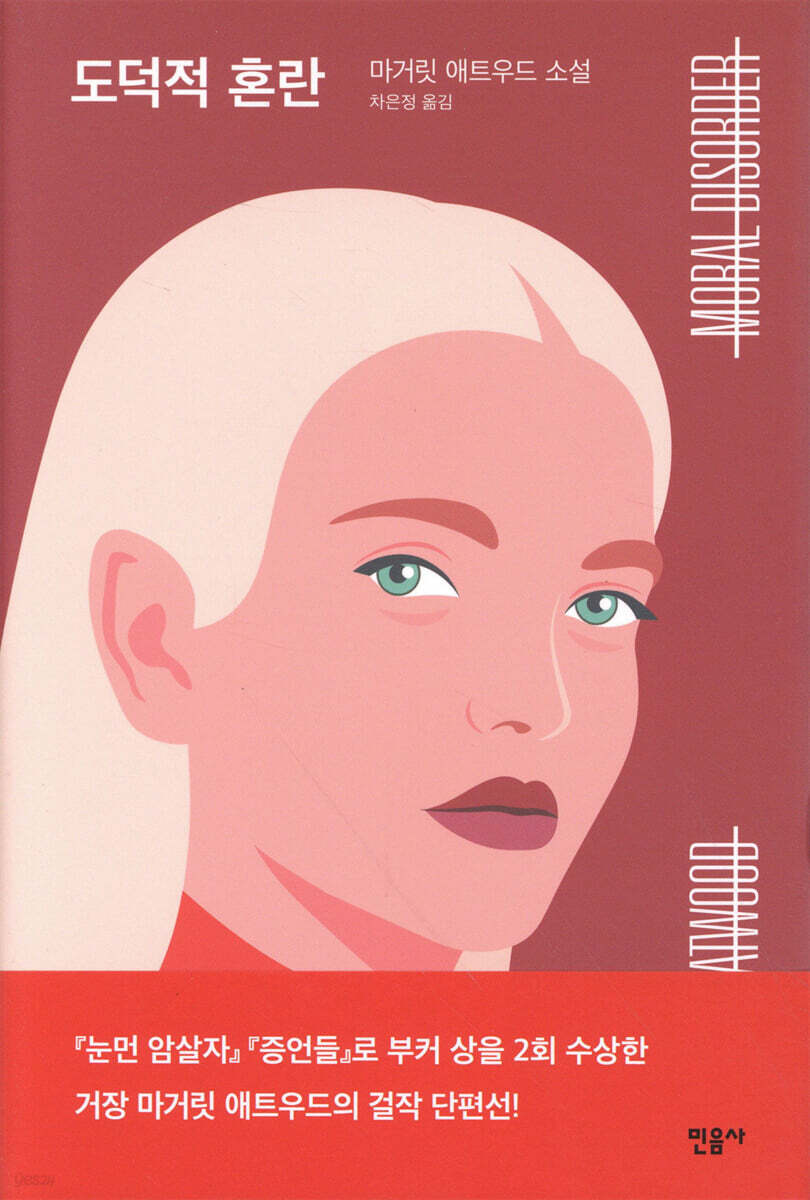 |
Description
Book Introduction
- A word from MD
- [A film called 'Women' by Margaret Atwood] A collection of short stories by Margaret Atwood, a master of English literature.
These short stories, which capture the lives of women from different generations and backgrounds, transcend the individual and depict stories that not only the author herself but all women have faced at some point.
You and I, as women, each different yet similar.
This book is a film that captures the lives of all of us women.
-Novel MD Lee Ju-eun
A collection of short stories by Canadian master Margaret Atwood, who won the Booker Prize, the highest award in English literature, twice for "The Blind Assassin" and "The Testimonies," and created masterpieces such as "The Handmaid's Tale" and "Grace," which were made into streaming dramas and garnered new acclaim from readers around the world, has been published by Minumsa.
This book is a collection of short stories, each independent, yet interconnected in that they depict the life of the same woman in stages.
This book is a collection of short stories, each independent, yet interconnected in that they depict the life of the same woman in stages.
- You can preview some of the book's contents.
Preview
index
Bad News _9
The Art of Cooking and Hospitality _27
Headless Horseman _51
My Ex-Duchess _95
Elsewhere _141
Monopoly _165
White Horse _248
Spirits _289
Labrador's Great Fail _327
Boys in the Lab _351
Author's Note 391
The Art of Cooking and Hospitality _27
Headless Horseman _51
My Ex-Duchess _95
Elsewhere _141
Monopoly _165
White Horse _248
Spirits _289
Labrador's Great Fail _327
Boys in the Lab _351
Author's Note 391
Into the book
Read the newspaper.
Tig says.
There are pictures in it.
Does bad news feel more horrifying when accompanied by a picture? I think so.
If you have a picture, you will see it whether you want to or not.
The car was incinerated, leaving only its twisted inner skeleton.
This is a sight I've been seeing over and over again lately.
A charred outline is curled up inside.
Pictures like this always feature abandoned shoes.
My heart aches when I see shoes like these.
The innocent, everyday task of putting on shoes, believing we are going somewhere, feels sad.
--- p.17
The danger that lay ahead was so vague, and therefore so great.
How do I prepare for that? My knitting has served as a kind of talisman in a corner of my heart.
Like the fairy tale nettle dress that the mute princesses had to weave to turn their swan-turned-brothers back into humans.
If I could only complete the baby clothes set, the baby who would wear them would be called out into the world and thus come out of its mother.
Once I get out there and see it, once I have a face, I can handle it.
In its current state, it was a threatening presence.
--- p.33
Why should I do this? I said.
It's not my baby.
I didn't give birth to it.
Your mother gave birth to you.
I have never said such rude things to my mother.
Even as the words left my mouth, I knew I had gone too far.
Although what I said was, to some extent, true.
Mother got up in one breath and turned around.
And he hit me hard in the face.
--- p.49
Because of some guy.
My mother spoke with a hint of contempt.
When she was young, my mother would have rather been fried than confess that she was having a hard time because of some man.
It was customary at the time to have many suitors and treat them all with smiling contempt.
--- p.83
Was I that terrible of a kid? Not at all.
I say.
You were so cute.
She had big blue eyes and small, braided blonde hair.
I heard that he was really upset.
I just wish the world would be better than it is now.
I say.
No, it was my sister.
That's what my sister wanted.
I just wanted the world to be a better place for me.
--- p.92
Now she gave me a gentle, sarcastic smile and pulled the curtain aside.
Behind the curtain was an entrance to a dark tunnel.
I had to go into that tunnel whether I wanted to or not.
The tunnel was a path forward, and then on the other side of the tunnel, the path stretched out further.
But Miss Bessie had to stop at the entrance.
Inside the tunnel lay something I had to learn.
Soon I will be a student from last year.
I will leave Bessie's world, and she will leave mine.
We will both belong to the past, we will both be completely gone, I from her perspective, she from mine.
Tig says.
There are pictures in it.
Does bad news feel more horrifying when accompanied by a picture? I think so.
If you have a picture, you will see it whether you want to or not.
The car was incinerated, leaving only its twisted inner skeleton.
This is a sight I've been seeing over and over again lately.
A charred outline is curled up inside.
Pictures like this always feature abandoned shoes.
My heart aches when I see shoes like these.
The innocent, everyday task of putting on shoes, believing we are going somewhere, feels sad.
--- p.17
The danger that lay ahead was so vague, and therefore so great.
How do I prepare for that? My knitting has served as a kind of talisman in a corner of my heart.
Like the fairy tale nettle dress that the mute princesses had to weave to turn their swan-turned-brothers back into humans.
If I could only complete the baby clothes set, the baby who would wear them would be called out into the world and thus come out of its mother.
Once I get out there and see it, once I have a face, I can handle it.
In its current state, it was a threatening presence.
--- p.33
Why should I do this? I said.
It's not my baby.
I didn't give birth to it.
Your mother gave birth to you.
I have never said such rude things to my mother.
Even as the words left my mouth, I knew I had gone too far.
Although what I said was, to some extent, true.
Mother got up in one breath and turned around.
And he hit me hard in the face.
--- p.49
Because of some guy.
My mother spoke with a hint of contempt.
When she was young, my mother would have rather been fried than confess that she was having a hard time because of some man.
It was customary at the time to have many suitors and treat them all with smiling contempt.
--- p.83
Was I that terrible of a kid? Not at all.
I say.
You were so cute.
She had big blue eyes and small, braided blonde hair.
I heard that he was really upset.
I just wish the world would be better than it is now.
I say.
No, it was my sister.
That's what my sister wanted.
I just wanted the world to be a better place for me.
--- p.92
Now she gave me a gentle, sarcastic smile and pulled the curtain aside.
Behind the curtain was an entrance to a dark tunnel.
I had to go into that tunnel whether I wanted to or not.
The tunnel was a path forward, and then on the other side of the tunnel, the path stretched out further.
But Miss Bessie had to stop at the entrance.
Inside the tunnel lay something I had to learn.
Soon I will be a student from last year.
I will leave Bessie's world, and she will leave mine.
We will both belong to the past, we will both be completely gone, I from her perspective, she from mine.
--- p.139
Publisher's Review
A masterpiece that captures a woman's entire life, moment by moment, like a snapshot!
The novel begins with a seemingly elderly couple waking up in the morning and sitting at the dining table.
The speaker, 'I', is an elderly woman and her male companion is Tig.
They seem to be enjoying a peaceful retirement without much complaint, but as with everyone, bad news and ominous forebodings can strike their peaceful breakfast table without warning. ("Bad News")
This is followed by another short story featuring a girl as the main character.
We learn that the girl who is the speaker is 'Nell', the same old speaker who appeared earlier.
Eleven-year-old Nell is left alone with her mother, who is nearing middle age and nearing childbirth, in a remote country house.
The girl is anxious about whether her mother will be able to give birth to her younger sibling without any accidents and what to do if an accident occurs, so she helps her mother and knits clothes for her unborn younger sibling.
The girl, suddenly burdened with great responsibility at such a young age, is exposed to the world of adults at an early age.
(The Art of Cooking and Hospitality)
Nell's younger sister is born safely, but there is something different about her.
I was born as a very sensitive and neurotic child.
Nell makes a 'Headless Horseman' costume for Halloween to play dress-up with her younger sister, who is eleven years younger than her, but the costume terrifies her sister.
An older sister who is quick-witted and precocious for her age, and a younger sister who is infinitely sensitive and fragile.
The subtle emotional conflict and affection between these two people will continue throughout their lives. (The Headless Horseman)
In a time when women had to go to college to avoid marriage, Nell, now a college student, devotes herself to studying to enter college.
At school, teacher Betsy guides Nell on the path to English literature with her unique attitude and perspective.
But to those around us, literature is neither useful nor understandable.
Nell now travels to another world through the long tunnel called Jinro. ("My Ex-Duchess")
Nell, a young professional woman who majored in English literature and now works as a freelance editor and short-term contract worker.
But the 1960s were not a very comfortable time for women living alone and earning their own living.
Nell struggles with the stable middle-class lifestyles of those who live on the margins of life, suffering from absolute loneliness. ("Another Day")
One day, Nell meets Tig and Ona, and they form an unwanted relationship.
Ona, who wanted freedom, pairs up her husband Tig with Nell, and Tig and Nell start a new life on a farm in the countryside without resolving their relationship with Ona.
Nell, now on the threshold of middle age, spends her remaining days with Tig, and her daily life in the countryside brings her moments of unfamiliar resolution and enlightenment. ("Moral Confusion", "The White Horse") And then, slowly, old age comes.
As the final moments approach for Nell's father and mother, Nell faces the twilight of her life, confronting the past that has taken root within her family. ("The Labrador Fiasco," "The Boys in the Lab")
You and I, as women, our story
Margaret Atwood's most autobiographical novel
Moral Disorder contains many autobiographical elements that allow us to imagine what Margaret Atwood's real life might have been like.
Atwood's family, consisting of a father who was an entomologist and led his family to settle in a remote and rugged Canadian wilderness, a mother with a strong personality, an older brother, and a younger sister, actually lived a life quite similar to the setting of "Moral Disorder."
Due to her family's commute between the city and the countryside, Atwood did not attend school regularly until she was twelve, but she overcame her loneliness with books as her companions, and from the age of sixteen, she dreamed of becoming a writer.
So, if Atwood hadn't become a writer, she might have lived a life somewhat similar to Nell's in the novel.
As Atwood imagines her own "road not taken," she speaks to the anxieties, bad choices, and resulting quiet unhappiness and "moral confusion" that all women face at some stage in their lives.
Yet, he never fails to talk about the beauty of life that he witnesses moment by moment.
Her thoughtful side as an environmental activist is revealed in a cool yet humorous way in the mishaps that occur when the protagonist Nell settles down on a country farm with Tig and accidentally takes in animals such as chickens, cats, dogs, cows, sheep, and horses. Nell's memories of her parents also contain the moving history of the frontiersmen who fought for their lives in the nature of Canada, which was still a vast wilderness in the early and mid-20th century.
In this autobiographical novel, Atwood explores a theme she has explored throughout her life: the lives of women and the adversities they face.
The novel is by no means difficult or complex, and compared to other works dealing with the subject of women, such as The Handmaid's Tale, it may seem quite mild, but its resonance and lingering impact are long-lasting.
This is likely due to the author's ability to capture a woman's life from childhood to old age like a snapshot, fragmenting it into moments while simultaneously weaving it together into a single, intact thread, and the insight that has achieved universality by objectifying the lives of these women, each different yet similar.
This is a masterpiece that reveals the truly mature capabilities of an author worthy of the title of master.
The novel begins with a seemingly elderly couple waking up in the morning and sitting at the dining table.
The speaker, 'I', is an elderly woman and her male companion is Tig.
They seem to be enjoying a peaceful retirement without much complaint, but as with everyone, bad news and ominous forebodings can strike their peaceful breakfast table without warning. ("Bad News")
This is followed by another short story featuring a girl as the main character.
We learn that the girl who is the speaker is 'Nell', the same old speaker who appeared earlier.
Eleven-year-old Nell is left alone with her mother, who is nearing middle age and nearing childbirth, in a remote country house.
The girl is anxious about whether her mother will be able to give birth to her younger sibling without any accidents and what to do if an accident occurs, so she helps her mother and knits clothes for her unborn younger sibling.
The girl, suddenly burdened with great responsibility at such a young age, is exposed to the world of adults at an early age.
(The Art of Cooking and Hospitality)
Nell's younger sister is born safely, but there is something different about her.
I was born as a very sensitive and neurotic child.
Nell makes a 'Headless Horseman' costume for Halloween to play dress-up with her younger sister, who is eleven years younger than her, but the costume terrifies her sister.
An older sister who is quick-witted and precocious for her age, and a younger sister who is infinitely sensitive and fragile.
The subtle emotional conflict and affection between these two people will continue throughout their lives. (The Headless Horseman)
In a time when women had to go to college to avoid marriage, Nell, now a college student, devotes herself to studying to enter college.
At school, teacher Betsy guides Nell on the path to English literature with her unique attitude and perspective.
But to those around us, literature is neither useful nor understandable.
Nell now travels to another world through the long tunnel called Jinro. ("My Ex-Duchess")
Nell, a young professional woman who majored in English literature and now works as a freelance editor and short-term contract worker.
But the 1960s were not a very comfortable time for women living alone and earning their own living.
Nell struggles with the stable middle-class lifestyles of those who live on the margins of life, suffering from absolute loneliness. ("Another Day")
One day, Nell meets Tig and Ona, and they form an unwanted relationship.
Ona, who wanted freedom, pairs up her husband Tig with Nell, and Tig and Nell start a new life on a farm in the countryside without resolving their relationship with Ona.
Nell, now on the threshold of middle age, spends her remaining days with Tig, and her daily life in the countryside brings her moments of unfamiliar resolution and enlightenment. ("Moral Confusion", "The White Horse") And then, slowly, old age comes.
As the final moments approach for Nell's father and mother, Nell faces the twilight of her life, confronting the past that has taken root within her family. ("The Labrador Fiasco," "The Boys in the Lab")
You and I, as women, our story
Margaret Atwood's most autobiographical novel
Moral Disorder contains many autobiographical elements that allow us to imagine what Margaret Atwood's real life might have been like.
Atwood's family, consisting of a father who was an entomologist and led his family to settle in a remote and rugged Canadian wilderness, a mother with a strong personality, an older brother, and a younger sister, actually lived a life quite similar to the setting of "Moral Disorder."
Due to her family's commute between the city and the countryside, Atwood did not attend school regularly until she was twelve, but she overcame her loneliness with books as her companions, and from the age of sixteen, she dreamed of becoming a writer.
So, if Atwood hadn't become a writer, she might have lived a life somewhat similar to Nell's in the novel.
As Atwood imagines her own "road not taken," she speaks to the anxieties, bad choices, and resulting quiet unhappiness and "moral confusion" that all women face at some stage in their lives.
Yet, he never fails to talk about the beauty of life that he witnesses moment by moment.
Her thoughtful side as an environmental activist is revealed in a cool yet humorous way in the mishaps that occur when the protagonist Nell settles down on a country farm with Tig and accidentally takes in animals such as chickens, cats, dogs, cows, sheep, and horses. Nell's memories of her parents also contain the moving history of the frontiersmen who fought for their lives in the nature of Canada, which was still a vast wilderness in the early and mid-20th century.
In this autobiographical novel, Atwood explores a theme she has explored throughout her life: the lives of women and the adversities they face.
The novel is by no means difficult or complex, and compared to other works dealing with the subject of women, such as The Handmaid's Tale, it may seem quite mild, but its resonance and lingering impact are long-lasting.
This is likely due to the author's ability to capture a woman's life from childhood to old age like a snapshot, fragmenting it into moments while simultaneously weaving it together into a single, intact thread, and the insight that has achieved universality by objectifying the lives of these women, each different yet similar.
This is a masterpiece that reveals the truly mature capabilities of an author worthy of the title of master.
GOODS SPECIFICS
- Publication date: October 26, 2020
- Format: Hardcover book binding method guide
- Page count, weight, size: 396 pages | 450g | 135*200*24mm
- ISBN13: 9788937413285
- ISBN10: 8937413280
You may also like
카테고리
korean


korean

![GQ KOREA Mark (Monthly): December [2025]](http://librairie.coreenne.fr/cdn/shop/files/8ef265dbbfbf186523ed75ba7319009d.jpg?v=1765340328&width=3840)


