

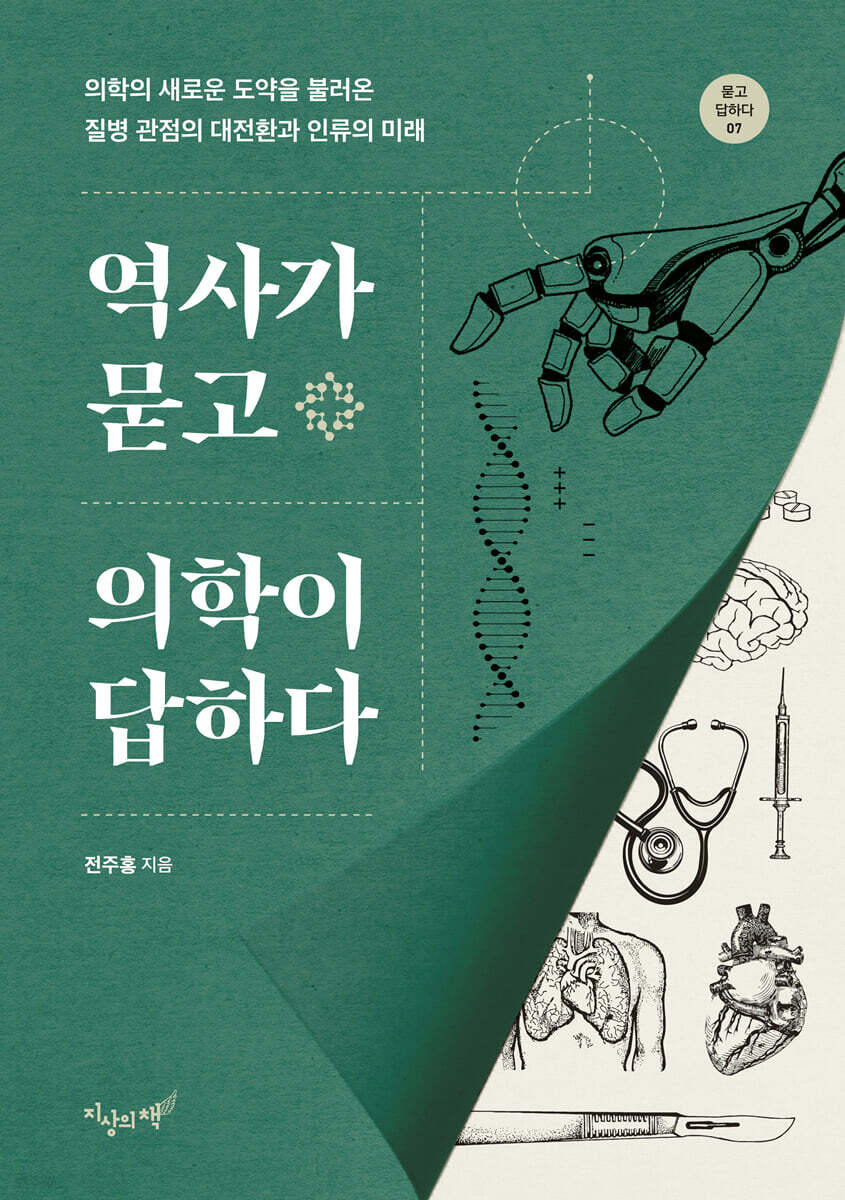
History asks, medicine answers
 |
Description
Book Introduction
- A word from MD
- The history of mankind is a story of coping with disease.
How did people in the past treat pain and from what perspective?
This book contains the fascinating history of medicine, from ancient times when people tried to ward off evil spirits with sorcery to the era of precision medicine.
It not only tells medical stories but also tells various social and cultural stories in an interesting way.
- Min-gyu Son, PD of Natural Sciences
Humanity has been challenging itself to overcome diseases.
How far have we come and where are we going?
From magical healing to the era of precision medicine,
Five keywords that cut through the vast history of medicine.
As the times change rapidly with the advancement of science and technology, including generative artificial intelligence, the perspective on interpreting diseases is becoming increasingly important.
Because the technology that deals with diseases cannot itself make ethical judgments.
Ultimately, it is up to humans to decide how to understand and utilize scientific and technological advancements.
Moreover, what answers can we offer when faced with complex and sensitive issues such as the state of the medical profession, the patient-doctor relationship, medical inequalities and the essential meaning of care, and the scope of application of new, cutting-edge technologies? _Page 25 (Introduction)
In 2016, the Human Genome Project (HGP-write), which aims to chemically synthesize the human genome, was launched with 150 medical professionals, scientists, lawyers, and businesspeople from around the world.
Although the discussion was sparked by a desire to increase understanding of how the genome works, the concern has expanded to the point where, as more information accumulates and technology advances, it might be possible to create humans.
And that's not all.
Countries around the world are accumulating human biological data at the national level, including the UK Biobank, All of US, and Korea's Korean Genome and Epidemiology Survey. Furthermore, advances in artificial intelligence technology are expected to accelerate biomedical data analysis.
This represents an unprecedented revolution in how we understand and respond to disease.
In his previous book, 『History Asks, Life Science Answers』, Professor Jeon Ju-hong of the Department of Physiology at Seoul National University College of Medicine posed the question, "What is a human or life?" through ten keywords of life science. In this book, 『History Asks, Medicine Answers』, he meticulously examines how treatments have been born and discarded according to changes in the "perspective" on interpreting diseases, and further, what process of knowledge accumulation has medicine gone through to reach its current position.
The rise of "perspective," which sought to interpret the world through a human perspective rather than a divine one, during the Renaissance gave birth to anatomical pathology, and thus modern medicine. The desire to decipher "codes" and "information" stemming from the two World Wars led to the birth of personalized medicine, and other such stories unfold as the history of medical knowledge intertwines with history, philosophy, and art.
The process of examining past history naturally leads to considering how medicine will change in the future, what the essence of medical knowledge is, and what critical questions are necessary.
This is why we need to know the history of the great shift in perspective on disease now.
Science and technology are changing by the day, with AI robot doctors performing surgeries and ChatGPT analyzing patient data.
Amidst this turbulent waters, the author's words—that humans must decide how to understand and utilize scientific and technological advancements, and that we must ponder the nature of knowledge and ask better questions even amidst uncertainty—are bound to resonate deeply.
How far have we come and where are we going?
From magical healing to the era of precision medicine,
Five keywords that cut through the vast history of medicine.
As the times change rapidly with the advancement of science and technology, including generative artificial intelligence, the perspective on interpreting diseases is becoming increasingly important.
Because the technology that deals with diseases cannot itself make ethical judgments.
Ultimately, it is up to humans to decide how to understand and utilize scientific and technological advancements.
Moreover, what answers can we offer when faced with complex and sensitive issues such as the state of the medical profession, the patient-doctor relationship, medical inequalities and the essential meaning of care, and the scope of application of new, cutting-edge technologies? _Page 25 (Introduction)
In 2016, the Human Genome Project (HGP-write), which aims to chemically synthesize the human genome, was launched with 150 medical professionals, scientists, lawyers, and businesspeople from around the world.
Although the discussion was sparked by a desire to increase understanding of how the genome works, the concern has expanded to the point where, as more information accumulates and technology advances, it might be possible to create humans.
And that's not all.
Countries around the world are accumulating human biological data at the national level, including the UK Biobank, All of US, and Korea's Korean Genome and Epidemiology Survey. Furthermore, advances in artificial intelligence technology are expected to accelerate biomedical data analysis.
This represents an unprecedented revolution in how we understand and respond to disease.
In his previous book, 『History Asks, Life Science Answers』, Professor Jeon Ju-hong of the Department of Physiology at Seoul National University College of Medicine posed the question, "What is a human or life?" through ten keywords of life science. In this book, 『History Asks, Medicine Answers』, he meticulously examines how treatments have been born and discarded according to changes in the "perspective" on interpreting diseases, and further, what process of knowledge accumulation has medicine gone through to reach its current position.
The rise of "perspective," which sought to interpret the world through a human perspective rather than a divine one, during the Renaissance gave birth to anatomical pathology, and thus modern medicine. The desire to decipher "codes" and "information" stemming from the two World Wars led to the birth of personalized medicine, and other such stories unfold as the history of medical knowledge intertwines with history, philosophy, and art.
The process of examining past history naturally leads to considering how medicine will change in the future, what the essence of medical knowledge is, and what critical questions are necessary.
This is why we need to know the history of the great shift in perspective on disease now.
Science and technology are changing by the day, with AI robot doctors performing surgeries and ChatGPT analyzing patient data.
Amidst this turbulent waters, the author's words—that humans must decide how to understand and utilize scientific and technological advancements, and that we must ponder the nature of knowledge and ask better questions even amidst uncertainty—are bound to resonate deeply.
- You can preview some of the book's contents.
Preview
index
Entering “The Courage to Endure the Invisibility of the Shore”
1.
Disease as God's Wrath: Has the Mythical or Religious View of Disease Completely Disappeared?
Why did God give suffering to humans?
Between Worship and Domination, Where Did the 'God of Medicine' Come From?
What effect did superstitious treatments have?
2.
Disease from Natural Causes: How Did Humoral Theory Explain Health and the World?
When did knowledge begin to accumulate and give birth to natural science?
What is the basis for thinking that fluid imbalances cause disease?
How did the emergence of universities influence the formation of medicine?
3.
Diseases in Specific Places: What Did Humans Find When They Looked Inside the Body?
Why did humans attempt dissection and focus on organs?
How did an artist open up modern medicine?
How did anatomy and pathology combine to drive medical advancements?
4.
Disease at the Molecular Level: How Far Can We Unravel Life and Disease from the Invisible?
What do 'measurement' and 'experiment' mean in science?
How groundbreaking is molecular biology in tracking disease phenomena?
Why are advances in molecular medicine revolutionizing treatment?
5.
Diseases That Data Tells: How the AI Revolution Is Transforming Biomedical Sciences
How far has cryptography technology come in uncovering the secrets of the genome?
How much do individual differences affect disease treatment?
In the age of precision medicine, what critical reflections do we need?
Between the episteme approach and the techne approach to medicine
Americas
1.
Disease as God's Wrath: Has the Mythical or Religious View of Disease Completely Disappeared?
Why did God give suffering to humans?
Between Worship and Domination, Where Did the 'God of Medicine' Come From?
What effect did superstitious treatments have?
2.
Disease from Natural Causes: How Did Humoral Theory Explain Health and the World?
When did knowledge begin to accumulate and give birth to natural science?
What is the basis for thinking that fluid imbalances cause disease?
How did the emergence of universities influence the formation of medicine?
3.
Diseases in Specific Places: What Did Humans Find When They Looked Inside the Body?
Why did humans attempt dissection and focus on organs?
How did an artist open up modern medicine?
How did anatomy and pathology combine to drive medical advancements?
4.
Disease at the Molecular Level: How Far Can We Unravel Life and Disease from the Invisible?
What do 'measurement' and 'experiment' mean in science?
How groundbreaking is molecular biology in tracking disease phenomena?
Why are advances in molecular medicine revolutionizing treatment?
5.
Diseases That Data Tells: How the AI Revolution Is Transforming Biomedical Sciences
How far has cryptography technology come in uncovering the secrets of the genome?
How much do individual differences affect disease treatment?
In the age of precision medicine, what critical reflections do we need?
Between the episteme approach and the techne approach to medicine
Americas
Detailed image

Into the book
This shift in perspective has also brought about a major change in the way we understand and treat disease.
However, the emergence of new perspectives does not necessarily mean that existing perspectives completely disappear or are replaced.
In other words, a major shift in perspective can be understood not as a categorical abandonment of existing knowledge and achievements, but as a reinterpretation and new leap forward based on accumulated knowledge and experience.
However, even today, with advanced technology, there are still cases where people attribute illness to disrespect for God or neglect of ancestors, and rely on unscientific treatments.
This is also a cross-section that shows that the shift in perspective is a complex process in which various knowledge and opinions coexist and collide.
--- p.25 "Introduction"
Even as science advances, it is a difficult process that requires considerable cognitive effort for individuals to internalize a scientific worldview.
Most scientific knowledge is difficult to accept intuitively and does not explain the meaning of disease.
Continuous learning and training are essential to acquiring and embodying a scientific mindset.
Moreover, scientific explanations only provide objective facts and cannot alleviate an individual's subjective pain or anxiety.
For this reason, mythological or religious views of disease continue to play an important role in human society even as science advances.
Therefore, an emotional approach that empathizes with the patient's pain and suffering seems to be as important as a scientific approach to the disease.
--- p.59 "Chapter 1: Disease as God's Wrath"
The English word 'disease', meaning illness, clearly conveys the view that a state in which the balance of body fluids is disrupted is a disease.
The word 'disease' is a combination of 'ease', which means balance, and the negative prefix 'dis'.
It seems that the point of view is that we can feel and maintain comfort only when we achieve balance and harmony.
In the Hippocratic system of medicine, the flow of bodily fluids is life itself, and bodily fluids not only connect each part of the body but also connect the human body to the world, so maintaining the order and balance of bodily fluids is very important for maintaining health.
--- p.79 "Chapter 2: Diseases Due to Natural Causes"
The influence of the theory of the four humors on culture can also be seen in the works of Albrecht Durer.
Dürer's "The Four Apostles" is a work that expresses human temperament and the properties of the world based on the theory of the four humors.
In the painting, Dürer depicted St. John on the far left as sanguine, St. Peter next to him as phlegmatic, St. Mark as choleric, and lastly St. Paul as melancholic.
Just as a doctor observes the external signs of bodily fluid imbalances, Dürer guides the viewer to discern the nature of the apostles and to reflect on the properties of humanity and the world.
--- p.95 "Chapter 2: Diseases Due to Natural Causes"
Renaissance artists, noting the great achievements and efforts of Hellenistic artists, believed that to reproduce the harmony of the human body, they needed to have a good understanding of its internal and external structures.
The Italian architect Leon Battista Alberti emphasized the importance of knowing the structure of the human body when he said, “Separate the bones of the animal, put the muscles on them, and put the skin over it all.”
Alberti's ideas influenced many Renaissance artists, including Leonardo da Vinci.
Although Renaissance artists' interest in anatomy stemmed from aesthetic motivations, it had a profound impact on the birth and development of modern anatomy.
--- p.122 "Chapter 3: Diseases Caused by Specific Locations"
As the 17th century approached, anatomy began to aid in the study of human function.
In 1628, William Harvey, in his Treatise on the Motion of the Heart and Blood in Animals, refuted Galen's theory, which had been unquestioned for 1,500 years.
Galen believed that blood did not circulate but traveled through arteries and veins to peripheral tissues and was then consumed, just as the earth receives rainwater to sprout and sustain life.
Harvey, based on his knowledge of the anatomy of blood vessels, mathematically estimated the volume of blood and conducted several experiments to prove that blood in the human body circulates rather than being moved to the peripheral areas and consumed.
--- p.149 "Chapter 3: Diseases Caused by Specific Locations"
Measurement brought about two important innovations in medicine.
First, the introduction of quantitative methods has established numbers as a key tool for setting diagnostic criteria and evaluating treatment effectiveness.
Second, as the scope of measurement expands to the molecular level, objectively understanding disease has become a feasible reality rather than a mere ideal.
This has made it possible to quantitatively compare which causes greater harm, treating a disease or not treating it, and has also laid the foundation for sophisticated analysis of the effects of drugs.
--- p.169 "Chapter 4: Diseases Determined by Molecules"
Synthetic dye technology has also contributed to innovation in drug development in another way.
Paul Ehrlich, a German microbiologist who won the 1908 Nobel Prize in Physiology or Medicine, came up with the idea of developing antibiotics based on synthetic dyes.
The idea was that if we could find a dye that would not react with host cells but would only bind to pathogens and exhibit toxicity, we could selectively eliminate only the pathogens.
Ehrlich thought that this chemical could be a "magic bullet."
--- p.208 "Chapter 4: Diseases Determined by Molecules"
In this era, the method of explaining genes by comparing them to codes played a decisive role in establishing genes as a key to understanding life and disease.
In science, we can see how metaphors play an important role in constructing scientific theories and expanding concepts, beyond simply being a means of aiding understanding.
What's even more interesting is that the first person to use the term "code" to describe the function of genes was a physicist, not a life scientist.
--- p.227 "Chapter 5: Diseases Explained by Information"
This can be said to be the implementation and concretization of personalized medicine based on the relationship between individual differences in genetic information and the risk of disease occurrence.
In particular, as HGP enabled the cheap and rapid analysis of an individual's genetic information, that is, the DNA base sequence, a framework was established that perceived disease as a defect or error in information management, processing, and control, and this informational perspective provided a theoretical framework for predicting, treating, and preventing disease.
Furthermore, a technical foundation has been established to analyze individual differences in disease risk.
--- p.247 "Chapter 5: Diseases Explained by Information"
Latour, living in the laboratory, captured the phenomenon that once scientific facts are accepted, the errors, mistakes, coincidences, and confusions that constantly occur in the research process simply disappear.
It is likened to a 'black box' because everything disappears except for the input into the research and the final results, obscuring the process and context.
While presenting only objective, sophisticated, cutting-edge knowledge and technology can strengthen authority, a thorough understanding of the context will allow us to recognize the limitations of today's knowledge and technology and grasp the significance of new discoveries and inventions.
However, the emergence of new perspectives does not necessarily mean that existing perspectives completely disappear or are replaced.
In other words, a major shift in perspective can be understood not as a categorical abandonment of existing knowledge and achievements, but as a reinterpretation and new leap forward based on accumulated knowledge and experience.
However, even today, with advanced technology, there are still cases where people attribute illness to disrespect for God or neglect of ancestors, and rely on unscientific treatments.
This is also a cross-section that shows that the shift in perspective is a complex process in which various knowledge and opinions coexist and collide.
--- p.25 "Introduction"
Even as science advances, it is a difficult process that requires considerable cognitive effort for individuals to internalize a scientific worldview.
Most scientific knowledge is difficult to accept intuitively and does not explain the meaning of disease.
Continuous learning and training are essential to acquiring and embodying a scientific mindset.
Moreover, scientific explanations only provide objective facts and cannot alleviate an individual's subjective pain or anxiety.
For this reason, mythological or religious views of disease continue to play an important role in human society even as science advances.
Therefore, an emotional approach that empathizes with the patient's pain and suffering seems to be as important as a scientific approach to the disease.
--- p.59 "Chapter 1: Disease as God's Wrath"
The English word 'disease', meaning illness, clearly conveys the view that a state in which the balance of body fluids is disrupted is a disease.
The word 'disease' is a combination of 'ease', which means balance, and the negative prefix 'dis'.
It seems that the point of view is that we can feel and maintain comfort only when we achieve balance and harmony.
In the Hippocratic system of medicine, the flow of bodily fluids is life itself, and bodily fluids not only connect each part of the body but also connect the human body to the world, so maintaining the order and balance of bodily fluids is very important for maintaining health.
--- p.79 "Chapter 2: Diseases Due to Natural Causes"
The influence of the theory of the four humors on culture can also be seen in the works of Albrecht Durer.
Dürer's "The Four Apostles" is a work that expresses human temperament and the properties of the world based on the theory of the four humors.
In the painting, Dürer depicted St. John on the far left as sanguine, St. Peter next to him as phlegmatic, St. Mark as choleric, and lastly St. Paul as melancholic.
Just as a doctor observes the external signs of bodily fluid imbalances, Dürer guides the viewer to discern the nature of the apostles and to reflect on the properties of humanity and the world.
--- p.95 "Chapter 2: Diseases Due to Natural Causes"
Renaissance artists, noting the great achievements and efforts of Hellenistic artists, believed that to reproduce the harmony of the human body, they needed to have a good understanding of its internal and external structures.
The Italian architect Leon Battista Alberti emphasized the importance of knowing the structure of the human body when he said, “Separate the bones of the animal, put the muscles on them, and put the skin over it all.”
Alberti's ideas influenced many Renaissance artists, including Leonardo da Vinci.
Although Renaissance artists' interest in anatomy stemmed from aesthetic motivations, it had a profound impact on the birth and development of modern anatomy.
--- p.122 "Chapter 3: Diseases Caused by Specific Locations"
As the 17th century approached, anatomy began to aid in the study of human function.
In 1628, William Harvey, in his Treatise on the Motion of the Heart and Blood in Animals, refuted Galen's theory, which had been unquestioned for 1,500 years.
Galen believed that blood did not circulate but traveled through arteries and veins to peripheral tissues and was then consumed, just as the earth receives rainwater to sprout and sustain life.
Harvey, based on his knowledge of the anatomy of blood vessels, mathematically estimated the volume of blood and conducted several experiments to prove that blood in the human body circulates rather than being moved to the peripheral areas and consumed.
--- p.149 "Chapter 3: Diseases Caused by Specific Locations"
Measurement brought about two important innovations in medicine.
First, the introduction of quantitative methods has established numbers as a key tool for setting diagnostic criteria and evaluating treatment effectiveness.
Second, as the scope of measurement expands to the molecular level, objectively understanding disease has become a feasible reality rather than a mere ideal.
This has made it possible to quantitatively compare which causes greater harm, treating a disease or not treating it, and has also laid the foundation for sophisticated analysis of the effects of drugs.
--- p.169 "Chapter 4: Diseases Determined by Molecules"
Synthetic dye technology has also contributed to innovation in drug development in another way.
Paul Ehrlich, a German microbiologist who won the 1908 Nobel Prize in Physiology or Medicine, came up with the idea of developing antibiotics based on synthetic dyes.
The idea was that if we could find a dye that would not react with host cells but would only bind to pathogens and exhibit toxicity, we could selectively eliminate only the pathogens.
Ehrlich thought that this chemical could be a "magic bullet."
--- p.208 "Chapter 4: Diseases Determined by Molecules"
In this era, the method of explaining genes by comparing them to codes played a decisive role in establishing genes as a key to understanding life and disease.
In science, we can see how metaphors play an important role in constructing scientific theories and expanding concepts, beyond simply being a means of aiding understanding.
What's even more interesting is that the first person to use the term "code" to describe the function of genes was a physicist, not a life scientist.
--- p.227 "Chapter 5: Diseases Explained by Information"
This can be said to be the implementation and concretization of personalized medicine based on the relationship between individual differences in genetic information and the risk of disease occurrence.
In particular, as HGP enabled the cheap and rapid analysis of an individual's genetic information, that is, the DNA base sequence, a framework was established that perceived disease as a defect or error in information management, processing, and control, and this informational perspective provided a theoretical framework for predicting, treating, and preventing disease.
Furthermore, a technical foundation has been established to analyze individual differences in disease risk.
--- p.247 "Chapter 5: Diseases Explained by Information"
Latour, living in the laboratory, captured the phenomenon that once scientific facts are accepted, the errors, mistakes, coincidences, and confusions that constantly occur in the research process simply disappear.
It is likened to a 'black box' because everything disappears except for the input into the research and the final results, obscuring the process and context.
While presenting only objective, sophisticated, cutting-edge knowledge and technology can strengthen authority, a thorough understanding of the context will allow us to recognize the limitations of today's knowledge and technology and grasp the significance of new discoveries and inventions.
--- p.275 "Going Out"
Publisher's Review
“The essence of science is to change the way we think about the world around us and about ourselves.”
Why look back at the history of medicine from a 'disease perspective'?
With the experience of the COVID-19 pandemic and the prevalence of "slow aging," interest in disease and health is growing, and humanity's history of overcoming disease is also receiving attention.
A timely book, "History Asks, Medicine Answers," which reinterprets the history of medicine through the framework of a "shift in perspective," has been published.
The reason this book describes the history of medicine, which is often described as a history of heroic doctors, scientists, and groundbreaking discoveries and inventions, as a "great shift in perspective" is because the author has long been obsessed with the problem that "in today's world where we are rushing to identify and treat more diseases, (...) the way we interpret and deal with illness cannot escape the context of the times and society."
Above all, understanding how the perspectives on interpreting diseases in each era led to the development of certain treatments is even more meaningful because it provides a glimpse into how medicine will develop in the future in this era of advanced medicine.
To find the answer, "History Asks, Medicine Answers" shows, in chronological order, how medicine has evolved, transitioned, and leaped to new dimensions within continuity, from myths and magic to bodily fluids, anatomy, molecules, and information.
The beginning is the perspective of ancient societies where scientific thinking was not yet established, and where disasters that could not be avoided through instinct or experience, such as natural disasters or epidemics, were understood as punishment resulting from the wrath of God (Chapter 1).
The history of the 'magos', who worshipped the god of medicine and attempted to cure illness through magic, remains significant today in that it suppressed attempts to rationally understand illness, but enabled an emotional approach that empathized with the subjective suffering and anxiety of individuals.
The mythological and magical perspective shifted to the 'humoral pathology (Chapter 2)' perspective with the emergence of natural philosophers who sought to discover universal principles of natural phenomena and the fundamental substances of the world.
The 'Four Humours Theory', which states that four bodily fluids (blood, phlegm, yellow bile, and black bile) determine a person's personality and constitution, and that disease occurs when the balance between the bodily fluids is disrupted, was accepted as an established theory until the Middle Ages thanks to the authority of Hippocrates and Galen.
The theory of the four humors was certainly groundbreaking in that it attempted to explain the causes of disease through natural causes rather than supernatural explanations. However, because it was a flawed theory in itself, its treatment methods were also bound to be flawed.
For example, according to the interpretation that 'blood (sanguine)' has a hot and moist nature, doctors at the time cut veins and drained blood when the body had a fever, but Galen believed that bloodletting should continue even if it led to fainting while drawing blood.
This was because there was a misconception that blood did not circulate and was consumed in the peripheral tissues like the earth receiving rainwater.
Only after William Harvey proved through animal dissection and mathematical experiments that blood circulated was Galen's theory banished from the medical community.
As philosopher of science Thomas Kuhn described it as “paradigm” and cognitive psychologist Daniel Kahneman described it as “theory-induced blindness,” this shows why we must constantly strive to acquire scientific thinking.
Looking back at the history of medicine, we find numerous instances where even facts taken for granted were not absolute truths.
Until the late 19th century, people believed that infectious diseases were caused by the air, and that they could be prevented by blocking out 'bad (mal) air (aria)'.
As the author says, “It is necessary to go beyond simply accumulating scientific knowledge and to constantly train scientific thinking to coolly distinguish between objective facts and baseless beliefs based on that knowledge.”
It covers a wide range of perspectives on disease from 3,000 BC to the present day.
From unfamiliar concepts to familiar names, the thoughts of medical heroes unfold at a rapid pace.
As we race to identify and treat more diseases, it is even more important to look back on history.
As this book emphasizes, the way we interpret and deal with illness cannot escape the historical and social context.
A welcome book has come out at an opportune time.
_Cho Dong-hyun, Professor of Anatomy, Seoul National University College of Medicine
How did the scientific revolution change biomedical science?
A new leap forward in medicine and the future of humanity
When did humanity begin to scientifically interpret disease? Chapter 3 explores the story of anatomy and pathology, which ushered in modern medicine.
Early anatomy was largely driven by the artistic motives of Renaissance artists to achieve perfect reproduction of the human body, and was overshadowed by the authority of humoral pathology, which failed to lead to new theories of disease.
However, the emergence of artistic techniques that precisely reproduce the internal structure of the human body and the spread of a culture of knowledge sharing due to the development of printing technology led to a major shift in perspective to seek the cause of disease in visible, local damage to 'organs' rather than in gods or natural causes.
Anatomy was born as a medical tool, not for artistic purposes.
Giovanni Battista Morgagni, a physician from the University of Padua, symbolically demonstrated a major shift in perspective when he observed that “symptoms of disease are the screams of suffering organs” while investigating the correlation between clinical findings during a patient’s lifetime and autopsy findings after death.
Rather than focusing on the individual accounts of the remarkable achievements of modern medicine stemming from the genius of a few heroic doctors and scientists, this book examines extensive academic literature and art materials to demonstrate that technological, philosophical, and social changes over time have accumulated to bring about a paradigm shift in how we view disease.
_Professor Park Young-soo, Department of Humanities and Medicine, Seoul National University College of Medicine
The anatomical perspective, which seeks traces of damage deep within the body beyond visible symptoms, has been subdivided into cells and molecules (Chapter 4) beyond organs.
The invention of the microscope led to the 'molecularization of life phenomena' by enabling humans to measure and study the microscopic world beyond the scope of sensory experience.
From a molecular perspective, identifying diseases required a complex consideration of physics, biochemistry, and genetics, an example of why cross-disciplinary collaboration and convergence should be a fundamental skill for medical scientists.
After the discovery of molecules, medical scientists began to embrace the new perspective that life phenomena could be studied in vitro under artificial conditions.
This soon led to the development of technologies to identify biomolecules and measure their activity.
It has become possible to accurately diagnose the nature of the disease.
In this context, 'molecular medicine' has revolutionized medicine by providing objective evidence for determining whether to intervene in our bodies and what the optimal treatment method is.
Advances in molecular medicine have made it possible to analyze the existence and activity of genes and proteins that cannot be seen even with a microscope, significantly changing the direction of treatment.
The fact that the polymerase chain reaction (PCR) technology, which we have become accustomed to since the COVID-19 pandemic, was developed because the recognition that detecting genetic mutations is a way to diagnose disease has become firmly established, once again reminds us of the importance of a shift in perspective in medicine.
Modern medicine, with its molecular perspective, has also revolutionized cancer treatment, with the invention of anticancer drugs that target only the molecular targets that cause disease, unlike traditional anticancer drugs that risk destroying normal cells.
Molecularization of disease has significantly narrowed the gap between advances in basic research and the development of therapeutic technologies, and has driven significant advancements in the science and technology-based pharmaceutical and medical industries. However, it has also encountered limitations in scientifically and clearly explaining individual differences in disease symptoms and treatment effects.
This heralded the need for and emergence of a new perspective, the 'informationized disease (Chapter 5)' perspective we live in today.
“Education is not about learning facts, but about training in thinking.”
Proposing medicine as a continuous process of thought, not as fixed knowledge.
During the two world wars, when 'codes' and 'information' became crucial factors in gaining victory, the belief that genetic information, like codes, should also be deciphered took hold.
The fact that Erwin Schrödinger's explanation that the order of macroscopic life arises from the order of microscopic genetic material and Francis Crick and James Watson's discovery of the double helix were first announced during this period demonstrates how important metaphors in science are in constructing and expanding scientific theories, beyond simply being a means of aiding understanding.
The recognition that DNA is a 'code' containing information and that a patient's genetic information determines the cause of disease and the effectiveness of treatment naturally led to the recognition that individual patient differences must be noted.
Just as the severity of symptoms varies slightly from person to person when catching a cold, the perception has become that there is virtually no universal treatment that can be applied to all patients.
This is also a point that connects to ‘precision medicine’, which is attracting attention in modern medicine.
Precision medicine is an approach currently being used in cancer treatment that provides optimal treatment by considering the patient's unique biological characteristics, lifestyle, and even environmental characteristics.
A representative example is the 'cancer gene panel test', which identifies the patient's cancer gene information and prescribes different anticancer drugs for each mutation.
In the past, cancers were classified based on their anatomical location and a uniform treatment method was applied, but now different targeted anticancer drugs are used depending on which genetic mutations are detected in the patient's sample.
If an EGFR gene mutation is found in a lung cancer patient, the anticancer drug gefitinib is used, and if an EML4-ALK gene mutation is found, the anticancer drug crizotinib is used.
Even if normal cells proliferate rapidly, the side effects of existing non-specific chemical treatments that showed cytotoxicity have been overcome.
After reading about the vast history and cutting-edge medical science, you will naturally understand that medicine did not suddenly develop one day, but was born through the accumulation of knowledge through constant errors, mistakes, coincidences, and confusion.
This also connects to the message that runs through the book, “The Need to Talk to the Past.”
Bruno Latour, a humanist in science, likened the phenomenon of scientific research where everything disappears except the input and the final result to a "black box."
As the author says, to grasp the meaning of new discoveries and inventions, we must understand the 'context' that has been obscured like a black box. This book sheds light with a 'new perspective' on various parts of erased medical history.
Now that expectations for medicine and artificial intelligence are higher than ever, the author's message that scientists must constantly expand their existence as 'writers' who write papers, 'readers' who critique papers, 'explorers' who deconstruct the world, 'artists' who visualize data, and 'discussors' who broaden the horizons of thought seems necessary not only for medical scientists, but also for all of us who will face the leap forward in medicine and overcoming disease.
It's worth recalling the concept of Collingridge's dilemma.
The Collingridge Dilemma is the paradox that the impact of a new technology cannot be easily predicted until it is introduced and widely used, and that once the meaning and use of the technology are well understood and established, it is very difficult to control.
This seems to explain why, in the era of precision medicine, we need to pay more attention to the humanities.
We must also not neglect to consider how to implement warm medicine.
Page 270
As scientific and technological advancements in medicine continue, we will face increasingly complex and sensitive issues.
This is because there are many uncertainties, such as pressing challenges facing the medical field, the relationship between patients and doctors, medical inequality and care issues, and the intrinsic value of medical knowledge.
This book, which helps us understand the flow of history and changing perspectives, hopes that it will empower us to ask better questions as we live in the future society, as Einstein said, “Education is not the acquisition of facts, but the training of thinking.”
Why look back at the history of medicine from a 'disease perspective'?
With the experience of the COVID-19 pandemic and the prevalence of "slow aging," interest in disease and health is growing, and humanity's history of overcoming disease is also receiving attention.
A timely book, "History Asks, Medicine Answers," which reinterprets the history of medicine through the framework of a "shift in perspective," has been published.
The reason this book describes the history of medicine, which is often described as a history of heroic doctors, scientists, and groundbreaking discoveries and inventions, as a "great shift in perspective" is because the author has long been obsessed with the problem that "in today's world where we are rushing to identify and treat more diseases, (...) the way we interpret and deal with illness cannot escape the context of the times and society."
Above all, understanding how the perspectives on interpreting diseases in each era led to the development of certain treatments is even more meaningful because it provides a glimpse into how medicine will develop in the future in this era of advanced medicine.
To find the answer, "History Asks, Medicine Answers" shows, in chronological order, how medicine has evolved, transitioned, and leaped to new dimensions within continuity, from myths and magic to bodily fluids, anatomy, molecules, and information.
The beginning is the perspective of ancient societies where scientific thinking was not yet established, and where disasters that could not be avoided through instinct or experience, such as natural disasters or epidemics, were understood as punishment resulting from the wrath of God (Chapter 1).
The history of the 'magos', who worshipped the god of medicine and attempted to cure illness through magic, remains significant today in that it suppressed attempts to rationally understand illness, but enabled an emotional approach that empathized with the subjective suffering and anxiety of individuals.
The mythological and magical perspective shifted to the 'humoral pathology (Chapter 2)' perspective with the emergence of natural philosophers who sought to discover universal principles of natural phenomena and the fundamental substances of the world.
The 'Four Humours Theory', which states that four bodily fluids (blood, phlegm, yellow bile, and black bile) determine a person's personality and constitution, and that disease occurs when the balance between the bodily fluids is disrupted, was accepted as an established theory until the Middle Ages thanks to the authority of Hippocrates and Galen.
The theory of the four humors was certainly groundbreaking in that it attempted to explain the causes of disease through natural causes rather than supernatural explanations. However, because it was a flawed theory in itself, its treatment methods were also bound to be flawed.
For example, according to the interpretation that 'blood (sanguine)' has a hot and moist nature, doctors at the time cut veins and drained blood when the body had a fever, but Galen believed that bloodletting should continue even if it led to fainting while drawing blood.
This was because there was a misconception that blood did not circulate and was consumed in the peripheral tissues like the earth receiving rainwater.
Only after William Harvey proved through animal dissection and mathematical experiments that blood circulated was Galen's theory banished from the medical community.
As philosopher of science Thomas Kuhn described it as “paradigm” and cognitive psychologist Daniel Kahneman described it as “theory-induced blindness,” this shows why we must constantly strive to acquire scientific thinking.
Looking back at the history of medicine, we find numerous instances where even facts taken for granted were not absolute truths.
Until the late 19th century, people believed that infectious diseases were caused by the air, and that they could be prevented by blocking out 'bad (mal) air (aria)'.
As the author says, “It is necessary to go beyond simply accumulating scientific knowledge and to constantly train scientific thinking to coolly distinguish between objective facts and baseless beliefs based on that knowledge.”
It covers a wide range of perspectives on disease from 3,000 BC to the present day.
From unfamiliar concepts to familiar names, the thoughts of medical heroes unfold at a rapid pace.
As we race to identify and treat more diseases, it is even more important to look back on history.
As this book emphasizes, the way we interpret and deal with illness cannot escape the historical and social context.
A welcome book has come out at an opportune time.
_Cho Dong-hyun, Professor of Anatomy, Seoul National University College of Medicine
How did the scientific revolution change biomedical science?
A new leap forward in medicine and the future of humanity
When did humanity begin to scientifically interpret disease? Chapter 3 explores the story of anatomy and pathology, which ushered in modern medicine.
Early anatomy was largely driven by the artistic motives of Renaissance artists to achieve perfect reproduction of the human body, and was overshadowed by the authority of humoral pathology, which failed to lead to new theories of disease.
However, the emergence of artistic techniques that precisely reproduce the internal structure of the human body and the spread of a culture of knowledge sharing due to the development of printing technology led to a major shift in perspective to seek the cause of disease in visible, local damage to 'organs' rather than in gods or natural causes.
Anatomy was born as a medical tool, not for artistic purposes.
Giovanni Battista Morgagni, a physician from the University of Padua, symbolically demonstrated a major shift in perspective when he observed that “symptoms of disease are the screams of suffering organs” while investigating the correlation between clinical findings during a patient’s lifetime and autopsy findings after death.
Rather than focusing on the individual accounts of the remarkable achievements of modern medicine stemming from the genius of a few heroic doctors and scientists, this book examines extensive academic literature and art materials to demonstrate that technological, philosophical, and social changes over time have accumulated to bring about a paradigm shift in how we view disease.
_Professor Park Young-soo, Department of Humanities and Medicine, Seoul National University College of Medicine
The anatomical perspective, which seeks traces of damage deep within the body beyond visible symptoms, has been subdivided into cells and molecules (Chapter 4) beyond organs.
The invention of the microscope led to the 'molecularization of life phenomena' by enabling humans to measure and study the microscopic world beyond the scope of sensory experience.
From a molecular perspective, identifying diseases required a complex consideration of physics, biochemistry, and genetics, an example of why cross-disciplinary collaboration and convergence should be a fundamental skill for medical scientists.
After the discovery of molecules, medical scientists began to embrace the new perspective that life phenomena could be studied in vitro under artificial conditions.
This soon led to the development of technologies to identify biomolecules and measure their activity.
It has become possible to accurately diagnose the nature of the disease.
In this context, 'molecular medicine' has revolutionized medicine by providing objective evidence for determining whether to intervene in our bodies and what the optimal treatment method is.
Advances in molecular medicine have made it possible to analyze the existence and activity of genes and proteins that cannot be seen even with a microscope, significantly changing the direction of treatment.
The fact that the polymerase chain reaction (PCR) technology, which we have become accustomed to since the COVID-19 pandemic, was developed because the recognition that detecting genetic mutations is a way to diagnose disease has become firmly established, once again reminds us of the importance of a shift in perspective in medicine.
Modern medicine, with its molecular perspective, has also revolutionized cancer treatment, with the invention of anticancer drugs that target only the molecular targets that cause disease, unlike traditional anticancer drugs that risk destroying normal cells.
Molecularization of disease has significantly narrowed the gap between advances in basic research and the development of therapeutic technologies, and has driven significant advancements in the science and technology-based pharmaceutical and medical industries. However, it has also encountered limitations in scientifically and clearly explaining individual differences in disease symptoms and treatment effects.
This heralded the need for and emergence of a new perspective, the 'informationized disease (Chapter 5)' perspective we live in today.
“Education is not about learning facts, but about training in thinking.”
Proposing medicine as a continuous process of thought, not as fixed knowledge.
During the two world wars, when 'codes' and 'information' became crucial factors in gaining victory, the belief that genetic information, like codes, should also be deciphered took hold.
The fact that Erwin Schrödinger's explanation that the order of macroscopic life arises from the order of microscopic genetic material and Francis Crick and James Watson's discovery of the double helix were first announced during this period demonstrates how important metaphors in science are in constructing and expanding scientific theories, beyond simply being a means of aiding understanding.
The recognition that DNA is a 'code' containing information and that a patient's genetic information determines the cause of disease and the effectiveness of treatment naturally led to the recognition that individual patient differences must be noted.
Just as the severity of symptoms varies slightly from person to person when catching a cold, the perception has become that there is virtually no universal treatment that can be applied to all patients.
This is also a point that connects to ‘precision medicine’, which is attracting attention in modern medicine.
Precision medicine is an approach currently being used in cancer treatment that provides optimal treatment by considering the patient's unique biological characteristics, lifestyle, and even environmental characteristics.
A representative example is the 'cancer gene panel test', which identifies the patient's cancer gene information and prescribes different anticancer drugs for each mutation.
In the past, cancers were classified based on their anatomical location and a uniform treatment method was applied, but now different targeted anticancer drugs are used depending on which genetic mutations are detected in the patient's sample.
If an EGFR gene mutation is found in a lung cancer patient, the anticancer drug gefitinib is used, and if an EML4-ALK gene mutation is found, the anticancer drug crizotinib is used.
Even if normal cells proliferate rapidly, the side effects of existing non-specific chemical treatments that showed cytotoxicity have been overcome.
After reading about the vast history and cutting-edge medical science, you will naturally understand that medicine did not suddenly develop one day, but was born through the accumulation of knowledge through constant errors, mistakes, coincidences, and confusion.
This also connects to the message that runs through the book, “The Need to Talk to the Past.”
Bruno Latour, a humanist in science, likened the phenomenon of scientific research where everything disappears except the input and the final result to a "black box."
As the author says, to grasp the meaning of new discoveries and inventions, we must understand the 'context' that has been obscured like a black box. This book sheds light with a 'new perspective' on various parts of erased medical history.
Now that expectations for medicine and artificial intelligence are higher than ever, the author's message that scientists must constantly expand their existence as 'writers' who write papers, 'readers' who critique papers, 'explorers' who deconstruct the world, 'artists' who visualize data, and 'discussors' who broaden the horizons of thought seems necessary not only for medical scientists, but also for all of us who will face the leap forward in medicine and overcoming disease.
It's worth recalling the concept of Collingridge's dilemma.
The Collingridge Dilemma is the paradox that the impact of a new technology cannot be easily predicted until it is introduced and widely used, and that once the meaning and use of the technology are well understood and established, it is very difficult to control.
This seems to explain why, in the era of precision medicine, we need to pay more attention to the humanities.
We must also not neglect to consider how to implement warm medicine.
Page 270
As scientific and technological advancements in medicine continue, we will face increasingly complex and sensitive issues.
This is because there are many uncertainties, such as pressing challenges facing the medical field, the relationship between patients and doctors, medical inequality and care issues, and the intrinsic value of medical knowledge.
This book, which helps us understand the flow of history and changing perspectives, hopes that it will empower us to ask better questions as we live in the future society, as Einstein said, “Education is not the acquisition of facts, but the training of thinking.”
GOODS SPECIFICS
- Date of issue: August 30, 2025
- Page count, weight, size: 300 pages | 414g | 148*210*18mm
- ISBN13: 9791193301050
- ISBN10: 119330105X
You may also like
카테고리
korean


korean

![GQ KOREA Mark (Monthly): December [2025]](http://librairie.coreenne.fr/cdn/shop/files/8ef265dbbfbf186523ed75ba7319009d.jpg?v=1765340328&width=3840)


