

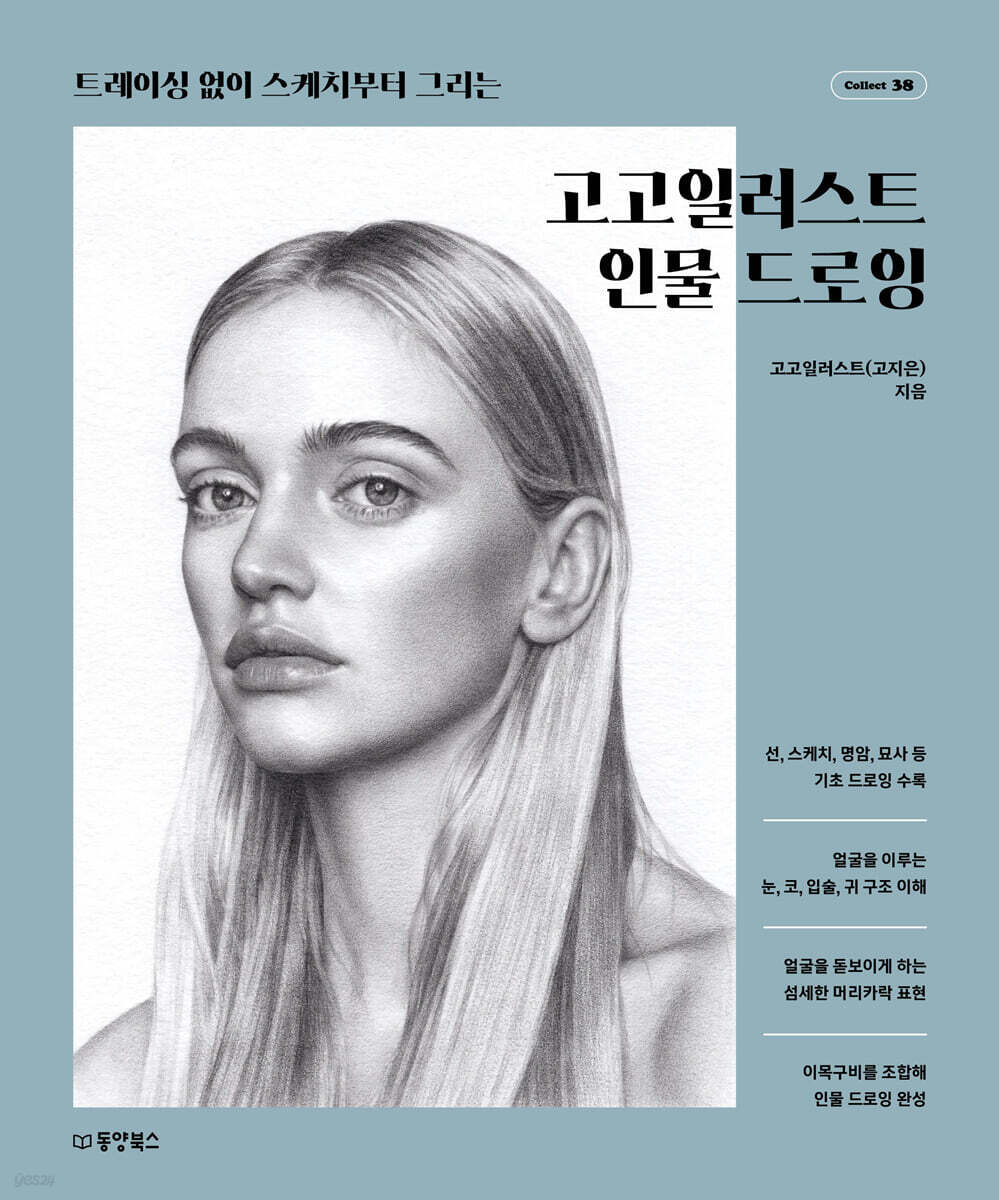
Gogo Illustration Character Drawing
 |
Description
Book Introduction
Gogo Illustration's first book, which has captivated 240,000 followers, has been published!
Includes key theories and know-how for drawing people naturally.
Why are people so difficult to draw? Because even a slight difference in a person's face can change the impression they make, you need to cultivate a keen eye for observation.
To develop your observation skills, it is very important to practice drawing shapes based on photographic references.
『Gogo Illustration Figure Drawing』 guides you through how to draw from a photo, starting with a sketch without tracing.
For beginners who are just starting out in portraiture, we will learn the basics of drawing, including lines, sketches, shading, and description.
Figure drawing is a difficult skill, so it's important to build a solid foundation.
Secondly, we will understand the structure of the eyes, nose, lips, and ears that make up the face and draw them one by one while observing them in detail.
Similar but slightly different facial features come together to form a person's characteristics.
It's a good idea to study this process thoroughly.
Next, I will teach you how to express the subtle details of hair that make your face stand out.
Just as real people look different depending on their hairstyle, in portraits, the mood of a person changes depending on the shape of their hair.
It contains methods for expressing three-dimensional and voluminous hair.
Finally, combine what you have learned to draw a face to complete the portrait.
Includes key theories and know-how for drawing people naturally.
Why are people so difficult to draw? Because even a slight difference in a person's face can change the impression they make, you need to cultivate a keen eye for observation.
To develop your observation skills, it is very important to practice drawing shapes based on photographic references.
『Gogo Illustration Figure Drawing』 guides you through how to draw from a photo, starting with a sketch without tracing.
For beginners who are just starting out in portraiture, we will learn the basics of drawing, including lines, sketches, shading, and description.
Figure drawing is a difficult skill, so it's important to build a solid foundation.
Secondly, we will understand the structure of the eyes, nose, lips, and ears that make up the face and draw them one by one while observing them in detail.
Similar but slightly different facial features come together to form a person's characteristics.
It's a good idea to study this process thoroughly.
Next, I will teach you how to express the subtle details of hair that make your face stand out.
Just as real people look different depending on their hairstyle, in portraits, the mood of a person changes depending on the shape of their hair.
It contains methods for expressing three-dimensional and voluminous hair.
Finally, combine what you have learned to draw a face to complete the portrait.
- You can preview some of the book's contents.
Preview
index
Pologue
Part 1
Laying the foundation
Figure Drawing Supplies
How to hold a pencil
Distance measurement
Line practice
Natural gradation expression
How to even out blotchy tones
Drawing basic shapes
hexahedron
cylinder
nine
Drawing a milk carton
Drawing a glass cup
Drawing an apple
Various application objects
Part 2
The elements that make up a face,
Eyes, nose, lips, ears!
Chapter 1
Understand the structure of the eye and express pupils, eyelashes, and eyebrows.
Names of eyes
Simplified form of the eye
eye socket (eye socket)
double eyelids
eyebrow
eyelashes
The most common mistake when drawing eyes
Drawing front eyes
Drawing a half-side eye
Drawing side eyes
Eyes seen from various directions
Chapter 2
If you know this, drawing a nose isn't difficult.
Name of the nose
Simplified form of the nose
The light and shade of the nose
The most common mistake when drawing noses
Drawing a frontal nose
Drawing a half-side nose
Drawing the side nose
Nose seen from various directions
Chapter 3
Pay attention to the lips when drawing facial expressions
Names of lips
Simplified shape of the lips
Light and shade of lips
The most common mistake when drawing lips
Drawing front lips
Drawing half-side lips
Drawing the side lips
Lips viewed from different angles
Chapter 4
How to draw complex ears?
Name of the ear
Simplified form of the ear
Light and shade of the ear
Drawing the front ear
Drawing a semi-lateral ear
Ears viewed from various directions
Part 3
Natural hair
Make your face stand out
Chapter 1
Hair in clumps
The three-dimensionality of hair
Hair expression
clump of hair
Natural color of hair
Drawing long black hair
Drawing brown wavy hair
Drawing blonde hair
Chapter 2
Drawing different hairstyles
short hair
short hair
braid
Part 4
Combine eyes, nose, mouth, and ears
Let's draw a face
Chapter 1
Drawing faces
Skull shape and names
face shape
Center line and auxiliary line
direction of face
Drawing a frontal face
Drawing a half-profile face
Drawing a side face
Chapter 2
Drawing various faces and expressions
woman's face
man's face
child's face
old man's face
smiling face
sad expression
a humorous expression
angry expression
surprised expression
Part 1
Laying the foundation
Figure Drawing Supplies
How to hold a pencil
Distance measurement
Line practice
Natural gradation expression
How to even out blotchy tones
Drawing basic shapes
hexahedron
cylinder
nine
Drawing a milk carton
Drawing a glass cup
Drawing an apple
Various application objects
Part 2
The elements that make up a face,
Eyes, nose, lips, ears!
Chapter 1
Understand the structure of the eye and express pupils, eyelashes, and eyebrows.
Names of eyes
Simplified form of the eye
eye socket (eye socket)
double eyelids
eyebrow
eyelashes
The most common mistake when drawing eyes
Drawing front eyes
Drawing a half-side eye
Drawing side eyes
Eyes seen from various directions
Chapter 2
If you know this, drawing a nose isn't difficult.
Name of the nose
Simplified form of the nose
The light and shade of the nose
The most common mistake when drawing noses
Drawing a frontal nose
Drawing a half-side nose
Drawing the side nose
Nose seen from various directions
Chapter 3
Pay attention to the lips when drawing facial expressions
Names of lips
Simplified shape of the lips
Light and shade of lips
The most common mistake when drawing lips
Drawing front lips
Drawing half-side lips
Drawing the side lips
Lips viewed from different angles
Chapter 4
How to draw complex ears?
Name of the ear
Simplified form of the ear
Light and shade of the ear
Drawing the front ear
Drawing a semi-lateral ear
Ears viewed from various directions
Part 3
Natural hair
Make your face stand out
Chapter 1
Hair in clumps
The three-dimensionality of hair
Hair expression
clump of hair
Natural color of hair
Drawing long black hair
Drawing brown wavy hair
Drawing blonde hair
Chapter 2
Drawing different hairstyles
short hair
short hair
braid
Part 4
Combine eyes, nose, mouth, and ears
Let's draw a face
Chapter 1
Drawing faces
Skull shape and names
face shape
Center line and auxiliary line
direction of face
Drawing a frontal face
Drawing a half-profile face
Drawing a side face
Chapter 2
Drawing various faces and expressions
woman's face
man's face
child's face
old man's face
smiling face
sad expression
a humorous expression
angry expression
surprised expression
Detailed image

Publisher's Review
There is no easier way to improve your drawing skills than through ‘observation’!
Figure drawing from sketch to completion without tracing
We have a visual acuity for seeing faces because we see our own faces in the mirror every day and the faces of people around us, such as family, friends, and coworkers.
Therefore, when drawing a face, even if the shape is slightly off, it will quickly feel awkward.
Each person has a unique shape of eyes, nose, lips, and ears, and their face is made up of a combination of facial features, making it extremely difficult to draw someone to resemble them.
Because small differences can make you look like a different person.
Therefore, in order to draw a person well, delicate observation skills are emphasized.
Therefore, it is difficult to increase the form by tracing and copying.
Since sketching the form is the most important thing in figure drawing, training to acquire a sense of form is important.
『Gogo Illustration Figure Drawing』 is a practice of drawing shapes by observing them based on various photographic materials.
How can I draw portraits well?
Gogo Illustration will explain everything from start to finish!
To draw a human figure naturally, you need to have a solid foundation in drawing and an accurate understanding of the structural elements that make up the face.
『Gogo Illustration Figure Drawing』 starts with the basic drawing process before drawing a person in earnest.
Only after you learn how to draw various applied shapes based on the cubes, cylinders, and spheres learned in the basic drawing course can you draw faces with complex shapes.
Next, I will look at the picture and draw it the same way.
To draw a face, you need to learn about the eyes, nose, mouth, and hair within it.
Each object plays a very important role in creating a face, so we will guide you through the structure needed to draw it and how to draw it realistically.
And we will learn how to depict hair with a sense of three-dimensionality.
It details what a hair clump is and where to express hair texture and add tone.
Pencil drawings can be modified as many times as you like, so if you have patience and persistence, you will soon be able to achieve great results.
Figure drawing from sketch to completion without tracing
We have a visual acuity for seeing faces because we see our own faces in the mirror every day and the faces of people around us, such as family, friends, and coworkers.
Therefore, when drawing a face, even if the shape is slightly off, it will quickly feel awkward.
Each person has a unique shape of eyes, nose, lips, and ears, and their face is made up of a combination of facial features, making it extremely difficult to draw someone to resemble them.
Because small differences can make you look like a different person.
Therefore, in order to draw a person well, delicate observation skills are emphasized.
Therefore, it is difficult to increase the form by tracing and copying.
Since sketching the form is the most important thing in figure drawing, training to acquire a sense of form is important.
『Gogo Illustration Figure Drawing』 is a practice of drawing shapes by observing them based on various photographic materials.
How can I draw portraits well?
Gogo Illustration will explain everything from start to finish!
To draw a human figure naturally, you need to have a solid foundation in drawing and an accurate understanding of the structural elements that make up the face.
『Gogo Illustration Figure Drawing』 starts with the basic drawing process before drawing a person in earnest.
Only after you learn how to draw various applied shapes based on the cubes, cylinders, and spheres learned in the basic drawing course can you draw faces with complex shapes.
Next, I will look at the picture and draw it the same way.
To draw a face, you need to learn about the eyes, nose, mouth, and hair within it.
Each object plays a very important role in creating a face, so we will guide you through the structure needed to draw it and how to draw it realistically.
And we will learn how to depict hair with a sense of three-dimensionality.
It details what a hair clump is and where to express hair texture and add tone.
Pencil drawings can be modified as many times as you like, so if you have patience and persistence, you will soon be able to achieve great results.
GOODS SPECIFICS
- Date of issue: September 19, 2025
- Page count, weight, size: 228 pages | 594g | 200*240*14mm
- ISBN13: 9791172109387
- ISBN10: 1172109389
You may also like
카테고리
korean


korean

![GQ KOREA Mark (Monthly): December [2025]](http://librairie.coreenne.fr/cdn/shop/files/8ef265dbbfbf186523ed75ba7319009d.jpg?v=1765340328&width=3840)


