

Vocabulary Tour on the Subway
 |
Description
Book Introduction
How many stops did you miss today?
'Vocabulary travel by subway'
We open a new chapter in your repetitive day.
Would you like to take the subway on a journey through an unfamiliar daily life?
The next station is OOO, OOO station.
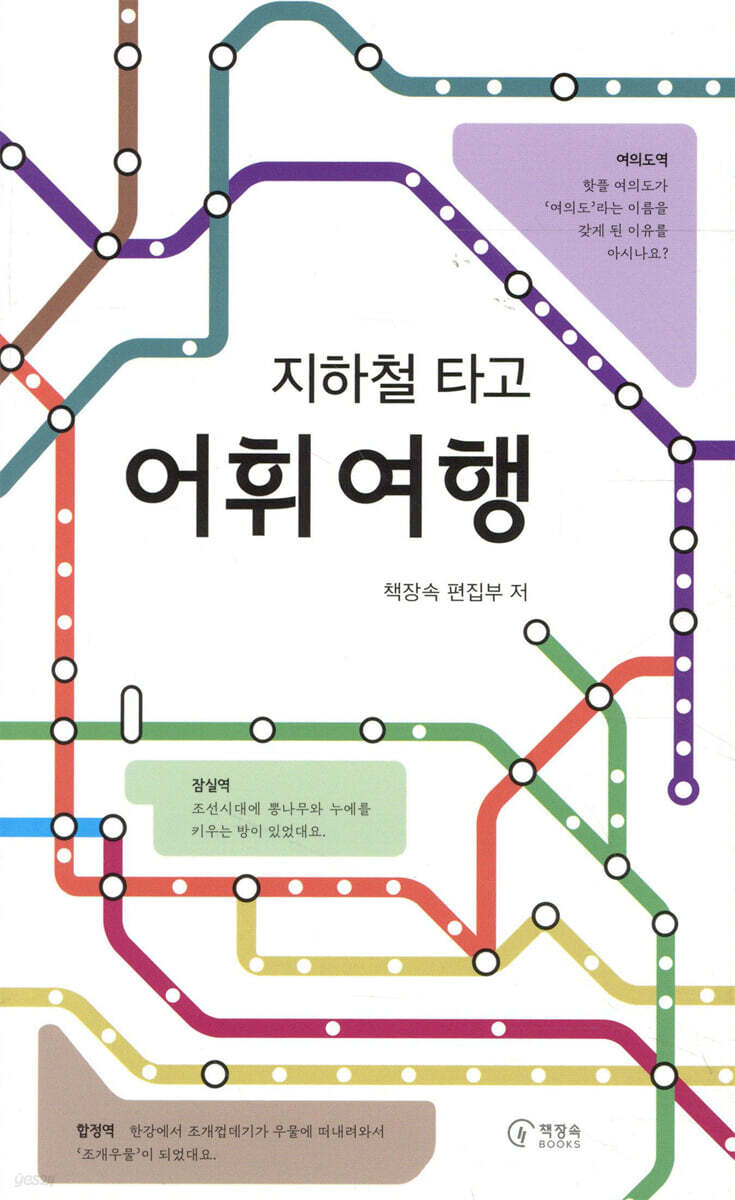
"Vocabulary Journey on the Subway" was written with the intention of answering the question: how did the subway station names, so familiar that we can easily memorize them, come to be?
This book contains the origins of the names of 277 stations on nine subway lines from Line 1 to Line 9 in Seoul.
Since most of the names of Seoul's subway stations are derived from the names of neighborhoods in the area, this book also provides a glimpse into the 2,000-year history of South Korea's capital.
The names of subway stations in the metropolitan area all have their own interesting stories and historical significance.
Some station names have multiple stories handed down, and some station names have multiple interpretations of their origins.
However, as the title of this book, ‘Vocabulary Travel on the Subway’, implies, the focus is on ‘vocabulary.’
In other words, when there are multiple explanations, the one most closely related to the etymology is prioritized and included in the book.
In addition, the meaning of the Chinese characters in the names of the stations has been explained to help readers easily understand the vocabulary, and historical background has been added as needed to help readers build historical knowledge.
The subway is the most familiar public transportation for citizens.
Although so many people use it, not many people actually know the origin of the station name.
One of the reasons may be the lack of integrated and organized data that allows one to understand the origins of subway station names at a glance.
The significance of this book lies in its brief explanation of the names of subway stations in the metropolitan area, in order by line, and its inclusion of related historical background.
It's a book that's small enough to fit in your hand, so it's perfect to take in your bag when riding the subway.
I recommend reading the book along the route.
The time you've wasted on your phone will be transformed into an exciting moment that takes you on a journey through 2,000 years of history.
And I hope this will be a time when I can learn Chinese characters that I had forgotten.
Now, starting today, put this book in your bag and hop on the subway! Then, follow the station names as you pass by and embark on a vocabulary journey.
Office workers commuting to work by subway, college students commuting to school, moms and dads outing with their children, couples on dates, and even seniors who have witnessed the subway's evolution...
I recommend it to everyone.
Take a vocabulary tour by subway!
'Vocabulary travel by subway'
We open a new chapter in your repetitive day.
Would you like to take the subway on a journey through an unfamiliar daily life?
The next station is OOO, OOO station.
"Vocabulary Journey on the Subway" was written with the intention of answering the question: how did the subway station names, so familiar that we can easily memorize them, come to be?
This book contains the origins of the names of 277 stations on nine subway lines from Line 1 to Line 9 in Seoul.
Since most of the names of Seoul's subway stations are derived from the names of neighborhoods in the area, this book also provides a glimpse into the 2,000-year history of South Korea's capital.
The names of subway stations in the metropolitan area all have their own interesting stories and historical significance.
Some station names have multiple stories handed down, and some station names have multiple interpretations of their origins.
However, as the title of this book, ‘Vocabulary Travel on the Subway’, implies, the focus is on ‘vocabulary.’
In other words, when there are multiple explanations, the one most closely related to the etymology is prioritized and included in the book.
In addition, the meaning of the Chinese characters in the names of the stations has been explained to help readers easily understand the vocabulary, and historical background has been added as needed to help readers build historical knowledge.
The subway is the most familiar public transportation for citizens.
Although so many people use it, not many people actually know the origin of the station name.
One of the reasons may be the lack of integrated and organized data that allows one to understand the origins of subway station names at a glance.
The significance of this book lies in its brief explanation of the names of subway stations in the metropolitan area, in order by line, and its inclusion of related historical background.
It's a book that's small enough to fit in your hand, so it's perfect to take in your bag when riding the subway.
I recommend reading the book along the route.
The time you've wasted on your phone will be transformed into an exciting moment that takes you on a journey through 2,000 years of history.
And I hope this will be a time when I can learn Chinese characters that I had forgotten.
Now, starting today, put this book in your bag and hop on the subway! Then, follow the station names as you pass by and embark on a vocabulary journey.
Office workers commuting to work by subway, college students commuting to school, moms and dads outing with their children, couples on dates, and even seniors who have witnessed the subway's evolution...
I recommend it to everyone.
Take a vocabulary tour by subway!
- You can preview some of the book's contents.
Preview
index
Line 1
Uijeongbu│Hoeryong│Mangwolsa│Dobongsan│Banghak│Changdong│Nokcheon│Wolgye│Sinimun│Hoegi│Cheongnyangni│Jegi-dong│Sinseol-dong│Dongmyo-ap│Dongdaemun│Jongno 5-ga│Jonggak│Yongsan│Noryangjin│Singil│Yeongdeungpo│Sindorim│Guro│Oryu-dong│Onsu│Songnae│Yeokgok│Bupyeong│Juan│Jemulpo│Incheon│Doksan│Seoksu│Anyang│Myeonghak│Geumjeong│Gunpo│Suwon│Seryu│Byeongjeom│Pyeongtaek│Dujeong│Cheonan│Onyang Hot Springs
Line 2
Euljiro 1-ga │ Shindang │ Wangsimni │ Ttukseom │ Seongsu │ Guui │ Jamsil │ Samsung │ Seolleung │ Yeoksam │ Seocho │ Bangbae │ Sadang │ Naksungdae │ Bongcheon │ Sillim │ Sindorim │ Mullae │ Yeongdeungpo-gu Office │ Dangsan │ Hapjeong │ Sinchon │ Ahyeon │ Chungjeongno
Line 3
Dialogue│Juyeop│Jeongbalsan│Madu│Baekseok│Hwajeong│Wondang│Samsong│Jichuk│Gupabal│Yeonsinnae│Bulgwang│Nokbeon│Hongje│Muakjae│Independence Gate│Gyeongbokgung│Anguk│Jongno 3-ga│Euljiro 3-ga│Chungmuro│Yaksu│Geumho│Oksu│Apgujeong│Sinsa│Jamwon│Yangjae│Dogok│Daechi│Hakyeoul│Daecheong│Ilwon│Suseo│Garak Market│Ogeum
Line 4
Danggogae│Nowon│Sanggye│Changdong│Ssangmun│Suyu│Mia│Gireum│Hyehwa│Dongdaemun│Chungmuro│Myeongdong│Hoehyeon│Ichon│Dongjak│Sadang│Namtaeryeong│Seonbawi│Gwacheon│Indeokwon│Pyeongchon│Beomgye│Geumjeong│Daeyami│Sangnoksu│Gojan│Oido
Line 5
Banghwa│Gaehwasan│Songjeong│Magok│Balsan│Ujangsan│Hwagok│Kkachisan│Mokdong│Omokgyo│Yangpyeong│Yeongdeungpo-gu Office│Singil│Yeouido│Mapo│Gongdeok│Aeogae│Chungjeongno│Seodaemun│Gwanghwamun│Jongno 3-ga│Euljiro 4-ga│Cheonggu│Singeumho│Wangsimni│Haengdang│Majang│Dapsimni│Janghanpyeong│Gunja│Achasan│Gwangnaru│Cheonho│Dunchon-dong│Bangi│Ogeum│Gaerong│Geoyeo│Macheon│Gildong│Gupeundari│Myeongil│Godeok│Sangil-dong│Gangil│Misa│Hanam Geomdansan
Line 6
Eungam│Yeokchon│Bulgwang│Dokbawi│Yeonsinnae│Gusan│Saejeol│Jeungsan│Mapo-gu Office│Mangwon│Hapjeong│Sangsu│Gwangheungchang│Gongdeok│In front of Hyochang Park│Noksapyeong│Itaewon│Hangangjin│Beotigogae│Yaksu│Cheonggu│Sindang│In front of Dongmyo│Changsin│Bomun│Anam│Wolgok│Dolgoji│Taereung Entrance│Hwarangdae│Bonghwasan
Line 7
Dobongsan Mountain│Suraksan Mountain│Madul│Nowon│Junggye│Hagye│Gongneung│Taereung Entrance│Meokgol│Junghwa│Sangbong│Myeonmok│Sagajeong│Yongmasan Mountain│Junggok│Gunja│Cheongdam│Hakdong│Nonhyeon│Banpo│Namseong│Sangdo│Jangseungbaegi│Boramae│Cheolsan│Gwangmyeong Intersection│Onsu│Kkachiul│Gulpocheon│Bupyeong-gu Office
Line 8
Byeolnae│Dasan│Donggureung│Guri│Amsa│Cheonho│Mongchon Toseong│Jamsil│Seokchon│Songpa│Garak Market│Munjeong│Jangji│Bokjeong│Namwirye│Namhansanseong Entrance│Sujin
Line 9
Hanseong Baekje│Seokchon│Seokchon Tomb│Samjeon│Bongeunsa Temple│Seonjeongneung Royal Tomb│Sinbanpo│Dongjak│Heukseok│Nodeul│Noryangjin│Saetgang│Yeouido│Dangsan│Seonyudo│Yeomchang│Deungchon│Jeungmi│Yangcheon Hyanggyo│Magoknaru│Gaehwa
Uijeongbu│Hoeryong│Mangwolsa│Dobongsan│Banghak│Changdong│Nokcheon│Wolgye│Sinimun│Hoegi│Cheongnyangni│Jegi-dong│Sinseol-dong│Dongmyo-ap│Dongdaemun│Jongno 5-ga│Jonggak│Yongsan│Noryangjin│Singil│Yeongdeungpo│Sindorim│Guro│Oryu-dong│Onsu│Songnae│Yeokgok│Bupyeong│Juan│Jemulpo│Incheon│Doksan│Seoksu│Anyang│Myeonghak│Geumjeong│Gunpo│Suwon│Seryu│Byeongjeom│Pyeongtaek│Dujeong│Cheonan│Onyang Hot Springs
Line 2
Euljiro 1-ga │ Shindang │ Wangsimni │ Ttukseom │ Seongsu │ Guui │ Jamsil │ Samsung │ Seolleung │ Yeoksam │ Seocho │ Bangbae │ Sadang │ Naksungdae │ Bongcheon │ Sillim │ Sindorim │ Mullae │ Yeongdeungpo-gu Office │ Dangsan │ Hapjeong │ Sinchon │ Ahyeon │ Chungjeongno
Line 3
Dialogue│Juyeop│Jeongbalsan│Madu│Baekseok│Hwajeong│Wondang│Samsong│Jichuk│Gupabal│Yeonsinnae│Bulgwang│Nokbeon│Hongje│Muakjae│Independence Gate│Gyeongbokgung│Anguk│Jongno 3-ga│Euljiro 3-ga│Chungmuro│Yaksu│Geumho│Oksu│Apgujeong│Sinsa│Jamwon│Yangjae│Dogok│Daechi│Hakyeoul│Daecheong│Ilwon│Suseo│Garak Market│Ogeum
Line 4
Danggogae│Nowon│Sanggye│Changdong│Ssangmun│Suyu│Mia│Gireum│Hyehwa│Dongdaemun│Chungmuro│Myeongdong│Hoehyeon│Ichon│Dongjak│Sadang│Namtaeryeong│Seonbawi│Gwacheon│Indeokwon│Pyeongchon│Beomgye│Geumjeong│Daeyami│Sangnoksu│Gojan│Oido
Line 5
Banghwa│Gaehwasan│Songjeong│Magok│Balsan│Ujangsan│Hwagok│Kkachisan│Mokdong│Omokgyo│Yangpyeong│Yeongdeungpo-gu Office│Singil│Yeouido│Mapo│Gongdeok│Aeogae│Chungjeongno│Seodaemun│Gwanghwamun│Jongno 3-ga│Euljiro 4-ga│Cheonggu│Singeumho│Wangsimni│Haengdang│Majang│Dapsimni│Janghanpyeong│Gunja│Achasan│Gwangnaru│Cheonho│Dunchon-dong│Bangi│Ogeum│Gaerong│Geoyeo│Macheon│Gildong│Gupeundari│Myeongil│Godeok│Sangil-dong│Gangil│Misa│Hanam Geomdansan
Line 6
Eungam│Yeokchon│Bulgwang│Dokbawi│Yeonsinnae│Gusan│Saejeol│Jeungsan│Mapo-gu Office│Mangwon│Hapjeong│Sangsu│Gwangheungchang│Gongdeok│In front of Hyochang Park│Noksapyeong│Itaewon│Hangangjin│Beotigogae│Yaksu│Cheonggu│Sindang│In front of Dongmyo│Changsin│Bomun│Anam│Wolgok│Dolgoji│Taereung Entrance│Hwarangdae│Bonghwasan
Line 7
Dobongsan Mountain│Suraksan Mountain│Madul│Nowon│Junggye│Hagye│Gongneung│Taereung Entrance│Meokgol│Junghwa│Sangbong│Myeonmok│Sagajeong│Yongmasan Mountain│Junggok│Gunja│Cheongdam│Hakdong│Nonhyeon│Banpo│Namseong│Sangdo│Jangseungbaegi│Boramae│Cheolsan│Gwangmyeong Intersection│Onsu│Kkachiul│Gulpocheon│Bupyeong-gu Office
Line 8
Byeolnae│Dasan│Donggureung│Guri│Amsa│Cheonho│Mongchon Toseong│Jamsil│Seokchon│Songpa│Garak Market│Munjeong│Jangji│Bokjeong│Namwirye│Namhansanseong Entrance│Sujin
Line 9
Hanseong Baekje│Seokchon│Seokchon Tomb│Samjeon│Bongeunsa Temple│Seonjeongneung Royal Tomb│Sinbanpo│Dongjak│Heukseok│Nodeul│Noryangjin│Saetgang│Yeouido│Dangsan│Seonyudo│Yeomchang│Deungchon│Jeungmi│Yangcheon Hyanggyo│Magoknaru│Gaehwa
Detailed image

Into the book
▶It was called 'Cheongnyangni' because it was a cool place with lush trees, a clear spring, and a cool breeze.
It is said that during the Joseon Dynasty, a procession of people going on vacation passed through here.
There is also a theory that the name was derived from the temple called 'Cheongnyangsa' located here.
--- p.17, from “Line 1_Cheongnyangni”
▶According to records, the first place name in the Suwon area was 'Mosu-guk', a small country of Mahan during the Three Kingdoms period (Mahan, Jinhan, Byeonhan).
Mosu means water, and has the same meaning as the current place name Suwon.
Afterwards, during the Three Kingdoms period, it was called 'Maehol', which means a town with a lot of water, and it is presumed to be a pronunciation of 'water town'.
Afterwards, it was called 'Suwon' as it is now, through 'Susung' and 'Suju', and it was from the Goryeo Dynasty (1271).
Mercury, Suju, and Suwon all mean places with a lot of water.
--- p.39, from “Line 1_Suwon”
▶The word ‘Sindang’ originated from ‘Sindang’, which means a house where a shaman worships a god.
Outside Gwanghuimun, which was the gate through which the dead were sent out during the Joseon Dynasty, shamans gathered to pray for the repose of the souls of the dead, and shrines were built.
At that time, this place was called Shindang (神堂), and during the Gabo Reform, it was changed to Shindang (新堂), which has the same pronunciation but means 'new house'.
--- p.49, from “Line 2_Shindang”
▶Seocho is a word derived from ‘Seoripul’, and it is said that because there were many ‘Seoripul’ plants in this area, it was called ‘Seoripul-i’ or ‘Sangcho-ri (箱草里)’.
Here, based on the old records that rice was offered to the king, 'Seocho' means auspicious grass, i.e. rice.
Another theory is that the name "Seoritbeol" means "a plain where water flows with frost" because the water in the valleys of Umyeon Mountain flows here and there.
It is said that this changed to 'Seoripul' and then became 'Seocho'.
--- p.58, from “Line 2_Seocho”
▶Nokbeon is a place name derived from Nokbeonhyeon (碌磻峴: Nokbeon Pass).
It is said that during the Joseon Dynasty, honest officials would leave a portion of the allowance they received from the government at this pass for the poor people during holidays like Lunar New Year and Chuseok.
The managers abandoned the rust and called this pass 'the pass that abandoned the rust', or 'Nokbeoni Pass'.
Another theory is that the area was called 'Nokbeon' because there was a lot of green mineral called sangol (山骨) in the area.
--- p.81, from “Line 3_Green Number”
▶It originated from ‘Apgujeong’, the pavilion of Han Myeong-hoe, who held a high position from the time of King Sejo of Joseon to the time of King Seongjong.
'Apgu (狎鷗)' is also Han Myeong-hoe's pen name.
Although it means a quiet life of letting go of worldly desires, as it means living with seagulls as companions, it is far from the real life of Han Myeong-hoe, a powerful official who wielded power and enjoyed wealth and honor.
--- p.92, from “Line 3_Apgujeong”
▶There is a story that the name ‘Ssangmun’ came from the fact that there was a security post called Imun (里門) at the intersection of the double-crossed road, which was called ‘Ssanggalmunui’ (singular pattern).
Another theory is about the Hyojamun Gate and the Chaste Woman Gate. It is said that two Hyojamun Gates were built to commemorate filial sons and two Chaste Woman Gates were built to commemorate filial sons.
--- p.113, from “Line 4_Double Door”
▶This name originated from the fact that ‘many wise and virtuous people lived together in this area.’
This place was also called Seonbigol (Seonbigol) because it produced many prime ministers, including Jeong Gwang-pil, who served as Prime Minister during the Joseon Dynasty.
--- p.115, from “Line 4_Hoehyeon”
▶When there was a drought, a rain-making ceremony was held three times on this mountain. On the third day of the ceremony, it rained heavily, so people prepared raincoats, or ujang (rain gear), in advance and went up.
--- p.132, from “Line 5_Woojangsan”
▶There is a legend that a long time ago, a king and queen were on a journey and stopped by this area for a while at night, and that night the queen suddenly gave birth to a son.
It is derived from the fact that this area was called Gunja, meaning the birthplace of the king's son.
--- p.151, from “Line 5_Gentleman”
▶The origin of the name Mangwon can be found in Mangwonjeong (望遠亭).
Mangwonjeong was the villa of Prince Hyoryeong, the older brother of King Sejong.
As its name suggests, ‘a pavilion with a far-off view,’ it is said that many scholars of the Joseon Dynasty enjoyed visiting this place because they could enjoy the view of the Han River.
--- p.174, from “Line 6_Mangwon”
▶This is the Korean spelling of the place name Mukdong (墨洞), which was created because ink (墨: ink) was made in this area during the Joseon Dynasty.
It is said that the quality of the ink made from pine charcoal from nearby Bonghwasan Mountain was so excellent that it was offered to the palace.
Another theory is that the name of the village was chosen because it was believed that if one of the four treasures of the study was used as a place name for food, the village's academic achievements would improve.
--- p.203 From "Line 7_Meokgol"
▶'Munjeong' is related to the story of King Injo taking refuge in Namhansanseong during the Second Manchu Invasion of Korea.
There is a story that the water here tasted good when people drank it during the evacuation, and it became known as 'Munjeong', meaning 'well of the Moon clan village'.
It is said that many people with the surname Moon lived in this village.
--- p.232, from “Line 8_Munjeong”
▶The name comes from 'Seonyubong', a small island peak that was about 50m above sea level in the past.
The place name ‘Seonyubong’ is recorded in the ‘Daedongyeojido’.
Seonyubong Peak, as its name suggests, boasted a beautiful appearance that made it seem like a place where immortals would play.
Because of this, scholars and envoys from China frequently visited.
Additionally, the stones of Seonyu Peak were good enough to be used as whetstones, so they were also called ‘Jiju Peak.’
It is said that during the Joseon Dynasty, a procession of people going on vacation passed through here.
There is also a theory that the name was derived from the temple called 'Cheongnyangsa' located here.
--- p.17, from “Line 1_Cheongnyangni”
▶According to records, the first place name in the Suwon area was 'Mosu-guk', a small country of Mahan during the Three Kingdoms period (Mahan, Jinhan, Byeonhan).
Mosu means water, and has the same meaning as the current place name Suwon.
Afterwards, during the Three Kingdoms period, it was called 'Maehol', which means a town with a lot of water, and it is presumed to be a pronunciation of 'water town'.
Afterwards, it was called 'Suwon' as it is now, through 'Susung' and 'Suju', and it was from the Goryeo Dynasty (1271).
Mercury, Suju, and Suwon all mean places with a lot of water.
--- p.39, from “Line 1_Suwon”
▶The word ‘Sindang’ originated from ‘Sindang’, which means a house where a shaman worships a god.
Outside Gwanghuimun, which was the gate through which the dead were sent out during the Joseon Dynasty, shamans gathered to pray for the repose of the souls of the dead, and shrines were built.
At that time, this place was called Shindang (神堂), and during the Gabo Reform, it was changed to Shindang (新堂), which has the same pronunciation but means 'new house'.
--- p.49, from “Line 2_Shindang”
▶Seocho is a word derived from ‘Seoripul’, and it is said that because there were many ‘Seoripul’ plants in this area, it was called ‘Seoripul-i’ or ‘Sangcho-ri (箱草里)’.
Here, based on the old records that rice was offered to the king, 'Seocho' means auspicious grass, i.e. rice.
Another theory is that the name "Seoritbeol" means "a plain where water flows with frost" because the water in the valleys of Umyeon Mountain flows here and there.
It is said that this changed to 'Seoripul' and then became 'Seocho'.
--- p.58, from “Line 2_Seocho”
▶Nokbeon is a place name derived from Nokbeonhyeon (碌磻峴: Nokbeon Pass).
It is said that during the Joseon Dynasty, honest officials would leave a portion of the allowance they received from the government at this pass for the poor people during holidays like Lunar New Year and Chuseok.
The managers abandoned the rust and called this pass 'the pass that abandoned the rust', or 'Nokbeoni Pass'.
Another theory is that the area was called 'Nokbeon' because there was a lot of green mineral called sangol (山骨) in the area.
--- p.81, from “Line 3_Green Number”
▶It originated from ‘Apgujeong’, the pavilion of Han Myeong-hoe, who held a high position from the time of King Sejo of Joseon to the time of King Seongjong.
'Apgu (狎鷗)' is also Han Myeong-hoe's pen name.
Although it means a quiet life of letting go of worldly desires, as it means living with seagulls as companions, it is far from the real life of Han Myeong-hoe, a powerful official who wielded power and enjoyed wealth and honor.
--- p.92, from “Line 3_Apgujeong”
▶There is a story that the name ‘Ssangmun’ came from the fact that there was a security post called Imun (里門) at the intersection of the double-crossed road, which was called ‘Ssanggalmunui’ (singular pattern).
Another theory is about the Hyojamun Gate and the Chaste Woman Gate. It is said that two Hyojamun Gates were built to commemorate filial sons and two Chaste Woman Gates were built to commemorate filial sons.
--- p.113, from “Line 4_Double Door”
▶This name originated from the fact that ‘many wise and virtuous people lived together in this area.’
This place was also called Seonbigol (Seonbigol) because it produced many prime ministers, including Jeong Gwang-pil, who served as Prime Minister during the Joseon Dynasty.
--- p.115, from “Line 4_Hoehyeon”
▶When there was a drought, a rain-making ceremony was held three times on this mountain. On the third day of the ceremony, it rained heavily, so people prepared raincoats, or ujang (rain gear), in advance and went up.
--- p.132, from “Line 5_Woojangsan”
▶There is a legend that a long time ago, a king and queen were on a journey and stopped by this area for a while at night, and that night the queen suddenly gave birth to a son.
It is derived from the fact that this area was called Gunja, meaning the birthplace of the king's son.
--- p.151, from “Line 5_Gentleman”
▶The origin of the name Mangwon can be found in Mangwonjeong (望遠亭).
Mangwonjeong was the villa of Prince Hyoryeong, the older brother of King Sejong.
As its name suggests, ‘a pavilion with a far-off view,’ it is said that many scholars of the Joseon Dynasty enjoyed visiting this place because they could enjoy the view of the Han River.
--- p.174, from “Line 6_Mangwon”
▶This is the Korean spelling of the place name Mukdong (墨洞), which was created because ink (墨: ink) was made in this area during the Joseon Dynasty.
It is said that the quality of the ink made from pine charcoal from nearby Bonghwasan Mountain was so excellent that it was offered to the palace.
Another theory is that the name of the village was chosen because it was believed that if one of the four treasures of the study was used as a place name for food, the village's academic achievements would improve.
--- p.203 From "Line 7_Meokgol"
▶'Munjeong' is related to the story of King Injo taking refuge in Namhansanseong during the Second Manchu Invasion of Korea.
There is a story that the water here tasted good when people drank it during the evacuation, and it became known as 'Munjeong', meaning 'well of the Moon clan village'.
It is said that many people with the surname Moon lived in this village.
--- p.232, from “Line 8_Munjeong”
▶The name comes from 'Seonyubong', a small island peak that was about 50m above sea level in the past.
The place name ‘Seonyubong’ is recorded in the ‘Daedongyeojido’.
Seonyubong Peak, as its name suggests, boasted a beautiful appearance that made it seem like a place where immortals would play.
Because of this, scholars and envoys from China frequently visited.
Additionally, the stones of Seonyu Peak were good enough to be used as whetstones, so they were also called ‘Jiju Peak.’
--- p.249, from “Line 9_Seonyudo”
GOODS SPECIFICS
- Date of issue: November 15, 2024
- Page count, weight, size: 290 pages | 256g | 113*188*15mm
- ISBN13: 9791198721433
- ISBN10: 119872143X
You may also like
카테고리
korean


korean

![GQ KOREA Mark (Monthly): December [2025]](http://librairie.coreenne.fr/cdn/shop/files/8ef265dbbfbf186523ed75ba7319009d.jpg?v=1765340328&width=3840)


