![[Yesuricover] Joseon Art Museum](http://librairie.coreenne.fr/cdn/shop/files/351a9a52d75b4dc68c3421ec7d47d437.jpg?v=1765445914&width=3840)

[Yesuricover] Joseon Art Museum
 |
Description
Book Introduction
- A word from MD
-
The more you know about Joseon Dynasty art, the more interesting it becomes.If you're curious about how our ancestors lived during the Joseon Dynasty, a time when photography didn't exist, the answer can be found in ancient art.
From paintings from the late Joseon Dynasty, 17th and 18th centuries, to works by seven genius painters, including Kim Hong-do and Jeong Seon, as well as court records.
An authentic introduction to Joseon art that makes old paintings, which were once considered difficult, fun to understand.
March 7, 2023. Art PD Kim Yu-ri
* An instant bestseller in the Arts & History category *
A special exhibition that gently crosses the palace walls!
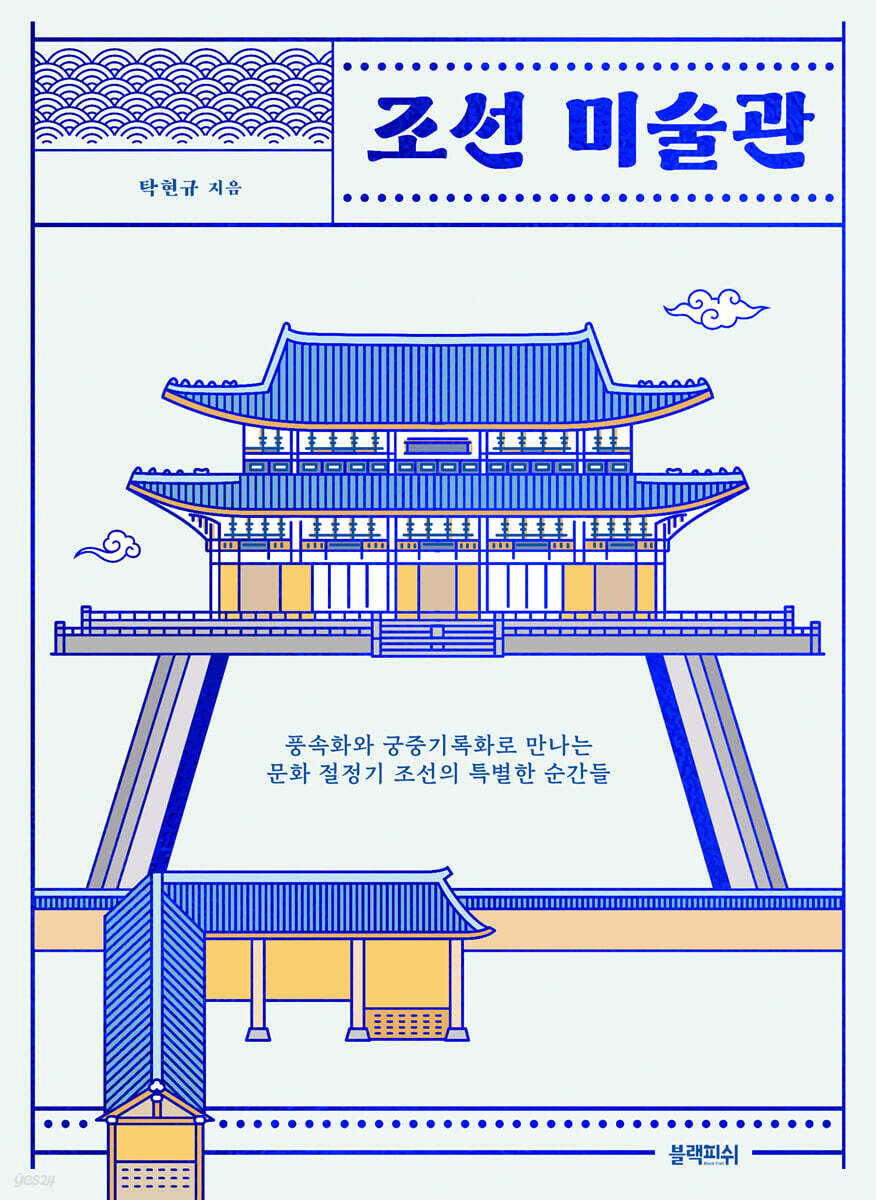
The limited edition "Blue Dragon Edition" of the Joseon Art Museum has been published.
An unprecedented collection of genre paintings and court records from Joseon, the cultural peak of the Joseon Dynasty, has been published in a single volume! Since its publication in 2023, the Joseon Art Museum has been a beloved resource for art and history readers. To celebrate its first anniversary, the publication presents a special "Blue Dragon Edition."
This limited edition cover, inspired by the blue dragon symbolizing the year of Gapjin, has been designed with a blue glossy finish to add a sparkling beauty, and is bound with the PUR method, which enhances openability and durability, to maximize its collection value.
Readers who wish to enjoy the refreshing picture that spreads out before their eyes are advised to hurry and acquire it before it is too late.
Author Tak Hyeon-gyu is a top commentator on ancient art who evokes admiration from audiences at every lecture. He has selected and included in this book approximately 50 paintings that perfectly capture the characteristics of the late Joseon Dynasty, a time of peace and prosperity.
From genre paintings depicting the colorful daily lives of the common people to historical paintings depicting the auspicious events of the royal family and the upper class, let's enter the Joseon Art Museum, where you can appreciate beautiful old paintings while also encountering vivid history.
A special exhibition that gently crosses the palace walls!
The limited edition "Blue Dragon Edition" of the Joseon Art Museum has been published.
An unprecedented collection of genre paintings and court records from Joseon, the cultural peak of the Joseon Dynasty, has been published in a single volume! Since its publication in 2023, the Joseon Art Museum has been a beloved resource for art and history readers. To celebrate its first anniversary, the publication presents a special "Blue Dragon Edition."
This limited edition cover, inspired by the blue dragon symbolizing the year of Gapjin, has been designed with a blue glossy finish to add a sparkling beauty, and is bound with the PUR method, which enhances openability and durability, to maximize its collection value.
Readers who wish to enjoy the refreshing picture that spreads out before their eyes are advised to hurry and acquire it before it is too late.
Author Tak Hyeon-gyu is a top commentator on ancient art who evokes admiration from audiences at every lecture. He has selected and included in this book approximately 50 paintings that perfectly capture the characteristics of the late Joseon Dynasty, a time of peace and prosperity.
From genre paintings depicting the colorful daily lives of the common people to historical paintings depicting the auspicious events of the royal family and the upper class, let's enter the Joseon Art Museum, where you can appreciate beautiful old paintings while also encountering vivid history.
- You can preview some of the book's contents.
Preview
index
Introduction
Hall 1.
Private days outside the palace
Exhibition Room 1.
Joseon aristocrats who were known for their elegance
Scholars addicted to play_ 〈Hyeonido賢已圖〉, Jo Yeong-seok
The elegance of a scholar without a government post_ 〈The elegance of cloth clothing〉, Kim Hong-do
The ultimate pastime for Joseon scholars, falconry_ 〈Nobleman's Hawk Hunting〉, Kim Hong-do
Taking off the turban at the temple gate_〈Temple Gate Removal〉, Jeongseon
Listening to the song of the cuckoo on horseback_ 〈Listening to the song of the cuckoo on horseback〉, Kim Hong-do
Enjoying a secret game of throwing money_ 〈Secret Game of Throwing Money〉, Kim Deuk-sin
Playing tug-of-war under the bushes_ 〈Imha Tuho〉, Shin Yun-bok
In the hot summer, feeling cool and intoxicated by excitement_ 〈Cool and Exciting〉, Shin Yun-bok
Nothing Happened in the Gisaeng House_ 〈Gisaeng House No Matter〉, Shin Yun-bok
Waiting for alcohol at a gisaeng house_ 〈Waiting for alcohol at the Hongrudaeju〉, Shin Yun-bok
Exhibition Room 2.
Joseon women under patriarchy
A loving mother raises her child_ 〈Mother and Child Care〉, Shin Han-pyeong
A woman doing laundry is scolded_ 〈Pyo Mo Bong-yok, Humiliation of Mother〉, Shin Yun-bok
A Widow Enjoys the Spring Sun_ 〈Woman Exploring Spring?〉, Shin Yun-bok
Visiting a temple while listening to the sound of a bell_ 〈Munjongsimsa聞鐘尋寺〉, Shin Yun-bok
Exhibition Room 3.
Common people who are faithful to their daily lives
The Fisherman and the Woodcutter Ask and Answer_〈Questions and Answers on Fishing and Wood〉, Jeong Seon
Intoxicated by the moonlight on a night boat_ 〈Night Boat Intoxicated by the Moon〉, Kim Hee-gyeom
Riding an ox and carrying a load of firewood_〈Giubusin Riding an ox and carrying firewood〉, Kim Hong-do
Meeting each other in the middle of the road_〈Road Meeting〉, Shin Yun-bok
A nun welcomes a gisaeng_〈Niseungyeonggi (尼僧迎妓)〉, Shin Yun-bok
A monk begging on the street and passing gisaengs_ 〈Begging on the Street〉, Shin Yun-bok
2nd floor.
A grand banquet held at the palace
Exhibition Room 1.
King Sukjong enters the Giroso (Gihae Gisa Cheop)
The gods of the gods march to the shrine with the royal tablet_ 〈Painting of the royal tablet offering〉
Gathering in the courtyard of Sungjeongjeon Hall in Gyeongdeokgung Palace to offer congratulations to the king_ 〈Sungjeongjeon Jinhajeondo (崇政殿進賀箋圖)〉
The king holds a banquet for the gods at Gyeonghyeondang_ 〈Gyeonghyeondang Seokyeondo〉
The gods return to the temple holding cups of wine_ 〈Bongbaeguisado (奉盃歸社圖)〉
The Giroshins hold another feast at Giroso_ 〈Gisa Sa Yeon Do (Private Banquet of the Elderly Society)〉
Among the half-length portraits of the gods in the painting album
Exhibition Room 2.
King Yeongjo enters the Giroso (Gisa Gyeonghoecheop)
Enshrining the royal tablet in the Yeongsu Pavilion_ 〈Yeongsu Pavilion Family Visitation Map〉
Receiving congratulatory letters from the gods at Sungjeongjeon Hall_ 〈Sungjeongjeon Jinhajeondo (崇政殿進賀箋圖)〉
Serving wine to the gods at Gyeonghyeondang_ 〈Gyeonghyeondang Seon-do (景賢堂宣?圖)〉
The gods return to the temple with music and food_ 〈Sae-ak-seon-gwi-sado (賜樂膳歸社圖)〉
The king bestows a banquet on the royal residence_ 〈Bonsosayeondo (Feast of the Royal Residence)〉
Among the half-length portraits of the gods in the painting album
Exhibition Room 3.
There was a feast outside the palace too.
Jeong Seon, Gyeomjae, drawing a Hanyang senior citizen's banquet_ 〈Bukwon Girohoedo〉
Danwon Kim Hong-do, painting the Kaesong Senior Citizens' Feast_ 〈Giro Se-ryeon Gye-do〉
The text that appears
List of illustrations
Hall 1.
Private days outside the palace
Exhibition Room 1.
Joseon aristocrats who were known for their elegance
Scholars addicted to play_ 〈Hyeonido賢已圖〉, Jo Yeong-seok
The elegance of a scholar without a government post_ 〈The elegance of cloth clothing〉, Kim Hong-do
The ultimate pastime for Joseon scholars, falconry_ 〈Nobleman's Hawk Hunting〉, Kim Hong-do
Taking off the turban at the temple gate_〈Temple Gate Removal〉, Jeongseon
Listening to the song of the cuckoo on horseback_ 〈Listening to the song of the cuckoo on horseback〉, Kim Hong-do
Enjoying a secret game of throwing money_ 〈Secret Game of Throwing Money〉, Kim Deuk-sin
Playing tug-of-war under the bushes_ 〈Imha Tuho〉, Shin Yun-bok
In the hot summer, feeling cool and intoxicated by excitement_ 〈Cool and Exciting〉, Shin Yun-bok
Nothing Happened in the Gisaeng House_ 〈Gisaeng House No Matter〉, Shin Yun-bok
Waiting for alcohol at a gisaeng house_ 〈Waiting for alcohol at the Hongrudaeju〉, Shin Yun-bok
Exhibition Room 2.
Joseon women under patriarchy
A loving mother raises her child_ 〈Mother and Child Care〉, Shin Han-pyeong
A woman doing laundry is scolded_ 〈Pyo Mo Bong-yok, Humiliation of Mother〉, Shin Yun-bok
A Widow Enjoys the Spring Sun_ 〈Woman Exploring Spring?〉, Shin Yun-bok
Visiting a temple while listening to the sound of a bell_ 〈Munjongsimsa聞鐘尋寺〉, Shin Yun-bok
Exhibition Room 3.
Common people who are faithful to their daily lives
The Fisherman and the Woodcutter Ask and Answer_〈Questions and Answers on Fishing and Wood〉, Jeong Seon
Intoxicated by the moonlight on a night boat_ 〈Night Boat Intoxicated by the Moon〉, Kim Hee-gyeom
Riding an ox and carrying a load of firewood_〈Giubusin Riding an ox and carrying firewood〉, Kim Hong-do
Meeting each other in the middle of the road_〈Road Meeting〉, Shin Yun-bok
A nun welcomes a gisaeng_〈Niseungyeonggi (尼僧迎妓)〉, Shin Yun-bok
A monk begging on the street and passing gisaengs_ 〈Begging on the Street〉, Shin Yun-bok
2nd floor.
A grand banquet held at the palace
Exhibition Room 1.
King Sukjong enters the Giroso (Gihae Gisa Cheop)
The gods of the gods march to the shrine with the royal tablet_ 〈Painting of the royal tablet offering〉
Gathering in the courtyard of Sungjeongjeon Hall in Gyeongdeokgung Palace to offer congratulations to the king_ 〈Sungjeongjeon Jinhajeondo (崇政殿進賀箋圖)〉
The king holds a banquet for the gods at Gyeonghyeondang_ 〈Gyeonghyeondang Seokyeondo〉
The gods return to the temple holding cups of wine_ 〈Bongbaeguisado (奉盃歸社圖)〉
The Giroshins hold another feast at Giroso_ 〈Gisa Sa Yeon Do (Private Banquet of the Elderly Society)〉
Among the half-length portraits of the gods in the painting album
Exhibition Room 2.
King Yeongjo enters the Giroso (Gisa Gyeonghoecheop)
Enshrining the royal tablet in the Yeongsu Pavilion_ 〈Yeongsu Pavilion Family Visitation Map〉
Receiving congratulatory letters from the gods at Sungjeongjeon Hall_ 〈Sungjeongjeon Jinhajeondo (崇政殿進賀箋圖)〉
Serving wine to the gods at Gyeonghyeondang_ 〈Gyeonghyeondang Seon-do (景賢堂宣?圖)〉
The gods return to the temple with music and food_ 〈Sae-ak-seon-gwi-sado (賜樂膳歸社圖)〉
The king bestows a banquet on the royal residence_ 〈Bonsosayeondo (Feast of the Royal Residence)〉
Among the half-length portraits of the gods in the painting album
Exhibition Room 3.
There was a feast outside the palace too.
Jeong Seon, Gyeomjae, drawing a Hanyang senior citizen's banquet_ 〈Bukwon Girohoedo〉
Danwon Kim Hong-do, painting the Kaesong Senior Citizens' Feast_ 〈Giro Se-ryeon Gye-do〉
The text that appears
List of illustrations
Detailed image

Into the book
“If genre painting is private life, then documentary painting is public life; if genre painting is drama, then documentary painting is documentary.
Therefore, the Joseon Art Museum planned the exhibition by dividing it into Hall 1, which contains private life outside the palace, and Hall 2, which contains records of public events inside the palace.
Let us delve into the lives of people at the peak of Joseon Dynasty culture, as portrayed by painters with exceptional observation and descriptive skills.”
---From the "Introductory Note"
“The Battle of Milhee” is the only painting in Kim Deuk-sin’s genre painting album where the action takes place indoors.
As expected, most Koreans enjoyed playing outdoors, and this type of gambling was done indoors, away from prying eyes.
The inside of the room had only a window frame and the outside was blocked off, creating a secret scene where people were careful not to peek through the window.
The four gamblers gathered in the room that day were all wearing tanggeon, a hat that was comfortable to wear at home, which gave the impression of being the uniform of a gambling game.
They wore the same hat, but two of them wore jade-colored robes, one wore a white robe, and the last one wore a white robe with a jade-colored overcoat.
The moment the bespectacled man puts down a card, a deep tension fills the room.
The person on the far left is choosing a card to see if it is his turn next.
The person to the right of the person choosing the cards placed his right hand on his knee, and the person on the far right hid the cards with both hands.
All four of them have different gestures, which is the artist's directing ability.
Although they sat in the same seat, each of them showed their different thoughts through different gestures.
A situation where everyone has to win the other person's money at the gambling table.
This scene shows that gambling is a zero-sum game, not a collaborative one.
---「Enjoying a secret fight_ 〈Secret Fight〉(Kim Deuk-shin)」
It is the middle of spring, when the cherry blossom trees, with their branches drooping from the outside to the inside of the fence, are in full bloom and the hearts of all women are stirred.
One fine day, a widow who could not go out sat on a pine tree trunk with her servant, enjoying the spring sunshine and lamenting her fate. Then, a dog came in through a hole in the fence and started mating with the dog she was raising, and the cherry blossoms were pushed out of the widow's sight.
This is the incident that ignited the widow's passion. Look at the widow's half-resolved and gloomy eyes.
Although scholars and courtesans appear several times in Shin Yun-bok's paintings, it was always the scholars who appeared in a stern manner, but in this scene, that rule was broken.
Moreover, perhaps the artist chose a noble widow, rather than a commoner, as the protagonist to reveal the "true emotions" of these women, who, having made a noblewoman feel so embarrassed, were forced to further restrain their expressions. Therefore, the artist must be seen as boldly rebelling against the Joseon Dynasty's "virtuous woman ideology."
This is an extreme production intended to show that it is never desirable to suppress natural desires in the name of chastity.
---「A Widow Enjoys the Spring Sun_ From 〈The Two-Faced Exploration〉 (Shin Yun-bok)」
The procession of these gods is watched by the people on both sides of the road, showing that the king's entry into the royal palace is a joyous occasion for all the people.
People of all ages and genders gathered in one of the most vivid genre paintings of the Sukjong era.
All the adult men wear black hats, and the women have their hair tied up. Some stand or sit, and some even lead horses, calves, or cows to watch.
But that cow is none other than a bull.
This is the earliest appearance of a bull among the cows in Joseon paintings that have been passed down to the present day, and the cows in paintings were already changed to bulls during the reign of King Sukjong.
This is 36 years earlier than the bull in Jeong Seon's "Samuntalsa" mentioned above, and the innovation of changing the Chinese water buffalo into a Korean bull was first achieved by the painters of Dohwaseo.
This concludes the first day's ceremony of enshrining the Giroso fish tablet.
---「The gods of Girosin go to Giroso with the royal envoys_ 〈Enclosure of the Royal Envoys〉, from 《Gihae Gisa-cheop》」
The last of the banquet characters are the people watching the banquet on both sides of the yard.
Judging by their attire, they all seem to be noblemen, so they are probably relatives of the nobles. However, the absence of a single woman reveals that women were not allowed to attend the banquet.
In this respect, it is not wrong to call Joseon society a society where men and women were separated.
A figure wearing a blue robe leaning on a cane on either side created a natural boundary between the stage and the onlookers.
But there are two people who nullify this boundary.
On the right are two old men with white hair wearing only a jacket and trousers.
The old man on the left is dancing his shoulders and looking at the old man on the right, and the old man on the right is swaying his body in a hunched manner, leaning on a cane and not wearing any shoes, but both old men's faces are filled with joy.
This scene of two old men with white hair dancing happily seems to be the highlight of the Giroso feast that day.
The dance and the breathtaking response on the dance floor tell the story of the 45 years of King Sukjong's reign, a time of peace, all in one scene.
The last song played at the feast that day was 'Yeominrak (Enjoying with the People)', and the meaning of the song was fully expressed in the two grandfathers' dance moves.
Therefore, the Joseon Art Museum planned the exhibition by dividing it into Hall 1, which contains private life outside the palace, and Hall 2, which contains records of public events inside the palace.
Let us delve into the lives of people at the peak of Joseon Dynasty culture, as portrayed by painters with exceptional observation and descriptive skills.”
---From the "Introductory Note"
“The Battle of Milhee” is the only painting in Kim Deuk-sin’s genre painting album where the action takes place indoors.
As expected, most Koreans enjoyed playing outdoors, and this type of gambling was done indoors, away from prying eyes.
The inside of the room had only a window frame and the outside was blocked off, creating a secret scene where people were careful not to peek through the window.
The four gamblers gathered in the room that day were all wearing tanggeon, a hat that was comfortable to wear at home, which gave the impression of being the uniform of a gambling game.
They wore the same hat, but two of them wore jade-colored robes, one wore a white robe, and the last one wore a white robe with a jade-colored overcoat.
The moment the bespectacled man puts down a card, a deep tension fills the room.
The person on the far left is choosing a card to see if it is his turn next.
The person to the right of the person choosing the cards placed his right hand on his knee, and the person on the far right hid the cards with both hands.
All four of them have different gestures, which is the artist's directing ability.
Although they sat in the same seat, each of them showed their different thoughts through different gestures.
A situation where everyone has to win the other person's money at the gambling table.
This scene shows that gambling is a zero-sum game, not a collaborative one.
---「Enjoying a secret fight_ 〈Secret Fight〉(Kim Deuk-shin)」
It is the middle of spring, when the cherry blossom trees, with their branches drooping from the outside to the inside of the fence, are in full bloom and the hearts of all women are stirred.
One fine day, a widow who could not go out sat on a pine tree trunk with her servant, enjoying the spring sunshine and lamenting her fate. Then, a dog came in through a hole in the fence and started mating with the dog she was raising, and the cherry blossoms were pushed out of the widow's sight.
This is the incident that ignited the widow's passion. Look at the widow's half-resolved and gloomy eyes.
Although scholars and courtesans appear several times in Shin Yun-bok's paintings, it was always the scholars who appeared in a stern manner, but in this scene, that rule was broken.
Moreover, perhaps the artist chose a noble widow, rather than a commoner, as the protagonist to reveal the "true emotions" of these women, who, having made a noblewoman feel so embarrassed, were forced to further restrain their expressions. Therefore, the artist must be seen as boldly rebelling against the Joseon Dynasty's "virtuous woman ideology."
This is an extreme production intended to show that it is never desirable to suppress natural desires in the name of chastity.
---「A Widow Enjoys the Spring Sun_ From 〈The Two-Faced Exploration〉 (Shin Yun-bok)」
The procession of these gods is watched by the people on both sides of the road, showing that the king's entry into the royal palace is a joyous occasion for all the people.
People of all ages and genders gathered in one of the most vivid genre paintings of the Sukjong era.
All the adult men wear black hats, and the women have their hair tied up. Some stand or sit, and some even lead horses, calves, or cows to watch.
But that cow is none other than a bull.
This is the earliest appearance of a bull among the cows in Joseon paintings that have been passed down to the present day, and the cows in paintings were already changed to bulls during the reign of King Sukjong.
This is 36 years earlier than the bull in Jeong Seon's "Samuntalsa" mentioned above, and the innovation of changing the Chinese water buffalo into a Korean bull was first achieved by the painters of Dohwaseo.
This concludes the first day's ceremony of enshrining the Giroso fish tablet.
---「The gods of Girosin go to Giroso with the royal envoys_ 〈Enclosure of the Royal Envoys〉, from 《Gihae Gisa-cheop》」
The last of the banquet characters are the people watching the banquet on both sides of the yard.
Judging by their attire, they all seem to be noblemen, so they are probably relatives of the nobles. However, the absence of a single woman reveals that women were not allowed to attend the banquet.
In this respect, it is not wrong to call Joseon society a society where men and women were separated.
A figure wearing a blue robe leaning on a cane on either side created a natural boundary between the stage and the onlookers.
But there are two people who nullify this boundary.
On the right are two old men with white hair wearing only a jacket and trousers.
The old man on the left is dancing his shoulders and looking at the old man on the right, and the old man on the right is swaying his body in a hunched manner, leaning on a cane and not wearing any shoes, but both old men's faces are filled with joy.
This scene of two old men with white hair dancing happily seems to be the highlight of the Giroso feast that day.
The dance and the breathtaking response on the dance floor tell the story of the 45 years of King Sukjong's reign, a time of peace, all in one scene.
The last song played at the feast that day was 'Yeominrak (Enjoying with the People)', and the meaning of the song was fully expressed in the two grandfathers' dance moves.
---「The Gods of Girosin hold another feast at Giroso_ From 〈Gisa Sayeondo〉, 《Gihae Gisacheop》」
Publisher's Review
A story of Joseon art that easily crosses the palace walls!
From the colorful daily lives of the common people to the royal family's grand ceremonies
Encountering the 'real' Joseon of those days
Tak Hyun-gyu, a leading commentator on ancient art, presents a new book titled “Joseon Art Museum,” which contains genre paintings and court records from the Joseon Dynasty, the peak of its cultural history.
This is a special art book that helps us look at Joseon society from a balanced perspective by introducing the works of seven genius Joseon painters, including Gyeomjae Jeong Seon, Danwon Kim Hong-do, and Hyewon Shin Yun-bok, along with historical paintings depicting palace events during the reigns of King Sukjong and King Yeongjo.
The Joseon Art Museum is also special in that it seeks to capture the most ‘our’ aspects, the true appearance of Joseon.
The author chose paintings from the late Joseon Dynasty for the book because it was not until the 17th century that “real” Joseon people were depicted in paintings.
Until now, the main characters in paintings were often Chinese.
Entering the 17th century, the Chinese water buffalo in the painting was changed to a Joseon 'bull' (Jeong Seon, 〈Samuntalsa〉), and the carrying pole used by Chinese woodcutters was changed to a Joseon woodcutters' unique 'jige' (Jeong Seon, 〈Eochomundap〉), and finally, the painting became the most Joseon-like painting.
The author's selection of over 50 works provides important clues and valuable historical data for understanding the late Joseon Dynasty society, a period of flourishing culture.
If you are curious about the peaceful landscape of the late Joseon Dynasty, enter the Joseon Art Museum right now.
Eye contact.
Split screen, character settings are basic?
Every element in a picture has an 'intention'!
Joseon Dynasty painters who created sensational productions with outstanding observation skills
Tak Hyun-gyu, a star docent in the art world.
There are many reasons why his lectures are popular, but one of them is that he reinterprets the outstanding directing skills of Joseon Dynasty painters through modern standards and presents them in a new way.
For example, he introduces Shin Yun-bok as a 'drama director, documentary director, and master of road movie directing', and this is because of his unique directing style of vividly capturing incidents that occur on the road and creating stories through the eyes and gaze of the characters.
As a bonus, we discovered directing techniques that would be just as good if applied to modern movies or dramas, such as 'the contrast of red and blue clothing, looking into the house from a high place outside the wall, using the veranda connecting the open room and the yard as a stage, and dividing the stage into two by folding the wall.'
It's not just Shin Yun-bok.
In the paintings of Jeong Seon and Kim Hong-do, we find the first rule of true-view landscape painting, which is that “if you draw everything, it’s no fun,” and we also pay attention to how Kim Deuk-sin and Jo Yeong-seok persuasively portrayed the competitive fight between scholars enjoying a game through different gestures and facial expressions.
These works are somehow a pity to be dismissed as just ‘old paintings and old stories drawn by old people.’
Could the power of K-culture and K-art stem from a centuries-old tradition in Joseon? The author uncovers previously overlooked artistic techniques in paintings, rediscovering the value of ancient painters and their works.
Was there a trend of wearing two hats at once?
Did monks have to busk on the streets to make a living?
A Look at Late Joseon Society Through Hidden Stories in Paintings
The characteristics of the late Joseon Dynasty, which reached its peak of culture during the reigns of King Sukjong, King Yeongjo, and King Jeongjo, are clearly reflected in the paintings.
It is interesting to note that the commoners feel a sense of accomplishment from their work, while the nobles enjoy a luxurious entertainment culture. However, it is mainly the commoners who work, while the nobles and middle class enjoy socializing with gisaengs, hunting, and fighting.
Meanwhile, one of the pleasures of ancient art is reading the characteristics of social status in seemingly similar paintings.
According to the author's commentary on the picture, the noble men of the late Joseon Dynasty wore various types of hats, such as the sabanggwan, tanggeon, and nakcheongeon, and they also enjoyed the trend of wearing two hats, such as wearing a gat and bokgeon together.
This is a point of contrast with the sight of men below the commoners wearing a hat.
When going out, noblewomen wore a head covering called a noul on their heads, and widows wore a head covering called a gaedu on their heads.
Even though they are the same gender, the types, shapes, and ways of wearing clothes are all different, so it is also fun to look at the diverse clothing lifestyles.
There are also several other scenes in the book that give us a glimpse into the social conditions of the late Joseon Dynasty.
These include scenes depicting monks forced to beg on the streets during a time when Buddhism was weakened by Confucianism, scenes depicting a noblewoman who could not become a priest watching animals mating in the yard on a spring day, and scenes depicting grand banquets for the elderly held inside and outside the palace.
Perhaps the greatest appeal of this book is that it allows you to experience vivid history while appreciating beautiful old paintings.
A thorough record-keeping society: a glimpse into Joseon's public life.
A grand banquet scene as seen through royal records
Joseon society was a monarchy where the king was the master and a society that treated the elderly with respect.
There was also a 'Giroso', an organization established to treat high-ranking civil officials of the 2nd rank or higher who were over 70 years old.
In the case of kings, they could enter when they turned 60, and King Sukjong, the 19th king after King Taejo, was the second to enter Giroso, so King Sukjong's entry into Giroso was truly a national event.
This is recorded in the “Gihae Gisa Cheop.”
The book introduces the royal court records in two albums: the Gihae Gisa Cheop, painted during the reign of King Sukjong, and the Gisa Gyeonghoe Cheop, painted during the reign of King Yeongjo.
The two albums each contain scenes of banquets held to celebrate the entry of King Sukjong and King Yeongjo into the royal palace. As they are albums of similar nature, they are even more valuable because they allow for comparisons of various aspects, such as the differences in cultural levels between the two dynasties.
In particular, the album not only records all characters and objects without exception, but also includes portraits of the famous officials who helped King Sukjong and King Yeongjo lead the era.
Not only does it show that Joseon was a society that kept thorough records, but it can also be seen as a more realistic testimony to that era than any other historical material.
At the Joseon Art Museum, we explore the private lives of Joseon people through genre paintings, and look into the public lives of the royal family and upper class through court records.
With its diverse landscapes, both inside and outside the palace, is there any art book that more vividly captures Joseon society? It's time to relive the surprising stories and unique delights of these ancient paintings.
From the colorful daily lives of the common people to the royal family's grand ceremonies
Encountering the 'real' Joseon of those days
Tak Hyun-gyu, a leading commentator on ancient art, presents a new book titled “Joseon Art Museum,” which contains genre paintings and court records from the Joseon Dynasty, the peak of its cultural history.
This is a special art book that helps us look at Joseon society from a balanced perspective by introducing the works of seven genius Joseon painters, including Gyeomjae Jeong Seon, Danwon Kim Hong-do, and Hyewon Shin Yun-bok, along with historical paintings depicting palace events during the reigns of King Sukjong and King Yeongjo.
The Joseon Art Museum is also special in that it seeks to capture the most ‘our’ aspects, the true appearance of Joseon.
The author chose paintings from the late Joseon Dynasty for the book because it was not until the 17th century that “real” Joseon people were depicted in paintings.
Until now, the main characters in paintings were often Chinese.
Entering the 17th century, the Chinese water buffalo in the painting was changed to a Joseon 'bull' (Jeong Seon, 〈Samuntalsa〉), and the carrying pole used by Chinese woodcutters was changed to a Joseon woodcutters' unique 'jige' (Jeong Seon, 〈Eochomundap〉), and finally, the painting became the most Joseon-like painting.
The author's selection of over 50 works provides important clues and valuable historical data for understanding the late Joseon Dynasty society, a period of flourishing culture.
If you are curious about the peaceful landscape of the late Joseon Dynasty, enter the Joseon Art Museum right now.
Eye contact.
Split screen, character settings are basic?
Every element in a picture has an 'intention'!
Joseon Dynasty painters who created sensational productions with outstanding observation skills
Tak Hyun-gyu, a star docent in the art world.
There are many reasons why his lectures are popular, but one of them is that he reinterprets the outstanding directing skills of Joseon Dynasty painters through modern standards and presents them in a new way.
For example, he introduces Shin Yun-bok as a 'drama director, documentary director, and master of road movie directing', and this is because of his unique directing style of vividly capturing incidents that occur on the road and creating stories through the eyes and gaze of the characters.
As a bonus, we discovered directing techniques that would be just as good if applied to modern movies or dramas, such as 'the contrast of red and blue clothing, looking into the house from a high place outside the wall, using the veranda connecting the open room and the yard as a stage, and dividing the stage into two by folding the wall.'
It's not just Shin Yun-bok.
In the paintings of Jeong Seon and Kim Hong-do, we find the first rule of true-view landscape painting, which is that “if you draw everything, it’s no fun,” and we also pay attention to how Kim Deuk-sin and Jo Yeong-seok persuasively portrayed the competitive fight between scholars enjoying a game through different gestures and facial expressions.
These works are somehow a pity to be dismissed as just ‘old paintings and old stories drawn by old people.’
Could the power of K-culture and K-art stem from a centuries-old tradition in Joseon? The author uncovers previously overlooked artistic techniques in paintings, rediscovering the value of ancient painters and their works.
Was there a trend of wearing two hats at once?
Did monks have to busk on the streets to make a living?
A Look at Late Joseon Society Through Hidden Stories in Paintings
The characteristics of the late Joseon Dynasty, which reached its peak of culture during the reigns of King Sukjong, King Yeongjo, and King Jeongjo, are clearly reflected in the paintings.
It is interesting to note that the commoners feel a sense of accomplishment from their work, while the nobles enjoy a luxurious entertainment culture. However, it is mainly the commoners who work, while the nobles and middle class enjoy socializing with gisaengs, hunting, and fighting.
Meanwhile, one of the pleasures of ancient art is reading the characteristics of social status in seemingly similar paintings.
According to the author's commentary on the picture, the noble men of the late Joseon Dynasty wore various types of hats, such as the sabanggwan, tanggeon, and nakcheongeon, and they also enjoyed the trend of wearing two hats, such as wearing a gat and bokgeon together.
This is a point of contrast with the sight of men below the commoners wearing a hat.
When going out, noblewomen wore a head covering called a noul on their heads, and widows wore a head covering called a gaedu on their heads.
Even though they are the same gender, the types, shapes, and ways of wearing clothes are all different, so it is also fun to look at the diverse clothing lifestyles.
There are also several other scenes in the book that give us a glimpse into the social conditions of the late Joseon Dynasty.
These include scenes depicting monks forced to beg on the streets during a time when Buddhism was weakened by Confucianism, scenes depicting a noblewoman who could not become a priest watching animals mating in the yard on a spring day, and scenes depicting grand banquets for the elderly held inside and outside the palace.
Perhaps the greatest appeal of this book is that it allows you to experience vivid history while appreciating beautiful old paintings.
A thorough record-keeping society: a glimpse into Joseon's public life.
A grand banquet scene as seen through royal records
Joseon society was a monarchy where the king was the master and a society that treated the elderly with respect.
There was also a 'Giroso', an organization established to treat high-ranking civil officials of the 2nd rank or higher who were over 70 years old.
In the case of kings, they could enter when they turned 60, and King Sukjong, the 19th king after King Taejo, was the second to enter Giroso, so King Sukjong's entry into Giroso was truly a national event.
This is recorded in the “Gihae Gisa Cheop.”
The book introduces the royal court records in two albums: the Gihae Gisa Cheop, painted during the reign of King Sukjong, and the Gisa Gyeonghoe Cheop, painted during the reign of King Yeongjo.
The two albums each contain scenes of banquets held to celebrate the entry of King Sukjong and King Yeongjo into the royal palace. As they are albums of similar nature, they are even more valuable because they allow for comparisons of various aspects, such as the differences in cultural levels between the two dynasties.
In particular, the album not only records all characters and objects without exception, but also includes portraits of the famous officials who helped King Sukjong and King Yeongjo lead the era.
Not only does it show that Joseon was a society that kept thorough records, but it can also be seen as a more realistic testimony to that era than any other historical material.
At the Joseon Art Museum, we explore the private lives of Joseon people through genre paintings, and look into the public lives of the royal family and upper class through court records.
With its diverse landscapes, both inside and outside the palace, is there any art book that more vividly captures Joseon society? It's time to relive the surprising stories and unique delights of these ancient paintings.
GOODS SPECIFICS
- Date of issue: February 22, 2023
- Page count, weight, size: 280 pages | 488g | 152*210*20mm
- ISBN13: 9788968334177
- ISBN10: 896833417X
You may also like
카테고리
korean


korean

![GQ KOREA Mark (Monthly): December [2025]](http://librairie.coreenne.fr/cdn/shop/files/8ef265dbbfbf186523ed75ba7319009d.jpg?v=1765340328&width=3840)


