

National Treasure Pilgrimage
 |
Description
Book Introduction
Appreciate cultural assets with warm eyes that look at living, breathing life.
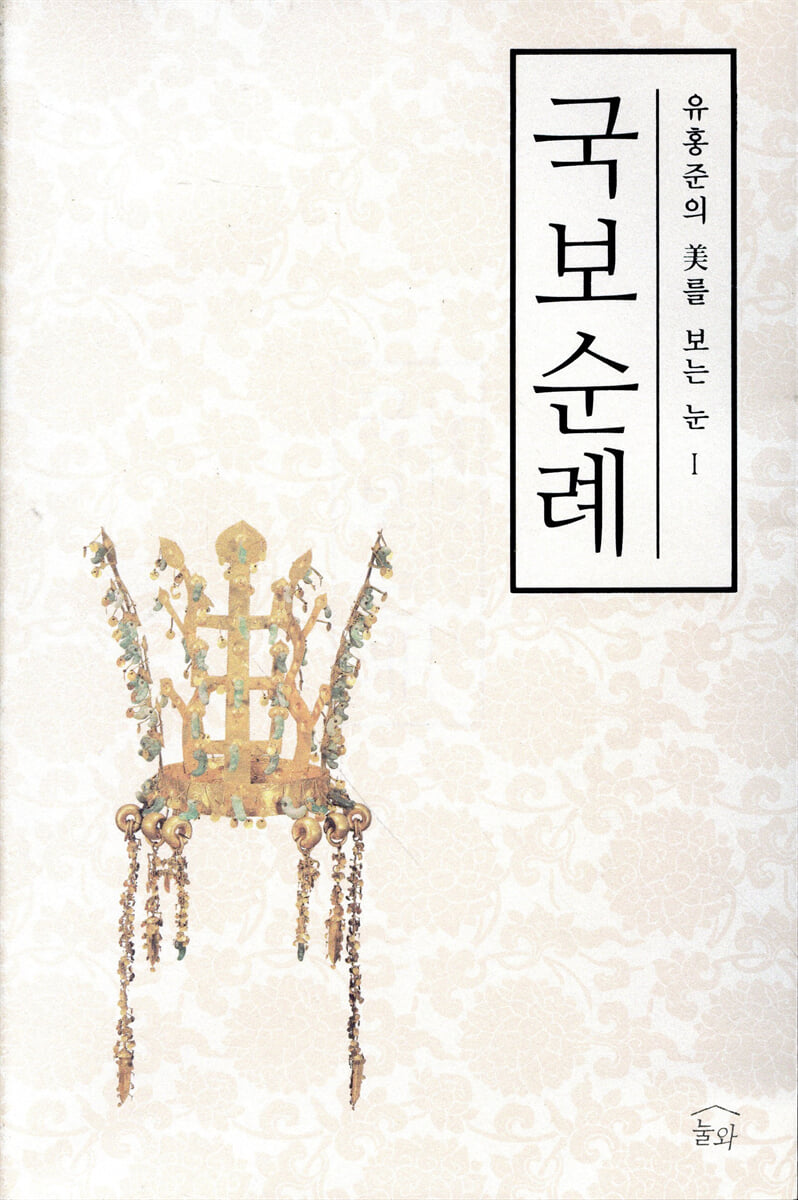
『National Treasure Pilgrimage』 is a masterpiece commentary by Professor Yoo Hong-jun, introducing monumental relics that we should keep in our hearts with the mindset of ‘making a pilgrimage to the nation’s treasures.’
In this book, the term 'national treasure' is not limited to national treasures and treasures designated as cultural properties by the country, but also includes precious Korean relics that the author considers masterpieces.
This book is a collection of selected articles serialized once a week in a daily newspaper over a period of two years, from April 2009 to July 2011.
This book is based on one page of commentary and one page of photos of artifacts.
In some cases, full and detailed illustrations are included over three pages to aid the reader's understanding and appreciation.
In addition, to help readers understand, information about the artifacts is listed below the photos of the artifacts, and a list of illustrations is attached to provide more detailed information.
Additionally, interesting backstories of cultural assets are included in a separate page.
The greatest appeal of this book is that it allows you to carefully examine each and every one of the various types of relics and discover the true beauty and new charm of each cultural asset.
In order to introduce our masterpieces to a wider audience, the author developed an easy-to-understand explanation that is accessible to the general public, not just art historians or cultural heritage experts.
Writing concisely and popularly is not easy.
This is especially true if its purpose is to convey information and inspiration.
The author's professional knowledge, rich experience, and mature writing style deliver an easy and impressive explanation that feels like listening to an old story.
『National Treasure Pilgrimage』 is a masterpiece commentary by Professor Yoo Hong-jun, introducing monumental relics that we should keep in our hearts with the mindset of ‘making a pilgrimage to the nation’s treasures.’
In this book, the term 'national treasure' is not limited to national treasures and treasures designated as cultural properties by the country, but also includes precious Korean relics that the author considers masterpieces.
This book is a collection of selected articles serialized once a week in a daily newspaper over a period of two years, from April 2009 to July 2011.
This book is based on one page of commentary and one page of photos of artifacts.
In some cases, full and detailed illustrations are included over three pages to aid the reader's understanding and appreciation.
In addition, to help readers understand, information about the artifacts is listed below the photos of the artifacts, and a list of illustrations is attached to provide more detailed information.
Additionally, interesting backstories of cultural assets are included in a separate page.
The greatest appeal of this book is that it allows you to carefully examine each and every one of the various types of relics and discover the true beauty and new charm of each cultural asset.
In order to introduce our masterpieces to a wider audience, the author developed an easy-to-understand explanation that is accessible to the general public, not just art historians or cultural heritage experts.
Writing concisely and popularly is not easy.
This is especially true if its purpose is to convey information and inspiration.
The author's professional knowledge, rich experience, and mature writing style deliver an easy and impressive explanation that feels like listening to an old story.
- You can preview some of the book's contents.
Preview
index
Pictures and text
001 Goryeo Buddhist painting 'Waterdrop Avalokiteshvara'
002 Goryeo Buddhist Painting of Avalokitesvara
003 Goryeo Buddhist Painting of the Ksitigarbha Bodhisattva Triad
004 Goryeo Buddhist Painting of Five Hundred Arhats
005 An Gyeon's Dream Journey to the Peach Blossom Land
006 The Eight Views of Xiaoxiang
007 Hakpo Lee Sang-jwa's Songhabowoldo
008 Yangsongdang Kim Ji's Dongja Gyeonryeodo
009 Yeondam Kim Myung-guk's Self-Portrait of Death
010 The Album of Paintings by Gyeomjae of the Otilien Monastery
011 Seol Song-do by Lee In-sang of Neungho-gwan
Unit 012 Kim Hong-do's Byeongjinnyeonhwacheop
Unit 013 Kim Hong-do's Three Publications and the Return of the King
014 Daffodils by Chusa Kim Jeong-hui
015 The Magpie and the Tiger
016 Park Soo-geun's Tree and Woman
017 Wonhyo Daesa photo shoot
018 Costume Photography
019 Ulju Bangudae Petroglyphs
020 Bukhansan Jinheungwangsunsu Monument
021 Hwangchoryeong Jinheungwangsunsu Monument
022 Bongamsa Temple Jijeungdaesa Red Stone Pagoda Stele
023 Hyecho's Wang Ocheonchukguk Jeon
024 King Jeongjo's semi-cursive poetry collection
025 Chusa's plaque at Eunhaesa Temple in Yeongcheon
026 Water and Varyag flags
Crafts and Ceramics
027 Horn-handled jar from the Three Kingdoms period
028 Duck-shaped pottery from the Three Kingdoms period
029 Baekje and Tang
030 Silla's Gold and Royal Tombs
031 Silla's gold crown
032 Seobongchong
033 Hwangnamdaechong Tomb
034 Baekje Gilt-Bronze Incense Burner
Sword Blue Fire Bulchi
035 Baekje Wangheungsa Sarira Box
036 Excavation of the West Pagoda of Mireuksa Temple in Iksan
Pure gold sarira
037 Gilt-bronze Incense Burner Excavated from Mireuksa Temple in Iksan
038 Balhae Samchae Incense Burner
039 Emile Jong
040 Baekje sandalwood baduk board and
Ivory Go stones
041 Goryeo Mother-of-Pearl Lacquerware Prayer Beads Box
042 Celadon Lion-decorated Incense Burner
Goryeo Bi-saek
043 Taean Underwater Relics
Underwater cultural assets
044 Yi Seong-gye's Sarira Box
045 Buncheong ware jar with iron-painted lotus flower design
046 White porcelain jar with blue and white plum blossom design
047 White porcelain and blue-and-white goblet with a bamboo base
048 Pimatgol White Porcelain Jar
049 White porcelain 'Tie' bottle
050 Highest Priced Ceramics at Auction
White porcelain jar with iron-painted dragon design
051 White porcelain jar with iron-painted grape pattern
052 White porcelain moon jar from Todaiji Temple, Japan
053 White porcelain jar with lotus design
Sculpture and architecture
054 Wooden Pensive Bodhisattva Statue from Koryuji Temple, Japan
055 'Miss Baekje' quartzite excavated
Gilt-bronze statue of Avalokitesvara Bodhisattva
056 Photo of the iron Buddha in the Buddhist temple of the Buddhist monk Beopjeong
057 Gilt-bronze Bodhisattva Statue Excavated from Geumgangsan Mountain
058 Gilt-bronze Bodhisattva Statue of Sujongsa Temple
059 Seokgatap Pagoda of Bulguksa Temple
060 Iksan Wanggung-ri Five-story Stone Pagoda
061 Stone lantern in front of Daeungjeon Hall of Bulguksa Temple
062 Twin Lion Stone Lantern at Yeongamsa Temple Site
063 Jangheung Borimsa Temple
064 Ssangbongsa Iron Pagoda
065 Yeongoksa Temple Stupa
066 Gulsansa Temple Site Stone Monument
067 Gyeongju Cheomseongdae
068 Geunjeongjeon Hall, Gyeongbokgung Palace
069 Cheonrok of Yeongjegyo Bridge in Gyeongbokgung Palace
070 Stone view of Geunjeongjeon Hall
071 Gyeongbokgung Palace Binjeon
072 Palace Drinking
073 Stone pavilion of the palace
The flowering of the beginning of summer
Changdeokgung Tiger
074 Jongmyo Jerye
075 Joseon Royal Tombs
076 An-apji Pond
077 Gyeongju Sacheonwangsa Temple
078 Andong Bongjeongsa Temple Daeungjeon
079 Mukgye Seowon Manhyujeong
080 Bogildo Buyong-dong
081 Namhae Gachon Darangi Field
Korean cultural assets overseas
082 White Porcelain Moon Jar from the British Museum
083 East Asian Museum in Cologne
Mother-of-pearl lacquerware mirror
084 Goryeo ornaments from the Kime Oriental Museum
085 Kime Oriental Museum
Iron Thousand-Armed Avalokitesvara Statue
086 Kime Oriental Museum
Extruded iron seated Buddha statue
Hong Jong-woo of the Gime Oriental Museum
087 Honolulu Academy of Art Museum
Joseon shepherd boy statue
088 Metropolitan Museum of Art, New York
dragon head decoration
089 Metropolitan Museum of Art, New York
Gilt-bronze Pensive Bodhisattva
090 Boston Museum
Goryeo silver gilt kettle
Goryeo celadon in the United States and Japan
091 Chicago Museum of Art
Celadon swan teapot
092 Chicago Museum of Art
Buncheong ware fish-patterned bottle
093 Freer Gallery of Art, Washington
Celadon gourd-shaped kettle
094 Freer Gallery of Art, Washington
Buncheong ware
095 Goryeo celadon from the Brundage Collection
096 San Francisco Oriental Art Museum
Bookshelf folding screen
097 Lee Jong-moon Art Center and
Magpie Tiger Jar
098 Lakma's Five Hundred Arhats
099 Cleveland Museum of Art
Hanrim Jeseoldo
100 Cleveland Museum of Art
An optimistic painting
List of illustrations and sources
List of Plates and Sources
001 Goryeo Buddhist painting 'Waterdrop Avalokiteshvara'
002 Goryeo Buddhist Painting of Avalokitesvara
003 Goryeo Buddhist Painting of the Ksitigarbha Bodhisattva Triad
004 Goryeo Buddhist Painting of Five Hundred Arhats
005 An Gyeon's Dream Journey to the Peach Blossom Land
006 The Eight Views of Xiaoxiang
007 Hakpo Lee Sang-jwa's Songhabowoldo
008 Yangsongdang Kim Ji's Dongja Gyeonryeodo
009 Yeondam Kim Myung-guk's Self-Portrait of Death
010 The Album of Paintings by Gyeomjae of the Otilien Monastery
011 Seol Song-do by Lee In-sang of Neungho-gwan
Unit 012 Kim Hong-do's Byeongjinnyeonhwacheop
Unit 013 Kim Hong-do's Three Publications and the Return of the King
014 Daffodils by Chusa Kim Jeong-hui
015 The Magpie and the Tiger
016 Park Soo-geun's Tree and Woman
017 Wonhyo Daesa photo shoot
018 Costume Photography
019 Ulju Bangudae Petroglyphs
020 Bukhansan Jinheungwangsunsu Monument
021 Hwangchoryeong Jinheungwangsunsu Monument
022 Bongamsa Temple Jijeungdaesa Red Stone Pagoda Stele
023 Hyecho's Wang Ocheonchukguk Jeon
024 King Jeongjo's semi-cursive poetry collection
025 Chusa's plaque at Eunhaesa Temple in Yeongcheon
026 Water and Varyag flags
Crafts and Ceramics
027 Horn-handled jar from the Three Kingdoms period
028 Duck-shaped pottery from the Three Kingdoms period
029 Baekje and Tang
030 Silla's Gold and Royal Tombs
031 Silla's gold crown
032 Seobongchong
033 Hwangnamdaechong Tomb
034 Baekje Gilt-Bronze Incense Burner
Sword Blue Fire Bulchi
035 Baekje Wangheungsa Sarira Box
036 Excavation of the West Pagoda of Mireuksa Temple in Iksan
Pure gold sarira
037 Gilt-bronze Incense Burner Excavated from Mireuksa Temple in Iksan
038 Balhae Samchae Incense Burner
039 Emile Jong
040 Baekje sandalwood baduk board and
Ivory Go stones
041 Goryeo Mother-of-Pearl Lacquerware Prayer Beads Box
042 Celadon Lion-decorated Incense Burner
Goryeo Bi-saek
043 Taean Underwater Relics
Underwater cultural assets
044 Yi Seong-gye's Sarira Box
045 Buncheong ware jar with iron-painted lotus flower design
046 White porcelain jar with blue and white plum blossom design
047 White porcelain and blue-and-white goblet with a bamboo base
048 Pimatgol White Porcelain Jar
049 White porcelain 'Tie' bottle
050 Highest Priced Ceramics at Auction
White porcelain jar with iron-painted dragon design
051 White porcelain jar with iron-painted grape pattern
052 White porcelain moon jar from Todaiji Temple, Japan
053 White porcelain jar with lotus design
Sculpture and architecture
054 Wooden Pensive Bodhisattva Statue from Koryuji Temple, Japan
055 'Miss Baekje' quartzite excavated
Gilt-bronze statue of Avalokitesvara Bodhisattva
056 Photo of the iron Buddha in the Buddhist temple of the Buddhist monk Beopjeong
057 Gilt-bronze Bodhisattva Statue Excavated from Geumgangsan Mountain
058 Gilt-bronze Bodhisattva Statue of Sujongsa Temple
059 Seokgatap Pagoda of Bulguksa Temple
060 Iksan Wanggung-ri Five-story Stone Pagoda
061 Stone lantern in front of Daeungjeon Hall of Bulguksa Temple
062 Twin Lion Stone Lantern at Yeongamsa Temple Site
063 Jangheung Borimsa Temple
064 Ssangbongsa Iron Pagoda
065 Yeongoksa Temple Stupa
066 Gulsansa Temple Site Stone Monument
067 Gyeongju Cheomseongdae
068 Geunjeongjeon Hall, Gyeongbokgung Palace
069 Cheonrok of Yeongjegyo Bridge in Gyeongbokgung Palace
070 Stone view of Geunjeongjeon Hall
071 Gyeongbokgung Palace Binjeon
072 Palace Drinking
073 Stone pavilion of the palace
The flowering of the beginning of summer
Changdeokgung Tiger
074 Jongmyo Jerye
075 Joseon Royal Tombs
076 An-apji Pond
077 Gyeongju Sacheonwangsa Temple
078 Andong Bongjeongsa Temple Daeungjeon
079 Mukgye Seowon Manhyujeong
080 Bogildo Buyong-dong
081 Namhae Gachon Darangi Field
Korean cultural assets overseas
082 White Porcelain Moon Jar from the British Museum
083 East Asian Museum in Cologne
Mother-of-pearl lacquerware mirror
084 Goryeo ornaments from the Kime Oriental Museum
085 Kime Oriental Museum
Iron Thousand-Armed Avalokitesvara Statue
086 Kime Oriental Museum
Extruded iron seated Buddha statue
Hong Jong-woo of the Gime Oriental Museum
087 Honolulu Academy of Art Museum
Joseon shepherd boy statue
088 Metropolitan Museum of Art, New York
dragon head decoration
089 Metropolitan Museum of Art, New York
Gilt-bronze Pensive Bodhisattva
090 Boston Museum
Goryeo silver gilt kettle
Goryeo celadon in the United States and Japan
091 Chicago Museum of Art
Celadon swan teapot
092 Chicago Museum of Art
Buncheong ware fish-patterned bottle
093 Freer Gallery of Art, Washington
Celadon gourd-shaped kettle
094 Freer Gallery of Art, Washington
Buncheong ware
095 Goryeo celadon from the Brundage Collection
096 San Francisco Oriental Art Museum
Bookshelf folding screen
097 Lee Jong-moon Art Center and
Magpie Tiger Jar
098 Lakma's Five Hundred Arhats
099 Cleveland Museum of Art
Hanrim Jeseoldo
100 Cleveland Museum of Art
An optimistic painting
List of illustrations and sources
List of Plates and Sources
Publisher's Review
A Pilgrimage to Our Cultural Heritage with Professor Yoo Hong-jun's Commentary on Masterpieces
"Yoo Hong-jun's National Treasure Pilgrimage" is a commentary on a masterpiece introduced by Professor Yoo Hong-jun, focusing on monumental relics that we should keep in our hearts with the mindset of "making a pilgrimage to the nation's treasures."
In this book, the term 'national treasure' is not limited to national treasures and treasures designated as cultural properties by the country, but also includes precious Korean relics that the author considers masterpieces.
This book is a collection of selected articles serialized once a week in a daily newspaper over a period of two years, from April 2009 to July 2011.
At the time of serialization, due to limited space, each episode had to fit onto 5.2 sheets of 200-character manuscript paper. However, by compiling the manuscripts into a book, we were able to overcome the limitations of length and enrich the explanations of each relic, thereby differentiating it from the original manuscripts at the time of serialization.
The order of the manuscripts was not based on the serialization order of the daily newspaper, but was rearranged according to the type of artifacts, such as paintings and calligraphy, crafts and ceramics, sculptures and architecture, and overseas Korean cultural assets.
The greatest appeal of this book is that it allows you to carefully examine each and every one of the various types of relics and discover the true beauty and new charm of each cultural asset.
In order to introduce our masterpieces to a wider audience, the author developed an easy-to-understand explanation that is accessible to the general public, not just art historians or cultural heritage experts.
Writing concisely and popularly is not easy.
This is especially true if its purpose is to convey information and inspiration.
The author, with his professional knowledge, rich experience, and mature writing style, delivers an easy and impressive explanation that feels like listening to an old story.
All chapters are meaningful, but the one that deserves special attention is ‘Overseas Korean Cultural Assets.’
The author, who has always had a special interest and affection for our cultural assets located abroad, visited museums overseas and roughly looked at important artifacts in the United States and Europe at each art gallery.
By including high-quality illustrations provided by overseas museums, you will be able to see artifacts that are rarely seen in Korea, along with friendly commentary by the author.
In this way, the author appreciates cultural assets with the warm gaze of a living, breathing being.
That gaze is conveyed directly to the reader, and if you follow the author's gaze, those who usually love cultural assets will love him even more, and those who have no interest in cultural assets will develop a new interest and affection for him.
High quality illustrations with vivid details
This book is based on one page of commentary and one page of photos of artifacts.
In some cases, full and detailed illustrations are included over three pages to aid the reader's understanding and appreciation.
The illustrations are of the highest quality and most recent available, and were created with the cooperation of domestic and international experts and museums.
As the author quotes in the text, Mies van der Rohr, considered one of the greatest architects of the 20th century, once said, “God is in the details.”
Our cultural assets are beautiful in their overall appearance, but when you look closely at the details, the depictions are incredibly elaborate and beautiful.
High-quality ceramic plates that allow you to vividly feel the texture of silk and the curves of porcelain will greatly help you feel and appreciate the beauty of cultural assets.
In addition, to help readers understand, information about the artifacts is listed below the photos of the artifacts, and a list of illustrations is attached to provide more detailed information.
Additionally, interesting backstories of cultural assets are included in a separate page.
"Yoo Hong-jun's National Treasure Pilgrimage" is a commentary on a masterpiece introduced by Professor Yoo Hong-jun, focusing on monumental relics that we should keep in our hearts with the mindset of "making a pilgrimage to the nation's treasures."
In this book, the term 'national treasure' is not limited to national treasures and treasures designated as cultural properties by the country, but also includes precious Korean relics that the author considers masterpieces.
This book is a collection of selected articles serialized once a week in a daily newspaper over a period of two years, from April 2009 to July 2011.
At the time of serialization, due to limited space, each episode had to fit onto 5.2 sheets of 200-character manuscript paper. However, by compiling the manuscripts into a book, we were able to overcome the limitations of length and enrich the explanations of each relic, thereby differentiating it from the original manuscripts at the time of serialization.
The order of the manuscripts was not based on the serialization order of the daily newspaper, but was rearranged according to the type of artifacts, such as paintings and calligraphy, crafts and ceramics, sculptures and architecture, and overseas Korean cultural assets.
The greatest appeal of this book is that it allows you to carefully examine each and every one of the various types of relics and discover the true beauty and new charm of each cultural asset.
In order to introduce our masterpieces to a wider audience, the author developed an easy-to-understand explanation that is accessible to the general public, not just art historians or cultural heritage experts.
Writing concisely and popularly is not easy.
This is especially true if its purpose is to convey information and inspiration.
The author, with his professional knowledge, rich experience, and mature writing style, delivers an easy and impressive explanation that feels like listening to an old story.
All chapters are meaningful, but the one that deserves special attention is ‘Overseas Korean Cultural Assets.’
The author, who has always had a special interest and affection for our cultural assets located abroad, visited museums overseas and roughly looked at important artifacts in the United States and Europe at each art gallery.
By including high-quality illustrations provided by overseas museums, you will be able to see artifacts that are rarely seen in Korea, along with friendly commentary by the author.
In this way, the author appreciates cultural assets with the warm gaze of a living, breathing being.
That gaze is conveyed directly to the reader, and if you follow the author's gaze, those who usually love cultural assets will love him even more, and those who have no interest in cultural assets will develop a new interest and affection for him.
High quality illustrations with vivid details
This book is based on one page of commentary and one page of photos of artifacts.
In some cases, full and detailed illustrations are included over three pages to aid the reader's understanding and appreciation.
The illustrations are of the highest quality and most recent available, and were created with the cooperation of domestic and international experts and museums.
As the author quotes in the text, Mies van der Rohr, considered one of the greatest architects of the 20th century, once said, “God is in the details.”
Our cultural assets are beautiful in their overall appearance, but when you look closely at the details, the depictions are incredibly elaborate and beautiful.
High-quality ceramic plates that allow you to vividly feel the texture of silk and the curves of porcelain will greatly help you feel and appreciate the beauty of cultural assets.
In addition, to help readers understand, information about the artifacts is listed below the photos of the artifacts, and a list of illustrations is attached to provide more detailed information.
Additionally, interesting backstories of cultural assets are included in a separate page.
GOODS SPECIFICS
- Date of issue: August 1, 2011
- Page count, weight, size: 270 pages | 600g | 153*224*20mm
- ISBN13: 9788990620538
- ISBN10: 8990620538
You may also like
카테고리
korean


korean

![GQ KOREA Mark (Monthly): December [2025]](http://librairie.coreenne.fr/cdn/shop/files/8ef265dbbfbf186523ed75ba7319009d.jpg?v=1765340328&width=3840)


