

Jeong Ji-hoon's Quantum Computer Lecture
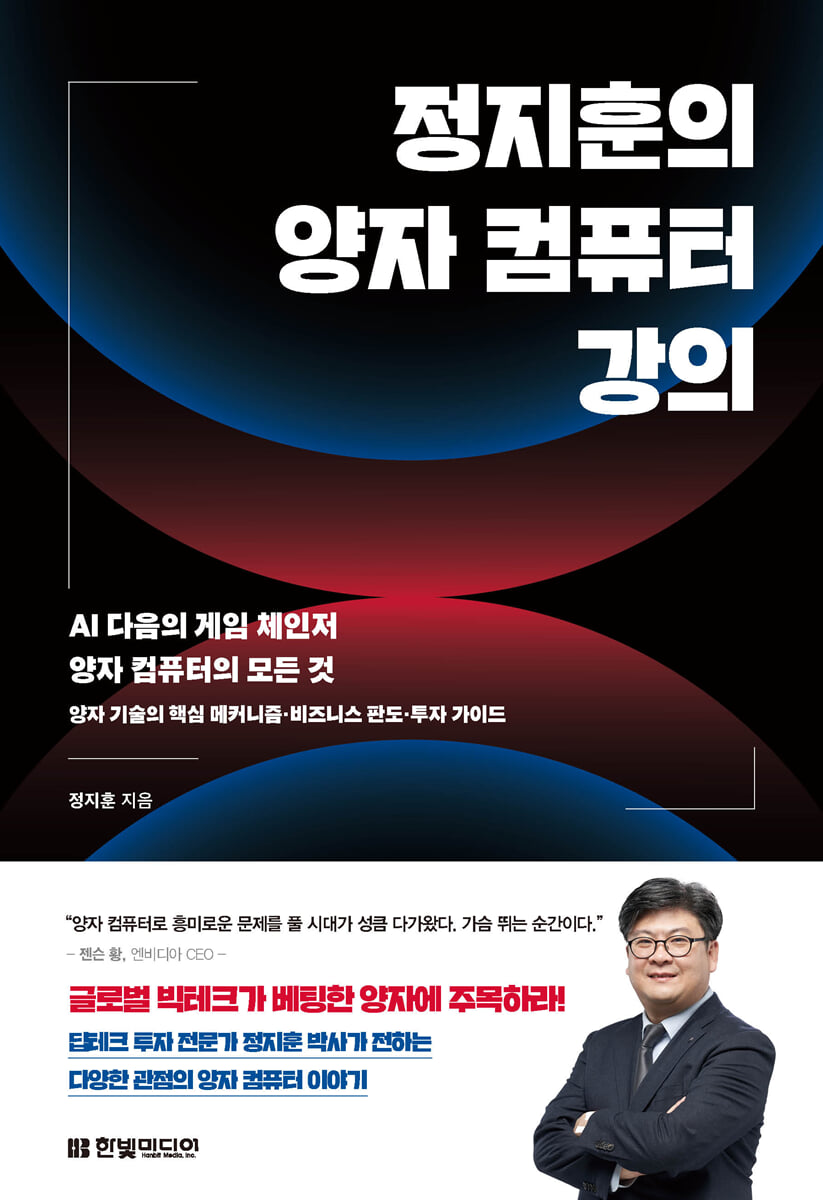 |
Description
Book Introduction
Pay attention to the quantum that global big tech is betting on!
Learn the fundamental concepts and implementation methods of quantum computers, technology trends and industry landscape, and global companies' strategies and investment points at a glance!
Now that AI has already transformed our daily lives and industries, the next technology the world is paying attention to is quantum computing.
Quantum computers are now moving beyond mere theory and becoming a reality.
Global big tech companies have begun to actively develop quantum computers, and governments around the world have declared quantum sovereignty and entered the race for technological supremacy.
Quantum technology offers entirely new computational approaches to solving complex problems such as drug discovery, climate simulation, financial optimization, and AI advancements.
But quantum is still unfamiliar and difficult.
So, right now, we need this book.
"Jung Ji-hoon's Quantum Computer Lecture" is the best introductory book for learning quantum in an easy and comprehensive way.
It explains the core concepts of quantum computing, such as superposition, entanglement, and qubits, through analogies and diagrams without difficult formulas, and organizes the principles and pros and cons of five implementation technologies, including superconductivity, ion traps, neutral atoms, photons, and topological qubits, to enable a three-dimensional understanding of the structure and flow of quantum computers.
Additionally, the technology strategies of global companies such as IBM, Google, Microsoft, Amazon, Rigetti, and IonQ, as well as the landscape of quantum competition, are organized in an easy-to-understand manner, providing deep insight to readers who want to keep up with technology trends.
In other words, this single book provides a comprehensive overview of technological trends, industry trends, the fundamental concepts and implementation methods of quantum computing, corporate strategies, and even key investment points. If you're curious about the next era of AI, this book will answer your questions.
Now, let's take the first step toward the future with this book.
Learn the fundamental concepts and implementation methods of quantum computers, technology trends and industry landscape, and global companies' strategies and investment points at a glance!
Now that AI has already transformed our daily lives and industries, the next technology the world is paying attention to is quantum computing.
Quantum computers are now moving beyond mere theory and becoming a reality.
Global big tech companies have begun to actively develop quantum computers, and governments around the world have declared quantum sovereignty and entered the race for technological supremacy.
Quantum technology offers entirely new computational approaches to solving complex problems such as drug discovery, climate simulation, financial optimization, and AI advancements.
But quantum is still unfamiliar and difficult.
So, right now, we need this book.
"Jung Ji-hoon's Quantum Computer Lecture" is the best introductory book for learning quantum in an easy and comprehensive way.
It explains the core concepts of quantum computing, such as superposition, entanglement, and qubits, through analogies and diagrams without difficult formulas, and organizes the principles and pros and cons of five implementation technologies, including superconductivity, ion traps, neutral atoms, photons, and topological qubits, to enable a three-dimensional understanding of the structure and flow of quantum computers.
Additionally, the technology strategies of global companies such as IBM, Google, Microsoft, Amazon, Rigetti, and IonQ, as well as the landscape of quantum competition, are organized in an easy-to-understand manner, providing deep insight to readers who want to keep up with technology trends.
In other words, this single book provides a comprehensive overview of technological trends, industry trends, the fundamental concepts and implementation methods of quantum computing, corporate strategies, and even key investment points. If you're curious about the next era of AI, this book will answer your questions.
Now, let's take the first step toward the future with this book.
index
Chapter 1: Quantum Computing: The Beginning of a World-Changing Innovation
1.1 Traditional Computer vs.
quantum computer
1.2 Quantum Computers: Why They Matter
1.3 Fundamental Concepts of Quantum Mechanics: The Magic of the Submicroscopic World
1.4 The History and Development of Quantum Computing: A Journey of Innovation
1.5 Why Quantum Computing Now: The Need for a New Era
Chapter 2: How are qubits, the heart of quantum computers, created?
2.1 The Heart of Quantum Computers: Qubits
2.2 Various qubit implementation technologies
2.3 Fierce Competition in the Industry: The Race to the Quantum Computing Era
Chapter 3: Software for Quantum Computers: Algorithms and Programming
3.1 Basic Principles of Quantum Algorithms
3.2 Key Quantum Algorithms
3.3 Quantum Programming: Coding for the Quantum Era
3.4 Quantum Development Environment: Quantum in the Cloud
3.5 Quantum Software Development Companies: Leading the Wave of Innovation
Chapter 4: Quantum Communication: Unhackable Future Communication Networks
4.1 The Future of Security Shaken by Quantum Computers
4.2 Fundamentals of Quantum Communication: Quantum Key Distribution
4.3 The Advantages of Quantum Communication: The Unbreakable Shield
4.4 Quantum Communication Networks: Global Competition and Technological Challenges
4.5 Key Challenges of Quantum Communication Technology
4.6 Major Quantum Communications Companies: Key Players in the Era of Quantum Security
4.7 Quantum Internet: The Future of the Dream Network
Chapter 5: Quantum Computing Breaks Modern Cryptography: Blockchain and the Future of the Digital Economy
5.1 The Quantum Threat That Shaken Cryptography
5.2 Quantum Computers Become a Window to Cryptocurrency: A Threat to Existing Cryptosystems
5.3 Quantum-Resistant Cryptography: A New Shield Appears
5.4 Cybersecurity Investment Strategies in the Quantum Computing Era
Chapter 6: The Future of Industry Transformed by Quantum Computing: From Drug Development to AI
6.1 Quantum Computing Reshaping Industries
6.2 New Drug and Material Development: Quantum Simulation, the Key to Innovation
6.3 Finance: Quantum Computing Shakes Up Wall Street
6.4 AI: Quantum Machine Learning, the Birth of a New Intelligence
6.5 Basic Scientific Research and Quantum Computing: The Key to Unlocking the Secrets of the Universe
6.6 The Future of Quantum Applications: An Integrated Perspective
Chapter 7: Challenges Facing Quantum Computing: Technical Limitations and Ethical Issues
7.1 Quantum Computing: Towards a Sustainable Future
7.2 Technological Limitations: The Reality That Blocks a Rosy Future
7.3 Quantum Algorithms and Software: Challenges in Efficient Utilization
7.4 Ethical and Social Issues: New Concerns
Chapter 8: The Quantum Computing Ecosystem: Where to Invest
8.1 Drawing a Bird's-Eye View of the Quantum Computing Ecosystem
8.2 Hardware: Giants Ushering in the Quantum Era
8.3 Software and Algorithms: Designers of Quantum Brains
8.4 Opportunities and Challenges: Quantum Computing Investment: What to Watch for
1.1 Traditional Computer vs.
quantum computer
1.2 Quantum Computers: Why They Matter
1.3 Fundamental Concepts of Quantum Mechanics: The Magic of the Submicroscopic World
1.4 The History and Development of Quantum Computing: A Journey of Innovation
1.5 Why Quantum Computing Now: The Need for a New Era
Chapter 2: How are qubits, the heart of quantum computers, created?
2.1 The Heart of Quantum Computers: Qubits
2.2 Various qubit implementation technologies
2.3 Fierce Competition in the Industry: The Race to the Quantum Computing Era
Chapter 3: Software for Quantum Computers: Algorithms and Programming
3.1 Basic Principles of Quantum Algorithms
3.2 Key Quantum Algorithms
3.3 Quantum Programming: Coding for the Quantum Era
3.4 Quantum Development Environment: Quantum in the Cloud
3.5 Quantum Software Development Companies: Leading the Wave of Innovation
Chapter 4: Quantum Communication: Unhackable Future Communication Networks
4.1 The Future of Security Shaken by Quantum Computers
4.2 Fundamentals of Quantum Communication: Quantum Key Distribution
4.3 The Advantages of Quantum Communication: The Unbreakable Shield
4.4 Quantum Communication Networks: Global Competition and Technological Challenges
4.5 Key Challenges of Quantum Communication Technology
4.6 Major Quantum Communications Companies: Key Players in the Era of Quantum Security
4.7 Quantum Internet: The Future of the Dream Network
Chapter 5: Quantum Computing Breaks Modern Cryptography: Blockchain and the Future of the Digital Economy
5.1 The Quantum Threat That Shaken Cryptography
5.2 Quantum Computers Become a Window to Cryptocurrency: A Threat to Existing Cryptosystems
5.3 Quantum-Resistant Cryptography: A New Shield Appears
5.4 Cybersecurity Investment Strategies in the Quantum Computing Era
Chapter 6: The Future of Industry Transformed by Quantum Computing: From Drug Development to AI
6.1 Quantum Computing Reshaping Industries
6.2 New Drug and Material Development: Quantum Simulation, the Key to Innovation
6.3 Finance: Quantum Computing Shakes Up Wall Street
6.4 AI: Quantum Machine Learning, the Birth of a New Intelligence
6.5 Basic Scientific Research and Quantum Computing: The Key to Unlocking the Secrets of the Universe
6.6 The Future of Quantum Applications: An Integrated Perspective
Chapter 7: Challenges Facing Quantum Computing: Technical Limitations and Ethical Issues
7.1 Quantum Computing: Towards a Sustainable Future
7.2 Technological Limitations: The Reality That Blocks a Rosy Future
7.3 Quantum Algorithms and Software: Challenges in Efficient Utilization
7.4 Ethical and Social Issues: New Concerns
Chapter 8: The Quantum Computing Ecosystem: Where to Invest
8.1 Drawing a Bird's-Eye View of the Quantum Computing Ecosystem
8.2 Hardware: Giants Ushering in the Quantum Era
8.3 Software and Algorithms: Designers of Quantum Brains
8.4 Opportunities and Challenges: Quantum Computing Investment: What to Watch for
Detailed image

Publisher's Review
Quantum computers will redesign the world. You need to know them first to seize the opportunity!
“New drug candidate verification, which used to take years, is now completed in a single day.”
A quantum brain that computes complex climate models in real time.
Optimize thousands of asset combinations in a single operation.
A Quantum Acceleration Engine That Transcends the Limits of AI
A friendly guide that explains the core of quantum computing in the most three-dimensional way.
"Jung Ji-hoon's Quantum Computer Lecture" is a systematic and three-dimensional introductory book consisting of eight chapters, covering everything from the concept of quantum technology to implementation methods and industrial trends.
It is designed to enable even non-experts to naturally understand the overall picture of quantum computing through explanations tailored to the reader's level and step-by-step flow.
★ Structure of this book
Chapter 1.
Quantum Computing: The Beginning of a World-Changing Innovation
Explains how quantum computers differ from classical computers and why this technology is important now.
Through core quantum mechanics concepts like superposition and entanglement, we will understand the operating principles of quantum computing and trace the technological development and historical trends. We will examine the current state of the industry through the participation and technological competition of major companies like IBM and Google, and examine why we should focus on quantum computing now.
Chapter 2.
How are qubits, the heart of quantum computers, created?
We cover what qubits are, the core of quantum computers, and how they can be implemented.
We compare various qubit implementation technologies, including superconductivity, ion traps, neutral atoms, and photons, and the pros and cons of each method.
We also examine the technical challenges of ensuring the stability and scalability of qubits.
Finally, we analyze the hardware strategies that companies like Google, IBM, and Intel are using to compete.
Chapter 3.
Quantum Computer Software: Algorithms and Programming
We will examine the fundamental principles of quantum algorithms and their differences from classical computing, and understand how quantum computing differs in its computational methods through representative examples such as Shor's algorithm and Grover's algorithm.
Next, we will introduce quantum programming methods using major frameworks such as Qiskit, Cirque, and Brackets, and learn how programming is actually done in a cloud-based quantum development environment.
We also examine the strategies and technology trends of key companies leading the quantum software ecosystem.
It comprehensively covers the entire spectrum of quantum software, from algorithms to development environments and industry trends.
Chapter 4.
Quantum Communications: The Unhackable Future Network
This paper introduces the security threats posed by quantum computers and covers the fundamental principles of quantum communication technology as an alternative to address them.
We explain the communication architecture and its strengths centered on quantum key distribution (QKD), and examine global technology competition and actual commercialization trends.
We also examine the technological challenges required to build a quantum communications network and the strategies of major companies.
Ultimately, it explores how a futuristic communications network called the 'quantum internet' could become a reality.
Chapter 5.
Quantum Computing Breaks Modern Cryptography: Blockchain and the Future of the Digital Economy
We explore the potential for quantum computers to undermine existing public-key cryptography and the threats they pose to cryptocurrency and blockchain security.
As an alternative to solve this problem, we explain how 'quantum-resistant cryptography (PQC)' works and what methods are currently attracting attention.
Furthermore, we present investment strategies in the field of cybersecurity in preparation for the era of quantum computing.
We envision the future of the digital economy through the interconnectedness of cryptography, assets, and security.
Chapter 6: The Future of Industry Transformed by Quantum Computing: From Drug Development to AI
Covers how quantum computing is being applied in industry.
We explore how quantum simulation is driving innovation in new drug development and new material design, and also explore its potential applications in finance and AI.
It provides concrete examples of how Wall Street, pharmaceutical companies, and AI researchers are experimenting with quantum technologies, and highlights the role of quantum computing in basic scientific research.
Finally, we present future application possibilities through an integrated industry-wide outlook.
Chapter 7: Challenges Facing Quantum Computing: Technical Limitations and Ethical Issues
We examine the technical and social challenges facing quantum computing.
In addition to technical limitations such as increasing the number of qubits, controlling error rates, and optimizing software, we also address practical barriers to commercialization.
It also addresses the social impacts of quantum technology, ethical dilemmas, and technological inequality.
This provides an overview of the challenges that must be addressed to ensure a sustainable future for quantum computing.
Chapter 8: The Quantum Computing Ecosystem: Where to Invest
Covers the overall structure and investment perspectives of the quantum computing ecosystem.
We examine each technology axis, from hardware to software and algorithm development, and compare the strategies of major companies and startups.
We analyze the commercialization potential and market trends of quantum technology, and identify opportunities and risks from an investor perspective, highlighting where to focus.
It presents a big picture of the quantum ecosystem, focusing on the intersection of technology, industry, and investment.
“New drug candidate verification, which used to take years, is now completed in a single day.”
A quantum brain that computes complex climate models in real time.
Optimize thousands of asset combinations in a single operation.
A Quantum Acceleration Engine That Transcends the Limits of AI
A friendly guide that explains the core of quantum computing in the most three-dimensional way.
"Jung Ji-hoon's Quantum Computer Lecture" is a systematic and three-dimensional introductory book consisting of eight chapters, covering everything from the concept of quantum technology to implementation methods and industrial trends.
It is designed to enable even non-experts to naturally understand the overall picture of quantum computing through explanations tailored to the reader's level and step-by-step flow.
★ Structure of this book
Chapter 1.
Quantum Computing: The Beginning of a World-Changing Innovation
Explains how quantum computers differ from classical computers and why this technology is important now.
Through core quantum mechanics concepts like superposition and entanglement, we will understand the operating principles of quantum computing and trace the technological development and historical trends. We will examine the current state of the industry through the participation and technological competition of major companies like IBM and Google, and examine why we should focus on quantum computing now.
Chapter 2.
How are qubits, the heart of quantum computers, created?
We cover what qubits are, the core of quantum computers, and how they can be implemented.
We compare various qubit implementation technologies, including superconductivity, ion traps, neutral atoms, and photons, and the pros and cons of each method.
We also examine the technical challenges of ensuring the stability and scalability of qubits.
Finally, we analyze the hardware strategies that companies like Google, IBM, and Intel are using to compete.
Chapter 3.
Quantum Computer Software: Algorithms and Programming
We will examine the fundamental principles of quantum algorithms and their differences from classical computing, and understand how quantum computing differs in its computational methods through representative examples such as Shor's algorithm and Grover's algorithm.
Next, we will introduce quantum programming methods using major frameworks such as Qiskit, Cirque, and Brackets, and learn how programming is actually done in a cloud-based quantum development environment.
We also examine the strategies and technology trends of key companies leading the quantum software ecosystem.
It comprehensively covers the entire spectrum of quantum software, from algorithms to development environments and industry trends.
Chapter 4.
Quantum Communications: The Unhackable Future Network
This paper introduces the security threats posed by quantum computers and covers the fundamental principles of quantum communication technology as an alternative to address them.
We explain the communication architecture and its strengths centered on quantum key distribution (QKD), and examine global technology competition and actual commercialization trends.
We also examine the technological challenges required to build a quantum communications network and the strategies of major companies.
Ultimately, it explores how a futuristic communications network called the 'quantum internet' could become a reality.
Chapter 5.
Quantum Computing Breaks Modern Cryptography: Blockchain and the Future of the Digital Economy
We explore the potential for quantum computers to undermine existing public-key cryptography and the threats they pose to cryptocurrency and blockchain security.
As an alternative to solve this problem, we explain how 'quantum-resistant cryptography (PQC)' works and what methods are currently attracting attention.
Furthermore, we present investment strategies in the field of cybersecurity in preparation for the era of quantum computing.
We envision the future of the digital economy through the interconnectedness of cryptography, assets, and security.
Chapter 6: The Future of Industry Transformed by Quantum Computing: From Drug Development to AI
Covers how quantum computing is being applied in industry.
We explore how quantum simulation is driving innovation in new drug development and new material design, and also explore its potential applications in finance and AI.
It provides concrete examples of how Wall Street, pharmaceutical companies, and AI researchers are experimenting with quantum technologies, and highlights the role of quantum computing in basic scientific research.
Finally, we present future application possibilities through an integrated industry-wide outlook.
Chapter 7: Challenges Facing Quantum Computing: Technical Limitations and Ethical Issues
We examine the technical and social challenges facing quantum computing.
In addition to technical limitations such as increasing the number of qubits, controlling error rates, and optimizing software, we also address practical barriers to commercialization.
It also addresses the social impacts of quantum technology, ethical dilemmas, and technological inequality.
This provides an overview of the challenges that must be addressed to ensure a sustainable future for quantum computing.
Chapter 8: The Quantum Computing Ecosystem: Where to Invest
Covers the overall structure and investment perspectives of the quantum computing ecosystem.
We examine each technology axis, from hardware to software and algorithm development, and compare the strategies of major companies and startups.
We analyze the commercialization potential and market trends of quantum technology, and identify opportunities and risks from an investor perspective, highlighting where to focus.
It presents a big picture of the quantum ecosystem, focusing on the intersection of technology, industry, and investment.
GOODS SPECIFICS
- Date of issue: August 29, 2025
- Page count, weight, size: 264 pages | 153*223*20mm
- ISBN13: 9791169214247
- ISBN10: 116921424X
You may also like
카테고리
korean


korean

![GQ KOREA Mark (Monthly): December [2025]](http://librairie.coreenne.fr/cdn/shop/files/8ef265dbbfbf186523ed75ba7319009d.jpg?v=1765340328&width=3840)


