

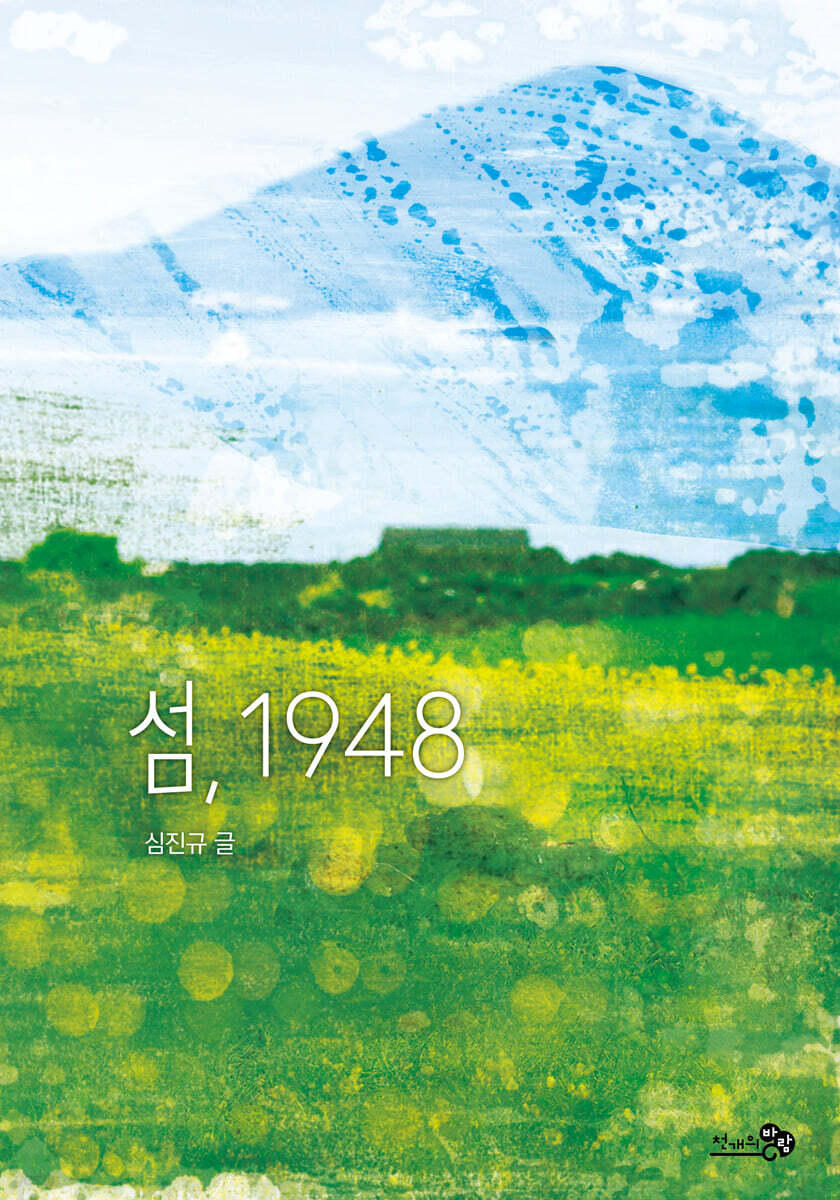
Island, 1948
 |
Description
Book Introduction
Wind Youth Library, Volume 15.
This is a historical novel that deals with the massacre of civilians that took place in Jeju in the early days of liberation.
One night, a long time after dinner, Ki-wook opened the door.
Jinsuk patted the sleeping child's chest and asked where he was going.
I was worried because there were rumors going around that the police had shot people in Jeju town.
As if he understood Jin-sook's feelings, Ki-wook sat down next to her.
Ki-wook, who was looking at his daughter Myeong-ok, said that he wanted to let Myeong-ok live freely in the new world.
And stood up.
Perhaps because she had read the determination in his determined eyes, Jin-sook did not stop Ki-wook from going outside any longer.
A full day has passed since Ki-wook left.
Ki-wook didn't come back all night.
Jin-suk, who was in love, headed to Soon-i's house with her daughter Myeong-ok in front.
Myung-ok's friend Suni's father worked as a police collaborator during the Japanese colonial period.
Ki-uk despised him greatly, and no one in the village looked upon him favorably.
Jinsuk also felt uncomfortable meeting him face to face, but she thought it was more important to hear news about Giuk.
But when I went to the house I had been trying to find, Sooni's father was not there.
On my way back home, feeling weak, I saw a pair of shoes left in front of the house door.
I thought it was Gi-uk, but it was his younger sister, Sun-uk.
Because of the chaotic situation, Sun-wook, who was working at the bank in Jeju-eup, came to see her older brother.
But my brother disappeared last night and we lost contact.
A few mornings later, a police officer came and took Jin-sook away, saying he had some questions to ask.
While Sun-wook was at home with Myeong-ok, someone came to visit again.
Sun-wook's heart pounded as he opened the door.
A soldier was standing.
What brings you here? What happened to Gi-wook?
This is a historical novel that deals with the massacre of civilians that took place in Jeju in the early days of liberation.
One night, a long time after dinner, Ki-wook opened the door.
Jinsuk patted the sleeping child's chest and asked where he was going.
I was worried because there were rumors going around that the police had shot people in Jeju town.
As if he understood Jin-sook's feelings, Ki-wook sat down next to her.
Ki-wook, who was looking at his daughter Myeong-ok, said that he wanted to let Myeong-ok live freely in the new world.
And stood up.
Perhaps because she had read the determination in his determined eyes, Jin-sook did not stop Ki-wook from going outside any longer.
A full day has passed since Ki-wook left.
Ki-wook didn't come back all night.
Jin-suk, who was in love, headed to Soon-i's house with her daughter Myeong-ok in front.
Myung-ok's friend Suni's father worked as a police collaborator during the Japanese colonial period.
Ki-uk despised him greatly, and no one in the village looked upon him favorably.
Jinsuk also felt uncomfortable meeting him face to face, but she thought it was more important to hear news about Giuk.
But when I went to the house I had been trying to find, Sooni's father was not there.
On my way back home, feeling weak, I saw a pair of shoes left in front of the house door.
I thought it was Gi-uk, but it was his younger sister, Sun-uk.
Because of the chaotic situation, Sun-wook, who was working at the bank in Jeju-eup, came to see her older brother.
But my brother disappeared last night and we lost contact.
A few mornings later, a police officer came and took Jin-sook away, saying he had some questions to ask.
While Sun-wook was at home with Myeong-ok, someone came to visit again.
Sun-wook's heart pounded as he opened the door.
A soldier was standing.
What brings you here? What happened to Gi-wook?
- You can preview some of the book's contents.
Preview
index
1.
Gunshots… 6
2.
Night drinking… 11
3.
Command and Encounter… 27
4.
Northwest Youth League… 48
5.
Red Hunt… 66
6.
One shoe left behind… 85
7.
Torch… 113
8.
Peace talks break down… 130
9.
Breakup, and… 146
10.
Another gunshot… 170
11.
Author's Note… 174
Gunshots… 6
2.
Night drinking… 11
3.
Command and Encounter… 27
4.
Northwest Youth League… 48
5.
Red Hunt… 66
6.
One shoe left behind… 85
7.
Torch… 113
8.
Peace talks break down… 130
9.
Breakup, and… 146
10.
Another gunshot… 170
11.
Author's Note… 174
Detailed image
Publisher's Review
A look into history
There is a big difference between seeing something and looking into it.
Leaning in and getting closer to an object to 'look into it' means not just looking at it as it is, but paying attention and examining it in detail.
We must look closely at history, not just at what we see.
This is because past history can be interpreted in various ways depending on the angle from which it is viewed.
Moreover, if someone distorts history and twists it, future generations may come to know it differently from the truth if they do not look into it properly.
“You little shits! You know what you’ve done!”
The military police captain shouted as he looked at the blood-covered bed.
The pungent smell of blood made the already stuffy air in the room even more stuffy.
“We can’t let people die any longer.”
Moon Sang-gil glared at the military leader and shouted.
- Page 9
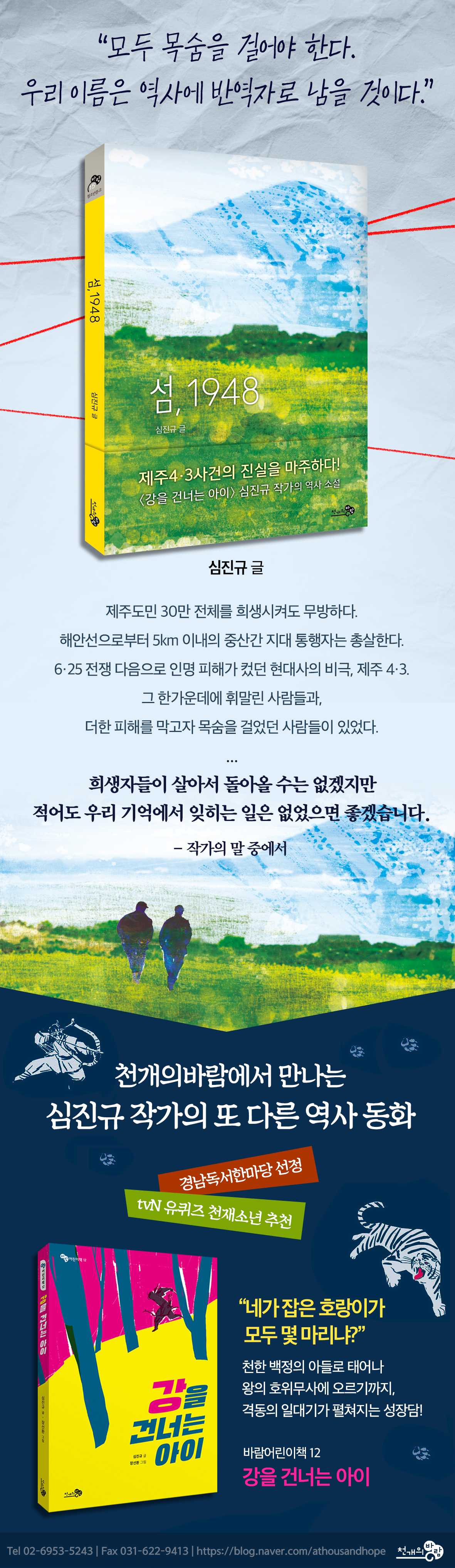
[Island, 1948] is a historical novel based on the Jeju April 3 Incident.
For decades, people were unaware that such a tragedy had occurred on beautiful Jeju Island.
There were many who misunderstood it as a simple incident to wipe out communists.
But the truth is finally coming to light because of the cries of those who have suffered the tragedy and the efforts of those who have tried to look into its history.
Our history is full of wounds and sorrow.
It is something that must be faced and looked into, and remembered so that it will never be repeated.
Consider the circumstances surrounding the incident
[Island, 1948] has a notable peculiarity.
It is neutrality that does not look at events from one side.
At first glance, one might ask how the parts of the story that describe the merciless violence of the superior can be considered neutral.
However, it should be seen as a lament on the disregard for life.
Jang Dong-chun of the Northwest Youth League, who did not hesitate to use violence against Jeju residents and falsely accused them of being communists.
[The Island, 1948] tells the story of how he became so cruel and violent.
Was it for a more dramatic production? No.
This means that the essence of the Jeju 4.3 Incident was not something that happened purely by evil people, but rather something that happened when people's ideologies and thoughts were deeply divided.
But sadly, it shows the powerful becoming monsters, taking for granted the sacrifices of innocent citizens as well as the opposing forces, as if their own thoughts are right.
Jang Dong-chun wandered through the mountains.
There is no way a wife would have set out on her own with a child who was running a high fever.
Something must have happened.
He wandered through the mountains and villages for several days, trying to find his wife and son, but he never found them.
Jang Dong-chun gritted his teeth.
I swallowed my tears and muffled my voice.
In the end, Jang Dong-chun came down south alone.
- Page 53
[Island, 1948] begins its story at a time long before the Jeju scorched-earth operation, which resulted in large-scale massacres.
This helps readers easily understand the circumstances surrounding the April 3rd Incident and allows them to think about it for themselves.
Additionally, through the efforts of those who tried to prevent further damage after the incident occurred, we can look into the anguish and choices that existed behind the record of the first execution in South Korea.
Monsters, Transforming with the Times
[The Island, 1948] features the Northwest Youth League, which treats people like toys and treats life as trivial.
They were cruel monsters, demons created by their time.
A monster that I thought would naturally disappear as the world changed.
However, the monster still lives on, changing its form and name as the environment changes.
“I am a communist.
“If you shout, ‘I was wrong,’ I will spare your life.”
Someone shouted from behind.
I could hear the men giggling.
We laughed and chatted among ourselves as if we were playing a fun game.
The children stood shivering in the cold winter sea.
Every time the sea water touched my feet, goosebumps ran down my body.
Then, unable to bear the cold, a child cried out.
“I… I am a red… gangster.
“Wrong… ugh!”
Before the child could finish speaking, he fell into the sea.
A bamboo spear was stuck in the child's back.
- Page 111
Are monstrous figures truly created by the times? Even today, such monsters often appear, astonishing the world.
Wouldn't the perpetrators who bullied and assaulted their friends resemble those in the Northwest Youth League? Wouldn't the fear felt by the victims resemble the children standing on the beach?
It would be good to compare [Island, 1948] with the present and see how society has changed.
So we need to think about how history has flowed and what we need to do now to create a different outcome.
[Island, 1948] is not just about Jeju’s simple pain.
Through the various human figures, there are hidden clues that can help us look back on and reorganize today's society.
To avoid a repeat of 1948
It is often said that history repeats itself, that history goes round and round.
The passage of time only changes the environment and the appearance of people, but does not stop greed and wrongdoing.
Why do people repeat the same mistakes? We learn history, but it's because we simply observe and memorize, lacking empathy and reflection.
Everyone, please remember the 'Jeju April 3 Uprising'.
Although the victims may not return alive, I hope they will at least not be forgotten in our memories.
- Author's Note on page 175
Striving to heal the wounded, reflecting on our mistakes in ignorance, and even recording them, even if they were horrific, is akin to a determination not to repeat the same historical mistakes.
[Island, 1948] allows us to go beyond simply knowing history to empathizing with it, reflecting on it, and developing a perspective that integrates the past, present, and future.
There is a big difference between seeing something and looking into it.
Leaning in and getting closer to an object to 'look into it' means not just looking at it as it is, but paying attention and examining it in detail.
We must look closely at history, not just at what we see.
This is because past history can be interpreted in various ways depending on the angle from which it is viewed.
Moreover, if someone distorts history and twists it, future generations may come to know it differently from the truth if they do not look into it properly.
“You little shits! You know what you’ve done!”
The military police captain shouted as he looked at the blood-covered bed.
The pungent smell of blood made the already stuffy air in the room even more stuffy.
“We can’t let people die any longer.”
Moon Sang-gil glared at the military leader and shouted.
- Page 9
[Island, 1948] is a historical novel based on the Jeju April 3 Incident.
For decades, people were unaware that such a tragedy had occurred on beautiful Jeju Island.
There were many who misunderstood it as a simple incident to wipe out communists.
But the truth is finally coming to light because of the cries of those who have suffered the tragedy and the efforts of those who have tried to look into its history.
Our history is full of wounds and sorrow.
It is something that must be faced and looked into, and remembered so that it will never be repeated.
Consider the circumstances surrounding the incident
[Island, 1948] has a notable peculiarity.
It is neutrality that does not look at events from one side.
At first glance, one might ask how the parts of the story that describe the merciless violence of the superior can be considered neutral.
However, it should be seen as a lament on the disregard for life.
Jang Dong-chun of the Northwest Youth League, who did not hesitate to use violence against Jeju residents and falsely accused them of being communists.
[The Island, 1948] tells the story of how he became so cruel and violent.
Was it for a more dramatic production? No.
This means that the essence of the Jeju 4.3 Incident was not something that happened purely by evil people, but rather something that happened when people's ideologies and thoughts were deeply divided.
But sadly, it shows the powerful becoming monsters, taking for granted the sacrifices of innocent citizens as well as the opposing forces, as if their own thoughts are right.
Jang Dong-chun wandered through the mountains.
There is no way a wife would have set out on her own with a child who was running a high fever.
Something must have happened.
He wandered through the mountains and villages for several days, trying to find his wife and son, but he never found them.
Jang Dong-chun gritted his teeth.
I swallowed my tears and muffled my voice.
In the end, Jang Dong-chun came down south alone.
- Page 53
[Island, 1948] begins its story at a time long before the Jeju scorched-earth operation, which resulted in large-scale massacres.
This helps readers easily understand the circumstances surrounding the April 3rd Incident and allows them to think about it for themselves.
Additionally, through the efforts of those who tried to prevent further damage after the incident occurred, we can look into the anguish and choices that existed behind the record of the first execution in South Korea.
Monsters, Transforming with the Times
[The Island, 1948] features the Northwest Youth League, which treats people like toys and treats life as trivial.
They were cruel monsters, demons created by their time.
A monster that I thought would naturally disappear as the world changed.
However, the monster still lives on, changing its form and name as the environment changes.
“I am a communist.
“If you shout, ‘I was wrong,’ I will spare your life.”
Someone shouted from behind.
I could hear the men giggling.
We laughed and chatted among ourselves as if we were playing a fun game.
The children stood shivering in the cold winter sea.
Every time the sea water touched my feet, goosebumps ran down my body.
Then, unable to bear the cold, a child cried out.
“I… I am a red… gangster.
“Wrong… ugh!”
Before the child could finish speaking, he fell into the sea.
A bamboo spear was stuck in the child's back.
- Page 111
Are monstrous figures truly created by the times? Even today, such monsters often appear, astonishing the world.
Wouldn't the perpetrators who bullied and assaulted their friends resemble those in the Northwest Youth League? Wouldn't the fear felt by the victims resemble the children standing on the beach?
It would be good to compare [Island, 1948] with the present and see how society has changed.
So we need to think about how history has flowed and what we need to do now to create a different outcome.
[Island, 1948] is not just about Jeju’s simple pain.
Through the various human figures, there are hidden clues that can help us look back on and reorganize today's society.
To avoid a repeat of 1948
It is often said that history repeats itself, that history goes round and round.
The passage of time only changes the environment and the appearance of people, but does not stop greed and wrongdoing.
Why do people repeat the same mistakes? We learn history, but it's because we simply observe and memorize, lacking empathy and reflection.
Everyone, please remember the 'Jeju April 3 Uprising'.
Although the victims may not return alive, I hope they will at least not be forgotten in our memories.
- Author's Note on page 175
Striving to heal the wounded, reflecting on our mistakes in ignorance, and even recording them, even if they were horrific, is akin to a determination not to repeat the same historical mistakes.
[Island, 1948] allows us to go beyond simply knowing history to empathizing with it, reflecting on it, and developing a perspective that integrates the past, present, and future.
GOODS SPECIFICS
- Date of issue: July 31, 2022
- Page count, weight, size: 176 pages | 232g | 140*200*20mm
- ISBN13: 9791165732943
- ISBN10: 1165732947
You may also like
카테고리
korean


korean

![GQ KOREA Mark (Monthly): December [2025]](http://librairie.coreenne.fr/cdn/shop/files/8ef265dbbfbf186523ed75ba7319009d.jpg?v=1765340328&width=3840)


