

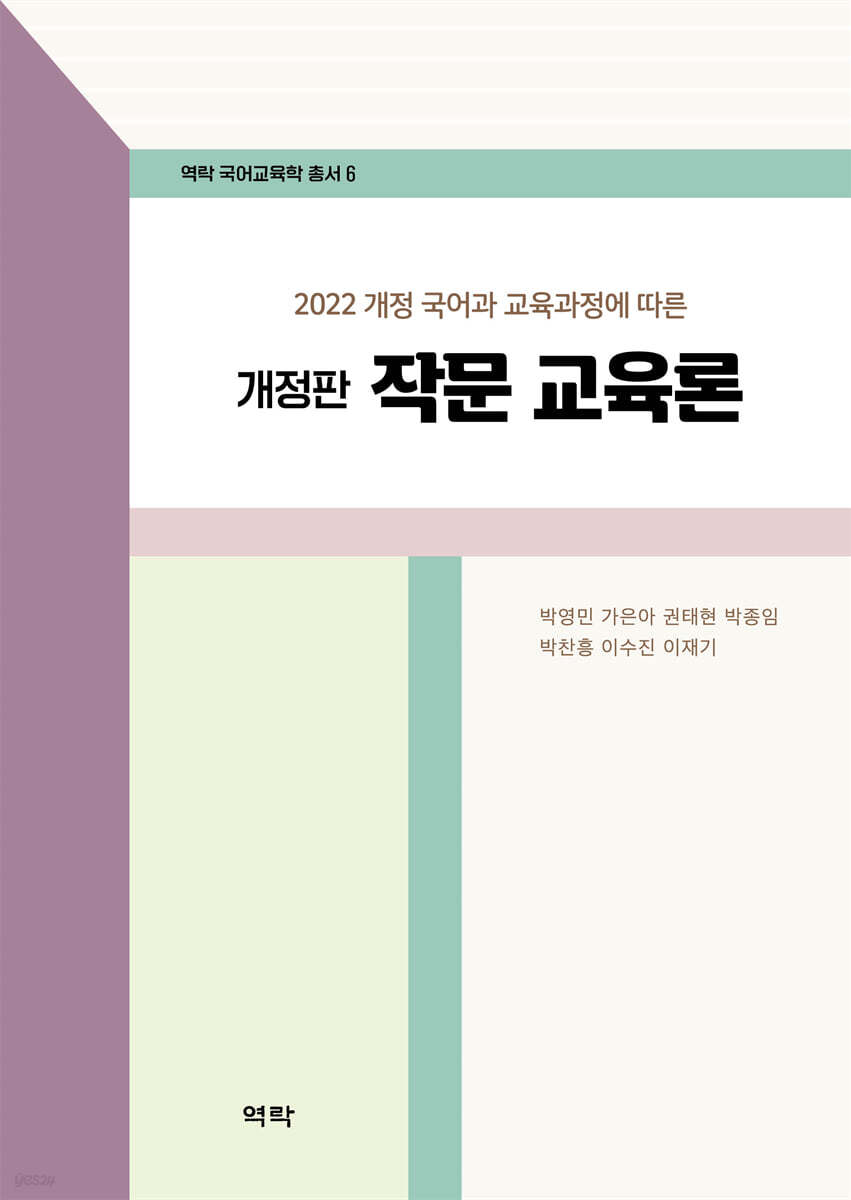
Writing Education Theory
 |
Description
Book Introduction
Spoken language can be learned naturally in daily life.
But does writing necessarily require a learning process? This is a question that students learning to write in school always ask.
It is difficult to deny that the spoken language mentioned above is a skill acquired through learning, although it may be thought that it was learned naturally without any effort.
Considering that spoken language is also mastered through learning, the need for writing education is even greater.
Writing, like reading, is based on written language, which differs greatly from spoken language in its methods, systems, and conventions of expression.
Therefore, unlike listening or speaking, writing must be supported by systematic educational activities.
Without systematic educational support, it is difficult to expect anything more than a simple activity of listing letters.
The reason why professional learning and practice processes are necessary to improve writing skills is because writing skills are related to higher-order thinking functions and complex thinking functions.
When students follow the teaching activities of a Korean language teacher who properly understands and handles a curriculum that appropriately breaks down and organizes higher-order and complex thinking skills into manageable levels, they can systematically and effectively develop their writing skills.
In present-day instruction designed to teach writing skills or strategies, the importance of the Korean language teacher as an expert is emphasized.
This characteristic of writing is also where it differs most from spoken language, such as listening or speaking.
As mentioned before, listening and speaking can be mastered naturally at home without the pain of learning or practicing, but writing requires a learning process and practice to become proficient.
The same goes for reading skills.
Living in a house with lots of books or staying in a place with paper and pencils scattered around doesn't automatically lead to the acquisition of reading or writing skills.
If that were possible, perhaps no one would have difficulty learning to read and write.
The fact that there are illiterate adults who spend their entire lives frustrated without being able to read or write clearly shows that reading and writing skills cannot be acquired that way.
But does writing necessarily require a learning process? This is a question that students learning to write in school always ask.
It is difficult to deny that the spoken language mentioned above is a skill acquired through learning, although it may be thought that it was learned naturally without any effort.
Considering that spoken language is also mastered through learning, the need for writing education is even greater.
Writing, like reading, is based on written language, which differs greatly from spoken language in its methods, systems, and conventions of expression.
Therefore, unlike listening or speaking, writing must be supported by systematic educational activities.
Without systematic educational support, it is difficult to expect anything more than a simple activity of listing letters.
The reason why professional learning and practice processes are necessary to improve writing skills is because writing skills are related to higher-order thinking functions and complex thinking functions.
When students follow the teaching activities of a Korean language teacher who properly understands and handles a curriculum that appropriately breaks down and organizes higher-order and complex thinking skills into manageable levels, they can systematically and effectively develop their writing skills.
In present-day instruction designed to teach writing skills or strategies, the importance of the Korean language teacher as an expert is emphasized.
This characteristic of writing is also where it differs most from spoken language, such as listening or speaking.
As mentioned before, listening and speaking can be mastered naturally at home without the pain of learning or practicing, but writing requires a learning process and practice to become proficient.
The same goes for reading skills.
Living in a house with lots of books or staying in a place with paper and pencils scattered around doesn't automatically lead to the acquisition of reading or writing skills.
If that were possible, perhaps no one would have difficulty learning to read and write.
The fact that there are illiterate adults who spend their entire lives frustrated without being able to read or write clearly shows that reading and writing skills cannot be acquired that way.
index
Part 1: Theoretical Basis for Writing Education
Chapter 1: The Need and Direction of Writing Education
1.
Why Writing Education Is Necessary
2.
Principles for writing well
3.
Functions and characteristics of writing
Chapter 2: Development of Composition Theory
1.
The development of formalist writing theory
2.
The development of cognitive writing theory
3.
The development of social constructivist writing theory
4.
The development of expressionist writing theory
5.
The development of dialogical writing theory
Chapter 3 Cognitive Factors of Writing Ability
1.
Writing knowledge
2.
Writing Skills and Strategies
3.
metacognitive strategies
Chapter 4: Definitive Factors of Writing
1.
Why definitional factors are important
2.
Why there was little interest in defining factors
3.
Motivation to write
4.
Writing efficacy
5.
Writing anxiety
6.
Writing Ethics
Chapter 5: Development of Writing Skills
1.
Development of writing as a foundational literacy skill
2.
Development of writing as a higher-order thinking skill
Part 2: Practical Methods of Teaching Writing
Chapter 6: Writing Process and Strategies
1.
The process and characteristics of writing
2.
Cognitive Process Model of Writing
3.
Strategies for the Writing Process
Chapter 7 Writing Curriculum
1.
Syllabus
2.
1st to 3rd Korean language curriculum
3.
4th Korean Language Curriculum
4.
5th to 7th Korean language curriculum
5.
2007~2015 Korean Language Curriculum
6.
2022 Korean Language Curriculum
Chapter 8: Writing Textbook
1.
Unit organization method
2.
How to structure the grand finale
3.
How to structure a small unit
4.
Writing Theory? Applying the Strategy Textbook in Practice
5.
A plan to restructure writing textbooks
Chapter 9: Teaching and Learning Writing
1.
Teaching Writing? The Concept of Learning
2.
Various writing teaching and learning methods
Chapter 10: Understanding and Practice of Writing Assessment
1.
Theory of Writing Assessment
2.
Validity and reliability of writing assessments
3.
Methods of evaluating writing
4.
Development of writing assignments
5.
Grading and Feedback for Writing Assessments
Part 3: The Reality and Prospects of Writing Education
Chapter 11: Writing to Convey Information
1.
The essence of writing to convey information
2.
How to write to convey information
3.
The Practice of Writing to Convey Information
Chapter 12: Writing Persuasively
1.
The Essence of Persuasive Writing
2.
Persuasive Writing and Argument Structure
3.
The Reality of Persuasive Writing
Chapter 13: Writing about Emotional Expression and Self-Reflection
1.
The Essence of Emotional Expression and Self-Reflective Writing
2.
How to Write an Emotional and Self-Reflective Essay
3.
The practice of emotional expression and self-reflection writing
Chapter 14: Expanding Writing Education: Digital Writing
1.
Changing Writing Environments and Digital Writing
2.
Digital Writing Process and Guidance
3.
Generative AI and the Transformation of Writing
Chapter 1: The Need and Direction of Writing Education
1.
Why Writing Education Is Necessary
2.
Principles for writing well
3.
Functions and characteristics of writing
Chapter 2: Development of Composition Theory
1.
The development of formalist writing theory
2.
The development of cognitive writing theory
3.
The development of social constructivist writing theory
4.
The development of expressionist writing theory
5.
The development of dialogical writing theory
Chapter 3 Cognitive Factors of Writing Ability
1.
Writing knowledge
2.
Writing Skills and Strategies
3.
metacognitive strategies
Chapter 4: Definitive Factors of Writing
1.
Why definitional factors are important
2.
Why there was little interest in defining factors
3.
Motivation to write
4.
Writing efficacy
5.
Writing anxiety
6.
Writing Ethics
Chapter 5: Development of Writing Skills
1.
Development of writing as a foundational literacy skill
2.
Development of writing as a higher-order thinking skill
Part 2: Practical Methods of Teaching Writing
Chapter 6: Writing Process and Strategies
1.
The process and characteristics of writing
2.
Cognitive Process Model of Writing
3.
Strategies for the Writing Process
Chapter 7 Writing Curriculum
1.
Syllabus
2.
1st to 3rd Korean language curriculum
3.
4th Korean Language Curriculum
4.
5th to 7th Korean language curriculum
5.
2007~2015 Korean Language Curriculum
6.
2022 Korean Language Curriculum
Chapter 8: Writing Textbook
1.
Unit organization method
2.
How to structure the grand finale
3.
How to structure a small unit
4.
Writing Theory? Applying the Strategy Textbook in Practice
5.
A plan to restructure writing textbooks
Chapter 9: Teaching and Learning Writing
1.
Teaching Writing? The Concept of Learning
2.
Various writing teaching and learning methods
Chapter 10: Understanding and Practice of Writing Assessment
1.
Theory of Writing Assessment
2.
Validity and reliability of writing assessments
3.
Methods of evaluating writing
4.
Development of writing assignments
5.
Grading and Feedback for Writing Assessments
Part 3: The Reality and Prospects of Writing Education
Chapter 11: Writing to Convey Information
1.
The essence of writing to convey information
2.
How to write to convey information
3.
The Practice of Writing to Convey Information
Chapter 12: Writing Persuasively
1.
The Essence of Persuasive Writing
2.
Persuasive Writing and Argument Structure
3.
The Reality of Persuasive Writing
Chapter 13: Writing about Emotional Expression and Self-Reflection
1.
The Essence of Emotional Expression and Self-Reflective Writing
2.
How to Write an Emotional and Self-Reflective Essay
3.
The practice of emotional expression and self-reflection writing
Chapter 14: Expanding Writing Education: Digital Writing
1.
Changing Writing Environments and Digital Writing
2.
Digital Writing Process and Guidance
3.
Generative AI and the Transformation of Writing
GOODS SPECIFICS
- Date of issue: October 27, 2025
- Page count, weight, size: 588 pages | 176*248*25mm
- ISBN13: 9791173962097
You may also like
카테고리
korean


korean

![GQ KOREA Mark (Monthly): December [2025]](http://librairie.coreenne.fr/cdn/shop/files/8ef265dbbfbf186523ed75ba7319009d.jpg?v=1765340328&width=3840)


