

Slow Aging Recipe
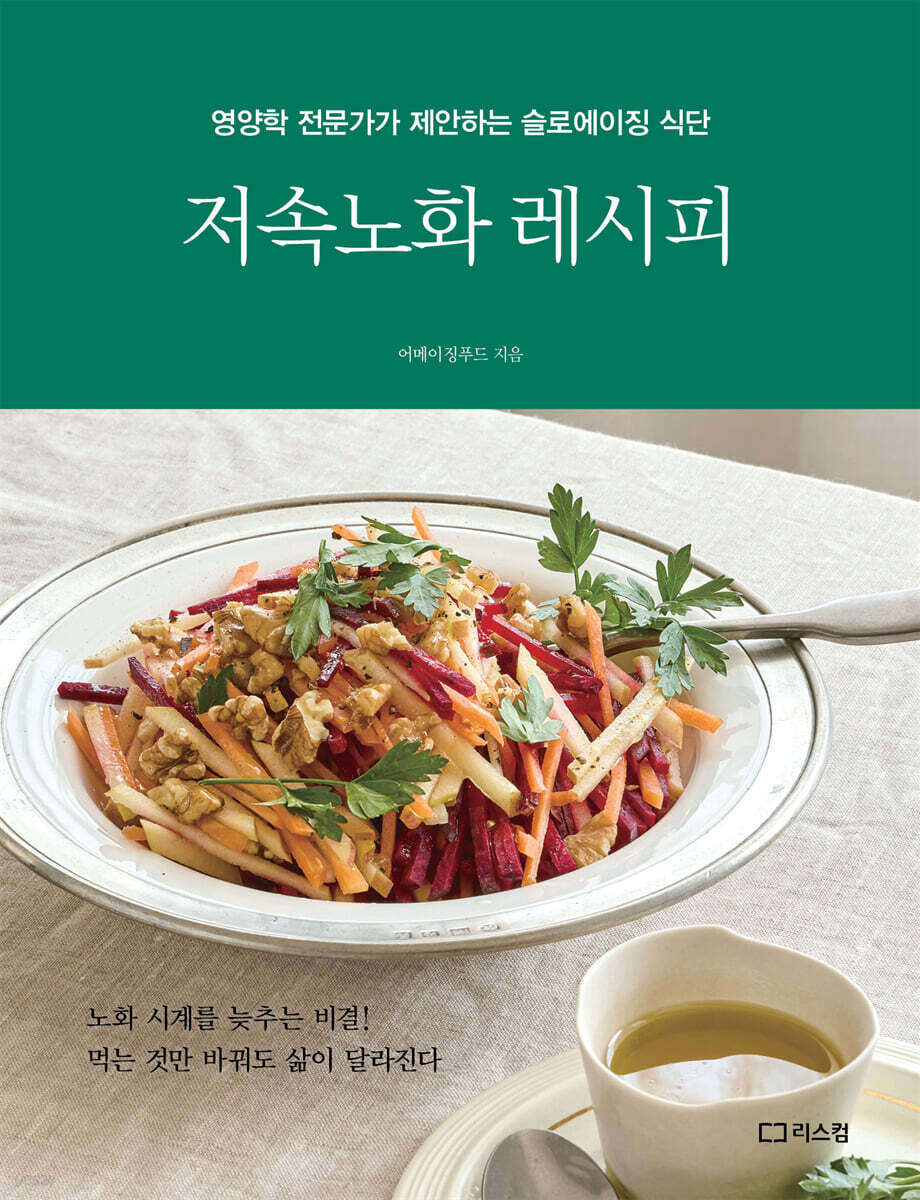 |
Description
Book Introduction
72 Balanced, Healthy Recipes to Slow Aging
Aging happens to everyone, but it can be slowed down.
"Slow Aging Recipe" introduces a diet that slows down the body's clock.
Part 1 explains the concept and principles of slow aging and why eating habits are a key factor in determining aging.
In particular, it is easy to understand how antioxidant and anti-inflammatory nutrients, the balance of food groups, and eating rhythm change the body's age.
Part 2 contains 72 recipes that can actually help you achieve slow aging.
It consists of five parts of the human body: blood vessels, muscles, bones, intestines, and skin, and presents a complete slow-aging routine that can be 'understood in theory and put into practice right at the table.'
This is a must-have practical health book for anyone who wants to extend their healthy lifespan without losing the pleasure of eating.
Aging happens to everyone, but it can be slowed down.
"Slow Aging Recipe" introduces a diet that slows down the body's clock.
Part 1 explains the concept and principles of slow aging and why eating habits are a key factor in determining aging.
In particular, it is easy to understand how antioxidant and anti-inflammatory nutrients, the balance of food groups, and eating rhythm change the body's age.
Part 2 contains 72 recipes that can actually help you achieve slow aging.
It consists of five parts of the human body: blood vessels, muscles, bones, intestines, and skin, and presents a complete slow-aging routine that can be 'understood in theory and put into practice right at the table.'
This is a must-have practical health book for anyone who wants to extend their healthy lifespan without losing the pleasure of eating.
- You can preview some of the book's contents.
Preview
index
Part 1: What is slow aging?
Understanding Aging Properly
Smart Slow-Aging Diet
Nutrients needed for slow aging
5 Guides to a Slow-Aging Diet
How to store fresh ingredients and how to cook them
Slow Aging Q&A
Part 2: Smart, Slow-Aging Recipe
Part 1) Slow-Aging Recipe for Healthy Blood Vessels
Chickpea Falafel
Lentil and Cabbage Stir-fry
Mediterranean-style braised mackerel
Salmon Papiliot
Chickpea Tomato Shakshuka
Chickpea and Egg Salad
Stir-fried celery and perilla seeds
Cabbage salad with sesame oil
Pea Burrata Salad
Beef Lentil Poke
Grilled salmon rice bowl
Bean curd focaccia
Garlic Chickpea Soup
Apple and Peanut Spread
Part 2) Slow-Aging Recipe to Revitalize Your Muscles
Spinach Tomato Frittata
Soft tofu salad
Fried soft tofu
Smoked duck and vegetable stew
Soft tofu seaweed roll tempura
Beef and Zucchini Pancake
Braised chicken breast
roast chicken
Chicken Paella
Quinoa Chicken Porridge
Oyakodon
Chicken Tortilla
Chop Steak Rice Bowl
Stuffed Eggs
Chicken Breast Tofu Noodle Salad
Pea and Corn Pancakes
Part 3) A slow-aging recipe that fills your bones
Seafood salad
Bouillabaisse
Zucchini Ricotta Roll
Shrimp and Mushroom Pancake
Seaweed Oil Pasta
Spicy oyster pasta
Green Onion Cream Cheese Whole Wheat Bagel
Grilled Shrimp with Cheese Sauce
Tuna Tataki
Milk Egg Curry
Vongole Asparagus Risotto
Black Bean Sherbet
Part 4) Slow-Aging Recipe to Protect Your Gut Health
Modern Frittata
Konjac noodle japchae
Lotus root, broccoli, and perilla leaf salad
Collavision
Eggplant Capotana
Spinach Warm Salad
Eastern European-style cabbage wraps
Ratatouille
Couscous Salad
Stir-fried Celery Rice Noodles
Mediterranean Whole Wheat Salad
Dried Fruit Oatmeal Cookies
Avocado Open Sandwich
Berry Chia Pudding
Natto Bibimbap
Part 5) Slow-Aging Recipe for Elastic Skin
Apple Beet Carrot Salad
Grilled Shiitake Mushrooms and Cabbage Wraps
Strawberry and Sedum Salad
Apple Chicory Salad
Orange Arugula Salad
Tomato Carpaccio
Tomato Cucumber Salad
Eggplant Pizza
Greek salad
Fruit Tartine
Fruit Pancakes
Lemon Fosset
Tofu Banana Smoothie
Greek Yogurt Bark
Fig Greek Yogurt
Understanding Aging Properly
Smart Slow-Aging Diet
Nutrients needed for slow aging
5 Guides to a Slow-Aging Diet
How to store fresh ingredients and how to cook them
Slow Aging Q&A
Part 2: Smart, Slow-Aging Recipe
Part 1) Slow-Aging Recipe for Healthy Blood Vessels
Chickpea Falafel
Lentil and Cabbage Stir-fry
Mediterranean-style braised mackerel
Salmon Papiliot
Chickpea Tomato Shakshuka
Chickpea and Egg Salad
Stir-fried celery and perilla seeds
Cabbage salad with sesame oil
Pea Burrata Salad
Beef Lentil Poke
Grilled salmon rice bowl
Bean curd focaccia
Garlic Chickpea Soup
Apple and Peanut Spread
Part 2) Slow-Aging Recipe to Revitalize Your Muscles
Spinach Tomato Frittata
Soft tofu salad
Fried soft tofu
Smoked duck and vegetable stew
Soft tofu seaweed roll tempura
Beef and Zucchini Pancake
Braised chicken breast
roast chicken
Chicken Paella
Quinoa Chicken Porridge
Oyakodon
Chicken Tortilla
Chop Steak Rice Bowl
Stuffed Eggs
Chicken Breast Tofu Noodle Salad
Pea and Corn Pancakes
Part 3) A slow-aging recipe that fills your bones
Seafood salad
Bouillabaisse
Zucchini Ricotta Roll
Shrimp and Mushroom Pancake
Seaweed Oil Pasta
Spicy oyster pasta
Green Onion Cream Cheese Whole Wheat Bagel
Grilled Shrimp with Cheese Sauce
Tuna Tataki
Milk Egg Curry
Vongole Asparagus Risotto
Black Bean Sherbet
Part 4) Slow-Aging Recipe to Protect Your Gut Health
Modern Frittata
Konjac noodle japchae
Lotus root, broccoli, and perilla leaf salad
Collavision
Eggplant Capotana
Spinach Warm Salad
Eastern European-style cabbage wraps
Ratatouille
Couscous Salad
Stir-fried Celery Rice Noodles
Mediterranean Whole Wheat Salad
Dried Fruit Oatmeal Cookies
Avocado Open Sandwich
Berry Chia Pudding
Natto Bibimbap
Part 5) Slow-Aging Recipe for Elastic Skin
Apple Beet Carrot Salad
Grilled Shiitake Mushrooms and Cabbage Wraps
Strawberry and Sedum Salad
Apple Chicory Salad
Orange Arugula Salad
Tomato Carpaccio
Tomato Cucumber Salad
Eggplant Pizza
Greek salad
Fruit Tartine
Fruit Pancakes
Lemon Fosset
Tofu Banana Smoothie
Greek Yogurt Bark
Fig Greek Yogurt
Detailed image

Publisher's Review
There's a reason why people who don't age eat the way they do.
It is natural for people to age, but the rate at which this occurs varies from person to person.
Some people remain vibrant even after they are over 60, while others struggle with fatigue and pain starting in their 40s.
The difference ultimately comes down to 'how you eat'.
"Slow Aging Recipe" scientifically explains the secrets of the eating habits that make such a difference.
The main culprits that accelerate aging are metabolic imbalances such as oxidative stress, inflammation, blood sugar imbalance, and muscle loss.
The author suggests a 'balanced diet' as the key to slowing down these four factors.
Omega-3s that cleanse blood vessels, proteins that protect muscles, calcium that strengthens bones, dietary fiber for intestinal health, and even antioxidant foods that maintain skin elasticity…
This book explains specifically which nutrients slow down your body's clock in which way.
It makes you look at food not just as a simple 'act of eating', but as a 'way to keep your body young'.
Slow aging from theory to table, right into practice
This book is not a health book that can be understood only with the head.
The greatest strength of this book is that it is an integrated practical book that includes both ‘theory’ and ‘recipes.’
Part 1 explains the basic concepts of slow aging, lifestyle habits that slow aging, and the role of nutrients in a simple and clear way.
How antioxidants such as vitamins A, C, and E, polyphenols, omega-3, and selenium prevent cell damage and inflammation, and how dietary fiber and fermented foods affect gut and blood vessel health.
First, let us understand 'why this diet is necessary'.
Part 2 helps you put that theory into practice on the dining table.
The entire recipe is centered around the five axes of the human body: blood vessels, muscles, bones, intestines, and skin.
Part 1: Recipes for Healthy Blood Vessels, Part 2: Recipes for Energizing Muscles, Part 3: Recipes for Filling Bones, Part 4: Recipes for Intestinal Health, and Part 5: Recipes for Elastic Skin.
Each dish is filled with practical menus that anyone can easily follow, such as one-dish rice bowls, soups, brunches, side dishes, and salads.
It is not simply a ‘healthy diet’, but a customized diet aimed at restoring the function of each part.
The cooking process is simple enough for even those who don't cook often to try, but the nutritional balance is thoroughly calculated.
Through this book, you will naturally understand the theory and put it into practice right at your table.
In addition, we have compiled the most frequently asked questions by readers new to slow aging in a Q&A format.
Nutrition experts directly answer questions that people encounter in real life, such as 'The relationship between diet and diet', 'How should I control eating out, coffee, alcohol, and sweets', and 'What kind of exercise is good to do when practicing slow aging', so you can understand the principles and practical tips of the slow aging diet at a glance just by reading it.
The surest way to slow down your body's clock after your 40s
After the age of 40, physical strength, immunity, and recovery ability gradually decline.
If you eat well, you will gain weight quickly, and if you stay up all night, you will be tired for several days.
This book finds the cause not in simple aging, but in a decline in metabolic function.
In other words, the ‘engine inside the body’ slows down.
The way to revive it lies in a proper eating routine.
If you eat even one proper meal a day, your body's clock will start to slow down again.
The author emphasizes 'how to not age while eating deliciously' instead of 'a diet that is unconditionally restrictive'.
The recipes in this book are practical ways to regain your health without sacrificing the joy of eating.
The message, especially for readers in their 40s to 60s, is clear.
“It’s not too late, even now!”
It's easy to think that vascular elasticity, muscle mass, and skin health are difficult to regain once lost, but the author says that daily diet can make a big difference.
Aging cannot be avoided, but controlling the rate of aging is a choice we can make.
"Slow Aging Recipe" shows you how to make that choice in the easiest to understand and most practical way.
[Features of this book]
A practical health book with both theory and recipes
This book contains the principles and practical diet methods for slowing down aging.
Part 1 provides an easy-to-understand explanation of the concepts and principles of slow aging and why nutrition is important.
Part 2 introduces 72 recipes for healthy blood vessels, muscles, bones, intestines, and skin.
This is an integrated theory + recipe book that you can read, understand, and put into practice at the table right away.
Protein and calcium balance to keep muscles and bones strong
Sarcopenia and bone density loss are major contributors to accelerated aging.
The key is to consume a balanced diet of protein, essential amino acids, calcium, and vitamin D.
This book provides specific dietary strategies for maintaining youthful muscles and bones, including protein quality and absorption, and the right balance of calcium and vitamin D.
Learn how to protect your muscles and bones with your daily diet.
A balanced diet that aids digestion and soothes the stomach
As we age, our digestive abilities also decline.
This book is composed of recipes centered around ingredients that aid digestion, such as dietary fiber, fermented foods, and plant-based proteins that correct the intestinal environment.
If you are at ease, your body will become younger.
You can practice a 'comfortable, slow-aging diet' that strengthens the intestines, helps with nutrient absorption, and reduces fatigue.
Antioxidant recipes that slow the aging of blood vessels and skin
Blood vessels and skin are areas where aging is particularly noticeable.
Antioxidant nutrients and food ingredients that reduce active oxygen are key.
We'll show you how to keep your blood vessels clean and your skin elastic by using vegetables and fruits rich in vitamins C and E, polyphenols, and anthocyanins, as well as fish and nuts rich in omega-3.
You can feel the change of your body becoming younger from the inside out with 'edible antioxidants'.
A healthy, easy-to-follow daily eating habit
Slow aging isn't about a fancy diet, it's about daily habits.
The recipes in this book are organized into side dishes, rice bowls, salads, soups, and more that anyone can easily make at their daily table.
You can be healthy without using complicated recipes.
You can start slowing down aging with just one meal in the morning and one plate in the evening.
The surest way to slow down your body's clock after your 40s
What is most important at an age when physical strength declines and recovery becomes slower is consistent dietary management.
This book demonstrates the fact that 'eating is youth' through specific diets.
You can't stop aging, but you can slow it down.
This book will help you see for yourself that today's meals determine your age tomorrow.
It is natural for people to age, but the rate at which this occurs varies from person to person.
Some people remain vibrant even after they are over 60, while others struggle with fatigue and pain starting in their 40s.
The difference ultimately comes down to 'how you eat'.
"Slow Aging Recipe" scientifically explains the secrets of the eating habits that make such a difference.
The main culprits that accelerate aging are metabolic imbalances such as oxidative stress, inflammation, blood sugar imbalance, and muscle loss.
The author suggests a 'balanced diet' as the key to slowing down these four factors.
Omega-3s that cleanse blood vessels, proteins that protect muscles, calcium that strengthens bones, dietary fiber for intestinal health, and even antioxidant foods that maintain skin elasticity…
This book explains specifically which nutrients slow down your body's clock in which way.
It makes you look at food not just as a simple 'act of eating', but as a 'way to keep your body young'.
Slow aging from theory to table, right into practice
This book is not a health book that can be understood only with the head.
The greatest strength of this book is that it is an integrated practical book that includes both ‘theory’ and ‘recipes.’
Part 1 explains the basic concepts of slow aging, lifestyle habits that slow aging, and the role of nutrients in a simple and clear way.
How antioxidants such as vitamins A, C, and E, polyphenols, omega-3, and selenium prevent cell damage and inflammation, and how dietary fiber and fermented foods affect gut and blood vessel health.
First, let us understand 'why this diet is necessary'.
Part 2 helps you put that theory into practice on the dining table.
The entire recipe is centered around the five axes of the human body: blood vessels, muscles, bones, intestines, and skin.
Part 1: Recipes for Healthy Blood Vessels, Part 2: Recipes for Energizing Muscles, Part 3: Recipes for Filling Bones, Part 4: Recipes for Intestinal Health, and Part 5: Recipes for Elastic Skin.
Each dish is filled with practical menus that anyone can easily follow, such as one-dish rice bowls, soups, brunches, side dishes, and salads.
It is not simply a ‘healthy diet’, but a customized diet aimed at restoring the function of each part.
The cooking process is simple enough for even those who don't cook often to try, but the nutritional balance is thoroughly calculated.
Through this book, you will naturally understand the theory and put it into practice right at your table.
In addition, we have compiled the most frequently asked questions by readers new to slow aging in a Q&A format.
Nutrition experts directly answer questions that people encounter in real life, such as 'The relationship between diet and diet', 'How should I control eating out, coffee, alcohol, and sweets', and 'What kind of exercise is good to do when practicing slow aging', so you can understand the principles and practical tips of the slow aging diet at a glance just by reading it.
The surest way to slow down your body's clock after your 40s
After the age of 40, physical strength, immunity, and recovery ability gradually decline.
If you eat well, you will gain weight quickly, and if you stay up all night, you will be tired for several days.
This book finds the cause not in simple aging, but in a decline in metabolic function.
In other words, the ‘engine inside the body’ slows down.
The way to revive it lies in a proper eating routine.
If you eat even one proper meal a day, your body's clock will start to slow down again.
The author emphasizes 'how to not age while eating deliciously' instead of 'a diet that is unconditionally restrictive'.
The recipes in this book are practical ways to regain your health without sacrificing the joy of eating.
The message, especially for readers in their 40s to 60s, is clear.
“It’s not too late, even now!”
It's easy to think that vascular elasticity, muscle mass, and skin health are difficult to regain once lost, but the author says that daily diet can make a big difference.
Aging cannot be avoided, but controlling the rate of aging is a choice we can make.
"Slow Aging Recipe" shows you how to make that choice in the easiest to understand and most practical way.
[Features of this book]
A practical health book with both theory and recipes
This book contains the principles and practical diet methods for slowing down aging.
Part 1 provides an easy-to-understand explanation of the concepts and principles of slow aging and why nutrition is important.
Part 2 introduces 72 recipes for healthy blood vessels, muscles, bones, intestines, and skin.
This is an integrated theory + recipe book that you can read, understand, and put into practice at the table right away.
Protein and calcium balance to keep muscles and bones strong
Sarcopenia and bone density loss are major contributors to accelerated aging.
The key is to consume a balanced diet of protein, essential amino acids, calcium, and vitamin D.
This book provides specific dietary strategies for maintaining youthful muscles and bones, including protein quality and absorption, and the right balance of calcium and vitamin D.
Learn how to protect your muscles and bones with your daily diet.
A balanced diet that aids digestion and soothes the stomach
As we age, our digestive abilities also decline.
This book is composed of recipes centered around ingredients that aid digestion, such as dietary fiber, fermented foods, and plant-based proteins that correct the intestinal environment.
If you are at ease, your body will become younger.
You can practice a 'comfortable, slow-aging diet' that strengthens the intestines, helps with nutrient absorption, and reduces fatigue.
Antioxidant recipes that slow the aging of blood vessels and skin
Blood vessels and skin are areas where aging is particularly noticeable.
Antioxidant nutrients and food ingredients that reduce active oxygen are key.
We'll show you how to keep your blood vessels clean and your skin elastic by using vegetables and fruits rich in vitamins C and E, polyphenols, and anthocyanins, as well as fish and nuts rich in omega-3.
You can feel the change of your body becoming younger from the inside out with 'edible antioxidants'.
A healthy, easy-to-follow daily eating habit
Slow aging isn't about a fancy diet, it's about daily habits.
The recipes in this book are organized into side dishes, rice bowls, salads, soups, and more that anyone can easily make at their daily table.
You can be healthy without using complicated recipes.
You can start slowing down aging with just one meal in the morning and one plate in the evening.
The surest way to slow down your body's clock after your 40s
What is most important at an age when physical strength declines and recovery becomes slower is consistent dietary management.
This book demonstrates the fact that 'eating is youth' through specific diets.
You can't stop aging, but you can slow it down.
This book will help you see for yourself that today's meals determine your age tomorrow.
GOODS SPECIFICS
- Date of issue: November 3, 2025
- Page count, weight, size: 216 pages | 630g | 188*245*11mm
- ISBN13: 9791156167921
You may also like
카테고리
korean


korean

![ELLE 엘르 스페셜 에디션 A형 : 12월 [2025]](http://librairie.coreenne.fr/cdn/shop/files/b8e27a3de6c9538896439686c6b0e8fb.jpg?v=1766436872&width=3840)


