

Easy-to-follow cognitive behavioral therapy for obsessive-compulsive disorder
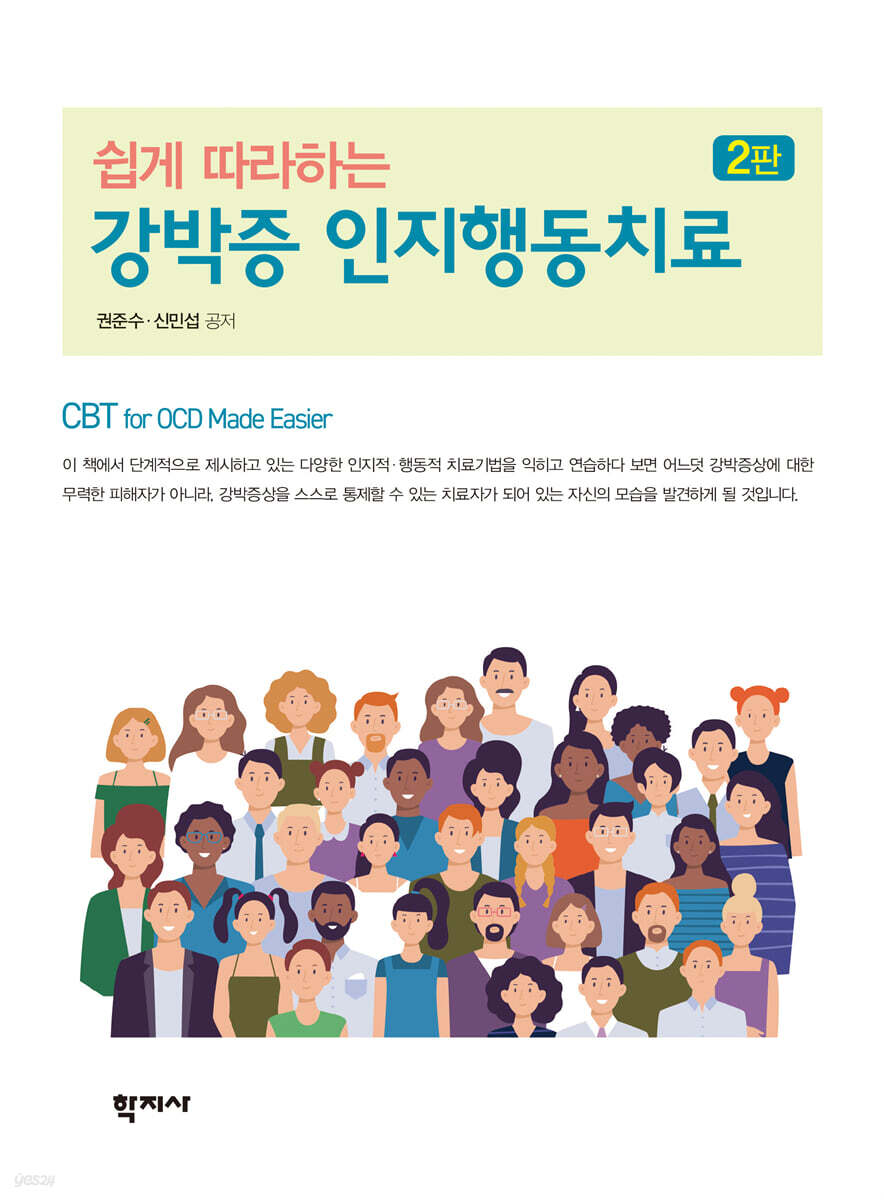 |
Description
Book Introduction
Chapters 1 and 2 provide detailed psychological education on the causes and symptoms of obsessive-compulsive disorder, and Chapter 3 introduces various treatments for obsessive-compulsive disorder, including drug therapy.
Chapters 4 through 7 introduce cognitive behavioral therapy for obsessive-compulsive disorder, followed by a theoretical explanation of exposure and response prevention techniques and a detailed presentation of training methods, providing a step-by-step, friendly guide to self-directed training.
Chapters 8, 9, and 10 present a cognitive model of obsessive-compulsive disorder, followed by step-by-step training to challenge false beliefs and correct cognitive errors common in obsessive-compulsive disorder.
Chapter 11 provides an easy-to-understand introduction to controlling obsessive-compulsive symptoms through mindfulness meditation and acceptance, using case studies.
Finally, Chapters 12 and 13 introduce programs to help you break free from obsessive-compulsive disorder and live a healthy and free life, that is, to lead a healthy life.
Chapters 4 through 7 introduce cognitive behavioral therapy for obsessive-compulsive disorder, followed by a theoretical explanation of exposure and response prevention techniques and a detailed presentation of training methods, providing a step-by-step, friendly guide to self-directed training.
Chapters 8, 9, and 10 present a cognitive model of obsessive-compulsive disorder, followed by step-by-step training to challenge false beliefs and correct cognitive errors common in obsessive-compulsive disorder.
Chapter 11 provides an easy-to-understand introduction to controlling obsessive-compulsive symptoms through mindfulness meditation and acceptance, using case studies.
Finally, Chapters 12 and 13 introduce programs to help you break free from obsessive-compulsive disorder and live a healthy and free life, that is, to lead a healthy life.
index
Author's Preface to the 2nd Edition
Part 1: Understanding Obsessive-Compulsive Disorder
Chapter 1: What is Obsessive-Compulsive Disorder?
1.
Causes of 'Obsessive-Compulsive Disorder'
2.
Other disorders that can be confused with 'obsessive-compulsive disorder'
3.
Prevalence of 'obsessive-compulsive disorder'
4.
Obsessive-compulsive disorder and 'personality'
Chapter 2 Symptoms of Obsessive-Compulsive Disorder
1.
A common obsession is
2.
Common compulsive behaviors include
3.
Various obsessive-compulsive symptoms
4.
Neuropsychology of obsessive-compulsive disorder
Chapter 3: Treatment of Obsessive-Compulsive Disorder
1.
drug treatment
2.
Deep brain stimulation
3.
Gamma Knife
4.
Other OCD Treatments
5.
Course of obsessive-compulsive disorder
Part 2 Self-Directed Program
Chapter 4: CBT for OCD: Introducing a Self-Directed Program for Obsessive-Compulsive Disorder
1.
What is cognitive behavioral therapy (CBT)?
2.
Cognitive-Behavioral Model of Obsessive-Compulsive Disorder and the Purpose of CBT
3. Core Concepts of CBT
Chapter 5 Exposure and Reaction Prevention
1.
Exposure in everyday life
2.
Prevent reaction
Chapter 6: Preparing for Change: Self-Assessment
1.
Case: Anxiety/Exposure Hierarchy (Compulsive Slowness) in Exposure and Response Prevention Training
2.
Exercise: Creating Your Own Anxiety/Exposure Hierarchy
Part 3: A Self-Directed CBT Program for Treating Obsessive-Compulsive Disorder
Chapter 7: Exposure of Imagery
1.
Image exposure method
2.
Describe and record
3.
Training using recordings for image exposure
4.
Examples of cognitive errors during image exposure
Chapter 8: Cognitive Models of Obsessive-Compulsive Disorder and Cognitive Restructuring
1.
The ABCD of False Beliefs
2.
Correcting false beliefs
3.
Cognitive Restructuring: How to Use It and When to Use It
Chapter 9: Step-by-Step Cognitive Restructuring: Challenging False Beliefs
Challenging false beliefs
Chapter 10: Correcting Cognitive Errors Common to Obsessive-Compulsive Disorder
1.
Overestimation of the importance of thinking
2.
Excessive sense of responsibility
3.
Perfectionism and the need for certainty
4.
Overestimation of risk
Chapter 11: Managing Obsessive-Compulsive Disorders Through Mindfulness and Acceptance
1.
Specific suggestions for mindfulness meditation for people with obsessive-compulsive disorder
2.
Seven Basic Principles of Mindfulness Meditation
3.
Practical Use of Mindfulness Meditation to Control Obsessive-Compulsive Symptoms
4.
Let's be aware and do something worthwhile
Part 4: A Healthy Life Free from Obsessive-Compulsive Disorder
Chapter 12 Factors that hinder a healthy lifestyle
1.
A word of advice
2.
Family involvement in obsessive-compulsive disorder treatment
3.
What is the role of parents in obsessive-compulsive disorder (OCD) CBT?
4.
What should families be aware of when involving themselves in treatment?
5.
lack of motivation
Chapter 13 Programs for Maintaining a Healthy Lifestyle
1.
Filling empty time
2.
Eat properly
3.
Get some moderate exercise
4.
Reduce stress
5.
Enjoy a healthy life
References
Search
Part 1: Understanding Obsessive-Compulsive Disorder
Chapter 1: What is Obsessive-Compulsive Disorder?
1.
Causes of 'Obsessive-Compulsive Disorder'
2.
Other disorders that can be confused with 'obsessive-compulsive disorder'
3.
Prevalence of 'obsessive-compulsive disorder'
4.
Obsessive-compulsive disorder and 'personality'
Chapter 2 Symptoms of Obsessive-Compulsive Disorder
1.
A common obsession is
2.
Common compulsive behaviors include
3.
Various obsessive-compulsive symptoms
4.
Neuropsychology of obsessive-compulsive disorder
Chapter 3: Treatment of Obsessive-Compulsive Disorder
1.
drug treatment
2.
Deep brain stimulation
3.
Gamma Knife
4.
Other OCD Treatments
5.
Course of obsessive-compulsive disorder
Part 2 Self-Directed Program
Chapter 4: CBT for OCD: Introducing a Self-Directed Program for Obsessive-Compulsive Disorder
1.
What is cognitive behavioral therapy (CBT)?
2.
Cognitive-Behavioral Model of Obsessive-Compulsive Disorder and the Purpose of CBT
3. Core Concepts of CBT
Chapter 5 Exposure and Reaction Prevention
1.
Exposure in everyday life
2.
Prevent reaction
Chapter 6: Preparing for Change: Self-Assessment
1.
Case: Anxiety/Exposure Hierarchy (Compulsive Slowness) in Exposure and Response Prevention Training
2.
Exercise: Creating Your Own Anxiety/Exposure Hierarchy
Part 3: A Self-Directed CBT Program for Treating Obsessive-Compulsive Disorder
Chapter 7: Exposure of Imagery
1.
Image exposure method
2.
Describe and record
3.
Training using recordings for image exposure
4.
Examples of cognitive errors during image exposure
Chapter 8: Cognitive Models of Obsessive-Compulsive Disorder and Cognitive Restructuring
1.
The ABCD of False Beliefs
2.
Correcting false beliefs
3.
Cognitive Restructuring: How to Use It and When to Use It
Chapter 9: Step-by-Step Cognitive Restructuring: Challenging False Beliefs
Challenging false beliefs
Chapter 10: Correcting Cognitive Errors Common to Obsessive-Compulsive Disorder
1.
Overestimation of the importance of thinking
2.
Excessive sense of responsibility
3.
Perfectionism and the need for certainty
4.
Overestimation of risk
Chapter 11: Managing Obsessive-Compulsive Disorders Through Mindfulness and Acceptance
1.
Specific suggestions for mindfulness meditation for people with obsessive-compulsive disorder
2.
Seven Basic Principles of Mindfulness Meditation
3.
Practical Use of Mindfulness Meditation to Control Obsessive-Compulsive Symptoms
4.
Let's be aware and do something worthwhile
Part 4: A Healthy Life Free from Obsessive-Compulsive Disorder
Chapter 12 Factors that hinder a healthy lifestyle
1.
A word of advice
2.
Family involvement in obsessive-compulsive disorder treatment
3.
What is the role of parents in obsessive-compulsive disorder (OCD) CBT?
4.
What should families be aware of when involving themselves in treatment?
5.
lack of motivation
Chapter 13 Programs for Maintaining a Healthy Lifestyle
1.
Filling empty time
2.
Eat properly
3.
Get some moderate exercise
4.
Reduce stress
5.
Enjoy a healthy life
References
Search
GOODS SPECIFICS
- Date of issue: January 10, 2025
- Format: Paperback book binding method guide
- Page count, weight, size: 168 pages | 173*235*10mm
- ISBN13: 9788999732812
You may also like
카테고리
korean


korean

![ELLE 엘르 스페셜 에디션 A형 : 12월 [2025]](http://librairie.coreenne.fr/cdn/shop/files/b8e27a3de6c9538896439686c6b0e8fb.jpg?v=1766436872&width=3840)


