

Diagnosis and treatment of childhood language disorders
 |
Description
Book Introduction
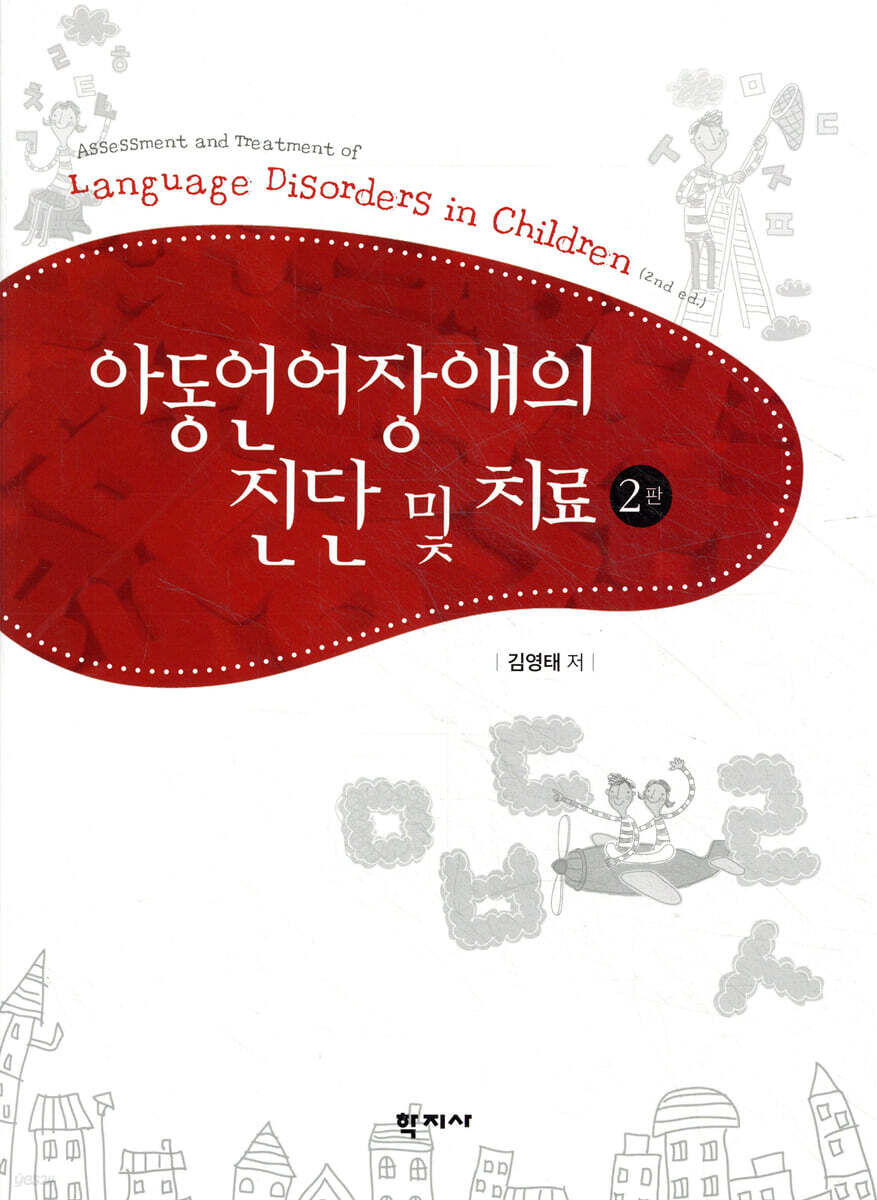
This is a revised edition of 『Diagnosis and Treatment of Childhood Language Disorders』, which was known as the 'Red Book' by students studying speech pathology.
Compared to the first edition, this revised edition includes recent literature and introduces new programs.
Chapter 1 adds the development of later language acquisition skills, such as conversational skills, storytelling skills, and reading skills, to the development of children's language acquisition.
Chapter 2 adds reading disabilities and further supplements recent literature on the definitions of various comorbid disorders and language characteristics.
Chapter 3 is a newly added chapter that includes research on children who are at risk for language development delays and require special attention, such as children from multicultural families or families with parents with disabilities who are at high risk for language environment deficiencies, children who are delayed in speaking, or children who are bilingual.
Chapters 4 through 13 maintain the general framework while supplementing it with recent literature.
Chapter 5 adds many testing tools developed after 2002.
Chapter 14 covers augmentative and alternative communication (AAC) and picture exchange communication programs (PECS) in depth, and introduces AAC programs and apps recently developed domestically and internationally.
Chapters 15 through 17 provide many additional examples of diagnostic reports, treatment plans, and treatment reports for the various types of disorders covered in this revised edition for your reference.
Compared to the first edition, this revised edition includes recent literature and introduces new programs.
Chapter 1 adds the development of later language acquisition skills, such as conversational skills, storytelling skills, and reading skills, to the development of children's language acquisition.
Chapter 2 adds reading disabilities and further supplements recent literature on the definitions of various comorbid disorders and language characteristics.
Chapter 3 is a newly added chapter that includes research on children who are at risk for language development delays and require special attention, such as children from multicultural families or families with parents with disabilities who are at high risk for language environment deficiencies, children who are delayed in speaking, or children who are bilingual.
Chapters 4 through 13 maintain the general framework while supplementing it with recent literature.
Chapter 5 adds many testing tools developed after 2002.
Chapter 14 covers augmentative and alternative communication (AAC) and picture exchange communication programs (PECS) in depth, and introduces AAC programs and apps recently developed domestically and internationally.
Chapters 15 through 17 provide many additional examples of diagnostic reports, treatment plans, and treatment reports for the various types of disorders covered in this revised edition for your reference.
index
Preface to the 2nd edition
Preface to the 1st edition
Part 1: Characteristics of Language Development and Language Disorders in Children
Chapter 1: Language Acquisition and Development in Children
I.
Theory of language acquisition in children
II.
Development of language and communication skills
III.
Development of conversational skills
IV.
Development of storytelling skills
V.
Development of reading skills
Chapter 2 Characteristics of Childhood Language Disorders
I.
Characteristics of disability types by language area
II.
simple language impairment
III.
reading disability
IV.
Disorders with language impairment: autism spectrum disorder
V.
Disabilities with language impairment: intellectual disability
VI.
Disabilities that accompany language impairment: hearing impairment
Chapter 3: Linguistic Characteristics of Children at Risk for Language Impairment
I.
Linguistic characteristics of children in language-deficient environments
II.
Linguistic characteristics of late-talking and bilingual children
Part 2 Diagnosis and Evaluation of Childhood Language Disorders
Chapter 4 Evaluation Procedures and Contents
I.
Evaluation Procedure
II.
Evaluation Contents
III.
Evaluation method
Chapter 5: Language Assessment through Test Tools
I.
Korean inspection tools
II.
Test tools introduced in foreign literature
Chapter 6: Dynamic-Interactive Language Assessment
I.
Theoretical Basis of Dynamic-Interactive Language Assessment
II.
Language assessment based on a dynamic-interactive assessment model
III. Dynamic language assessment based on ZPD
Chapter 7: Phonological Development Assessment
I.
Theoretical basis of phonological analysis
II.
Evaluation of phonological errors in Korean
III.
Phonological Characteristics of Korean Children with Typical and Articulation Disorders
Part 3: Language Diagnostic Methods through Spontaneous Speech Analysis
Chapter 8: Collection and Recording of Spontaneous Specimens
I.
Collection of spontaneous specimens
II.
Transcription of spontaneous samples
Chapter 9 Semantic Analysis
I.
Semantic types and semantic relationships
II.
Vocabulary diversity
Chapter 10: Syntactic Analysis
I.
Analysis of average utterance length
II.
Analysis of grammatical morphemes and syntactic types
Chapter 11 Pragmatic Analysis
I.
Basis for pragmatic analysis
II.
Pragmatic analysis method
Part 4: Treatment of Language and Communication Disorders
Chapter 12: Speech-Language Therapy Approaches
I.
A General Review of Speech Therapy Approaches
II.
Functional speech therapy
Chapter 13: Language Therapy Through Play in Early Childhood
I.
Symbolic play and the development of language behavior
II.
Examples of activities to promote receptive language skills through play
III.
Examples of activities to promote expressive language through play
Chapter 14 Specific Speech Therapy Programs
I.
Language therapy using script context
II.
Word search training
III.
Speech therapy for referential communication skills
IV.
Environment-Centered Language Intervention Program
V.
Augmentative and alternative communication
VI.
Picture Exchange Communication Program (PECS)
VII.
VanDyke Language Transfer Communication Program
Part 5: How to Write a Language Disorder Diagnostic Report and Treatment Plan
Chapter 15: Writing a Diagnostic Report
I.
How to write a diagnostic report
II.
Language Diagnostic Report Case Study
Chapter 16: Writing a Short-Term and Long-Term Treatment Plan
I.
How to Write a Short-Term and Long-Term Treatment Plan
II.
Short-term and long-term treatment plan examples
Chapter 17: Writing a Treatment Report
I.
Writing of treatment reports and cases by session
II.
Preparation and Case Studies of Progress Reports
References
Search
Preface to the 1st edition
Part 1: Characteristics of Language Development and Language Disorders in Children
Chapter 1: Language Acquisition and Development in Children
I.
Theory of language acquisition in children
II.
Development of language and communication skills
III.
Development of conversational skills
IV.
Development of storytelling skills
V.
Development of reading skills
Chapter 2 Characteristics of Childhood Language Disorders
I.
Characteristics of disability types by language area
II.
simple language impairment
III.
reading disability
IV.
Disorders with language impairment: autism spectrum disorder
V.
Disabilities with language impairment: intellectual disability
VI.
Disabilities that accompany language impairment: hearing impairment
Chapter 3: Linguistic Characteristics of Children at Risk for Language Impairment
I.
Linguistic characteristics of children in language-deficient environments
II.
Linguistic characteristics of late-talking and bilingual children
Part 2 Diagnosis and Evaluation of Childhood Language Disorders
Chapter 4 Evaluation Procedures and Contents
I.
Evaluation Procedure
II.
Evaluation Contents
III.
Evaluation method
Chapter 5: Language Assessment through Test Tools
I.
Korean inspection tools
II.
Test tools introduced in foreign literature
Chapter 6: Dynamic-Interactive Language Assessment
I.
Theoretical Basis of Dynamic-Interactive Language Assessment
II.
Language assessment based on a dynamic-interactive assessment model
III. Dynamic language assessment based on ZPD
Chapter 7: Phonological Development Assessment
I.
Theoretical basis of phonological analysis
II.
Evaluation of phonological errors in Korean
III.
Phonological Characteristics of Korean Children with Typical and Articulation Disorders
Part 3: Language Diagnostic Methods through Spontaneous Speech Analysis
Chapter 8: Collection and Recording of Spontaneous Specimens
I.
Collection of spontaneous specimens
II.
Transcription of spontaneous samples
Chapter 9 Semantic Analysis
I.
Semantic types and semantic relationships
II.
Vocabulary diversity
Chapter 10: Syntactic Analysis
I.
Analysis of average utterance length
II.
Analysis of grammatical morphemes and syntactic types
Chapter 11 Pragmatic Analysis
I.
Basis for pragmatic analysis
II.
Pragmatic analysis method
Part 4: Treatment of Language and Communication Disorders
Chapter 12: Speech-Language Therapy Approaches
I.
A General Review of Speech Therapy Approaches
II.
Functional speech therapy
Chapter 13: Language Therapy Through Play in Early Childhood
I.
Symbolic play and the development of language behavior
II.
Examples of activities to promote receptive language skills through play
III.
Examples of activities to promote expressive language through play
Chapter 14 Specific Speech Therapy Programs
I.
Language therapy using script context
II.
Word search training
III.
Speech therapy for referential communication skills
IV.
Environment-Centered Language Intervention Program
V.
Augmentative and alternative communication
VI.
Picture Exchange Communication Program (PECS)
VII.
VanDyke Language Transfer Communication Program
Part 5: How to Write a Language Disorder Diagnostic Report and Treatment Plan
Chapter 15: Writing a Diagnostic Report
I.
How to write a diagnostic report
II.
Language Diagnostic Report Case Study
Chapter 16: Writing a Short-Term and Long-Term Treatment Plan
I.
How to Write a Short-Term and Long-Term Treatment Plan
II.
Short-term and long-term treatment plan examples
Chapter 17: Writing a Treatment Report
I.
Writing of treatment reports and cases by session
II.
Preparation and Case Studies of Progress Reports
References
Search
GOODS SPECIFICS
- Date of issue: August 19, 2014
- Format: Hardcover book binding method guide
- Page count, weight, size: 640 pages | Checking size
- ISBN13: 9788999704512
- ISBN10: 8999704513
You may also like
카테고리
korean


korean

![ELLE 엘르 스페셜 에디션 A형 : 12월 [2025]](http://librairie.coreenne.fr/cdn/shop/files/b8e27a3de6c9538896439686c6b0e8fb.jpg?v=1766436872&width=3840)


