

Reading the Geopolitics of Japan's Warring States Period: 130 Years on a Map
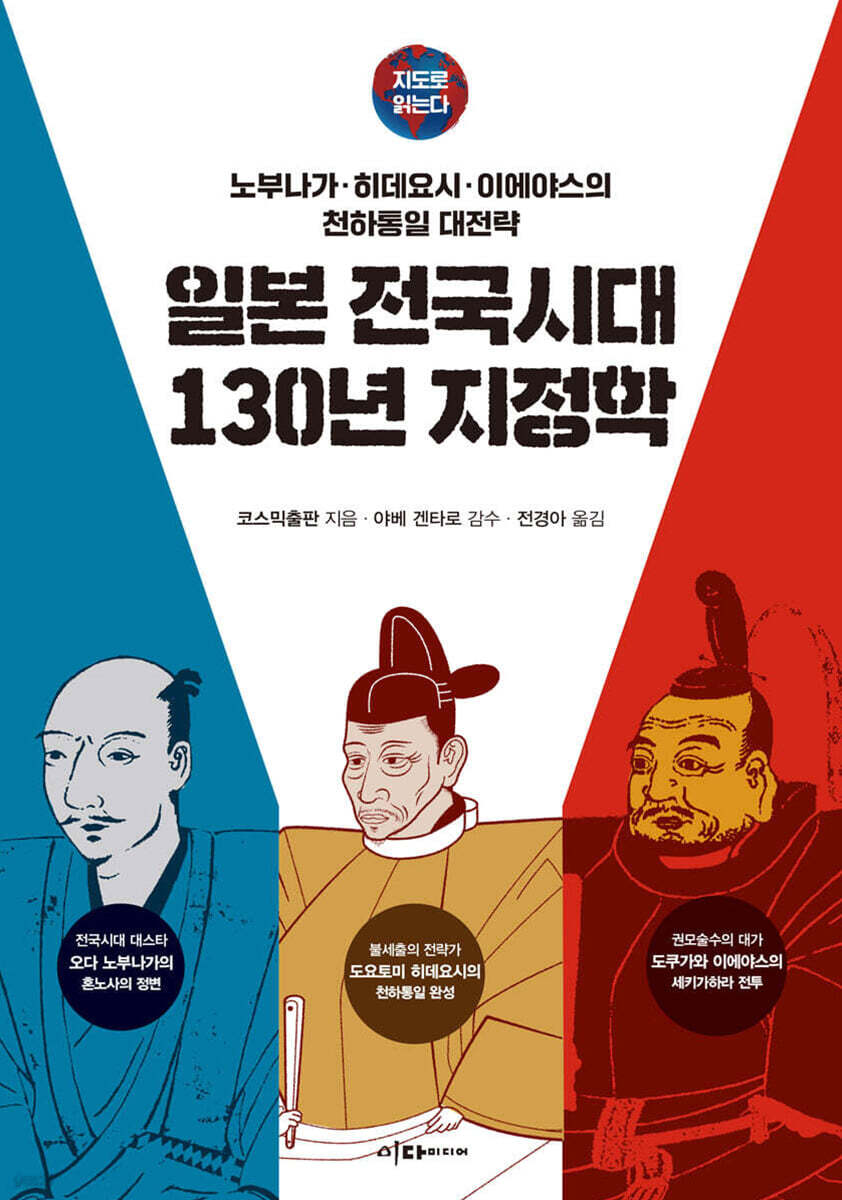 |
Description
Book Introduction
- A word from MD
- The Japanese Warring States period, which continued from Nobunaga to Hideyoshi and Ieyasu, was an important period from the perspective of East Asian history, as it led to the Imjin War.
It is still a popular historical subject matter in historical dramas and novels.
This book is an introductory book that guides you through the complex Japanese Warring States period using maps.
- Son Min-gyu, MD of History
Unraveling Japan's Sengoku period through geopolitics with over 70 themes and maps.
“Oda Nobunaga pounded rice, Toyotomi Hideyoshi kneaded it, and Tokugawa Ieyasu ate rice cakes.”
A representative period and event that symbolizes Japanese history is the Sengoku period, in which the three great generals Nobunaga, Hideyoshi, and Ieyasu were active.
The Warring States Period, which lasted approximately 130 years from the late 15th century, the end of the Muromachi shogunate, to the early 17th century, when the Tokugawa shogunate was established, was a grand drama that completed the unification of medieval Japan.
The rise and fall of countless heroes, and the famous matches that changed the course of history, are still the most popular content in mass media such as dramas, novels, movies, games, and comics.
Even in Korea, there is a growing fan base of novels, comics, and games based on the Warring States period, but it is difficult to find books that cover authentic history.
Perhaps, for domestic readers, the diverse characters and complex flow of events that appear in the Warring States period, along with the unfamiliar names and old place names, are a high barrier.
This book provides easy-to-understand explanations of the complex Japanese Warring States period using 70 topics and maps.
You can also grasp at a glance the strategies of alliance and alliance that unfold based on the geopolitical backgrounds of the three great generals who can be said to be the main characters of the Warring States period, as well as the representative battles that divided the winners and losers.
By focusing on the major figures of the Warring States period, the vast and complex story structure is simplified, and the geopolitical background of the people and events surrounding the hegemony of the world is visualized with maps and diagrams to help readers understand.
“Oda Nobunaga pounded rice, Toyotomi Hideyoshi kneaded it, and Tokugawa Ieyasu ate rice cakes.”
A representative period and event that symbolizes Japanese history is the Sengoku period, in which the three great generals Nobunaga, Hideyoshi, and Ieyasu were active.
The Warring States Period, which lasted approximately 130 years from the late 15th century, the end of the Muromachi shogunate, to the early 17th century, when the Tokugawa shogunate was established, was a grand drama that completed the unification of medieval Japan.
The rise and fall of countless heroes, and the famous matches that changed the course of history, are still the most popular content in mass media such as dramas, novels, movies, games, and comics.
Even in Korea, there is a growing fan base of novels, comics, and games based on the Warring States period, but it is difficult to find books that cover authentic history.
Perhaps, for domestic readers, the diverse characters and complex flow of events that appear in the Warring States period, along with the unfamiliar names and old place names, are a high barrier.
This book provides easy-to-understand explanations of the complex Japanese Warring States period using 70 topics and maps.
You can also grasp at a glance the strategies of alliance and alliance that unfold based on the geopolitical backgrounds of the three great generals who can be said to be the main characters of the Warring States period, as well as the representative battles that divided the winners and losers.
By focusing on the major figures of the Warring States period, the vast and complex story structure is simplified, and the geopolitical background of the people and events surrounding the hegemony of the world is visualized with maps and diagrams to help readers understand.
- You can preview some of the book's contents.
Preview
index
Color map at the beginning
The power of the daimyo of the Warring States period, as assessed by harvest
Unraveling the Mysteries of the Warring States Period Through Geopolitics
The navy of the Warring States period organized by pirates
Map of administrative place names during the Sengoku period in Japan
Map of modern Japanese administrative place names
Introduction: Reading the Three Great Generals: Nobunaga, Hideyoshi, and Ieyasu Through Geopolitics
Chapter 1: The Onin War and the Beginning of the Warring States Period
The fall of the Muromachi shogunate due to the Great Famine and the Onin War
Why was Kutsugi, near Kyoto, a popular hideaway?
Portuguese matchlock guns from the Age of Exploration
Mass production began just two years after its introduction, and matchlock guns appeared in warfare.
Was Western Christian missionary work a tool of Japanese aggression?
The Ashigaru who turned Kyoto into a sea of fire were a guerrilla group.
Ichijodani, the "Northern Kyoto," prospered thanks to the Onin War.
COLUMN ①
In the Warring States period, a class society, there was a lot of insurrection!
Chapter 1: Notes on Key People
Chapter 2: The Geopolitics of the Daimyo Warring on Warlords
The geopolitics of the Hojo clan that ruled Izu and Kanto
Ujimasa, who waged a siege, surrendered to Hideyoshi's siege.
During the Warring States period, daimyo joined hands with pirates to train naval forces.
Why did the daimyo of the Warring States period build mountain castles?
The whirlwind of Ikko-ikki has swept through the Warring States period!
Shrines where famous warriors of the Warring States period prayed for good fortune
The Ryukyu Kingdom was annexed by the shogunate due to the invasion of the Shimazu clan.
Why did the daimyo create 'Little Kyoto' in their domains?
The geopolitics of Takeda Shingen, who could not become a world leader
Takeda Shingen's economic policy of unifying currency and weights and measures
Takeda Shingen's flood control project aimed at strengthening the military and enriching the nation
How did the Takeda cavalry become the strongest in the Warring States period?
The Geopolitics of the Three Daimyo Who Formed the 'Kososhun' Triple Alliance
The anecdote between Shingen and Kenshin about sending salt to the enemy
Kenshin defeated Nobunaga using 'river geopolitics'
The geopolitics of Shikoku, unified by the Tosa Kingdom Chosokabe clan
The geopolitics of Kyushu, unified by the Shimazu clan of Satsuma
The geopolitics of the Battle of Itsukushima, won by Mori Motonari
The lesson of the "Three Arrows" that Motonari left to his children
Why didn't Date Masamune of Oshu become a true ruler?
COLUMN ②
Mercenaries hired by daimyo across the country and active in battle
Chapter 2: Notes on Key People
Chapter 3 · Geopolitics of Nobunaga, the Great Star of the Warring States Period
Rise to power in Owari through politically-motivated marriages
Nobunaga's economic strategy of building castles at key transportation points
Geopolitics of Sakai, the autonomous city under Nobunaga's direct control
Nobunaga's dramatic victory in the Battle of Okehazama
Retreat from Kanegasaki due to betrayal by brother-in-law Azai
Implementing 'Rakuichirakuza' to eliminate market monopolies
The geopolitics of the "ninja village" formed in Igawa Koka
Nobunaga's arson of the Enryaku-ji Temple, a temple of the Tendai sect, which suppressed Buddhism.
The Takeda cavalry was annihilated with a triple-shot cannon volley.
Lake Biwa's lakeside network centered around Azuchi Castle
The Mystery of the Honnoji Coup, Which Ended with Nobunaga's Suicide
Oda Nobunaga, the God of War, History of the Wars of 1547–1572
Nobunaga, the great star of the Warring States period, passes away at Honnoji Temple.
Daimyo's harvest as determined by Hideyoshi's land survey
COLUMN ③
Why were there so many battles along river basins during the Warring States Period?
Chapter 3: Annotations on Key Figures
Chapter 4: The Geopolitics of Hideyoshi, the Unparalleled Strategist
Hideyoshi's Siege Operation ① "Tottori Castle Starvation Operation"
Hideyoshi's Siege Operation ② "Takamatsu Castle Water Attack Operation"
I travel 200km from Chugoku to Yamazaki in a week.
Nobunaga's War of Succession: Hideyoshi and Ieyasu Clash
Hideyoshi's conquest of Shikoku, a step closer to unifying the country.
Subjugating the Shimazu clan and taking control of Kyushu
The Hojo's conquest of Odawara Castle using the "One Night Fortress Tactics" trick.
The geopolitics of Fushimi Castle, built by Hideyoshi in Kyoto
Completion of the official residence Jurakudai, remodeling Kyoto into a castle town
Sakai, the gateway to Osaka, the "Kitchen of the World," was a hub for trade with the Ming Dynasty.
Hideyoshi's provincial governor established a policy of separating military and agricultural power.
Hideyoshi's land survey was a major reform that established the feudal system.
“Expel the Christians!” Why was the order to expel priests issued?
Was Hideyoshi's invasion of Joseon due to the massive silver production?
COLUMN ④
Why didn't they fight in the mountains during the Warring States period?
Chapter 4 · Notes on Key People
Chapter 5: The Geopolitics of Ieyasu, the Master of Scheming
The opening of the Battle of Sekigahara, which marked the end of the Warring States period.
The end of the Battle of Sekigahara, where Ieyasu ascended to the throne
The Battle of Sekigahara in the North, a clash between the three great daimyō of Ou
The Tokugawa shogunate era began with the confiscation and reallocation of fiefs.
Why did Tokugawa Ieyasu establish the Edo shogunate?
Ieyasu and Hideyori clash in the Winter Battle of Osaka
The Toyotomi clan was ultimately destroyed in the Summer Battle of Osaka.
Warriors who fell like flower petals during the bloody Warring States Period
COLUMN ⑤
Edo's water supply and reservoirs, the lifeblood of a million people
Chapter 5: Annotations on Key Figures
The power of the daimyo of the Warring States period, as assessed by harvest
Unraveling the Mysteries of the Warring States Period Through Geopolitics
The navy of the Warring States period organized by pirates
Map of administrative place names during the Sengoku period in Japan
Map of modern Japanese administrative place names
Introduction: Reading the Three Great Generals: Nobunaga, Hideyoshi, and Ieyasu Through Geopolitics
Chapter 1: The Onin War and the Beginning of the Warring States Period
The fall of the Muromachi shogunate due to the Great Famine and the Onin War
Why was Kutsugi, near Kyoto, a popular hideaway?
Portuguese matchlock guns from the Age of Exploration
Mass production began just two years after its introduction, and matchlock guns appeared in warfare.
Was Western Christian missionary work a tool of Japanese aggression?
The Ashigaru who turned Kyoto into a sea of fire were a guerrilla group.
Ichijodani, the "Northern Kyoto," prospered thanks to the Onin War.
COLUMN ①
In the Warring States period, a class society, there was a lot of insurrection!
Chapter 1: Notes on Key People
Chapter 2: The Geopolitics of the Daimyo Warring on Warlords
The geopolitics of the Hojo clan that ruled Izu and Kanto
Ujimasa, who waged a siege, surrendered to Hideyoshi's siege.
During the Warring States period, daimyo joined hands with pirates to train naval forces.
Why did the daimyo of the Warring States period build mountain castles?
The whirlwind of Ikko-ikki has swept through the Warring States period!
Shrines where famous warriors of the Warring States period prayed for good fortune
The Ryukyu Kingdom was annexed by the shogunate due to the invasion of the Shimazu clan.
Why did the daimyo create 'Little Kyoto' in their domains?
The geopolitics of Takeda Shingen, who could not become a world leader
Takeda Shingen's economic policy of unifying currency and weights and measures
Takeda Shingen's flood control project aimed at strengthening the military and enriching the nation
How did the Takeda cavalry become the strongest in the Warring States period?
The Geopolitics of the Three Daimyo Who Formed the 'Kososhun' Triple Alliance
The anecdote between Shingen and Kenshin about sending salt to the enemy
Kenshin defeated Nobunaga using 'river geopolitics'
The geopolitics of Shikoku, unified by the Tosa Kingdom Chosokabe clan
The geopolitics of Kyushu, unified by the Shimazu clan of Satsuma
The geopolitics of the Battle of Itsukushima, won by Mori Motonari
The lesson of the "Three Arrows" that Motonari left to his children
Why didn't Date Masamune of Oshu become a true ruler?
COLUMN ②
Mercenaries hired by daimyo across the country and active in battle
Chapter 2: Notes on Key People
Chapter 3 · Geopolitics of Nobunaga, the Great Star of the Warring States Period
Rise to power in Owari through politically-motivated marriages
Nobunaga's economic strategy of building castles at key transportation points
Geopolitics of Sakai, the autonomous city under Nobunaga's direct control
Nobunaga's dramatic victory in the Battle of Okehazama
Retreat from Kanegasaki due to betrayal by brother-in-law Azai
Implementing 'Rakuichirakuza' to eliminate market monopolies
The geopolitics of the "ninja village" formed in Igawa Koka
Nobunaga's arson of the Enryaku-ji Temple, a temple of the Tendai sect, which suppressed Buddhism.
The Takeda cavalry was annihilated with a triple-shot cannon volley.
Lake Biwa's lakeside network centered around Azuchi Castle
The Mystery of the Honnoji Coup, Which Ended with Nobunaga's Suicide
Oda Nobunaga, the God of War, History of the Wars of 1547–1572
Nobunaga, the great star of the Warring States period, passes away at Honnoji Temple.
Daimyo's harvest as determined by Hideyoshi's land survey
COLUMN ③
Why were there so many battles along river basins during the Warring States Period?
Chapter 3: Annotations on Key Figures
Chapter 4: The Geopolitics of Hideyoshi, the Unparalleled Strategist
Hideyoshi's Siege Operation ① "Tottori Castle Starvation Operation"
Hideyoshi's Siege Operation ② "Takamatsu Castle Water Attack Operation"
I travel 200km from Chugoku to Yamazaki in a week.
Nobunaga's War of Succession: Hideyoshi and Ieyasu Clash
Hideyoshi's conquest of Shikoku, a step closer to unifying the country.
Subjugating the Shimazu clan and taking control of Kyushu
The Hojo's conquest of Odawara Castle using the "One Night Fortress Tactics" trick.
The geopolitics of Fushimi Castle, built by Hideyoshi in Kyoto
Completion of the official residence Jurakudai, remodeling Kyoto into a castle town
Sakai, the gateway to Osaka, the "Kitchen of the World," was a hub for trade with the Ming Dynasty.
Hideyoshi's provincial governor established a policy of separating military and agricultural power.
Hideyoshi's land survey was a major reform that established the feudal system.
“Expel the Christians!” Why was the order to expel priests issued?
Was Hideyoshi's invasion of Joseon due to the massive silver production?
COLUMN ④
Why didn't they fight in the mountains during the Warring States period?
Chapter 4 · Notes on Key People
Chapter 5: The Geopolitics of Ieyasu, the Master of Scheming
The opening of the Battle of Sekigahara, which marked the end of the Warring States period.
The end of the Battle of Sekigahara, where Ieyasu ascended to the throne
The Battle of Sekigahara in the North, a clash between the three great daimyō of Ou
The Tokugawa shogunate era began with the confiscation and reallocation of fiefs.
Why did Tokugawa Ieyasu establish the Edo shogunate?
Ieyasu and Hideyori clash in the Winter Battle of Osaka
The Toyotomi clan was ultimately destroyed in the Summer Battle of Osaka.
Warriors who fell like flower petals during the bloody Warring States Period
COLUMN ⑤
Edo's water supply and reservoirs, the lifeblood of a million people
Chapter 5: Annotations on Key Figures
Detailed image
Publisher's Review
How did the Age of Exploration in the 16th century influence Japan's Warring States period?
As geopolitics is a discipline that originally analyzes and interprets the politics and history of international relations from a geographical perspective, this book also provides a three-dimensional analysis of the influence of the Age of Exploration in the 16th century on Japan's Warring States period.
First of all, the matchlock gun that Portugal brought to southern Kyushu in the mid-16th century was a decisive factor in the transfer of leadership of the Warring States period to Oda Nobunaga.
The story of Nobunaga using the matchlock guns he had mass-produced to annihilate the invincible Takeda cavalry at the Battle of Nagashino in 1575 is very famous.
And the Imjin War, in which Toyotomi Hideyoshi, who unified Japan, devastated Joseon with matchlock guns, is also a painful part of our history.
Even in the midst of the turmoil of the Warring States Period, daimyo from each country took the lead in converting to Christianity or importing advanced civilizations to enrich their country and strengthen their military.
Western Christianity and civilization, spread by missionaries from Portugal and Spain at the time, influenced the establishment of a centralized feudal system in medieval Japan, and later served as a cornerstone for modernization through the Meiji Restoration.
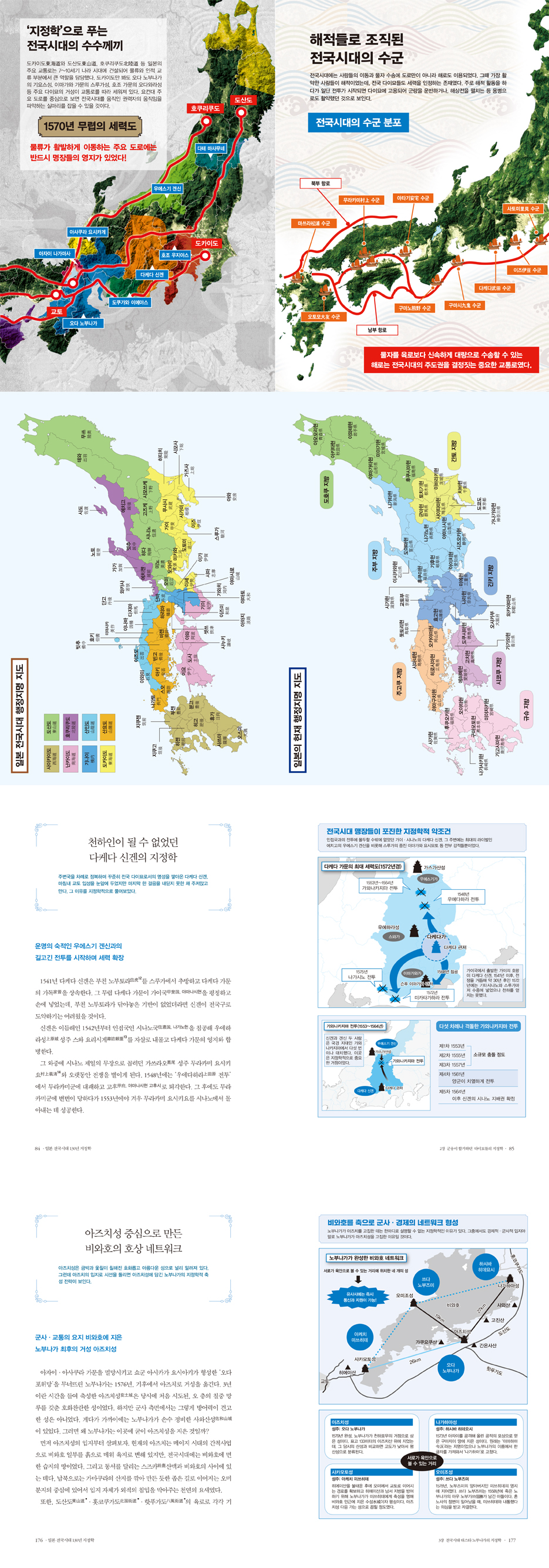
A color map of administrative place names from the Warring States period and modern Japan.
The content of this book is not limited to simply the heroic tales or war stories of the daimyo who led the Warring States period.
The geographic environment, geopolitical strategies for expanding territory, and tactics for winning wars faced by the three great generals and major daimyo of the Warring States period, who fought for world hegemony, are explained in an easy-to-understand manner using various three-dimensional maps and diagrams.
The color map included at the beginning of the book shows the power of the major daimyo, as assessed by harvest, and the daimyo's territories and castles located along the major roads of the time, allowing one to grasp the movement of power at a glance.
And it shows that the battles of the Warring States period did not only take place on land, but also naval battles waged by alliances between pirates and daimyo who controlled the surrounding sea routes had a significant impact on the struggle for control of the war.
Most would agree that the biggest obstacle to understanding the history of Japan's Warring States period is the numerous names of characters and the difficult-to-identify old place names.
The introduction of the book includes a color map of administrative place names from the Warring States period and those of modern Japan to help readers understand the flow of history.
And we can see that the geopolitical background of the major figures and territories of the Warring States period remains as a historical heritage in modern Japan.
And the brief descriptions of key figures at the end of each chapter will be of great help in understanding the relationships between the figures active in the Warring States period and the flow of major events.
Contents of the book
Reading Japan's Warring States Period: The Three Great Generals: Nobunaga, Hideyoshi, and Ieyasu
Chapter 1: The Onin War and the Beginning of the Warring States Period
The Sengoku period began in the mid-15th century with the onin war, a conflict between daimyō over the succession to the Muromachi shogunate, and a great famine caused by a global cold snap.
We examine the geopolitical impact of Western civilization, such as matchlock guns and Christianity, introduced by Portugal and Spain, which led the Age of Exploration in the mid-16th century, on the latter half of the Warring States Period.
And 300 years later, the Meiji Restoration occurred in Japan, and as it went through modernization, it emerged as a leading maritime power.
Chapter 2: The Geopolitics of the Daimyo Warring States
Hojo Soun, the founder of the Hojo clan, who ruled the Izu Peninsula and the Kanto region for five generations over a period of 100 years in the 16th century, was a pioneer who gave birth to the daimyo clan during the turbulent Warring States period.
We examine the geopolitical background that allowed them to expand their territory and strengthen the Izu Sui Army, using the impregnable Odawara Castle as a base, and to control the sea routes.
A geopolitical analysis of why Takeda Shingen, the fierce general known as the "Tiger of Gai," could not become a true king.
Uesugi Kenshin and the Oshu general Date Masamune, who defeated Oda Nobunaga's forces in the Battle of Tedori River in 1577, also failed to overcome geopolitical difficulties and were frustrated.
Chapter 3: Geopolitics of Nobunaga, the Great Star of the Warring States Period
Oda Nobunaga, who was called the 'Fool of Owari' but later committed suicide in the Honno-ji Coup just before unifying the country, was an outstanding figure in all aspects of military, economic, and political affairs.
The mere fact that he had Hideyoshi and Ieyasu as his subordinates is enough to justify his being called one of the greatest generals of the Warring States period.
This book explores the turbulent life of a man who unified Owari, took control of Osaka and Kyoto, and then invaded neighboring countries, achieving successive victories and ending his life just before achieving his dream of becoming a world leader.
Chapter 4: The Geopolitics of Hideyoshi, the Unparalleled Strategist
Toyotomi Hideyoshi, a genius strategist born into the lower class in Owari, caught Nobunaga's eye, worked as a close associate, and eventually rose to the position of a world leader.
Although he is remembered as the mastermind behind the Imjin War that invaded Joseon, he is also an indomitable protagonist who single-handedly achieved world dominance during the Warring States period, a time of rampant rebellion, betrayal, and unfilial piety.
After Nobunaga's death, he seized control of the political situation and conquered Chugoku, Shikoku, and Kyushu in succession, unifying the country.
He displayed his outstanding ability as a statesman by organizing the national system through land surveys and constructing Osaka Castle to establish a foundation for governance.
Chapter 5: The Geopolitics of Ieyasu, the Master of Intrigue
What geopolitical factors enabled Ieyasu, who maintained an alliance with Nobunaga and a political enemy with Hideyoshi throughout the Warring States period, to personally bring an end to 130 years of warfare and establish the Tokugawa shogunate? What geopolitical factors enabled him to relocate the capital from Kyoto, the center of Japan for over 1,000 years, to Edo and maintain 260 years of peace? This article explores the geopolitical underpinnings of Ieyasu, the last true ruler of the Warring States period and the first shogun of the Tokugawa shogunate, and his brilliant strategy and ambition to unify Japan.
As geopolitics is a discipline that originally analyzes and interprets the politics and history of international relations from a geographical perspective, this book also provides a three-dimensional analysis of the influence of the Age of Exploration in the 16th century on Japan's Warring States period.
First of all, the matchlock gun that Portugal brought to southern Kyushu in the mid-16th century was a decisive factor in the transfer of leadership of the Warring States period to Oda Nobunaga.
The story of Nobunaga using the matchlock guns he had mass-produced to annihilate the invincible Takeda cavalry at the Battle of Nagashino in 1575 is very famous.
And the Imjin War, in which Toyotomi Hideyoshi, who unified Japan, devastated Joseon with matchlock guns, is also a painful part of our history.
Even in the midst of the turmoil of the Warring States Period, daimyo from each country took the lead in converting to Christianity or importing advanced civilizations to enrich their country and strengthen their military.
Western Christianity and civilization, spread by missionaries from Portugal and Spain at the time, influenced the establishment of a centralized feudal system in medieval Japan, and later served as a cornerstone for modernization through the Meiji Restoration.
A color map of administrative place names from the Warring States period and modern Japan.
The content of this book is not limited to simply the heroic tales or war stories of the daimyo who led the Warring States period.
The geographic environment, geopolitical strategies for expanding territory, and tactics for winning wars faced by the three great generals and major daimyo of the Warring States period, who fought for world hegemony, are explained in an easy-to-understand manner using various three-dimensional maps and diagrams.
The color map included at the beginning of the book shows the power of the major daimyo, as assessed by harvest, and the daimyo's territories and castles located along the major roads of the time, allowing one to grasp the movement of power at a glance.
And it shows that the battles of the Warring States period did not only take place on land, but also naval battles waged by alliances between pirates and daimyo who controlled the surrounding sea routes had a significant impact on the struggle for control of the war.
Most would agree that the biggest obstacle to understanding the history of Japan's Warring States period is the numerous names of characters and the difficult-to-identify old place names.
The introduction of the book includes a color map of administrative place names from the Warring States period and those of modern Japan to help readers understand the flow of history.
And we can see that the geopolitical background of the major figures and territories of the Warring States period remains as a historical heritage in modern Japan.
And the brief descriptions of key figures at the end of each chapter will be of great help in understanding the relationships between the figures active in the Warring States period and the flow of major events.
Contents of the book
Reading Japan's Warring States Period: The Three Great Generals: Nobunaga, Hideyoshi, and Ieyasu
Chapter 1: The Onin War and the Beginning of the Warring States Period
The Sengoku period began in the mid-15th century with the onin war, a conflict between daimyō over the succession to the Muromachi shogunate, and a great famine caused by a global cold snap.
We examine the geopolitical impact of Western civilization, such as matchlock guns and Christianity, introduced by Portugal and Spain, which led the Age of Exploration in the mid-16th century, on the latter half of the Warring States Period.
And 300 years later, the Meiji Restoration occurred in Japan, and as it went through modernization, it emerged as a leading maritime power.
Chapter 2: The Geopolitics of the Daimyo Warring States
Hojo Soun, the founder of the Hojo clan, who ruled the Izu Peninsula and the Kanto region for five generations over a period of 100 years in the 16th century, was a pioneer who gave birth to the daimyo clan during the turbulent Warring States period.
We examine the geopolitical background that allowed them to expand their territory and strengthen the Izu Sui Army, using the impregnable Odawara Castle as a base, and to control the sea routes.
A geopolitical analysis of why Takeda Shingen, the fierce general known as the "Tiger of Gai," could not become a true king.
Uesugi Kenshin and the Oshu general Date Masamune, who defeated Oda Nobunaga's forces in the Battle of Tedori River in 1577, also failed to overcome geopolitical difficulties and were frustrated.
Chapter 3: Geopolitics of Nobunaga, the Great Star of the Warring States Period
Oda Nobunaga, who was called the 'Fool of Owari' but later committed suicide in the Honno-ji Coup just before unifying the country, was an outstanding figure in all aspects of military, economic, and political affairs.
The mere fact that he had Hideyoshi and Ieyasu as his subordinates is enough to justify his being called one of the greatest generals of the Warring States period.
This book explores the turbulent life of a man who unified Owari, took control of Osaka and Kyoto, and then invaded neighboring countries, achieving successive victories and ending his life just before achieving his dream of becoming a world leader.
Chapter 4: The Geopolitics of Hideyoshi, the Unparalleled Strategist
Toyotomi Hideyoshi, a genius strategist born into the lower class in Owari, caught Nobunaga's eye, worked as a close associate, and eventually rose to the position of a world leader.
Although he is remembered as the mastermind behind the Imjin War that invaded Joseon, he is also an indomitable protagonist who single-handedly achieved world dominance during the Warring States period, a time of rampant rebellion, betrayal, and unfilial piety.
After Nobunaga's death, he seized control of the political situation and conquered Chugoku, Shikoku, and Kyushu in succession, unifying the country.
He displayed his outstanding ability as a statesman by organizing the national system through land surveys and constructing Osaka Castle to establish a foundation for governance.
Chapter 5: The Geopolitics of Ieyasu, the Master of Intrigue
What geopolitical factors enabled Ieyasu, who maintained an alliance with Nobunaga and a political enemy with Hideyoshi throughout the Warring States period, to personally bring an end to 130 years of warfare and establish the Tokugawa shogunate? What geopolitical factors enabled him to relocate the capital from Kyoto, the center of Japan for over 1,000 years, to Edo and maintain 260 years of peace? This article explores the geopolitical underpinnings of Ieyasu, the last true ruler of the Warring States period and the first shogun of the Tokugawa shogunate, and his brilliant strategy and ambition to unify Japan.
GOODS SPECIFICS
- Publication date: March 22, 2022
- Page count, weight, size: 308 pages | 640g | 165*235*30mm
- ISBN13: 9791163940562
- ISBN10: 1163940569
You may also like
카테고리
korean


korean

![GQ KOREA Mark (Monthly): December [2025]](http://librairie.coreenne.fr/cdn/shop/files/8ef265dbbfbf186523ed75ba7319009d.jpg?v=1765340328&width=3840)


