

In the face of the separation called death
 |
Description
Book Introduction
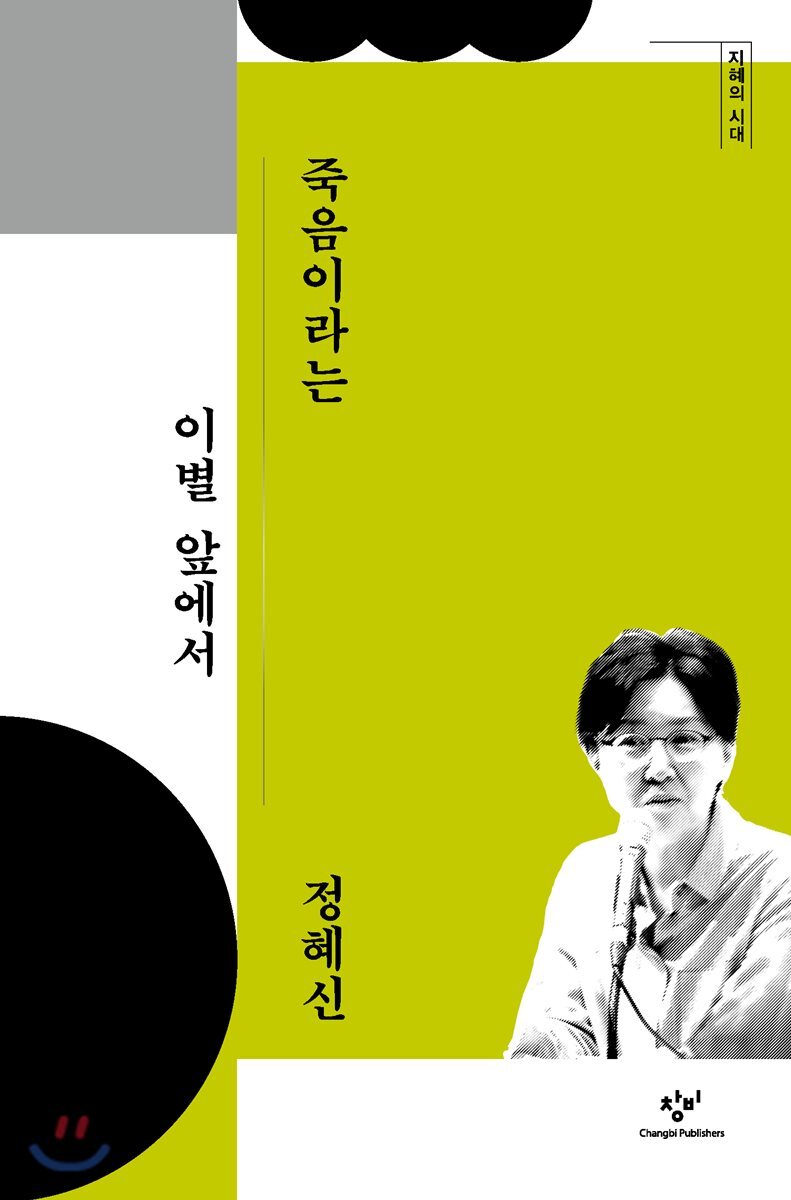
The pain of the death of a loved one,
How should I deal with it?
The true path to healing, as told by "Street Doctor" Jeong Hye-shin.
As a psychiatrist who has healed the wounds of victims of social trauma, including laid-off workers and families of Sewol ferry victims, Jeong Hye-shin addresses the topic of death.
It teaches us how to cope with the pain of losing a loved one through the deaths we have experienced directly and indirectly over a long period of time.
The author emphasizes that everyone has to part ways with loved ones in life, and that in such situations, we should be able to cry out loud and grieve deeply.
Only then can you recover from your grief and return to your daily life.
He also says that instead of hastily telling the person to stop grieving or forget, those around them should fully accept the person's pain, and that this is the real social safety net.
The author spent more time listening to and answering questions from the audience than giving his lecture.
The audience expressed their concerns about the death of colleagues or parents, and asked how to teach children about death, showing how important and difficult a topic death is to us all.
The author suggests that we can overcome our pain by listening to the audience's small words, empathizing deeply, and not suppressing their pain, and not hastily judging those in pain.
In a society where discourse on death is still nascent, the author's advice, based on his own experience, offers a new perspective on death.
How should I deal with it?
The true path to healing, as told by "Street Doctor" Jeong Hye-shin.
As a psychiatrist who has healed the wounds of victims of social trauma, including laid-off workers and families of Sewol ferry victims, Jeong Hye-shin addresses the topic of death.
It teaches us how to cope with the pain of losing a loved one through the deaths we have experienced directly and indirectly over a long period of time.
The author emphasizes that everyone has to part ways with loved ones in life, and that in such situations, we should be able to cry out loud and grieve deeply.
Only then can you recover from your grief and return to your daily life.
He also says that instead of hastily telling the person to stop grieving or forget, those around them should fully accept the person's pain, and that this is the real social safety net.
The author spent more time listening to and answering questions from the audience than giving his lecture.
The audience expressed their concerns about the death of colleagues or parents, and asked how to teach children about death, showing how important and difficult a topic death is to us all.
The author suggests that we can overcome our pain by listening to the audience's small words, empathizing deeply, and not suppressing their pain, and not hastily judging those in pain.
In a society where discourse on death is still nascent, the author's advice, based on his own experience, offers a new perspective on death.
- You can preview some of the book's contents.
Preview
index
At the beginning of the book
In the face of the separation called death
Talking about death ∥ Facing my own death ∥ The safety net of the mind that sustains life ∥ The departed always come with tears ∥ Are there degrees of pain? ∥ All pain is individual ∥ Suppressing sadness also dulls joy ∥ Becoming a monster or a healer ∥ Saying goodbye properly
Q&A
In the face of the separation called death
Talking about death ∥ Facing my own death ∥ The safety net of the mind that sustains life ∥ The departed always come with tears ∥ Are there degrees of pain? ∥ All pain is individual ∥ Suppressing sadness also dulls joy ∥ Becoming a monster or a healer ∥ Saying goodbye properly
Q&A
Detailed image
Publisher's Review
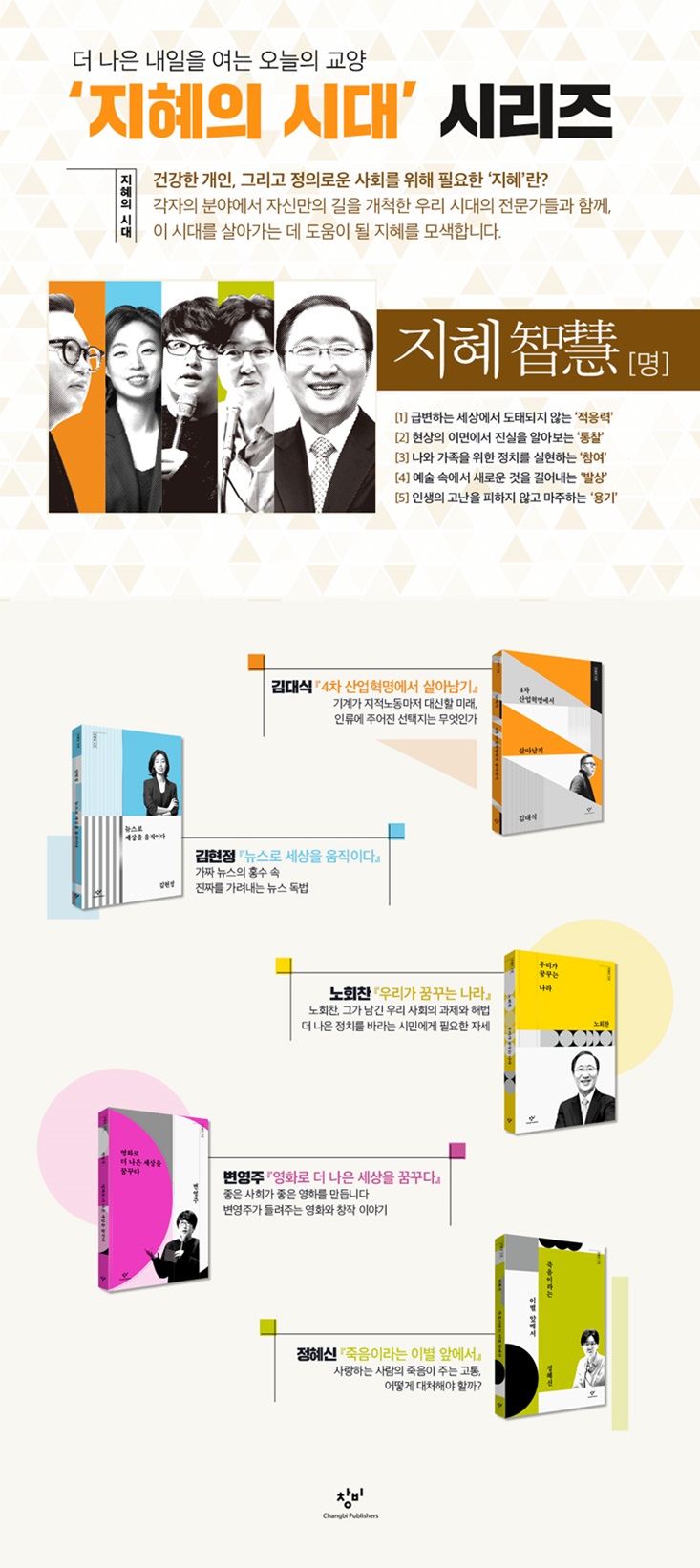
Today's knowledge opens up a better tomorrow!
The Wisdom of a New Era: Roh Hoe-chan, Kim Dae-sik, Kim Hyeon-jeong, Byun Yeong-ju, and Jeong Hye-shin
In today's world, where society is changing rapidly and becoming increasingly complex, people say that it is difficult to survive without being eliminated every day.
But at the same time, more people than ever are fervently yearning for society to improve and for their lives to become happier.
In all areas of society, the underprivileged are raising their voices in all walks of life, including the Me Too movement following the Candlelight Revolution, and in personal life, a craze for "small but certain happiness" is blowing.
What is needed to achieve a healthier life and a more just society is 'wisdom' that goes beyond knowledge.
Especially in these times when we are flooded with information and it is difficult for individuals to determine what is right, timely wisdom is essential.
The series of special lectures held in the first half of 2018, which laid the foundation for the 'Age of Wisdom,' sold out every time despite the bitter cold, with many citizens enthusiastically participating.
This is probably evidence that many people are thinking about how to create a better tomorrow beyond just living each day.
After receiving enthusiastic responses from the audience, the authors organized and supplemented the content after the lecture and wrote a new book. They also supplemented the book with questions and answers that could not be answered during the lecture.
The pain of the death of a loved one,
How should I deal with it?
The Path to True Healing, According to "Street Doctor" Jeong Hye-shin
As a psychiatrist who has healed the wounds of victims of social trauma, including laid-off workers and families of Sewol ferry victims, Jeong Hye-shin addresses the topic of death.
It teaches us how to cope with the pain of losing a loved one through the deaths we have experienced directly and indirectly over a long period of time.
The author emphasizes that everyone has to part ways with loved ones in life, and that in such situations, we should be able to cry out loud and grieve deeply.
Only then can you recover from your grief and return to your daily life.
He also says that instead of hastily telling the person to stop grieving or forget, those around them should fully accept the person's pain, and that this is the real social safety net.
The author spent more time listening to and answering questions from the audience than giving his lecture.
The audience expressed their concerns about the death of colleagues or parents, and asked how to teach children about death, showing how important and difficult a topic death is to us all.
The author suggests that we can overcome our pain by listening to the audience's small words, empathizing deeply, and not suppressing their pain, and not hastily judging those in pain.
In a society where discourse on death is still nascent, the author's advice, based on his own experience, offers a new perspective on death.
No more shallow knowledge,
Meet the 'wisdom' that will create a new future.
The authors of 'The Age of Wisdom' come from different fields of activity, but their messages share a common thread.
In the future, we must create a world where we can all live together, beyond me and you.
A politician who has always represented the weak emphasizes that public participation can change politics, and a doctor who has treated the families of the Sewol ferry victims emphasizes that the pain of others should not be belittled but fully accepted.
Film directors who have explored the dark side of our society hope that viewers who see their works will create a better society, and producers who tell the vivid stories of those involved in the news urge people to listen to the stories of the marginalized.
Scientists specializing in brain science also argue that in the age of artificial intelligence, humans themselves must become beings that contribute to the Earth.
The authors' stories, based on their own experiences, all address topics we must consider.
Therefore, 'The Age of Wisdom' will serve as a milestone pointing readers to a better tomorrow.
The Wisdom of a New Era: Roh Hoe-chan, Kim Dae-sik, Kim Hyeon-jeong, Byun Yeong-ju, and Jeong Hye-shin
In today's world, where society is changing rapidly and becoming increasingly complex, people say that it is difficult to survive without being eliminated every day.
But at the same time, more people than ever are fervently yearning for society to improve and for their lives to become happier.
In all areas of society, the underprivileged are raising their voices in all walks of life, including the Me Too movement following the Candlelight Revolution, and in personal life, a craze for "small but certain happiness" is blowing.
What is needed to achieve a healthier life and a more just society is 'wisdom' that goes beyond knowledge.
Especially in these times when we are flooded with information and it is difficult for individuals to determine what is right, timely wisdom is essential.
The series of special lectures held in the first half of 2018, which laid the foundation for the 'Age of Wisdom,' sold out every time despite the bitter cold, with many citizens enthusiastically participating.
This is probably evidence that many people are thinking about how to create a better tomorrow beyond just living each day.
After receiving enthusiastic responses from the audience, the authors organized and supplemented the content after the lecture and wrote a new book. They also supplemented the book with questions and answers that could not be answered during the lecture.
The pain of the death of a loved one,
How should I deal with it?
The Path to True Healing, According to "Street Doctor" Jeong Hye-shin
As a psychiatrist who has healed the wounds of victims of social trauma, including laid-off workers and families of Sewol ferry victims, Jeong Hye-shin addresses the topic of death.
It teaches us how to cope with the pain of losing a loved one through the deaths we have experienced directly and indirectly over a long period of time.
The author emphasizes that everyone has to part ways with loved ones in life, and that in such situations, we should be able to cry out loud and grieve deeply.
Only then can you recover from your grief and return to your daily life.
He also says that instead of hastily telling the person to stop grieving or forget, those around them should fully accept the person's pain, and that this is the real social safety net.
The author spent more time listening to and answering questions from the audience than giving his lecture.
The audience expressed their concerns about the death of colleagues or parents, and asked how to teach children about death, showing how important and difficult a topic death is to us all.
The author suggests that we can overcome our pain by listening to the audience's small words, empathizing deeply, and not suppressing their pain, and not hastily judging those in pain.
In a society where discourse on death is still nascent, the author's advice, based on his own experience, offers a new perspective on death.
No more shallow knowledge,
Meet the 'wisdom' that will create a new future.
The authors of 'The Age of Wisdom' come from different fields of activity, but their messages share a common thread.
In the future, we must create a world where we can all live together, beyond me and you.
A politician who has always represented the weak emphasizes that public participation can change politics, and a doctor who has treated the families of the Sewol ferry victims emphasizes that the pain of others should not be belittled but fully accepted.
Film directors who have explored the dark side of our society hope that viewers who see their works will create a better society, and producers who tell the vivid stories of those involved in the news urge people to listen to the stories of the marginalized.
Scientists specializing in brain science also argue that in the age of artificial intelligence, humans themselves must become beings that contribute to the Earth.
The authors' stories, based on their own experiences, all address topics we must consider.
Therefore, 'The Age of Wisdom' will serve as a milestone pointing readers to a better tomorrow.
GOODS SPECIFICS
- Date of publication: September 17, 2018
- Format: Hardcover book binding method guide
- Page count, weight, size: 144 pages | 240g | 128*194*20mm
- ISBN13: 9788936476762
- ISBN10: 8936476769
You may also like
카테고리
korean


korean

![GQ KOREA Mark (Monthly): December [2025]](http://librairie.coreenne.fr/cdn/shop/files/8ef265dbbfbf186523ed75ba7319009d.jpg?v=1765340328&width=3840)


