

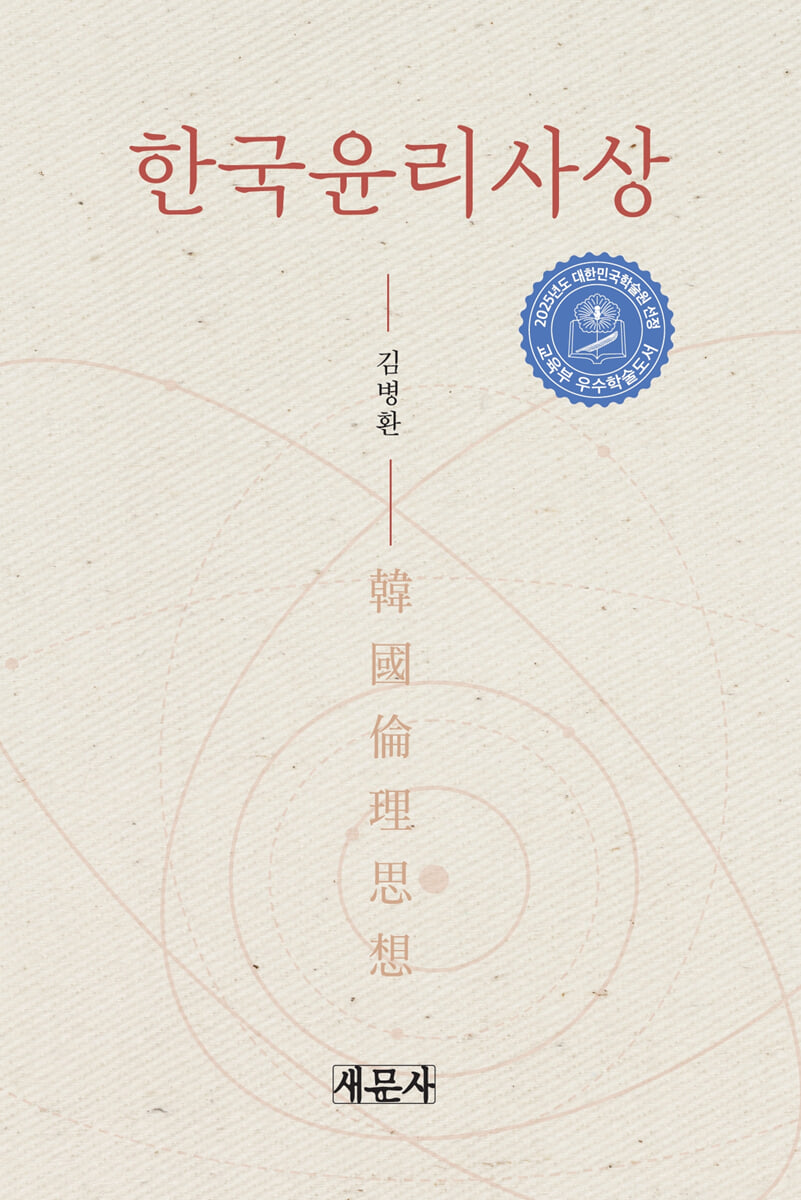
Korean ethical thought
 |
Description
Book Introduction
Under the premise that Korean philosophy and Korean thought are a condensation of Korean thought and culture, I would like to discuss Korean moral philosophy and its theoretical system.
This paper will answer the fundamental questions: Does Korean philosophy and Korean thought exist? If so, what exactly are they?
To this end, Chapter 1 examines the problems inherent in the discourse of indigenous thought and points out the logical pitfalls of the above question.
Why is it that we, who often pride ourselves on having a five-thousand-year history, cannot readily answer the question of whether Korean philosophy and thought exist, and if so, what exactly they are? The reader can find the answer through the discussion in Chapter 1.
In Chapter 2, we examine the discourse of familism that determines the ethical behavioral characteristics of modern Koreans.
Using sociology, social psychology, and anthropology data, I attempted to discuss with literary sensibility the fact that familial sentiment is at the root of Korean society, which values regionalism and school ties.
Through this chapter, the reader will discover that familism is at the root of his actions.
Of course, familism is changing in our society, and the familism sentiment felt by the younger generation is weakening.
However, the family community is still a core subject of Korean culture.
Chapters 3 and 4 examine the Dangun myth and the founding myth of the Three Kingdoms as archetypes of Korean thought, focusing on mythology.
Although the Dangun myth was written during the Goryeo Dynasty, its contents can be considered the foundation of Korean culture.
The Dangun myth does not provide detailed information about the main character, Dangun, so we will have to wait for a sequel.
The sequel is the Jumong myth.
Through the following myth of Hyeokgeose and the story of the founding of Baekje, we can understand the ethical characteristics of Koreans.
Chapter 5 of this book deals specifically with the systematically established ethical thought of Korea.
The first one is Wonhyo, and the next is Jinul.
Buddhist thought still functions as the foundation of Korean consciousness.
In this respect, it is interesting to examine the thoughts of Wonhyo and Jinul, the great figures representing Korean Buddhism.
I have attempted to explain the complex Buddhist philosophy of Wonhyo and Jinul in an easy-to-understand way, but it is up to the reader to decide.
Chapter 7 is a work that refutes the existing historical view that the founding of Joseon was a ‘revolution by the emerging aristocracy in the Geumgi region.’
Empirical evidence shows that the Goryeo ruling class continued to dominate Joseon society as a power elite group until the mid-Joseon period.
In addition, this chapter discusses that Jeong Do-jeon's ideology, which prepared Joseon as a civilized nation of commoners and scholars, had a strong character of Sa-gak-hak (a study of merit) that emphasized practical results.
In chapters 8, 9, and 10, readers will encounter detailed explanations of the philosophies of Toegye, Yulgok, and Dasan, the prominent thinkers representing Joseon civilization, and new horizons of hermeneutics.
This paper examines the debate on the four emotions that arose between Toegye, Gobong Gi Daeseung, and Yulgok from Dasan's perspective, and discusses the true meaning of Toegye's theory of reason and movement.
In the final 11 chapters, Donghak, Jeungsanism, and Won Buddhism are examined under the category of indigenous religious ideologies of this land.
This paper will answer the fundamental questions: Does Korean philosophy and Korean thought exist? If so, what exactly are they?
To this end, Chapter 1 examines the problems inherent in the discourse of indigenous thought and points out the logical pitfalls of the above question.
Why is it that we, who often pride ourselves on having a five-thousand-year history, cannot readily answer the question of whether Korean philosophy and thought exist, and if so, what exactly they are? The reader can find the answer through the discussion in Chapter 1.
In Chapter 2, we examine the discourse of familism that determines the ethical behavioral characteristics of modern Koreans.
Using sociology, social psychology, and anthropology data, I attempted to discuss with literary sensibility the fact that familial sentiment is at the root of Korean society, which values regionalism and school ties.
Through this chapter, the reader will discover that familism is at the root of his actions.
Of course, familism is changing in our society, and the familism sentiment felt by the younger generation is weakening.
However, the family community is still a core subject of Korean culture.
Chapters 3 and 4 examine the Dangun myth and the founding myth of the Three Kingdoms as archetypes of Korean thought, focusing on mythology.
Although the Dangun myth was written during the Goryeo Dynasty, its contents can be considered the foundation of Korean culture.
The Dangun myth does not provide detailed information about the main character, Dangun, so we will have to wait for a sequel.
The sequel is the Jumong myth.
Through the following myth of Hyeokgeose and the story of the founding of Baekje, we can understand the ethical characteristics of Koreans.
Chapter 5 of this book deals specifically with the systematically established ethical thought of Korea.
The first one is Wonhyo, and the next is Jinul.
Buddhist thought still functions as the foundation of Korean consciousness.
In this respect, it is interesting to examine the thoughts of Wonhyo and Jinul, the great figures representing Korean Buddhism.
I have attempted to explain the complex Buddhist philosophy of Wonhyo and Jinul in an easy-to-understand way, but it is up to the reader to decide.
Chapter 7 is a work that refutes the existing historical view that the founding of Joseon was a ‘revolution by the emerging aristocracy in the Geumgi region.’
Empirical evidence shows that the Goryeo ruling class continued to dominate Joseon society as a power elite group until the mid-Joseon period.
In addition, this chapter discusses that Jeong Do-jeon's ideology, which prepared Joseon as a civilized nation of commoners and scholars, had a strong character of Sa-gak-hak (a study of merit) that emphasized practical results.
In chapters 8, 9, and 10, readers will encounter detailed explanations of the philosophies of Toegye, Yulgok, and Dasan, the prominent thinkers representing Joseon civilization, and new horizons of hermeneutics.
This paper examines the debate on the four emotions that arose between Toegye, Gobong Gi Daeseung, and Yulgok from Dasan's perspective, and discusses the true meaning of Toegye's theory of reason and movement.
In the final 11 chapters, Donghak, Jeungsanism, and Won Buddhism are examined under the category of indigenous religious ideologies of this land.
- You can preview some of the book's contents.
Preview
index
· Author's Note
Chapter 1: Does Korean philosophy and ethical thought exist?
1.
Does Korean [ethical] thought exist?
2.
The problem of Korean [ethical] thought and historical view
3.
How should we study Korean philosophy and ethical thought?
Chapter 2: Koreans' Thought Structure and Behavioral Characteristics: 'Familialism'
1.
What is familism?
2.
Phenomenons of familism
3.
familial sentiment
4.
The Pros and Cons of Familyism and the Changing Face of Familyism
Chapter 3: Ethical and ideological characteristics of the Dangun myth
1.
Problems in examining the Dangun myth
2.
Dangun myth from Samguk Yusa and Jewangungi
3.
Ethical and ideological characteristics of the Dangun myth
Chapter 4: The Founding Myths and Ethical Characteristics of the Three Kingdoms
1.
Goguryeo: The Jumong Myth
2.
Characteristics of the Jumong myth
3.
Silla: The myth of Park Hyeokgeose
4.
Characteristics of the Park Hyeokgeose myth
5.
Baekje: Onjo and Biryu myths
6.
Characteristics of the Onjo and Biryu myths
Chapter 5: Wonhyo's Thought
1.
Wonhyo, his life and works
2.
Two gates and one mind: Is one mind a reality?
3.
Alaya-vijnana (阿賴耶識): The consciousness of harmony between non-birth and non-death and birth and death
4.
Original awakening and initial awakening: There is enlightenment, but there is no self-nature of enlightenment.
5.
Ilmi Gwanhaeng (一味觀行): A practice theory integrated into one taste
6.
Harmony in language disputes
Chapter 6: Jinul's Thought
1.
Jinul, his life and works
2.
Reflecting on the true heart within me [Reflecting on the Light]
3.
A mind that is empty, quiet, and brightly aware [a mind that is empty, quiet, and brightly aware]
4.
Enlightenment and cultivation are the two wheels of the cart [sudden enlightenment and gradual cultivation]
5.
The Buddha's words are teachings, and the mind is Zen [Theory of the Unity of Zen and Teaching]
6.
All living beings are Buddhas [Wondonshinhaeron]
7.
Cultivate both meditation and wisdom [The Dual Cultivation of Dhye and Wisdom]
8.
A mind that has left knowledge and understanding [Ganhwagyeongjeolron 看話徑截論]
Chapter 7: The Founding of Joseon and Jeong Do-jeon
1.
Was the founding of Joseon a revolution?
2.
Was Jeong Do-jeon a Zhu Xi scholar or a scholar of merit?
Chapter 8: The Thought of Toegye Yi Hwang
1.
Toegye, his life and works
2.
Ligiron
3.
Psychology
4.
Self-cultivation theory
Chapter 9: Yulgok Yi I's Thought
1.
Yulgok, his life and works
2.
Ligiron
3.
Psychology
4.
Self-cultivation theory
Chapter 10: Dasan Jeong Yak-yong's Thought
1.
Dasan, his life and works
2.
How should we approach fertility studies?
3.
Theory of the Supreme Emperor
4.
Moral nature is the taste of my heart [theory of sexual preference]
5.
Criticism of Innate Intelligence and Temperamental Intelligence
6.
The autonomous authority of the moral subject [the right to self-government]
7.
Acquiring virtue through practice [行事]
8.
Self-cultivation theory
9.
Dasan's interpretation of Toegye and Yulgok's theory of the four elements and seven emotions
10.
The limits of Dasan's pursuit of modernity
Chapter 11: Donghak, Jeungsangyo, and Won Buddhism
1.
Donghak
2.
Jeungsan Bridge
3.
Won Buddhism
· Search
Chapter 1: Does Korean philosophy and ethical thought exist?
1.
Does Korean [ethical] thought exist?
2.
The problem of Korean [ethical] thought and historical view
3.
How should we study Korean philosophy and ethical thought?
Chapter 2: Koreans' Thought Structure and Behavioral Characteristics: 'Familialism'
1.
What is familism?
2.
Phenomenons of familism
3.
familial sentiment
4.
The Pros and Cons of Familyism and the Changing Face of Familyism
Chapter 3: Ethical and ideological characteristics of the Dangun myth
1.
Problems in examining the Dangun myth
2.
Dangun myth from Samguk Yusa and Jewangungi
3.
Ethical and ideological characteristics of the Dangun myth
Chapter 4: The Founding Myths and Ethical Characteristics of the Three Kingdoms
1.
Goguryeo: The Jumong Myth
2.
Characteristics of the Jumong myth
3.
Silla: The myth of Park Hyeokgeose
4.
Characteristics of the Park Hyeokgeose myth
5.
Baekje: Onjo and Biryu myths
6.
Characteristics of the Onjo and Biryu myths
Chapter 5: Wonhyo's Thought
1.
Wonhyo, his life and works
2.
Two gates and one mind: Is one mind a reality?
3.
Alaya-vijnana (阿賴耶識): The consciousness of harmony between non-birth and non-death and birth and death
4.
Original awakening and initial awakening: There is enlightenment, but there is no self-nature of enlightenment.
5.
Ilmi Gwanhaeng (一味觀行): A practice theory integrated into one taste
6.
Harmony in language disputes
Chapter 6: Jinul's Thought
1.
Jinul, his life and works
2.
Reflecting on the true heart within me [Reflecting on the Light]
3.
A mind that is empty, quiet, and brightly aware [a mind that is empty, quiet, and brightly aware]
4.
Enlightenment and cultivation are the two wheels of the cart [sudden enlightenment and gradual cultivation]
5.
The Buddha's words are teachings, and the mind is Zen [Theory of the Unity of Zen and Teaching]
6.
All living beings are Buddhas [Wondonshinhaeron]
7.
Cultivate both meditation and wisdom [The Dual Cultivation of Dhye and Wisdom]
8.
A mind that has left knowledge and understanding [Ganhwagyeongjeolron 看話徑截論]
Chapter 7: The Founding of Joseon and Jeong Do-jeon
1.
Was the founding of Joseon a revolution?
2.
Was Jeong Do-jeon a Zhu Xi scholar or a scholar of merit?
Chapter 8: The Thought of Toegye Yi Hwang
1.
Toegye, his life and works
2.
Ligiron
3.
Psychology
4.
Self-cultivation theory
Chapter 9: Yulgok Yi I's Thought
1.
Yulgok, his life and works
2.
Ligiron
3.
Psychology
4.
Self-cultivation theory
Chapter 10: Dasan Jeong Yak-yong's Thought
1.
Dasan, his life and works
2.
How should we approach fertility studies?
3.
Theory of the Supreme Emperor
4.
Moral nature is the taste of my heart [theory of sexual preference]
5.
Criticism of Innate Intelligence and Temperamental Intelligence
6.
The autonomous authority of the moral subject [the right to self-government]
7.
Acquiring virtue through practice [行事]
8.
Self-cultivation theory
9.
Dasan's interpretation of Toegye and Yulgok's theory of the four elements and seven emotions
10.
The limits of Dasan's pursuit of modernity
Chapter 11: Donghak, Jeungsangyo, and Won Buddhism
1.
Donghak
2.
Jeungsan Bridge
3.
Won Buddhism
· Search
Publisher's Review
Korean thought is the system of thought and content of thought that Koreans have developed in this land for the sake of the lives of Koreans and the Korean people.
In other words, Korean thought is a theoretical organization of the Korean people's thought system and the wisdom of life that is being implemented in the lives of Koreans.
Korean thought or Korean ethical thought is an ethical thought that has been 'critically' discussed, 'created' anew, and 'theorized' by Koreans throughout our history from ancient times to the present.
If a thought has a relatively well-defined theoretical framework and has been sufficiently discussed and localized by reflecting the ideological content and issues appropriate to each era, it can be called Korean philosophy and Korean ethical thought.
In other words, Heidegger (M.) is being practiced on this land now.
Heidegger) or Rorty (R.
Studies on Western philosophers such as Rotty can also be included in the category of Korean philosophy and thought.
Just as Wonhyo creatively inherited and developed Buddhism and Toegye creatively developed Neo-Confucianism to suit our needs.
The attitude of seeking and insisting on pure originality that is completely different from other cultures in the realm of culture and ideology may be a chronic disease inherent in nationalism from the beginning.
The search for our own ideology that guarantees the originality and uniqueness that nationalists envision in their minds is a 'pseudo problem' based on a false belief from the beginning.
So then, how should we study Korean thought and Korean ethical thought in the future?
We must move beyond the current contextual misunderstandings to reach a horizon of realistic understanding.
Furthermore, we must strive to modernize the theory by developing a Confucian theory of meditation based on traditional theories of the mind and self-cultivation, rather than remaining a simple explanation, to create an alternative theory that responds to the needs of the times.
For example, there is no mental refresher that helps modern people living in a fatigued society as much as meditation.
The theories of Confucianism, Buddhism, and Taoism, represented by the theory of cultivation, are the main resources for the meditation theory we refer to today.
Much is known about Buddhist meditation, but Confucian and Taoist spiritual practices can also be expressed in modern terms as meditation theory and meditation practice.
Rather than wasting these cultural resources, we need to revive them and incorporate them into education today.
In other words, Korean thought is a theoretical organization of the Korean people's thought system and the wisdom of life that is being implemented in the lives of Koreans.
Korean thought or Korean ethical thought is an ethical thought that has been 'critically' discussed, 'created' anew, and 'theorized' by Koreans throughout our history from ancient times to the present.
If a thought has a relatively well-defined theoretical framework and has been sufficiently discussed and localized by reflecting the ideological content and issues appropriate to each era, it can be called Korean philosophy and Korean ethical thought.
In other words, Heidegger (M.) is being practiced on this land now.
Heidegger) or Rorty (R.
Studies on Western philosophers such as Rotty can also be included in the category of Korean philosophy and thought.
Just as Wonhyo creatively inherited and developed Buddhism and Toegye creatively developed Neo-Confucianism to suit our needs.
The attitude of seeking and insisting on pure originality that is completely different from other cultures in the realm of culture and ideology may be a chronic disease inherent in nationalism from the beginning.
The search for our own ideology that guarantees the originality and uniqueness that nationalists envision in their minds is a 'pseudo problem' based on a false belief from the beginning.
So then, how should we study Korean thought and Korean ethical thought in the future?
We must move beyond the current contextual misunderstandings to reach a horizon of realistic understanding.
Furthermore, we must strive to modernize the theory by developing a Confucian theory of meditation based on traditional theories of the mind and self-cultivation, rather than remaining a simple explanation, to create an alternative theory that responds to the needs of the times.
For example, there is no mental refresher that helps modern people living in a fatigued society as much as meditation.
The theories of Confucianism, Buddhism, and Taoism, represented by the theory of cultivation, are the main resources for the meditation theory we refer to today.
Much is known about Buddhist meditation, but Confucian and Taoist spiritual practices can also be expressed in modern terms as meditation theory and meditation practice.
Rather than wasting these cultural resources, we need to revive them and incorporate them into education today.
GOODS SPECIFICS
- Date of issue: September 2, 2024
- Page count, weight, size: 349 pages | 152*225*30mm
- ISBN13: 9788974115791
- ISBN10: 8974115794
You may also like
카테고리
korean


korean

![ELLE 엘르 스페셜 에디션 A형 : 12월 [2025]](http://librairie.coreenne.fr/cdn/shop/files/b8e27a3de6c9538896439686c6b0e8fb.jpg?v=1766436872&width=3840)


