

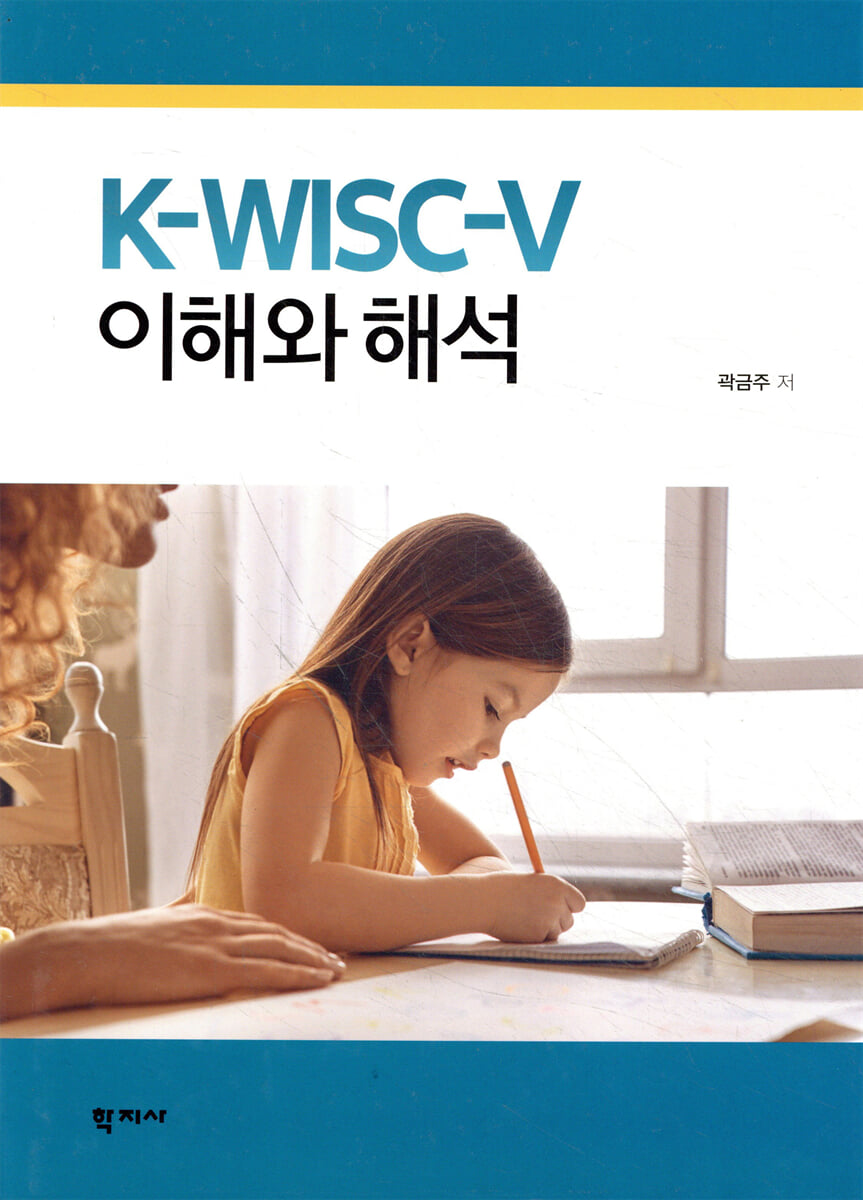
Understanding and Interpreting the K-WISC-V
 |
Description
index
preface
Chapter 1 Intelligence
I.
Intelligence theory
1.
Spearman's two-factor theory
2.
Thurstone's basic mental abilities
3.
Guilford's structural model of intelligence
4.
Cattell and Horn's Fluid-Crystallized Intelligence Model
5.
Burt and Vernon's hierarchical model
6.
Carroll's three-tier model
7. CHC theory
II.
development of intelligence
1.
Stability of intelligence
2.
The influence of intelligence
3.
Genetics and environment
III.
intelligence test
1.
The origins of intelligence testing
2.
Types of intelligence tests
Chapter 2 Wechsler Intelligence Scale
I.
About David Wechsler
II.
Wechsler Intelligence Scale
1.
History of the Wechsler Intelligence Scale
2.
Types of Wechsler Intelligence Tests
Chapter 3: Understanding the K-WISC-V
I.
About K-WISC-V
1.
K-WISC-V's testing system
2. WISC-V and K-WISC-V
3.
Significance and limitations of the K-WISC-V
II.
Comparison of K-WISC-IV and K-WISC-V
1.
Comparison of overall IQ
2.
Comparison of indicators
3.
Comparison of subtests
Chapter 4: Administration and Scoring of the K-WISC-V
I.
Inspection Implementation Guidelines
1.
physical environment
2.
Inspection tool
3.
Building rapport
4.
Fill out the record sheet
5.
Order of conducting the small test
6.
Test questions, demonstration questions, practice questions, teaching questions
7.
Starting point, reverse rule, and stopping rule
8.
Time measurement
II.
Mini-examination administration, scoring methods, and precautions
1.
Cut into pieces
2.
commonality
3.
Matrix reasoning
4.
number
5.
Symbol writing
6.
vocabulary
7.
Weight comparison
8.
puzzle
9.
Pictorial memory
10.
Finding homomorphisms
11.
common sense
12.
Find the common picture
13.
Sequential connection
14.
select
15.
understanding
16.
arithmetic
Chapter 5: Seven Steps of Interpreting the K-WISC-V: Steps 1–3
I.
Step 1: Interpreting Your Overall IQ
1.
The unity of overall IQ
II.
Step 2: Interpreting the Baseline Indicator Scale
1.
Unity of the basic indicator scale
2.
Interpreting the basic indicator score
3.
Analysis of the strengths and weaknesses of the fundamental indicators
4.
Comparison of differences in basic indicators
III.
Step 3: Interpreting the Core Indicator Scale Subtests
1.
Interpretation of the Basic Indicator Scale Subtest Scores
2.
Analysis of the Strengths and Weaknesses of the Basic Indicator Scale Subtests
3.
Comparison of differences between the basic indicator scale subtests
Chapter 6: Seven Steps of Interpreting the K-WISC-V: Steps 4–6
I.
Step 4: Interpreting the Additional Indicator Scale
1.
Unity of additional indicator scales
2.
Interpretation of Additional Indicator Score
3.
Comparison of differences in additional indicators
II.
Step 5: Interpreting the Additional Indicator Scale Subtests
1.
Interpretation of Additional Indicator Scale Subtest Scores
2.
Comparison of differences between the additional indicator scale subtests
III.
Step 6: Interpreting the Process Analysis
1.
Conversion and interpretation of processing scores
2.
Comparison of differences in converted scores of processing scores
3.
Interpretation of cumulative ratio of processing scores
4.
Comparison of raw score differences in processing scores
5.
Interpretation of Other Subtest Scores
6.
Comparison of differences in other subtests
7.
Limit verification analysis
Chapter 7 Step 7: Interpreting the CHC Analysis
I. About CHC theory
1. Background of CHC theory
2. The Birth of CHC Theory
3. Intelligence factors of CHC theory
II. CHC Theory and K-WISC-V
1. Broad cognitive abilities of CHC theory and K-WISC-V
2. Narrow cognitive abilities of CHC theory and K-WISC-V
3. CHC indicator interpretation
Chapter 8: Interpretation Cases and Report Writing
I.
Generating a Results Report
1.
Generating Results Report 1
2.
Results Report 2: Calculating CHC Analysis
II.
Interpreting the Results Report Case Study
1.
Step 1: Interpreting Your Overall IQ
2.
Step 2: Interpreting the Baseline Indicator Scale
3.
Step 3: Interpreting the Core Indicator Scale Subtests
4.
Step 4: Interpreting the Additional Indicator Scale
5.
Step 5: Interpreting the Additional Indicator Scale Subtests
6.
Step 6: Interpreting the Process Analysis
7.
Step 7: Interpreting the CHC Analysis
III.
Writing an evaluation report
1.
How to write an evaluation report
2.
Example of writing an evaluation report
Chapter 9: Interpretation through Clinical Cases 1
I.
intellectual disability
1.
Identification of intellectual disability
2.
Characteristics of intellectual disability
3.
Intellectual Disability and the WISC-V
4.
Intellectual disability cases
II.
Gifted
1.
Determination of giftedness
2.
Characteristics of a gifted person
3.
Giftedness and the WISC-V
4.
Gifted Case
III.
learning disabilities
1.
Identifying learning disabilities
2.
Characteristics of learning disabilities
3.
Learning Disabilities and the WISC-V
4.
Learning disability cases
Chapter 10: Interpretation through Clinical Cases 2
I.
autism spectrum disorder
1.
Diagnosis of autism spectrum disorder
2.
Characteristics of Autism Spectrum Disorder _ 361
3.
Autism Spectrum Disorder and the WISC-V
4.
Autism Spectrum Disorder Cases
II.
Attention Deficit Hyperactivity Disorder
1. Diagnosis of ADHD
2. Characteristics of ADHD
3. ADHD and WISC-V
4. ADHD cases
III.
hearing impairment
1.
Determination of hearing impairment
2.
Characteristics of hearing impairment
3.
Hearing Impairment and the WISC-V
4.
Cases of hearing impairment
References
Search
Chapter 1 Intelligence
I.
Intelligence theory
1.
Spearman's two-factor theory
2.
Thurstone's basic mental abilities
3.
Guilford's structural model of intelligence
4.
Cattell and Horn's Fluid-Crystallized Intelligence Model
5.
Burt and Vernon's hierarchical model
6.
Carroll's three-tier model
7. CHC theory
II.
development of intelligence
1.
Stability of intelligence
2.
The influence of intelligence
3.
Genetics and environment
III.
intelligence test
1.
The origins of intelligence testing
2.
Types of intelligence tests
Chapter 2 Wechsler Intelligence Scale
I.
About David Wechsler
II.
Wechsler Intelligence Scale
1.
History of the Wechsler Intelligence Scale
2.
Types of Wechsler Intelligence Tests
Chapter 3: Understanding the K-WISC-V
I.
About K-WISC-V
1.
K-WISC-V's testing system
2. WISC-V and K-WISC-V
3.
Significance and limitations of the K-WISC-V
II.
Comparison of K-WISC-IV and K-WISC-V
1.
Comparison of overall IQ
2.
Comparison of indicators
3.
Comparison of subtests
Chapter 4: Administration and Scoring of the K-WISC-V
I.
Inspection Implementation Guidelines
1.
physical environment
2.
Inspection tool
3.
Building rapport
4.
Fill out the record sheet
5.
Order of conducting the small test
6.
Test questions, demonstration questions, practice questions, teaching questions
7.
Starting point, reverse rule, and stopping rule
8.
Time measurement
II.
Mini-examination administration, scoring methods, and precautions
1.
Cut into pieces
2.
commonality
3.
Matrix reasoning
4.
number
5.
Symbol writing
6.
vocabulary
7.
Weight comparison
8.
puzzle
9.
Pictorial memory
10.
Finding homomorphisms
11.
common sense
12.
Find the common picture
13.
Sequential connection
14.
select
15.
understanding
16.
arithmetic
Chapter 5: Seven Steps of Interpreting the K-WISC-V: Steps 1–3
I.
Step 1: Interpreting Your Overall IQ
1.
The unity of overall IQ
II.
Step 2: Interpreting the Baseline Indicator Scale
1.
Unity of the basic indicator scale
2.
Interpreting the basic indicator score
3.
Analysis of the strengths and weaknesses of the fundamental indicators
4.
Comparison of differences in basic indicators
III.
Step 3: Interpreting the Core Indicator Scale Subtests
1.
Interpretation of the Basic Indicator Scale Subtest Scores
2.
Analysis of the Strengths and Weaknesses of the Basic Indicator Scale Subtests
3.
Comparison of differences between the basic indicator scale subtests
Chapter 6: Seven Steps of Interpreting the K-WISC-V: Steps 4–6
I.
Step 4: Interpreting the Additional Indicator Scale
1.
Unity of additional indicator scales
2.
Interpretation of Additional Indicator Score
3.
Comparison of differences in additional indicators
II.
Step 5: Interpreting the Additional Indicator Scale Subtests
1.
Interpretation of Additional Indicator Scale Subtest Scores
2.
Comparison of differences between the additional indicator scale subtests
III.
Step 6: Interpreting the Process Analysis
1.
Conversion and interpretation of processing scores
2.
Comparison of differences in converted scores of processing scores
3.
Interpretation of cumulative ratio of processing scores
4.
Comparison of raw score differences in processing scores
5.
Interpretation of Other Subtest Scores
6.
Comparison of differences in other subtests
7.
Limit verification analysis
Chapter 7 Step 7: Interpreting the CHC Analysis
I. About CHC theory
1. Background of CHC theory
2. The Birth of CHC Theory
3. Intelligence factors of CHC theory
II. CHC Theory and K-WISC-V
1. Broad cognitive abilities of CHC theory and K-WISC-V
2. Narrow cognitive abilities of CHC theory and K-WISC-V
3. CHC indicator interpretation
Chapter 8: Interpretation Cases and Report Writing
I.
Generating a Results Report
1.
Generating Results Report 1
2.
Results Report 2: Calculating CHC Analysis
II.
Interpreting the Results Report Case Study
1.
Step 1: Interpreting Your Overall IQ
2.
Step 2: Interpreting the Baseline Indicator Scale
3.
Step 3: Interpreting the Core Indicator Scale Subtests
4.
Step 4: Interpreting the Additional Indicator Scale
5.
Step 5: Interpreting the Additional Indicator Scale Subtests
6.
Step 6: Interpreting the Process Analysis
7.
Step 7: Interpreting the CHC Analysis
III.
Writing an evaluation report
1.
How to write an evaluation report
2.
Example of writing an evaluation report
Chapter 9: Interpretation through Clinical Cases 1
I.
intellectual disability
1.
Identification of intellectual disability
2.
Characteristics of intellectual disability
3.
Intellectual Disability and the WISC-V
4.
Intellectual disability cases
II.
Gifted
1.
Determination of giftedness
2.
Characteristics of a gifted person
3.
Giftedness and the WISC-V
4.
Gifted Case
III.
learning disabilities
1.
Identifying learning disabilities
2.
Characteristics of learning disabilities
3.
Learning Disabilities and the WISC-V
4.
Learning disability cases
Chapter 10: Interpretation through Clinical Cases 2
I.
autism spectrum disorder
1.
Diagnosis of autism spectrum disorder
2.
Characteristics of Autism Spectrum Disorder _ 361
3.
Autism Spectrum Disorder and the WISC-V
4.
Autism Spectrum Disorder Cases
II.
Attention Deficit Hyperactivity Disorder
1. Diagnosis of ADHD
2. Characteristics of ADHD
3. ADHD and WISC-V
4. ADHD cases
III.
hearing impairment
1.
Determination of hearing impairment
2.
Characteristics of hearing impairment
3.
Hearing Impairment and the WISC-V
4.
Cases of hearing impairment
References
Search
Detailed image

GOODS SPECIFICS
- Publication date: April 20, 2021
- Page count, weight, size: 414 pages | 1,032g | 198*266*23mm
- ISBN13: 9788999723940
- ISBN10: 8999723941
You may also like
카테고리
korean


korean

![ELLE 엘르 스페셜 에디션 A형 : 12월 [2025]](http://librairie.coreenne.fr/cdn/shop/files/b8e27a3de6c9538896439686c6b0e8fb.jpg?v=1766436872&width=3840)


