

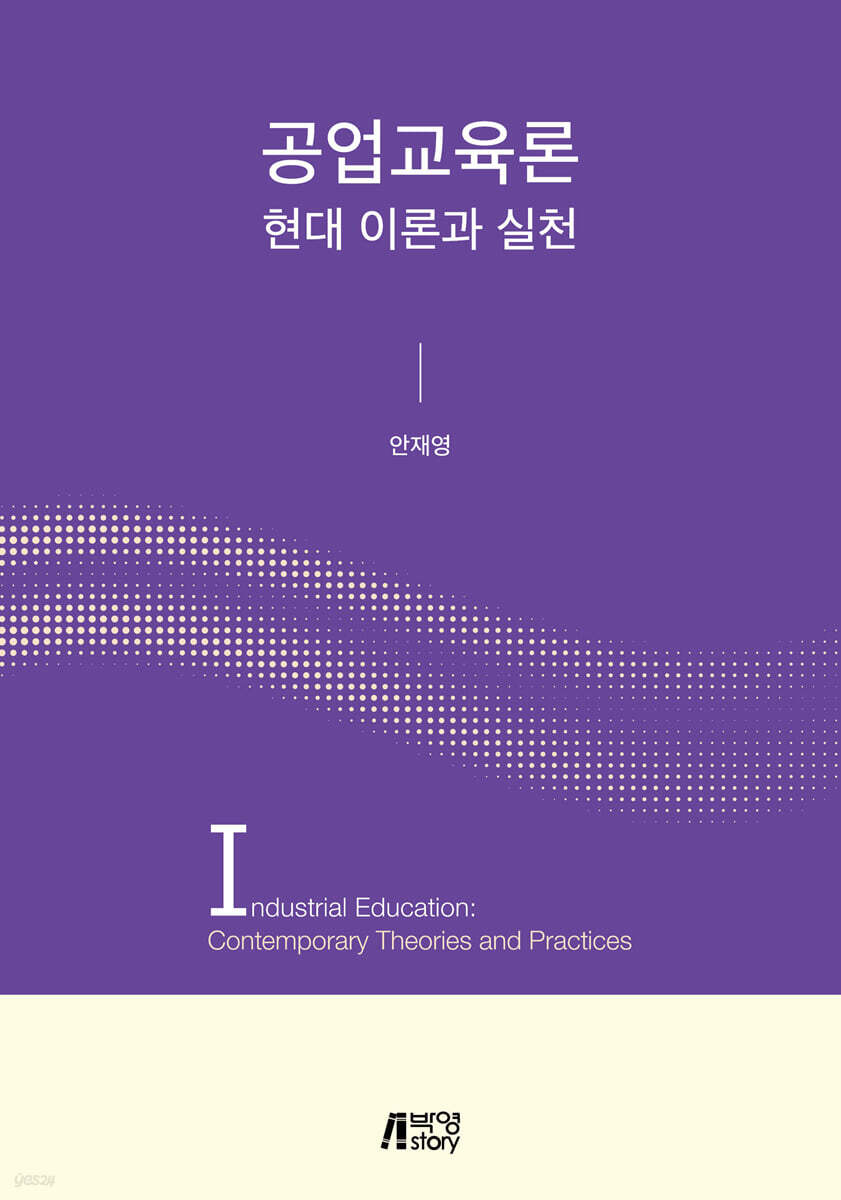
Industrial Education: Modern Theory and Practice
 |
Description
Book Introduction
The author, a teacher who has practiced industrial education at a specialized high school and an expert currently researching industrial education at a national research institute, felt the need for a book on industrial education and wrote this book.
This book not only contains the content that students who wish to become secondary school vocational engineering teachers need to learn, but will also be a useful resource for vocational engineering teachers, professors, and researchers in vocational education.
This book not only contains the content that students who wish to become secondary school vocational engineering teachers need to learn, but will also be a useful resource for vocational engineering teachers, professors, and researchers in vocational education.
- You can preview some of the book's contents.
Preview
index
Ⅰ The Concept and History of Industrial Education
01 Concept of Industrial Education ................................................................................
13
go.
The concept of education........................................................................
13
me.
Definition of Industrial Education ..................................................................
15
all.
Similar terms for industrial education................................................................
20
la.
The necessity (effect) of industrial education................................................
30
02 History and policy of industrial education .........................................................
33
go.
History of Industrial Education .................................................................
33
me.
Industrial education policy and history of industrial high schools ..............................
38
all.
The direction of future industrial education ...........................................................
47
II Industrial Education Curriculum
01 Concept and evolution of industrial education curriculum.................................................
53
go.
Concept of curriculum..................................................................
53
me.
Concept and characteristics of industrial education curriculum................................................
57
all.
Evolution of the Industrial Curriculum ...........................................................
61
02 Development of Industrial Education Curriculum ................................................................
70
go.
Curriculum design model................................................................
70
me.
Needs Analysis and Educational Goal Setting..................................................
72
all.
Selection of educational content................................................................................
75
la.
Organization of educational content .....................................................................
81
03 The Reality of Industrial Education Curriculum.............................................
84
go.
Industrial Education Curriculum Development, Operation, and Evaluation Procedures.................................
84
me.
Case studies of industrial education curriculum development and operation..................................
88
all.
National Curriculum (2022 Revised Curriculum).................................
96
III Industrial Teaching and Learning and Practice
01 Concept and characteristics of industrial teaching and learning.............................................
107
go.
Understanding Teaching and Learning .............................................................
107
me.
Characteristics of industrial teaching and learning.................................................
113
02 Industrial Teaching and Learning Process........................................................
116
go.
Planning stage ........................................................................
116
me.
Execution steps .........................................................................
121
all.
Evaluation phase .........................................................................
124
03 Industrial teaching and learning methods and teaching media.........................................
125
go.
Industrial teaching and learning methods.........................................................
125
me.
Industrial teaching media....................................................................
133
04 Practical training and training facility management ..................................................
137
go.
Practical training and training................................................................
137
me.
Practical training method................................................................................
140
all.
Practice Management ................................................................................
144
05 The Reality of Industrial Teaching and Learning .......................................................
148
go.
Teaching and learning plan for lecture method .................................................
148
me.
Teaching and Learning Plan for Cooperative Learning.............................................
151
all.
Teaching and learning plan for discussion and debate learning.................................
155
la.
Project Law Teaching and Learning Guide .........................................
160
IV Industrial Education Evaluation
01 Concept and characteristics of industrial education evaluation..................................
171
go.
Concept and types of educational evaluation................................................
171
me.
Characteristics of industrial education evaluation ........................................................
174
02 Teaching and Learning Evaluation ................................................................
177
go.
Types of Teaching and Learning Evaluation .....................................................
177
me.
Question creation ........................................................................
182
03 Performance Evaluation and Practical Evaluation.............................................
185
go.
Performance Evaluation .................................................................................
186
me.
Practical evaluation ...........................................................................
194
04 The Reality of Industrial Education Evaluation...........................................
198
go.
Achievement Evaluation System.........................................................
198
me.
Writing an evaluation plan and achievement level by achievement standard ...............................
203
all.
Write the achievement level and minimum achievement level for each learning area.........................
209
la.
Development of evaluation tools................................................................................
216
V Industry-Academic Cooperation and Career Guidance
01 Industry-Academic Cooperation..................................................................
227
go.
The concept of industry-academia cooperation.................................................
227
me.
Types of industry-academia cooperation................................................................
230
all.
Leading model for industry-academia cooperation: Apprenticeship education .............................................
235
02 Career and career guidance .................................................................
240
go.
Concept and activities of career guidance.............................................
240
me.
Growth path.................................................................................
246
03 The reality of industry-academia cooperation and career guidance......................................
251
go.
Concept and types of field training................................................
251
me.
Industrial employment contract-type field training procedure.................................
253
References ......................................................................................................
272
Find out .......................................................................................
278
01 Concept of Industrial Education ................................................................................
13
go.
The concept of education........................................................................
13
me.
Definition of Industrial Education ..................................................................
15
all.
Similar terms for industrial education................................................................
20
la.
The necessity (effect) of industrial education................................................
30
02 History and policy of industrial education .........................................................
33
go.
History of Industrial Education .................................................................
33
me.
Industrial education policy and history of industrial high schools ..............................
38
all.
The direction of future industrial education ...........................................................
47
II Industrial Education Curriculum
01 Concept and evolution of industrial education curriculum.................................................
53
go.
Concept of curriculum..................................................................
53
me.
Concept and characteristics of industrial education curriculum................................................
57
all.
Evolution of the Industrial Curriculum ...........................................................
61
02 Development of Industrial Education Curriculum ................................................................
70
go.
Curriculum design model................................................................
70
me.
Needs Analysis and Educational Goal Setting..................................................
72
all.
Selection of educational content................................................................................
75
la.
Organization of educational content .....................................................................
81
03 The Reality of Industrial Education Curriculum.............................................
84
go.
Industrial Education Curriculum Development, Operation, and Evaluation Procedures.................................
84
me.
Case studies of industrial education curriculum development and operation..................................
88
all.
National Curriculum (2022 Revised Curriculum).................................
96
III Industrial Teaching and Learning and Practice
01 Concept and characteristics of industrial teaching and learning.............................................
107
go.
Understanding Teaching and Learning .............................................................
107
me.
Characteristics of industrial teaching and learning.................................................
113
02 Industrial Teaching and Learning Process........................................................
116
go.
Planning stage ........................................................................
116
me.
Execution steps .........................................................................
121
all.
Evaluation phase .........................................................................
124
03 Industrial teaching and learning methods and teaching media.........................................
125
go.
Industrial teaching and learning methods.........................................................
125
me.
Industrial teaching media....................................................................
133
04 Practical training and training facility management ..................................................
137
go.
Practical training and training................................................................
137
me.
Practical training method................................................................................
140
all.
Practice Management ................................................................................
144
05 The Reality of Industrial Teaching and Learning .......................................................
148
go.
Teaching and learning plan for lecture method .................................................
148
me.
Teaching and Learning Plan for Cooperative Learning.............................................
151
all.
Teaching and learning plan for discussion and debate learning.................................
155
la.
Project Law Teaching and Learning Guide .........................................
160
IV Industrial Education Evaluation
01 Concept and characteristics of industrial education evaluation..................................
171
go.
Concept and types of educational evaluation................................................
171
me.
Characteristics of industrial education evaluation ........................................................
174
02 Teaching and Learning Evaluation ................................................................
177
go.
Types of Teaching and Learning Evaluation .....................................................
177
me.
Question creation ........................................................................
182
03 Performance Evaluation and Practical Evaluation.............................................
185
go.
Performance Evaluation .................................................................................
186
me.
Practical evaluation ...........................................................................
194
04 The Reality of Industrial Education Evaluation...........................................
198
go.
Achievement Evaluation System.........................................................
198
me.
Writing an evaluation plan and achievement level by achievement standard ...............................
203
all.
Write the achievement level and minimum achievement level for each learning area.........................
209
la.
Development of evaluation tools................................................................................
216
V Industry-Academic Cooperation and Career Guidance
01 Industry-Academic Cooperation..................................................................
227
go.
The concept of industry-academia cooperation.................................................
227
me.
Types of industry-academia cooperation................................................................
230
all.
Leading model for industry-academia cooperation: Apprenticeship education .............................................
235
02 Career and career guidance .................................................................
240
go.
Concept and activities of career guidance.............................................
240
me.
Growth path.................................................................................
246
03 The reality of industry-academia cooperation and career guidance......................................
251
go.
Concept and types of field training................................................
251
me.
Industrial employment contract-type field training procedure.................................
253
References ......................................................................................................
272
Find out .......................................................................................
278
Publisher's Review
preface
Our country is the only country in the world that has grown from an aid-receiving country to an aid-giving country.
Human resource development has contributed significantly to the rapid economic development of our country, which was poor in resources, since the 1960s, and industrial education has been at the center of this.
Recently, due to changes in population structure, such as the digitalization of industry, the emergence of new industries and technologies, population decline, and regional extinction, vocational education that connects education and training to work has been emphasized, and the importance of industrial education, that is, education in the industrial sector, the core of our industry, is growing.
Industry refers to secondary industry, and manufacturing is a representative example.
Most advanced countries are manufacturing powerhouses, and they foster tertiary and new industries based on this.
Industry is a rapidly evolving field, undergoing rapid digitalization, advancement, and globalization, and is actively integrating with other industries, resulting in constant change.
Industrial education, which is an academic discipline for cultivating talents in these industries, must also continuously develop to keep pace with changes.
However, there are not many books on industrial education, and even those that are published a long time ago do not contain the latest information.
The author, a teacher who has practiced industrial education at a specialized high school and an expert currently researching industrial education at a national research institute, felt the need for a book on industrial education and wrote this book.
This book not only contains the content that students who wish to become secondary school vocational engineering teachers need to learn, but will also be a useful resource for vocational engineering teachers, professors, and researchers in vocational education.
The features of this book are as follows:
First, it faithfully embodies the basic theories of industrial education.
The theory of industrial education is based on the theory of general education and was written to reflect the characteristics of industrial education.
This takes into account the link between general education and industrial education (vocational education), and is the direction of education that should be pursued in the long term.
Second, it contains actual examples of educational settings where industrial education is put into practice.
Industrial education is provided in secondary education (specialized high schools/Meister high schools) and higher education, but this book includes examples from secondary education.
Third, reflecting the fact that industrial education has the characteristics of both subject education and vocational education, the two elements were balanced.
This takes into account the globalization of industrial education and reflects the global trend of emphasizing vocational education.
Fourth, it can be applied not only to industrial education but also to other specialized subject education.
Although the curriculum content is different, the theories and principles of curriculum education are similar.
Education plays a very important role in human life.
Everyone gets an education, but what matters is not what grades they get, but what kind of education they get.
Although various subjects exist, specialized subjects such as industrial education play an important role in providing diversity to Korea's secondary education, which is mainly focused on general subjects, providing education tailored to students' aptitudes and talents, and broadening the range of career options.
Through this, students can find their long-term careers and receive the education that leads to self-realization that we dream of.
The value of specialized subjects such as industrial education is thus high, and the author's dream is to contribute to the training of specialized subject teachers and research on vocational education.
Finally, I would like to express my gratitude to everyone at Park Young Story who helped make this book possible.
Author: Jae-young Ahn
(vethope@krivet.re.kr)
Technical Vocational Education & Training, Welfare for All
Our country is the only country in the world that has grown from an aid-receiving country to an aid-giving country.
Human resource development has contributed significantly to the rapid economic development of our country, which was poor in resources, since the 1960s, and industrial education has been at the center of this.
Recently, due to changes in population structure, such as the digitalization of industry, the emergence of new industries and technologies, population decline, and regional extinction, vocational education that connects education and training to work has been emphasized, and the importance of industrial education, that is, education in the industrial sector, the core of our industry, is growing.
Industry refers to secondary industry, and manufacturing is a representative example.
Most advanced countries are manufacturing powerhouses, and they foster tertiary and new industries based on this.
Industry is a rapidly evolving field, undergoing rapid digitalization, advancement, and globalization, and is actively integrating with other industries, resulting in constant change.
Industrial education, which is an academic discipline for cultivating talents in these industries, must also continuously develop to keep pace with changes.
However, there are not many books on industrial education, and even those that are published a long time ago do not contain the latest information.
The author, a teacher who has practiced industrial education at a specialized high school and an expert currently researching industrial education at a national research institute, felt the need for a book on industrial education and wrote this book.
This book not only contains the content that students who wish to become secondary school vocational engineering teachers need to learn, but will also be a useful resource for vocational engineering teachers, professors, and researchers in vocational education.
The features of this book are as follows:
First, it faithfully embodies the basic theories of industrial education.
The theory of industrial education is based on the theory of general education and was written to reflect the characteristics of industrial education.
This takes into account the link between general education and industrial education (vocational education), and is the direction of education that should be pursued in the long term.
Second, it contains actual examples of educational settings where industrial education is put into practice.
Industrial education is provided in secondary education (specialized high schools/Meister high schools) and higher education, but this book includes examples from secondary education.
Third, reflecting the fact that industrial education has the characteristics of both subject education and vocational education, the two elements were balanced.
This takes into account the globalization of industrial education and reflects the global trend of emphasizing vocational education.
Fourth, it can be applied not only to industrial education but also to other specialized subject education.
Although the curriculum content is different, the theories and principles of curriculum education are similar.
Education plays a very important role in human life.
Everyone gets an education, but what matters is not what grades they get, but what kind of education they get.
Although various subjects exist, specialized subjects such as industrial education play an important role in providing diversity to Korea's secondary education, which is mainly focused on general subjects, providing education tailored to students' aptitudes and talents, and broadening the range of career options.
Through this, students can find their long-term careers and receive the education that leads to self-realization that we dream of.
The value of specialized subjects such as industrial education is thus high, and the author's dream is to contribute to the training of specialized subject teachers and research on vocational education.
Finally, I would like to express my gratitude to everyone at Park Young Story who helped make this book possible.
Author: Jae-young Ahn
(vethope@krivet.re.kr)
Technical Vocational Education & Training, Welfare for All
GOODS SPECIFICS
- Date of issue: September 23, 2025
- Page count, weight, size: 284 pages | 171*244*20mm
- ISBN13: 9791172791285
- ISBN10: 1172791287
You may also like
카테고리
korean


korean

![ELLE 엘르 스페셜 에디션 A형 : 12월 [2025]](http://librairie.coreenne.fr/cdn/shop/files/b8e27a3de6c9538896439686c6b0e8fb.jpg?v=1766436872&width=3840)


