

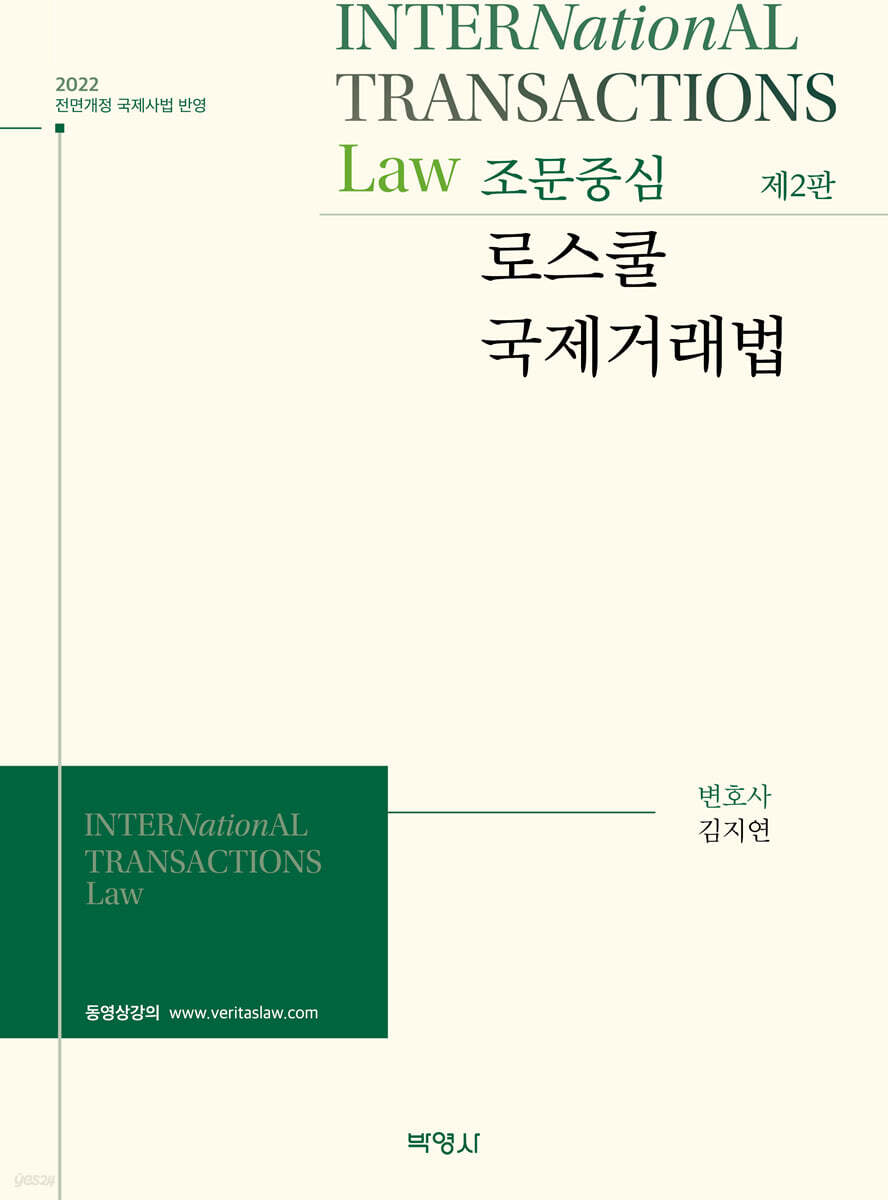
Article-centered law school international trade law
 |
Description
index
Part 1
international private law
Chapter 1 General Provisions 6
Section 1 Purpose 6
Ⅰ
Scope of application of private international law: Legal relationships involving foreign elements 6
Ⅱ
International Jurisdiction 6
Ⅲ
Governing Law 7
Section 2 International Jurisdiction 7
Ⅰ
General Principle 7
Ⅱ
General Jurisdiction 8
Ⅲ
Special Jurisdiction 9
Ⅳ
Jurisdiction over related cases 11
V
Counter-jurisdiction 12
Ⅵ
Agreement Jurisdiction 13
Ⅶ
Jurisdiction 15
Ⅷ
Exclusive jurisdiction 16
Ⅸ
International Litigation Competition 18
Ⅹ
Non-exercise of international jurisdiction 19
?
Jurisdiction over preservation measures 20
?
Jurisdiction over non-contentious cases 21
Section 3 Governing Law 21
Ⅰ
Overview 21
Ⅱ
Determining the Nature of Legal Relationships 22
Ⅲ
Confirmation of connection point 25
Ⅳ
Determination of Governing Law 28
V
Application of Governing Law 33
Chapter 2: People 36
Section 1 International Jurisdiction 36
Ⅰ
Special jurisdiction over cases such as declarations of missing persons 36
Ⅱ
Special jurisdiction over temples, etc. 37
Section 2 Governing Law 37
Ⅰ
Natural Person 37
Ⅱ
Corporation 38
Chapter 3 Legal Acts 40
Ⅰ
Method of Legal Act 40
Ⅱ
Substance of Legal Acts 41
Chapter 4 Property Rights 43
Ⅰ
Property Rights 43
Ⅱ
Transportation 44
Ⅲ
Bearer securities 45
Ⅳ
Moving Object 45
V
Collateral rights for bonds, etc. 45
Chapter 5 Intellectual Property Rights 46
Section 1 International Jurisdiction 46
Ⅰ
Special Jurisdiction over Litigation Concerning Intellectual Property Rights Contracts 46
Ⅱ
Special Jurisdiction over Intellectual Property Rights Infringement 47
Section 2 Governing Law 48
Chapter 6 Bonds 51
Section 1 International Jurisdiction 51
Ⅰ
Special Jurisdiction over Contracts 51
Ⅱ
Jurisdiction over consumer contracts 52
Ⅲ
Jurisdiction over employment contracts 53
Ⅳ
Special Jurisdiction over Actions Concerning Torts 54
Section 2 Governing Law 54
Ⅰ
55 If the parties choose the governing law
Ⅱ
58 If the parties do not choose the governing law
Ⅲ
Consumer Contract 61
Ⅳ
Employment Contract 62
V
Establishment and Validity of Contract 63
Ⅵ
Office Management 64
Ⅶ
Unjust enrichment 65
Ⅷ
Unlawful Act 66
Ⅸ
Posthumous Agreement on Governing Law 67
Ⅹ
Assignment of Claims and Assumption of Debts 68
?
Transfer of claims under the law 70
Chapter 7: Relatives 72
Section 1 International Jurisdiction 72
Ⅰ
Special Jurisdiction over Matters Concerning Marital Relations 72
Ⅱ
Special Jurisdiction over Cases Concerning Parent-Child Relationships 75
Ⅲ
Special Jurisdiction over Adoption Cases 75
Ⅳ
Special Jurisdiction over Cases Concerning Legal Relationships Between Parents and Children, Article 75
V
Jurisdiction over cases concerning support 75
Ⅵ
Special Jurisdiction over Cases Concerning Guardianship 76
Ⅶ
Jurisdiction over domestic relations cases 77
Ⅷ
Non-Law Case 77
Section 2 Governing Law 77
Ⅰ
Marriage 77
Ⅱ
Marital Property System 80
Ⅲ
Divorce 81
Ⅳ
Parent-Child Relationship 81
V
Support 84
Ⅵ
Other kinship 86
Ⅶ
Guardianship 86
Chapter 8 Inheritance 88
Section 1 International Jurisdiction 88
Ⅰ
Special Jurisdiction over Cases Concerning Inheritance 88
Ⅱ
Special Jurisdiction over Cases Concerning Wills 89
Section 2 Governing Law 90
Ⅰ
Inheritance 90
Ⅱ
Will 90
Chapter 9 Bills and Checks 92
Section 1 International Jurisdiction 92
Section 2 Governing Law 92
Ⅰ
Bills? Check Act Capacity 92
Ⅱ
Qualifications of a check payer 93
Ⅲ
Promissory Notes? Checks: Method of Action 93
Ⅳ
Validity of the Bill of Exchange and Check Act 94
V
Acquisition of causal bonds 94
Ⅵ
Partial acquisition and partial payment 95
Ⅶ
Exercise of Rights? Methods of Action for Preservation 95
Ⅷ
Loss of a bill? Check? Theft 95
Ⅸ
Check Payment Law 95
Chapter 10: Maritime Affairs 97
Section 1 International Jurisdiction 97
Ⅰ
Jurisdiction over cases of limitation of liability of ship owners, etc. 97
Ⅱ
Special Jurisdiction over Ships or Navigation 99
Ⅲ
Special Jurisdiction over Actions Concerning General Average 99
Ⅳ
Special Jurisdiction over Ship Collisions 99
V
Special Jurisdiction over Maritime Salvage 100
Section 2 Governing Law 100
Ⅰ
100 at sea
Ⅱ
Ship Collision 101
Ⅲ
Marine Rescue 101
Part 2
Regarding international sales contracts
United Nations Convention
Part 1 Scope and General Provisions
Chapter 1 Scope 110
Section 1. Application Requirements of the Agreement 110
Ⅰ
Common Requirements for the Application of the Agreement (Article 1, Paragraph 1) 110
Ⅱ
Local application requirements (direct application? indirect application) 114
Section 2 Exclusions from the Application of the Agreement 116
Ⅰ
116 Exclusions from the application of the contract to the validity of the contract and ownership of goods
Ⅱ
Exclusion from Product Liability 116
Chapter 2 General Provisions 117
Ⅰ
Interpretation of the Convention 117
Ⅱ
Statements of the Parties? Interpretation of Acts 118
Ⅲ
Binding Force of Practices and Customs 118
Ⅳ
Freedom of Contractual Methods 118
V
Article 96: Effect of the Declaration of Reservation 118
Ⅵ
Scope of writing 119
Part 2: Formation of the Contract
Chapter 1 Subscription 122
Ⅰ
Subscription Requirements 122
Ⅱ
Effective Date and Revocation of Subscription 123
Ⅲ
Withdrawal of subscription 124
Ⅳ
Refusal of Subscription 124
Chapter 2: Consent 125
Ⅰ
Method of consent and time of effect 125
Ⅱ
Changed consent 126
Ⅲ
Method of calculating the consent period 127
Ⅳ
Delayed Acceptance 128
V
Withdrawal of consent 129
Chapter 3: Formation of a Contract 130
Ⅰ
Date of Contract Formation 130
Ⅱ
Reach of the expression of intent 130
Part 3: Sale of Goods
Chapter 1 General Provisions 134
Ⅰ
Fundamental Breach of Contract 134
Ⅱ
Notice of intent to terminate contract 135
Ⅲ
Delay in transmission? Error, failure of communication 136
Ⅳ
Court's discretion in granting specific performance judgments 136
V
Changes to the contract? Termination 136
Chapter 2 Seller's Obligations 138
Section 1 Delivery of Goods and Issuance of Documents 138
Ⅰ
Delivery of Goods 138
Ⅱ
Issuance of Documents 141
Section 2: Suitability of Goods and Third-Party Claims of Rights 142
Ⅰ
Suitability of Goods 142
Ⅱ
Third Party Claims of Rights 146
Section 3 Remedies for Breach of Contract by the Seller 149
Ⅰ
Overview of the Buyer's Remedies for Seller's Breach of Contract 149
Ⅱ
Buyer's right to demand performance 150
Ⅲ
Additional period designation right 152
Ⅳ
Seller's Right to Remedy for Nonperformance (Right of Remedy) 153
V
Buyer's right to cancel the contract 154
Ⅵ
Deposit Discount Voucher 156
Ⅶ
Partial non-performance and partial non-conformity of goods 156
Ⅷ
Pre-delivery and overdelivery 157
Chapter 3 Obligations of the Buyer 159
Section 1 Payment of Fees 159
Ⅰ
Payment Obligation 159
Ⅱ
Decision on payment 160
Ⅲ
Payment Method 161
Section 2: The Leader of India 163
Ⅰ
Buyer's Obligation to Receive 163
Ⅱ
In case of non-performance of obligation to receive 163
Section 3 Remedies for Breach of Contract by Buyer 164
Ⅰ
Overview of the Seller's Remedies for Breach of Contract by the Buyer 164
Ⅱ
Right to claim performance of obligation 165
Ⅲ
Additional period designation right 165
Ⅳ
Right to terminate contract 166
V
Product Specification Right 168
Chapter 4 Transfer of Risk 169
Ⅰ
The Effect of Risk Transfer 169
Ⅱ
The period of risk transfer 170
Ⅲ
The Relationship Between Breach of Contract and Risk 172
Chapter 5 Common Provisions Regarding the Obligations of Seller and Buyer 173
Section 1. Breach of Contract Prior to Performance and Installment Delivery Contracts 173
Ⅰ
Breach of contract prior to performance 173
Ⅱ
Split Delivery Agreement 175
Section 2 Damages 176
Ⅰ
Damages for Breach of Contract 176
Ⅱ
Compensation for damages due to termination of contract 177
Ⅲ
Loss Mitigation Obligation 178
Section 3 Interest 180
Section 4 Disclaimer 180
Ⅰ
180 Cases where liability for damages is exempted
Ⅱ
182 Cases in which liability for breach of contract is exempted
Section 5 Effect of Release 183
Ⅰ
Termination of Contract and Restoration of Original Condition 183
Ⅱ
Loss of the buyer's right to cancel the contract and demand delivery of a substitute product 183
Ⅲ
Scope of return obligation upon contract termination 185
Section 6 Storage of Goods 185
Ⅰ
Seller's Duty to Store Goods 186
Ⅱ
Buyer's Duty to Store Goods 186
Ⅲ
Warehouse Deposit 187
Ⅳ
Sale 187
Part 4 Final Regulations
Part 3
Commentary on the Bar Exams for the Last 6 Years
1.
2025 14th Bar Examination Commentary 198
2.
2024 13th Bar Examination Commentary 218
3.
2023 12th Bar Examination Commentary 235
4.
2022 11th Bar Examination Commentary 254
5.
2021 10th Bar Examination Commentary 268
6.
2020 9th Bar Examination Commentary 280
Part 4
supplement
1.
Private International Law 298
2.
United Nations Convention on Contracts for the International Sale of Goods Article 313
Reference 330
Case Index 331
international private law
Chapter 1 General Provisions 6
Section 1 Purpose 6
Ⅰ
Scope of application of private international law: Legal relationships involving foreign elements 6
Ⅱ
International Jurisdiction 6
Ⅲ
Governing Law 7
Section 2 International Jurisdiction 7
Ⅰ
General Principle 7
Ⅱ
General Jurisdiction 8
Ⅲ
Special Jurisdiction 9
Ⅳ
Jurisdiction over related cases 11
V
Counter-jurisdiction 12
Ⅵ
Agreement Jurisdiction 13
Ⅶ
Jurisdiction 15
Ⅷ
Exclusive jurisdiction 16
Ⅸ
International Litigation Competition 18
Ⅹ
Non-exercise of international jurisdiction 19
?
Jurisdiction over preservation measures 20
?
Jurisdiction over non-contentious cases 21
Section 3 Governing Law 21
Ⅰ
Overview 21
Ⅱ
Determining the Nature of Legal Relationships 22
Ⅲ
Confirmation of connection point 25
Ⅳ
Determination of Governing Law 28
V
Application of Governing Law 33
Chapter 2: People 36
Section 1 International Jurisdiction 36
Ⅰ
Special jurisdiction over cases such as declarations of missing persons 36
Ⅱ
Special jurisdiction over temples, etc. 37
Section 2 Governing Law 37
Ⅰ
Natural Person 37
Ⅱ
Corporation 38
Chapter 3 Legal Acts 40
Ⅰ
Method of Legal Act 40
Ⅱ
Substance of Legal Acts 41
Chapter 4 Property Rights 43
Ⅰ
Property Rights 43
Ⅱ
Transportation 44
Ⅲ
Bearer securities 45
Ⅳ
Moving Object 45
V
Collateral rights for bonds, etc. 45
Chapter 5 Intellectual Property Rights 46
Section 1 International Jurisdiction 46
Ⅰ
Special Jurisdiction over Litigation Concerning Intellectual Property Rights Contracts 46
Ⅱ
Special Jurisdiction over Intellectual Property Rights Infringement 47
Section 2 Governing Law 48
Chapter 6 Bonds 51
Section 1 International Jurisdiction 51
Ⅰ
Special Jurisdiction over Contracts 51
Ⅱ
Jurisdiction over consumer contracts 52
Ⅲ
Jurisdiction over employment contracts 53
Ⅳ
Special Jurisdiction over Actions Concerning Torts 54
Section 2 Governing Law 54
Ⅰ
55 If the parties choose the governing law
Ⅱ
58 If the parties do not choose the governing law
Ⅲ
Consumer Contract 61
Ⅳ
Employment Contract 62
V
Establishment and Validity of Contract 63
Ⅵ
Office Management 64
Ⅶ
Unjust enrichment 65
Ⅷ
Unlawful Act 66
Ⅸ
Posthumous Agreement on Governing Law 67
Ⅹ
Assignment of Claims and Assumption of Debts 68
?
Transfer of claims under the law 70
Chapter 7: Relatives 72
Section 1 International Jurisdiction 72
Ⅰ
Special Jurisdiction over Matters Concerning Marital Relations 72
Ⅱ
Special Jurisdiction over Cases Concerning Parent-Child Relationships 75
Ⅲ
Special Jurisdiction over Adoption Cases 75
Ⅳ
Special Jurisdiction over Cases Concerning Legal Relationships Between Parents and Children, Article 75
V
Jurisdiction over cases concerning support 75
Ⅵ
Special Jurisdiction over Cases Concerning Guardianship 76
Ⅶ
Jurisdiction over domestic relations cases 77
Ⅷ
Non-Law Case 77
Section 2 Governing Law 77
Ⅰ
Marriage 77
Ⅱ
Marital Property System 80
Ⅲ
Divorce 81
Ⅳ
Parent-Child Relationship 81
V
Support 84
Ⅵ
Other kinship 86
Ⅶ
Guardianship 86
Chapter 8 Inheritance 88
Section 1 International Jurisdiction 88
Ⅰ
Special Jurisdiction over Cases Concerning Inheritance 88
Ⅱ
Special Jurisdiction over Cases Concerning Wills 89
Section 2 Governing Law 90
Ⅰ
Inheritance 90
Ⅱ
Will 90
Chapter 9 Bills and Checks 92
Section 1 International Jurisdiction 92
Section 2 Governing Law 92
Ⅰ
Bills? Check Act Capacity 92
Ⅱ
Qualifications of a check payer 93
Ⅲ
Promissory Notes? Checks: Method of Action 93
Ⅳ
Validity of the Bill of Exchange and Check Act 94
V
Acquisition of causal bonds 94
Ⅵ
Partial acquisition and partial payment 95
Ⅶ
Exercise of Rights? Methods of Action for Preservation 95
Ⅷ
Loss of a bill? Check? Theft 95
Ⅸ
Check Payment Law 95
Chapter 10: Maritime Affairs 97
Section 1 International Jurisdiction 97
Ⅰ
Jurisdiction over cases of limitation of liability of ship owners, etc. 97
Ⅱ
Special Jurisdiction over Ships or Navigation 99
Ⅲ
Special Jurisdiction over Actions Concerning General Average 99
Ⅳ
Special Jurisdiction over Ship Collisions 99
V
Special Jurisdiction over Maritime Salvage 100
Section 2 Governing Law 100
Ⅰ
100 at sea
Ⅱ
Ship Collision 101
Ⅲ
Marine Rescue 101
Part 2
Regarding international sales contracts
United Nations Convention
Part 1 Scope and General Provisions
Chapter 1 Scope 110
Section 1. Application Requirements of the Agreement 110
Ⅰ
Common Requirements for the Application of the Agreement (Article 1, Paragraph 1) 110
Ⅱ
Local application requirements (direct application? indirect application) 114
Section 2 Exclusions from the Application of the Agreement 116
Ⅰ
116 Exclusions from the application of the contract to the validity of the contract and ownership of goods
Ⅱ
Exclusion from Product Liability 116
Chapter 2 General Provisions 117
Ⅰ
Interpretation of the Convention 117
Ⅱ
Statements of the Parties? Interpretation of Acts 118
Ⅲ
Binding Force of Practices and Customs 118
Ⅳ
Freedom of Contractual Methods 118
V
Article 96: Effect of the Declaration of Reservation 118
Ⅵ
Scope of writing 119
Part 2: Formation of the Contract
Chapter 1 Subscription 122
Ⅰ
Subscription Requirements 122
Ⅱ
Effective Date and Revocation of Subscription 123
Ⅲ
Withdrawal of subscription 124
Ⅳ
Refusal of Subscription 124
Chapter 2: Consent 125
Ⅰ
Method of consent and time of effect 125
Ⅱ
Changed consent 126
Ⅲ
Method of calculating the consent period 127
Ⅳ
Delayed Acceptance 128
V
Withdrawal of consent 129
Chapter 3: Formation of a Contract 130
Ⅰ
Date of Contract Formation 130
Ⅱ
Reach of the expression of intent 130
Part 3: Sale of Goods
Chapter 1 General Provisions 134
Ⅰ
Fundamental Breach of Contract 134
Ⅱ
Notice of intent to terminate contract 135
Ⅲ
Delay in transmission? Error, failure of communication 136
Ⅳ
Court's discretion in granting specific performance judgments 136
V
Changes to the contract? Termination 136
Chapter 2 Seller's Obligations 138
Section 1 Delivery of Goods and Issuance of Documents 138
Ⅰ
Delivery of Goods 138
Ⅱ
Issuance of Documents 141
Section 2: Suitability of Goods and Third-Party Claims of Rights 142
Ⅰ
Suitability of Goods 142
Ⅱ
Third Party Claims of Rights 146
Section 3 Remedies for Breach of Contract by the Seller 149
Ⅰ
Overview of the Buyer's Remedies for Seller's Breach of Contract 149
Ⅱ
Buyer's right to demand performance 150
Ⅲ
Additional period designation right 152
Ⅳ
Seller's Right to Remedy for Nonperformance (Right of Remedy) 153
V
Buyer's right to cancel the contract 154
Ⅵ
Deposit Discount Voucher 156
Ⅶ
Partial non-performance and partial non-conformity of goods 156
Ⅷ
Pre-delivery and overdelivery 157
Chapter 3 Obligations of the Buyer 159
Section 1 Payment of Fees 159
Ⅰ
Payment Obligation 159
Ⅱ
Decision on payment 160
Ⅲ
Payment Method 161
Section 2: The Leader of India 163
Ⅰ
Buyer's Obligation to Receive 163
Ⅱ
In case of non-performance of obligation to receive 163
Section 3 Remedies for Breach of Contract by Buyer 164
Ⅰ
Overview of the Seller's Remedies for Breach of Contract by the Buyer 164
Ⅱ
Right to claim performance of obligation 165
Ⅲ
Additional period designation right 165
Ⅳ
Right to terminate contract 166
V
Product Specification Right 168
Chapter 4 Transfer of Risk 169
Ⅰ
The Effect of Risk Transfer 169
Ⅱ
The period of risk transfer 170
Ⅲ
The Relationship Between Breach of Contract and Risk 172
Chapter 5 Common Provisions Regarding the Obligations of Seller and Buyer 173
Section 1. Breach of Contract Prior to Performance and Installment Delivery Contracts 173
Ⅰ
Breach of contract prior to performance 173
Ⅱ
Split Delivery Agreement 175
Section 2 Damages 176
Ⅰ
Damages for Breach of Contract 176
Ⅱ
Compensation for damages due to termination of contract 177
Ⅲ
Loss Mitigation Obligation 178
Section 3 Interest 180
Section 4 Disclaimer 180
Ⅰ
180 Cases where liability for damages is exempted
Ⅱ
182 Cases in which liability for breach of contract is exempted
Section 5 Effect of Release 183
Ⅰ
Termination of Contract and Restoration of Original Condition 183
Ⅱ
Loss of the buyer's right to cancel the contract and demand delivery of a substitute product 183
Ⅲ
Scope of return obligation upon contract termination 185
Section 6 Storage of Goods 185
Ⅰ
Seller's Duty to Store Goods 186
Ⅱ
Buyer's Duty to Store Goods 186
Ⅲ
Warehouse Deposit 187
Ⅳ
Sale 187
Part 4 Final Regulations
Part 3
Commentary on the Bar Exams for the Last 6 Years
1.
2025 14th Bar Examination Commentary 198
2.
2024 13th Bar Examination Commentary 218
3.
2023 12th Bar Examination Commentary 235
4.
2022 11th Bar Examination Commentary 254
5.
2021 10th Bar Examination Commentary 268
6.
2020 9th Bar Examination Commentary 280
Part 4
supplement
1.
Private International Law 298
2.
United Nations Convention on Contracts for the International Sale of Goods Article 313
Reference 330
Case Index 331
Publisher's Review
To students preparing for the bar exam
1.
On the importance of elective subjects
The elective subjects in the bar exam are worth 160 points, which is a considerable amount of points compared to the public law/criminal law case study, civil law record type, and public law/criminal law record type, which are worth 200, 175, and 100 points, respectively.
Therefore, in the bar exam, where the difference between passing and failing is determined by a difference of just a few points, it is right to choose elective subjects based on what subjects you can get a good score on to pass, rather than what you want to do well in, such as law or a desire to specialize.
The advantages of international trade law as an elective subject are, first, the amount of articles is significantly smaller than in other laws, so the amount of studying is also smaller. Second, the gap in the amount of time invested in studying and the amount of knowledge that test takers have is not large, so if you study properly, the possibility of getting a high score is higher than in other laws. Third, if you only understand the structure of the articles, it is easy to find the articles within the exam time because the amount of articles is small, and therefore the possibility of submitting a blank answer sheet is extremely low.
Therefore, if we consider the subject that can be scored well for passing the exam, it can be seen as strategically correct to choose international trade law as an elective subject.
2.
International Trade Law: When and How to Study
I think that the study time devoted to international trade law should be within two weeks.
However, rather than investing for two weeks at once, it is better to divide the investment into several periods to increase the number of readings.
First, a single reading is sufficient for understanding the basic concepts, and 3 days each for international private law and CISG is sufficient for about 6 days.
Any time during the exam year is fine, but if you don't read through it once by Chuseok, the anxiety of not knowing anything about the elective subject can have a negative effect on the entire exam, so it is recommended to read through it once before Chuseok at the latest.
In the second reading, let's study by checking the key contents based on the basic concepts understood in the first reading.
It would be even better if you organized the materials you take to the exam room by highlighting important information in the notes.
A four-day period, two days each for International Private Law and CISG, is sufficient, and since properly solving even one mock exam on International Trade Law in October will definitely help you on the actual bar exam, I think the optimal time to study is before the mock exam in October.
In the third reading, let's solve past exam questions along with the basic concepts.
The structure of the problem-solving for the International Trade Law exam is almost the same every year, and the number of frequently appearing questions is limited compared to other subjects, so you must solve past exam questions from at least the past three to five years.
The period is sufficient to take two days, one day each for private international law and CISG.
For the 4th reading, invest about half a day before the final reading before the bar exam to review the materials and past questions organized during the 1st to 3rd readings.
We recommend reading it 5 times on the evening of the second day before the bar exam.
It's difficult to focus on the broad scope of civil law after a full day of criminal law, and even if you could, investing evening hours to score on civil law is a slightly more likely option than focusing on international trade law.
If you complete the five readings like this, do a final review during the break in the exam room, and then take the exam, you can definitely get a high score on international trade law.
3.
About this book
This book is not intended for academic or practical use in international trade law, but is a 'preparatory book' solely for the bar exam.
To prevent test takers from wasting time on unnecessary material, only the necessary content has been included. Therefore, to take the bar exam, it is sufficient to know only the contents of this book.
In addition, since the international trade law exam questions whether one understands the structure and content of the provisions and knows the steps to apply them, the importance of the provisions cannot be overemphasized. Therefore, when studying international trade law, it is recommended to keep the provisions included in the appendix of this book by one's side and study them while looking at them.
Of course, it is not necessary to look at the appendix of this book for the text, and it does not matter if it is viewed in any form.
However, when studying the CISG, please note that you should not study by simply looking at articles with arbitrary titles next to them. The original CISG text doesn't include titles, so the code provided in the exam room doesn't include them either. If you become accustomed to studying by looking at the titles next to the articles, you'll unconsciously look for the titles during the exam. If you encounter a code without titles, you might be confused and unable to find the article.
4.
finally
I think that life as a test taker is a battle with anxiety.
When the thought of 'what if I don't pass' crosses my mind, I feel anxious and it becomes difficult to concentrate on studying.
Since the bar exam is given the same amount of time for everyone, I believe that the person who can quickly overcome this anxiety and focus on studying will win.
Therefore, when preparing for an exam, you should create your own method of relieving anxiety in advance and practice quickly overcoming anxiety.
As I publish this book, I hope that the students reading it will not become too tired or burdened by the exam period, and that they will all be able to share in the joy of passing the exam.
1.
On the importance of elective subjects
The elective subjects in the bar exam are worth 160 points, which is a considerable amount of points compared to the public law/criminal law case study, civil law record type, and public law/criminal law record type, which are worth 200, 175, and 100 points, respectively.
Therefore, in the bar exam, where the difference between passing and failing is determined by a difference of just a few points, it is right to choose elective subjects based on what subjects you can get a good score on to pass, rather than what you want to do well in, such as law or a desire to specialize.
The advantages of international trade law as an elective subject are, first, the amount of articles is significantly smaller than in other laws, so the amount of studying is also smaller. Second, the gap in the amount of time invested in studying and the amount of knowledge that test takers have is not large, so if you study properly, the possibility of getting a high score is higher than in other laws. Third, if you only understand the structure of the articles, it is easy to find the articles within the exam time because the amount of articles is small, and therefore the possibility of submitting a blank answer sheet is extremely low.
Therefore, if we consider the subject that can be scored well for passing the exam, it can be seen as strategically correct to choose international trade law as an elective subject.
2.
International Trade Law: When and How to Study
I think that the study time devoted to international trade law should be within two weeks.
However, rather than investing for two weeks at once, it is better to divide the investment into several periods to increase the number of readings.
First, a single reading is sufficient for understanding the basic concepts, and 3 days each for international private law and CISG is sufficient for about 6 days.
Any time during the exam year is fine, but if you don't read through it once by Chuseok, the anxiety of not knowing anything about the elective subject can have a negative effect on the entire exam, so it is recommended to read through it once before Chuseok at the latest.
In the second reading, let's study by checking the key contents based on the basic concepts understood in the first reading.
It would be even better if you organized the materials you take to the exam room by highlighting important information in the notes.
A four-day period, two days each for International Private Law and CISG, is sufficient, and since properly solving even one mock exam on International Trade Law in October will definitely help you on the actual bar exam, I think the optimal time to study is before the mock exam in October.
In the third reading, let's solve past exam questions along with the basic concepts.
The structure of the problem-solving for the International Trade Law exam is almost the same every year, and the number of frequently appearing questions is limited compared to other subjects, so you must solve past exam questions from at least the past three to five years.
The period is sufficient to take two days, one day each for private international law and CISG.
For the 4th reading, invest about half a day before the final reading before the bar exam to review the materials and past questions organized during the 1st to 3rd readings.
We recommend reading it 5 times on the evening of the second day before the bar exam.
It's difficult to focus on the broad scope of civil law after a full day of criminal law, and even if you could, investing evening hours to score on civil law is a slightly more likely option than focusing on international trade law.
If you complete the five readings like this, do a final review during the break in the exam room, and then take the exam, you can definitely get a high score on international trade law.
3.
About this book
This book is not intended for academic or practical use in international trade law, but is a 'preparatory book' solely for the bar exam.
To prevent test takers from wasting time on unnecessary material, only the necessary content has been included. Therefore, to take the bar exam, it is sufficient to know only the contents of this book.
In addition, since the international trade law exam questions whether one understands the structure and content of the provisions and knows the steps to apply them, the importance of the provisions cannot be overemphasized. Therefore, when studying international trade law, it is recommended to keep the provisions included in the appendix of this book by one's side and study them while looking at them.
Of course, it is not necessary to look at the appendix of this book for the text, and it does not matter if it is viewed in any form.
However, when studying the CISG, please note that you should not study by simply looking at articles with arbitrary titles next to them. The original CISG text doesn't include titles, so the code provided in the exam room doesn't include them either. If you become accustomed to studying by looking at the titles next to the articles, you'll unconsciously look for the titles during the exam. If you encounter a code without titles, you might be confused and unable to find the article.
4.
finally
I think that life as a test taker is a battle with anxiety.
When the thought of 'what if I don't pass' crosses my mind, I feel anxious and it becomes difficult to concentrate on studying.
Since the bar exam is given the same amount of time for everyone, I believe that the person who can quickly overcome this anxiety and focus on studying will win.
Therefore, when preparing for an exam, you should create your own method of relieving anxiety in advance and practice quickly overcoming anxiety.
As I publish this book, I hope that the students reading it will not become too tired or burdened by the exam period, and that they will all be able to share in the joy of passing the exam.
GOODS SPECIFICS
- Date of issue: October 1, 2025
- Page count, weight, size: 344 pages | 190*258*30mm
- ISBN13: 9791130398624
- ISBN10: 1130398625
You may also like
카테고리
korean


korean

![GQ KOREA Mark (Monthly): December [2025]](http://librairie.coreenne.fr/cdn/shop/files/8ef265dbbfbf186523ed75ba7319009d.jpg?v=1765340328&width=3840)


