

Dr. Vodder's Manual Lymphatic Drainage
 |
Description
Book Introduction
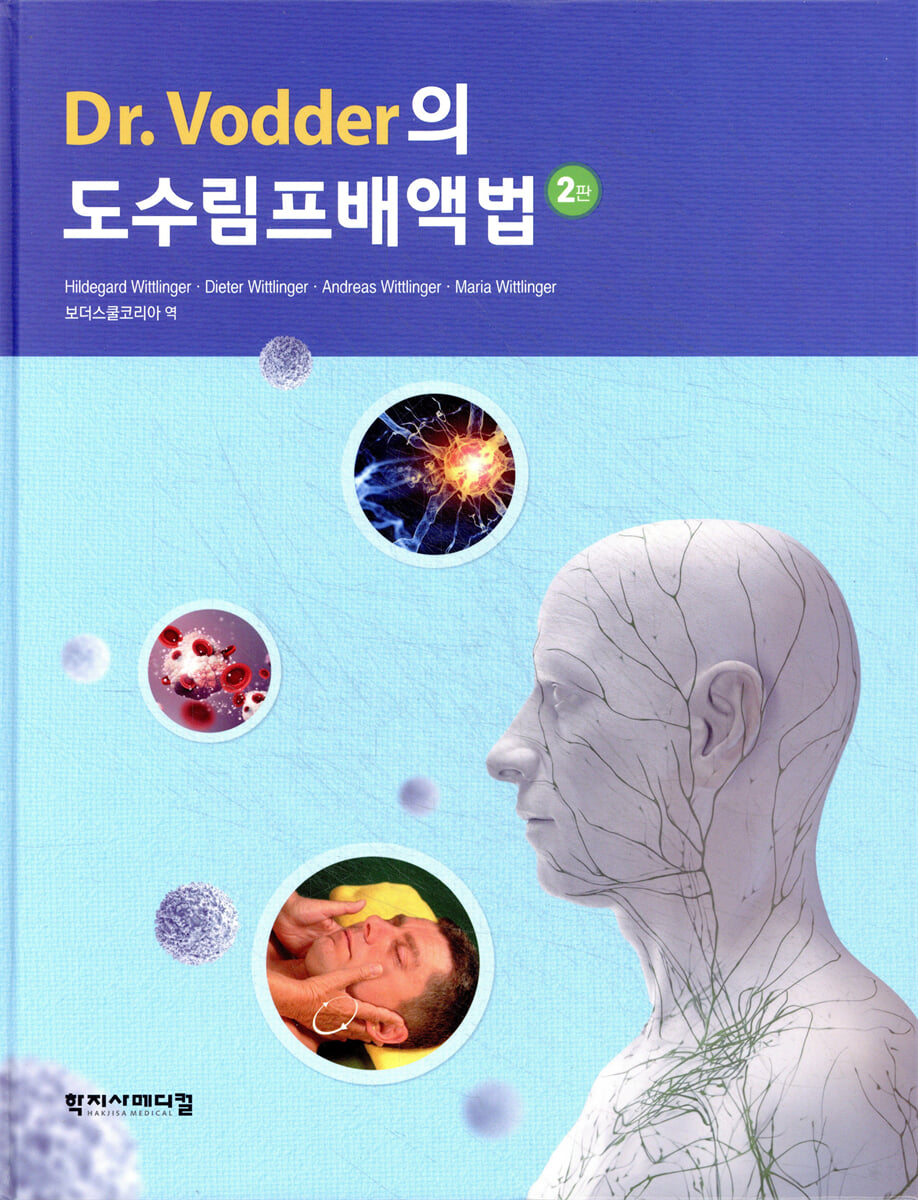
An essential reference book containing the principles and practice of internationally proven manual lymphatic drainage.
This second edition of this book has been revised to reflect the latest scientific findings from basic research in lymphology.
For example, new findings include evidence of the presence of lymphatic vessels in the meninges of mice.
As therapists applying this method in real clinical practice, we must ask ourselves what these small advances in basic research mean in real clinical practice.
In fact, at least in Austria, social security agencies have consistently questioned the clinical effectiveness of manual lymph drainage (MLD) and combined decongestive therapy through meta-analyses.
These meta-analyses repeatedly state that there is insufficient evidence for the therapeutic efficacy of manual lymphatic drainage.
Future studies should focus on establishing and supporting the scientific evidence that MLD is a scientifically effective treatment.
Only then will the medical community recognize the importance of this method and embrace its effectiveness.
If this happens, therapists will be able to receive ongoing prescriptions for manual lymphatic drainage and provide clearer evidence of its therapeutic effectiveness.
A problem facing current practitioners is that many doctors are not familiar with the pathways of the cutaneous lymphatic system and have limited understanding of how Vodder's manual lymphatic drainage works by acting on the cutaneous lymphatic system.
Dr.
Vodder's manual lymphatic drainage technique can be performed as a whole-body treatment or in conjunction with physical edema reduction treatments, and its treatment principles and practical application remain valid today.
Vodder's technique is precisely established.
To achieve the expected therapeutic effect, the treatment must be performed with accurate and consistent frequency and rhythm.
Scientific research over the past 50 years has shown that if this technique is performed with too much pressure or too quickly, it can cause the lymphatic vessels to spasm.
Vodder also emphasized this point repeatedly in his lectures, which I still remember vividly.
Manual lymphatic drainage is a specialized treatment that improves the function of the lymphatic system and plays an important role in solving various clinical problems such as lymphedema.
This book is written by Dr. Lee, the founder and authority in this field.
Vodder's representative work contains systematic and practical content based on over 50 years of clinical experience and research results.
Although MLD treatment is gaining recognition in Korea, related specialized literature is limited.
I sincerely hope that this book will serve as an excellent reference for therapists learning manual lymphatic drainage, and that they will enjoy learning this technique and recognize its value as one of their treatment options.
This second edition of this book has been revised to reflect the latest scientific findings from basic research in lymphology.
For example, new findings include evidence of the presence of lymphatic vessels in the meninges of mice.
As therapists applying this method in real clinical practice, we must ask ourselves what these small advances in basic research mean in real clinical practice.
In fact, at least in Austria, social security agencies have consistently questioned the clinical effectiveness of manual lymph drainage (MLD) and combined decongestive therapy through meta-analyses.
These meta-analyses repeatedly state that there is insufficient evidence for the therapeutic efficacy of manual lymphatic drainage.
Future studies should focus on establishing and supporting the scientific evidence that MLD is a scientifically effective treatment.
Only then will the medical community recognize the importance of this method and embrace its effectiveness.
If this happens, therapists will be able to receive ongoing prescriptions for manual lymphatic drainage and provide clearer evidence of its therapeutic effectiveness.
A problem facing current practitioners is that many doctors are not familiar with the pathways of the cutaneous lymphatic system and have limited understanding of how Vodder's manual lymphatic drainage works by acting on the cutaneous lymphatic system.
Dr.
Vodder's manual lymphatic drainage technique can be performed as a whole-body treatment or in conjunction with physical edema reduction treatments, and its treatment principles and practical application remain valid today.
Vodder's technique is precisely established.
To achieve the expected therapeutic effect, the treatment must be performed with accurate and consistent frequency and rhythm.
Scientific research over the past 50 years has shown that if this technique is performed with too much pressure or too quickly, it can cause the lymphatic vessels to spasm.
Vodder also emphasized this point repeatedly in his lectures, which I still remember vividly.
Manual lymphatic drainage is a specialized treatment that improves the function of the lymphatic system and plays an important role in solving various clinical problems such as lymphedema.
This book is written by Dr. Lee, the founder and authority in this field.
Vodder's representative work contains systematic and practical content based on over 50 years of clinical experience and research results.
Although MLD treatment is gaining recognition in Korea, related specialized literature is limited.
I sincerely hope that this book will serve as an excellent reference for therapists learning manual lymphatic drainage, and that they will enjoy learning this technique and recognize its value as one of their treatment options.
index
Part 1 Theoretical Basis of Manual Lymphatic Drainage
Chapter 1 Anatomy and Physiology of Blood Circulation
Chapter 2 Anatomy of Lymphatic Vessels and Lymph Nodes
Chapter 3: Physiology of the Lymphatic System, Lymph, and Interstitium
Chapter 4 Lymphedema
Part 2 Manual Lymphatic Drainage
Chapter 5: Balance and Equilibrium: The Purpose of Massage
Chapter 6 Indications and Contraindications for Manual Lymphatic Drainage
Chapter 7 The Effects of Manual Lymphatic Drainage on the Blood Vessels and Smooth Muscles of the Lymphangion
Chapter 8 Diagnostic Tests and Edema Measurement
Part 3 Manual Lymphatic Drainage Techniques
Chapter 9 Massage Techniques
Chapter 10 Treatment of Individual Body Parts
Chapter 11 Special Techniques
Chapter 12 Treatment Models for Secondary Lymphedema
Part 4 Complementary Therapies
Chapter 13 Complementary Therapies
Part 5 Historical Background
Chapter 14 Historical Background
Chapter 1 Anatomy and Physiology of Blood Circulation
Chapter 2 Anatomy of Lymphatic Vessels and Lymph Nodes
Chapter 3: Physiology of the Lymphatic System, Lymph, and Interstitium
Chapter 4 Lymphedema
Part 2 Manual Lymphatic Drainage
Chapter 5: Balance and Equilibrium: The Purpose of Massage
Chapter 6 Indications and Contraindications for Manual Lymphatic Drainage
Chapter 7 The Effects of Manual Lymphatic Drainage on the Blood Vessels and Smooth Muscles of the Lymphangion
Chapter 8 Diagnostic Tests and Edema Measurement
Part 3 Manual Lymphatic Drainage Techniques
Chapter 9 Massage Techniques
Chapter 10 Treatment of Individual Body Parts
Chapter 11 Special Techniques
Chapter 12 Treatment Models for Secondary Lymphedema
Part 4 Complementary Therapies
Chapter 13 Complementary Therapies
Part 5 Historical Background
Chapter 14 Historical Background
GOODS SPECIFICS
- Date of issue: August 30, 2025
- Format: Hardcover book binding method guide
- Page count, weight, size: 208 pages | 188*257*19mm
- ISBN13: 9791194219996
- ISBN10: 1194219993
You may also like
카테고리
korean


korean

![GQ KOREA Mark (Monthly): December [2025]](http://librairie.coreenne.fr/cdn/shop/files/8ef265dbbfbf186523ed75ba7319009d.jpg?v=1765340328&width=3840)


