

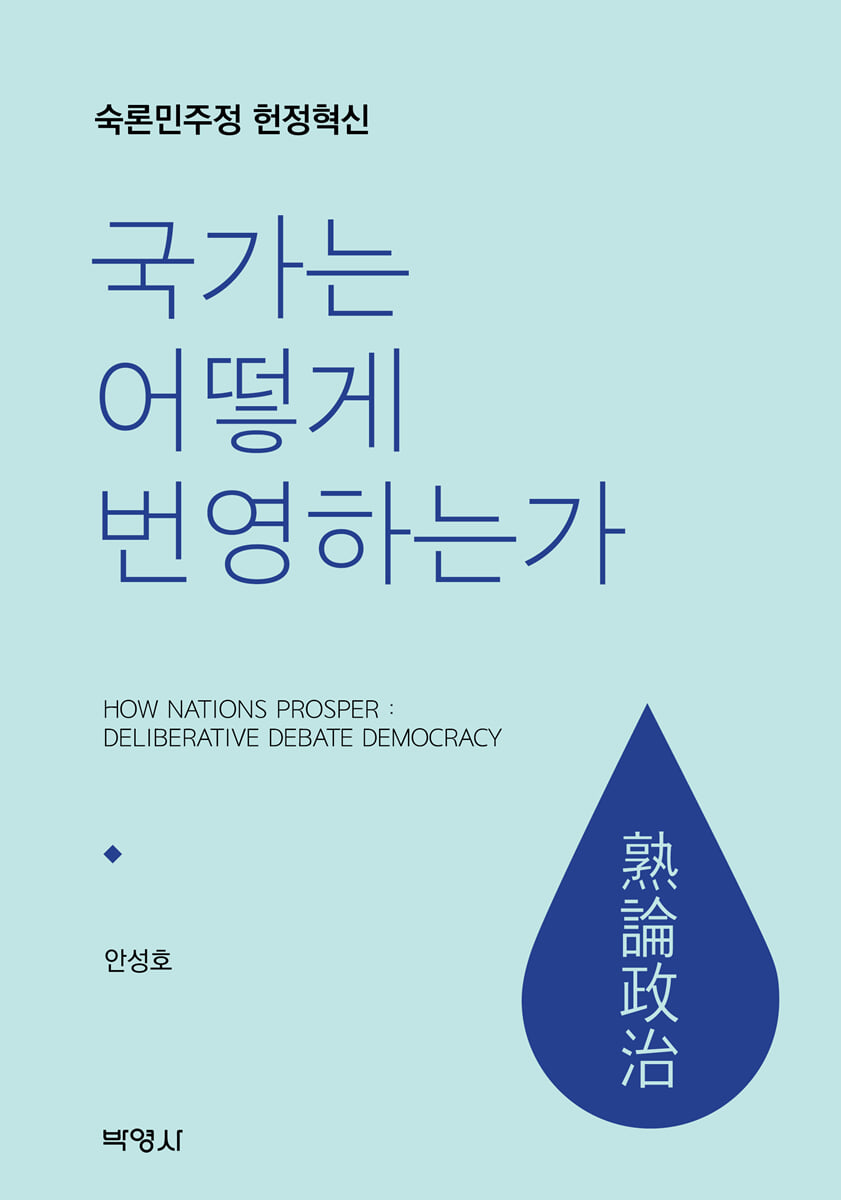
How does a nation prosper?
 |
Description
Book Introduction
Chapter 1 deals with the necessity and challenges of constitutional reform to create a prosperous nation with a democratic government from a general perspective.
Chapter 2 examines the current trends and aspects of the Third Wave of despotism, and examines the origins and significance of the concept of deliberative democracy, which will overcome the threat of despotism and lead to a narrow corridor of freedom and prosperity.
Chapters 3 to 5 address the issue of expanding direct participation to overcome oligarchic representative democracy that alienates citizens.
Chapters 6 and 7 address the issue of federal decentralization to overcome the excessive centralization that subordinates local governments.
Chapter 8 points out the dangers of the imperial presidency from the perspective of power sharing between the majority and minority, overcoming the flaws of the winner-take-all majority system that excludes minorities, and discusses alternative reform measures such as the semi-presidential system (bicameral system), the cabinet system, and even the semi-cabinet system utilizing a bicameral National Assembly.
Chapter 9 deals with people-led constitutional reform.
Chapter 2 examines the current trends and aspects of the Third Wave of despotism, and examines the origins and significance of the concept of deliberative democracy, which will overcome the threat of despotism and lead to a narrow corridor of freedom and prosperity.
Chapters 3 to 5 address the issue of expanding direct participation to overcome oligarchic representative democracy that alienates citizens.
Chapters 6 and 7 address the issue of federal decentralization to overcome the excessive centralization that subordinates local governments.
Chapter 8 points out the dangers of the imperial presidency from the perspective of power sharing between the majority and minority, overcoming the flaws of the winner-take-all majority system that excludes minorities, and discusses alternative reform measures such as the semi-presidential system (bicameral system), the cabinet system, and even the semi-cabinet system utilizing a bicameral National Assembly.
Chapter 9 deals with people-led constitutional reform.
index
[Prologue] Why Deliberative Democracy? · 1
Chapter 1
The Path to Constitutional Innovation through Deliberative Democracy · 23
Ⅰ.
The Era of Failure of National Governance · 24
Ⅱ.
Imperial Order vs.
Order of the Republic · 26
Ⅲ.
The Disease of Weak Democracy · 32
Ⅳ.
The Outstanding Achievements and Functions of Deliberative Democracy · 38
V.
The Flaws of the 1987 Constitutional System and the Constitutional Innovation of Deliberative Democracy · 44
Ⅵ.
Attempts and Frustration of Constitutional Innovation in the Democratic Government of Sukron · 50
Ⅶ.
The Narrow Gate of Constitutional Reform · 52
Chapter 2
Third Wave: Abolition and Deliberative Democracy · 57
Ⅰ.
How to Overcome the Crisis of the Democratic Republic? · 58
Ⅱ.
20th-Century Democracy and the Third Wave of Despotism · 59
Ⅲ.
Discontent with Democracy and the Temptation of Despotism · 65
IV. AJR's Political Economy · 69
V.
A Study on the Quality of Democratic Politics and the National Inclusiveness Index · 76
Ⅵ.
Inclusive Nation's Deliberative Democracy · 82
Chapter 3
The Elementary Republic of Freedom and Care · 87
Ⅰ.
Lost Treasure, Elementary Republic · 88
Ⅱ.
The Contrasting Faces of Koreans Observed by Bishop in the Late Joseon Dynasty · 89
Ⅲ.
Grassroots Autonomy Elementary Republic · 95
Ⅳ.
The Elementary Republic's Revealed Secret · 98
V.
The Form of Government of the Swiss Communes · 103
Ⅵ.
Design of a Town, Township, and Neighborhood Elementary School Republic of Freedom and Care · 109
Ⅶ.
For a New Beginning · 112
Chapter 4
The Secret of Democratic Republic and 1% Direct Participation · 115
Ⅰ.
The Democratic Republic of the Wind-Battered Lighthouse · 116
Ⅱ.
Dosan's Great Ideas, Life, and the Democratic Republic · 118
Ⅲ.
Brutus's Dedicated Leadership and the Virtue of the Romans · 121
Ⅳ.
The Popular Assembly and Prosperity of the Roman Republic · 123
V.
Misconceptions and Prejudices About Direct Participation · 126
Ⅵ.
The Power of 1% Direct Participation · 132
Ⅶ.
"Letting Go of Vested Interests": Constitutional Leadership and Civic Virtue · 140
Chapter 5
Direct Participation in the AI Era: Constitutional Innovation · 143
Ⅰ.
Fake News, Conspiracy Theories, and Digital Dictatorship · 144
II. Direct Speech as an Error Correction Device in the AI Era · 146
Ⅲ.
The Myth of Voter Ignorance · 150
Ⅳ.
Public Trust and Openness in Direct Participation Issues · 155
V.
Deepening Conflict and Majority Presumption: Concerns and Truth · 158
Ⅵ.
Design of a Direct Initiative for Deliberation · 161
Ⅶ.
Lessons from Taiwan's Direct Participation and Constitutional Innovation · 165
Chapter 6
Fiscal Federalism and Tax Autonomy · 169
Ⅰ.
Why Did Decentralization and Balanced Development Policies Fail? · 170
Ⅱ.
Misunderstandings and Mismanagement of Special Autonomy · 172
Ⅲ.
The Blessing of Tax Autonomy · 174
Ⅳ.
Deformed local taxes without taxing authority · 178
V.
Tax Autonomy and Outstanding Achievements of Cantons and Communes · 183
Ⅵ.
Good Governance in the Swiss Fiscal Federal System · 191
Ⅶ.
No Special Autonomy Without Tax Autonomy · 196
Chapter 7
Local Representative Senate to Counter Local Extinction · 203
Ⅰ.
To Be or Not to Be, That Is the Question · 204
Ⅱ.
Korea's Population Cliff vs. OECD Population Decline · 205
Ⅲ.
Causes of Local Destruction in Korea · 207
Ⅳ.
Defects in Existing Local Government Reduction Measures · 210
V.
Why a Regional Senate? · 213
Ⅵ.
Semi-cabinet system with regional representative upper house · 220
Chapter 8
Beyond the Presidential and Cabinet Systems · 229
Ⅰ.
Elected King of the Democratic Republic · 230
Ⅱ.
Presidential System: What's the Problem? · 232
Ⅲ.
Are Cabinet or Semi-Presidential Systems the Alternatives? · 238
Ⅳ.
New Classification of Government Forms · 244
V.
Beyond the Presidential and Cabinet Systems · 247
Ⅵ.
Constitutional reform plan: 'quasi-cabinet system + indirectly elected president' · 250
Ⅶ.
Obstacles to Imperial Presidency Reform · 252
Chapter 9
Citizen-led Constitutional Reform · 259
Ⅰ.
Let's Open the Seventh Republic with Citizen-Led Constitutional Innovation · 260
Ⅱ.
International Trends in Participatory Constitutionalism · 262
Ⅲ.
Iceland's Citizen-Led Constitutional Reform Attempt · 264
Ⅳ.
Chile's Citizen-Led Constitutional Reform Attempt · 267
V.
Swiss Citizen-Led Constitutional Reform and Direct Democracy · 272
Ⅵ.
Lessons from Iceland, Chile, and Switzerland · 278
Ⅶ.
Design of the Citizens' Initiative for Constitutional Amendment and the Constitutional Amendment Procedure Act · 281
[Epilogue] From Good to Great: The Secret of Deliberative Democracy · 284
References · 294
Index · 295
Chapter 1
The Path to Constitutional Innovation through Deliberative Democracy · 23
Ⅰ.
The Era of Failure of National Governance · 24
Ⅱ.
Imperial Order vs.
Order of the Republic · 26
Ⅲ.
The Disease of Weak Democracy · 32
Ⅳ.
The Outstanding Achievements and Functions of Deliberative Democracy · 38
V.
The Flaws of the 1987 Constitutional System and the Constitutional Innovation of Deliberative Democracy · 44
Ⅵ.
Attempts and Frustration of Constitutional Innovation in the Democratic Government of Sukron · 50
Ⅶ.
The Narrow Gate of Constitutional Reform · 52
Chapter 2
Third Wave: Abolition and Deliberative Democracy · 57
Ⅰ.
How to Overcome the Crisis of the Democratic Republic? · 58
Ⅱ.
20th-Century Democracy and the Third Wave of Despotism · 59
Ⅲ.
Discontent with Democracy and the Temptation of Despotism · 65
IV. AJR's Political Economy · 69
V.
A Study on the Quality of Democratic Politics and the National Inclusiveness Index · 76
Ⅵ.
Inclusive Nation's Deliberative Democracy · 82
Chapter 3
The Elementary Republic of Freedom and Care · 87
Ⅰ.
Lost Treasure, Elementary Republic · 88
Ⅱ.
The Contrasting Faces of Koreans Observed by Bishop in the Late Joseon Dynasty · 89
Ⅲ.
Grassroots Autonomy Elementary Republic · 95
Ⅳ.
The Elementary Republic's Revealed Secret · 98
V.
The Form of Government of the Swiss Communes · 103
Ⅵ.
Design of a Town, Township, and Neighborhood Elementary School Republic of Freedom and Care · 109
Ⅶ.
For a New Beginning · 112
Chapter 4
The Secret of Democratic Republic and 1% Direct Participation · 115
Ⅰ.
The Democratic Republic of the Wind-Battered Lighthouse · 116
Ⅱ.
Dosan's Great Ideas, Life, and the Democratic Republic · 118
Ⅲ.
Brutus's Dedicated Leadership and the Virtue of the Romans · 121
Ⅳ.
The Popular Assembly and Prosperity of the Roman Republic · 123
V.
Misconceptions and Prejudices About Direct Participation · 126
Ⅵ.
The Power of 1% Direct Participation · 132
Ⅶ.
"Letting Go of Vested Interests": Constitutional Leadership and Civic Virtue · 140
Chapter 5
Direct Participation in the AI Era: Constitutional Innovation · 143
Ⅰ.
Fake News, Conspiracy Theories, and Digital Dictatorship · 144
II. Direct Speech as an Error Correction Device in the AI Era · 146
Ⅲ.
The Myth of Voter Ignorance · 150
Ⅳ.
Public Trust and Openness in Direct Participation Issues · 155
V.
Deepening Conflict and Majority Presumption: Concerns and Truth · 158
Ⅵ.
Design of a Direct Initiative for Deliberation · 161
Ⅶ.
Lessons from Taiwan's Direct Participation and Constitutional Innovation · 165
Chapter 6
Fiscal Federalism and Tax Autonomy · 169
Ⅰ.
Why Did Decentralization and Balanced Development Policies Fail? · 170
Ⅱ.
Misunderstandings and Mismanagement of Special Autonomy · 172
Ⅲ.
The Blessing of Tax Autonomy · 174
Ⅳ.
Deformed local taxes without taxing authority · 178
V.
Tax Autonomy and Outstanding Achievements of Cantons and Communes · 183
Ⅵ.
Good Governance in the Swiss Fiscal Federal System · 191
Ⅶ.
No Special Autonomy Without Tax Autonomy · 196
Chapter 7
Local Representative Senate to Counter Local Extinction · 203
Ⅰ.
To Be or Not to Be, That Is the Question · 204
Ⅱ.
Korea's Population Cliff vs. OECD Population Decline · 205
Ⅲ.
Causes of Local Destruction in Korea · 207
Ⅳ.
Defects in Existing Local Government Reduction Measures · 210
V.
Why a Regional Senate? · 213
Ⅵ.
Semi-cabinet system with regional representative upper house · 220
Chapter 8
Beyond the Presidential and Cabinet Systems · 229
Ⅰ.
Elected King of the Democratic Republic · 230
Ⅱ.
Presidential System: What's the Problem? · 232
Ⅲ.
Are Cabinet or Semi-Presidential Systems the Alternatives? · 238
Ⅳ.
New Classification of Government Forms · 244
V.
Beyond the Presidential and Cabinet Systems · 247
Ⅵ.
Constitutional reform plan: 'quasi-cabinet system + indirectly elected president' · 250
Ⅶ.
Obstacles to Imperial Presidency Reform · 252
Chapter 9
Citizen-led Constitutional Reform · 259
Ⅰ.
Let's Open the Seventh Republic with Citizen-Led Constitutional Innovation · 260
Ⅱ.
International Trends in Participatory Constitutionalism · 262
Ⅲ.
Iceland's Citizen-Led Constitutional Reform Attempt · 264
Ⅳ.
Chile's Citizen-Led Constitutional Reform Attempt · 267
V.
Swiss Citizen-Led Constitutional Reform and Direct Democracy · 272
Ⅵ.
Lessons from Iceland, Chile, and Switzerland · 278
Ⅶ.
Design of the Citizens' Initiative for Constitutional Amendment and the Constitutional Amendment Procedure Act · 281
[Epilogue] From Good to Great: The Secret of Deliberative Democracy · 284
References · 294
Index · 295
Publisher's Review
Structure of this book
This book is a revised and supplemented version of nine papers presented at academic seminars and policy forums over the past seven years, reorganized to fit the book format.
As this article was published in different places over a long period of time, I have edited it to maintain logical consistency, update data, and avoid duplication of content as much as possible.
During this time, I have consulted domestic and international papers and books on the subject of this book, read classics from time to time, and discussed them with people close to me.
As the depth and breadth of thinking increased in this process, the choice of some terms also changed.
For example, the key term of this book, ‘deliberation democracy,’ was ultimately chosen after much deliberation.
Initially, the term 'inclusive democracy' was used, but since other researchers had already used this term with a different meaning, and because it was judged that the essence of a mature democratic republic promoted by inclusive constitutional innovation lies in 'deliberation,' it was decided to use 'deliberation democracy.'
Chapter 1 deals with the necessity and challenges of constitutional reform to create a prosperous nation with a democratic government from a general perspective.
After discussing the necessity of constitutional reform for a deliberative democracy from the perspective of the conflicting constitutional orders of the empire and the republic, the task of constitutional reform to transform the current weak democracy into a deliberative democracy is presented.
Chapter 2 examines the current trends and aspects of the Third Wave of despotism, and examines the origins and significance of the concept of deliberative democracy, which will overcome the threat of despotism and lead to a narrow corridor of freedom and prosperity.
Chapters 3 to 5 address the issue of expanding direct participation to overcome oligarchic representative democracy that alienates citizens.
Chapter 3 discusses the importance of grassroots democracy and practical measures from the perspective of an elementary republic of freedom and care.
Chapter 4 argues for 1% direct participation to overcome the crisis of the democratic republic.
Chapter 5 examines the significance of direct participation as an error-correcting mechanism to address the challenges of misinformation and conspiracy theories in the AI era, and the specific tasks of constitutional reform.
Chapters 6 and 7 address the issue of federal decentralization to overcome the excessive centralization that subordinates local governments.
Chapter 6 analyzes the reality of tax autonomy, which overcomes local dependence on the central government and instills self-reliance in local areas, and explores ways to secure it.
Chapter 7 presents the rationale for a regionally representative Senate and a plan for bicameral reform, which would revitalize local governments facing the crisis of local extinction and transform the National Assembly from a wasteful political strife into a hall of public opinion where policies are competed.
Chapter 8 points out the dangers of the imperial presidency from the perspective of power sharing between the majority and minority, overcoming the flaws of the winner-take-all majority system that excludes minorities, and discusses alternative reform measures such as the semi-presidential system (bicameral system), the cabinet system, and even the semi-cabinet system utilizing a bicameral National Assembly.
This book is a revised and supplemented version of nine papers presented at academic seminars and policy forums over the past seven years, reorganized to fit the book format.
As this article was published in different places over a long period of time, I have edited it to maintain logical consistency, update data, and avoid duplication of content as much as possible.
During this time, I have consulted domestic and international papers and books on the subject of this book, read classics from time to time, and discussed them with people close to me.
As the depth and breadth of thinking increased in this process, the choice of some terms also changed.
For example, the key term of this book, ‘deliberation democracy,’ was ultimately chosen after much deliberation.
Initially, the term 'inclusive democracy' was used, but since other researchers had already used this term with a different meaning, and because it was judged that the essence of a mature democratic republic promoted by inclusive constitutional innovation lies in 'deliberation,' it was decided to use 'deliberation democracy.'
Chapter 1 deals with the necessity and challenges of constitutional reform to create a prosperous nation with a democratic government from a general perspective.
After discussing the necessity of constitutional reform for a deliberative democracy from the perspective of the conflicting constitutional orders of the empire and the republic, the task of constitutional reform to transform the current weak democracy into a deliberative democracy is presented.
Chapter 2 examines the current trends and aspects of the Third Wave of despotism, and examines the origins and significance of the concept of deliberative democracy, which will overcome the threat of despotism and lead to a narrow corridor of freedom and prosperity.
Chapters 3 to 5 address the issue of expanding direct participation to overcome oligarchic representative democracy that alienates citizens.
Chapter 3 discusses the importance of grassroots democracy and practical measures from the perspective of an elementary republic of freedom and care.
Chapter 4 argues for 1% direct participation to overcome the crisis of the democratic republic.
Chapter 5 examines the significance of direct participation as an error-correcting mechanism to address the challenges of misinformation and conspiracy theories in the AI era, and the specific tasks of constitutional reform.
Chapters 6 and 7 address the issue of federal decentralization to overcome the excessive centralization that subordinates local governments.
Chapter 6 analyzes the reality of tax autonomy, which overcomes local dependence on the central government and instills self-reliance in local areas, and explores ways to secure it.
Chapter 7 presents the rationale for a regionally representative Senate and a plan for bicameral reform, which would revitalize local governments facing the crisis of local extinction and transform the National Assembly from a wasteful political strife into a hall of public opinion where policies are competed.
Chapter 8 points out the dangers of the imperial presidency from the perspective of power sharing between the majority and minority, overcoming the flaws of the winner-take-all majority system that excludes minorities, and discusses alternative reform measures such as the semi-presidential system (bicameral system), the cabinet system, and even the semi-cabinet system utilizing a bicameral National Assembly.
GOODS SPECIFICS
- Date of issue: July 15, 2025
- Page count, weight, size: 308 pages | 176*248*30mm
- ISBN13: 9791130323671
- ISBN10: 1130323676
You may also like
카테고리
korean


korean

![ELLE 엘르 스페셜 에디션 A형 : 12월 [2025]](http://librairie.coreenne.fr/cdn/shop/files/b8e27a3de6c9538896439686c6b0e8fb.jpg?v=1766436872&width=3840)


