

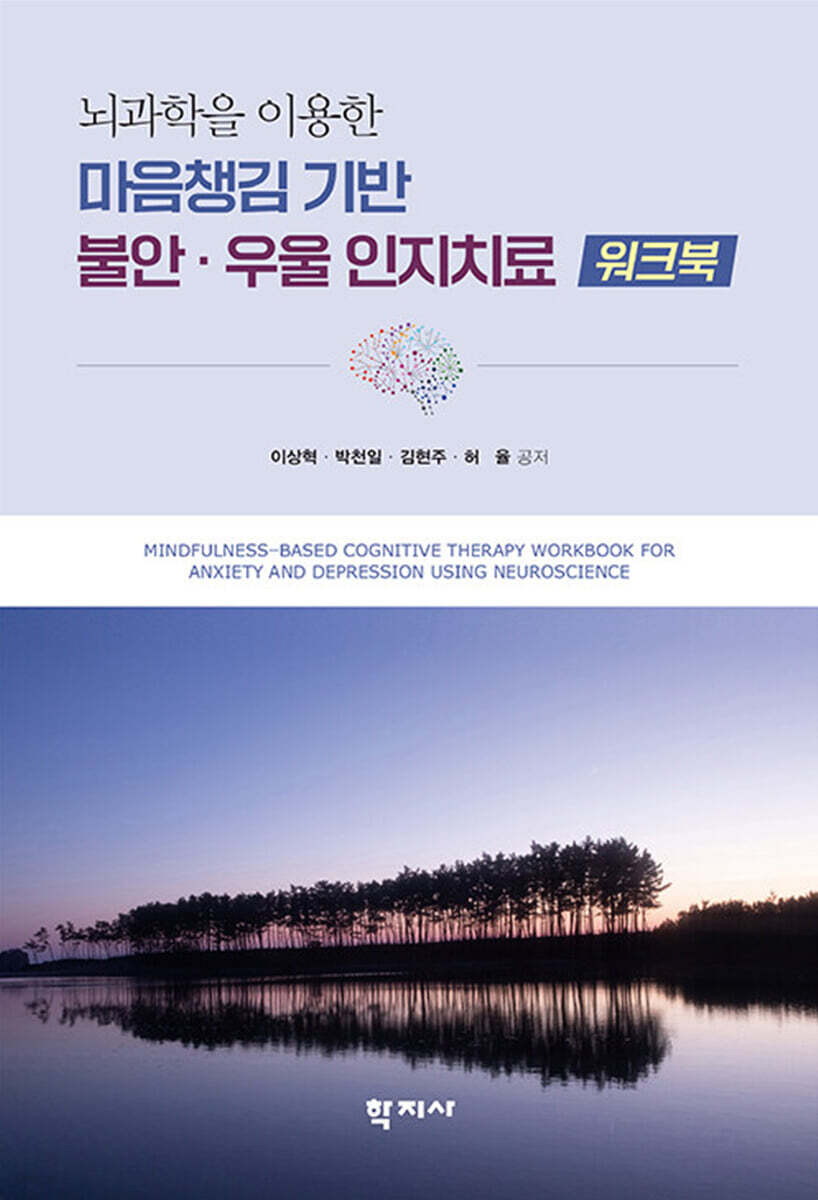
Mindfulness-Based Cognitive Therapy for Anxiety and Depression Using Brain Science: A Workbook
 |
Description
Book Introduction
In this book, the authors have combined mindfulness-based cognitive therapy with neuroscience based on their clinical experience and objective research results spanning approximately 17 years.
This book combines mindfulness-based cognitive therapy with evidence-based neuroscience explanations to help you understand and motivate how mindfulness-based cognitive therapy can change your brain to produce therapeutic effects when applied to anxiety and depression.
It will also serve to help you learn how to better cope with anxiety and depression by providing you with several ways to increase your awareness of your present-moment experiences.
Through this book, you will learn ways to overcome various difficulties in life over the course of about eight weeks.
This book combines mindfulness-based cognitive therapy with evidence-based neuroscience explanations to help you understand and motivate how mindfulness-based cognitive therapy can change your brain to produce therapeutic effects when applied to anxiety and depression.
It will also serve to help you learn how to better cope with anxiety and depression by providing you with several ways to increase your awareness of your present-moment experiences.
Through this book, you will learn ways to overcome various difficulties in life over the course of about eight weeks.
index
preface
Before entering
Understanding Mindfulness for Overcoming Anxiety and Depression in Session 1
1.
Starting the first session: Greetings and sharing past experiences
2.
Background: The relationship between stress, anxiety, and depression
3.
negativity bias
4.
Characteristics of Anxiety and Depression: Too Much of Something is Bad
5.
Diagnostic criteria for anxiety and depressive disorders
6.
Pharmacological treatment of anxiety and depressive disorders
7.
Natural course and sequelae of anxiety and depressive disorders
8.
Mindfulness-Based Cognitive Therapy for Anxiety and Depressive Disorders
9.
Mindfulness Neuroscience
10.
Changing Your Brain with Mindfulness Meditation 1
11.
Changing Your Brain with Mindfulness Meditation 2
Today's task
Characteristic thinking patterns of second-episode anxiety and depressive disorders
1.
What was mindfulness meditation like in everyday life?
2.
Neuroscience Today: The Somatosensory Center
3.
Mindfulness Meditation 1: Physical Sensations Meditation
4.
Cognitive-behavioral model of anxiety and depressive disorders
5.
Cognitive-Behavioral Model of Panic Attacks
6.
From rumination and worry to depression and anxiety
7.
The relapse prevention effect of MBCT in anxiety and depressive disorders
8.
Characteristic thinking patterns of anxiety and depressive disorders
9.
Accepting the characteristic thought patterns of anxiety and depression through mindfulness
10.
Mindfulness Meditation 2: Breathing Meditation
Today's task
3rd Session: Gathering Scattered Minds
1.
Mindfulness Meditation 1: Seeing Meditation, Listening Meditation, and Star Meditation
2.
What are 'anticipatory anxiety' and 'excessive worry'?
3.
Thoughts and Feelings Scenario
4.
Dealing with Intense Emotions
5.
Behavioral patterns and modes of existence
6.
The Fourth Step of Mindfulness: Gathering the Distracted Mind
7.
Mindfulness Meditation 2: 3-Minute Breathing Meditation
Today's task
Session 4: Recognizing and Accepting Uncomfortable Emotions
1.
agoraphobia
2.
Neuroscience Today: The Amygdala and Thought
3.
Mindfulness Meditation 1: 3-Minute Breathing Meditation
4.
Recognize 'uncomfortable feelings (discomfort or avoidance)'
5.
Accept uncomfortable feelings
6.
Mindfulness Meditation 2: Listening Meditation and Seeing Meditation
7.
Mindfulness Meditation 3: Sitting Meditation
8.
Using Mindfulness Meditation
Today's task
Allowing and leaving the 5th session
1.
Mindfulness Meditation 1: Sitting Meditation
2.
Exploring Unwanted Experiences: Avoidance (Worry)
3.
What does it mean to 'stay in the present'?
4.
The Effects of Intentional Acceptance and Allowing on Us
5.
Specific ways of intentional acceptance and allowing
6.
But it is difficult to accept and allow
7.
Body stimulation sensitivity training
8.
Mindfulness Meditation 2: 3-Minute Breathing Meditation
Today's task
Session 6: Taking Care of Yourself
1.
A Story of Self-Care in Everyday Life: Let's Love Ourselves
2.
Take care of yourself
3.
Mindfulness Meditation 1: Self-Compassion Meditation
4.
Why 3-Minute Breathing Meditation Is Important
5.
Neuroscience Today: The Neural Network of Mindfulness
6.
Using your breath as an anchor
7.
Recognizing, naming, and accepting emotions
8.
Mindfulness Meditation 2: Funeral Meditation
Today's task
The 7th episode is not true.
1.
Mindfulness Meditation 1: Sitting Meditation
2.
Neuroscience Today: Why We Shouldn't Judge
3.
How Emotions Affect Thoughts
4.
How to pay attention to your thoughts
5.
When you realize your negative thoughts
6.
Mindfulness Meditation 2: Breathing Meditation
Today's task
8th session relapse prevention
1.
Mindfulness Meditation: Meditation on Compassion and Kindness
2.
How are activity and mood related?
3.
negativity bias
4.
Mental Problem Solving Form: Nurse A's Case
5.
Neuroplasticity of the Brain and Mindfulness Meditation
6.
relapse
7.
Check for signs of relapse
8.
How to better manage low moods like depression or anxiety
9.
Coping with Relapse Signs
10.
Some tips for coping with signs of relapse
11.
To prevent recurrence
Future tasks
References
Before entering
Understanding Mindfulness for Overcoming Anxiety and Depression in Session 1
1.
Starting the first session: Greetings and sharing past experiences
2.
Background: The relationship between stress, anxiety, and depression
3.
negativity bias
4.
Characteristics of Anxiety and Depression: Too Much of Something is Bad
5.
Diagnostic criteria for anxiety and depressive disorders
6.
Pharmacological treatment of anxiety and depressive disorders
7.
Natural course and sequelae of anxiety and depressive disorders
8.
Mindfulness-Based Cognitive Therapy for Anxiety and Depressive Disorders
9.
Mindfulness Neuroscience
10.
Changing Your Brain with Mindfulness Meditation 1
11.
Changing Your Brain with Mindfulness Meditation 2
Today's task
Characteristic thinking patterns of second-episode anxiety and depressive disorders
1.
What was mindfulness meditation like in everyday life?
2.
Neuroscience Today: The Somatosensory Center
3.
Mindfulness Meditation 1: Physical Sensations Meditation
4.
Cognitive-behavioral model of anxiety and depressive disorders
5.
Cognitive-Behavioral Model of Panic Attacks
6.
From rumination and worry to depression and anxiety
7.
The relapse prevention effect of MBCT in anxiety and depressive disorders
8.
Characteristic thinking patterns of anxiety and depressive disorders
9.
Accepting the characteristic thought patterns of anxiety and depression through mindfulness
10.
Mindfulness Meditation 2: Breathing Meditation
Today's task
3rd Session: Gathering Scattered Minds
1.
Mindfulness Meditation 1: Seeing Meditation, Listening Meditation, and Star Meditation
2.
What are 'anticipatory anxiety' and 'excessive worry'?
3.
Thoughts and Feelings Scenario
4.
Dealing with Intense Emotions
5.
Behavioral patterns and modes of existence
6.
The Fourth Step of Mindfulness: Gathering the Distracted Mind
7.
Mindfulness Meditation 2: 3-Minute Breathing Meditation
Today's task
Session 4: Recognizing and Accepting Uncomfortable Emotions
1.
agoraphobia
2.
Neuroscience Today: The Amygdala and Thought
3.
Mindfulness Meditation 1: 3-Minute Breathing Meditation
4.
Recognize 'uncomfortable feelings (discomfort or avoidance)'
5.
Accept uncomfortable feelings
6.
Mindfulness Meditation 2: Listening Meditation and Seeing Meditation
7.
Mindfulness Meditation 3: Sitting Meditation
8.
Using Mindfulness Meditation
Today's task
Allowing and leaving the 5th session
1.
Mindfulness Meditation 1: Sitting Meditation
2.
Exploring Unwanted Experiences: Avoidance (Worry)
3.
What does it mean to 'stay in the present'?
4.
The Effects of Intentional Acceptance and Allowing on Us
5.
Specific ways of intentional acceptance and allowing
6.
But it is difficult to accept and allow
7.
Body stimulation sensitivity training
8.
Mindfulness Meditation 2: 3-Minute Breathing Meditation
Today's task
Session 6: Taking Care of Yourself
1.
A Story of Self-Care in Everyday Life: Let's Love Ourselves
2.
Take care of yourself
3.
Mindfulness Meditation 1: Self-Compassion Meditation
4.
Why 3-Minute Breathing Meditation Is Important
5.
Neuroscience Today: The Neural Network of Mindfulness
6.
Using your breath as an anchor
7.
Recognizing, naming, and accepting emotions
8.
Mindfulness Meditation 2: Funeral Meditation
Today's task
The 7th episode is not true.
1.
Mindfulness Meditation 1: Sitting Meditation
2.
Neuroscience Today: Why We Shouldn't Judge
3.
How Emotions Affect Thoughts
4.
How to pay attention to your thoughts
5.
When you realize your negative thoughts
6.
Mindfulness Meditation 2: Breathing Meditation
Today's task
8th session relapse prevention
1.
Mindfulness Meditation: Meditation on Compassion and Kindness
2.
How are activity and mood related?
3.
negativity bias
4.
Mental Problem Solving Form: Nurse A's Case
5.
Neuroplasticity of the Brain and Mindfulness Meditation
6.
relapse
7.
Check for signs of relapse
8.
How to better manage low moods like depression or anxiety
9.
Coping with Relapse Signs
10.
Some tips for coping with signs of relapse
11.
To prevent recurrence
Future tasks
References
GOODS SPECIFICS
- Date of issue: November 20, 2023
- Page count, weight, size: 208 pages | 153*225*10mm
- ISBN13: 9788999730092
You may also like
카테고리
korean


korean

![GQ KOREA Mark (Monthly): December [2025]](http://librairie.coreenne.fr/cdn/shop/files/8ef265dbbfbf186523ed75ba7319009d.jpg?v=1765340328&width=3840)


