

Modern Psychiatry
 |
Description
Book Introduction
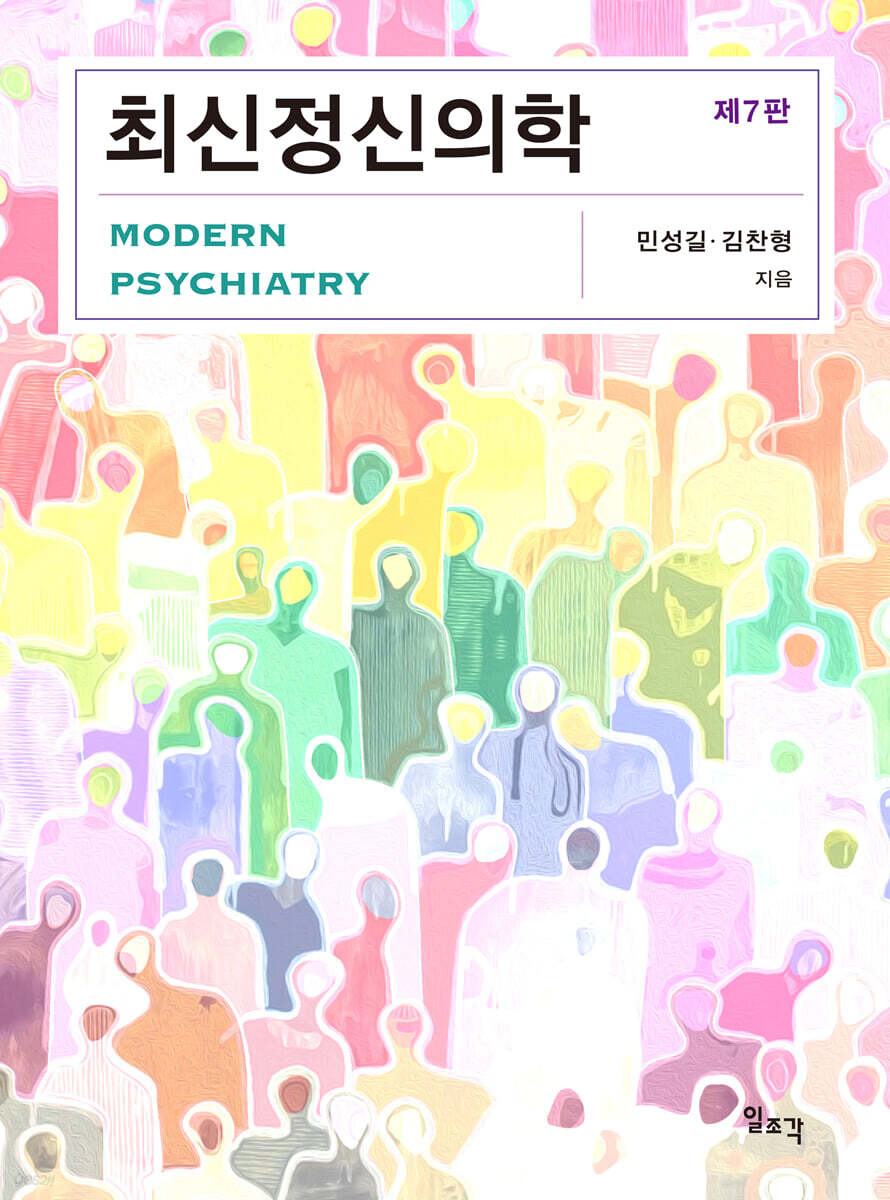
Since its publication in 1987, 『Modern Psychiatry』 has undergone numerous revisions and supplements as the field of psychiatry has developed, reaching its 7th edition.
Unlike previous editions, this book, co-authored by Professors Min Seong-gil and Kim Chan-hyung, compiles the latest research findings from all schools of thought related to mental health, rather than focusing on a specific school of thought, to provide a comprehensive and medically accurate guide to mental disorders and their treatments.
In particular, we sought to achieve a balance with biological psychiatry by focusing on psychosocial theory and treatment.
Additionally, considering the socio-cultural situation of our country, new diseases, fire diseases, and suicide were treated as independent chapters.
And, by writing professional information for mental health professionals in small print, we tried to provide richer information in a limited space.
Unlike previous editions, this book, co-authored by Professors Min Seong-gil and Kim Chan-hyung, compiles the latest research findings from all schools of thought related to mental health, rather than focusing on a specific school of thought, to provide a comprehensive and medically accurate guide to mental disorders and their treatments.
In particular, we sought to achieve a balance with biological psychiatry by focusing on psychosocial theory and treatment.
Additionally, considering the socio-cultural situation of our country, new diseases, fire diseases, and suicide were treated as independent chapters.
And, by writing professional information for mental health professionals in small print, we tried to provide richer information in a limited space.
index
Preface to the 7th Edition
Preface to the First Edition
Chapter 1: The Concept and History of Psychiatry
Ⅰ.
Concept of Psychiatry / II.
History of Psychiatry / III.
Psychiatry in Korea / Ⅳ.
The Future of Psychiatry / References
Chapter 2 Biological Theories of Human Behavior
Ⅰ.
Human Behavior and the Brain / II.
Brain development and development / III.
Structure and Function of the Brain / Ⅳ.
Structure according to brain function / V.
Neurochemistry / Ⅵ.
Neurotransmission / VII.
Psychoneuroendocrinology / Ⅷ.
Psychoneuroimmunology / Ⅸ.
Chronobiology / X.
Animal models of mental illness / ?.
Neurogenetics / References
Chapter 3 Psychosocial Theories of Human Behavior
Ⅰ.
Freudian Psychoanalysis / II.
Differentiation of Psychoanalysis / III.
Learning Theory / Ⅳ.
Other psychosocial theories /
V.
Psychology / Ⅵ.
Animal Behavior and Sociobiology / VII.
Cognitive Science / References
Chapter 4 Society and Psychiatry
Ⅰ.
Social Psychiatry / II.
Psychiatric Epidemiology / III.
Mental Disorder and the Economy / IV.
Culture and Psychiatry / V.
Transcultural Psychiatry / Ⅵ.
Korean Culture and Psychiatry / References
Chapter 5 Life Cycle and Mental Health
Ⅰ.
Personality Development / II.
Fetal period / III.
Infancy / Ⅳ.
Infancy / V.
Early School Age / Ⅵ.
School age / Ⅶ.
Adolescence / Ⅷ.
Youth / Ⅸ.
Middle Age / X.
Old Age / References
Chapter 6 Psychopathology
Ⅰ.
Psychopathology / II.
Causes of mental disorders / III.
The occurrence and recovery of mental disorders / Ⅳ.
Symptomatology / V.
Classification and Diagnosis of Mental Disorders / References
Chapter 7 Psychiatric Interview and Assessment
Ⅰ.
Psychiatric Interview / II.
Psychiatric examination / III.
Physical Evaluation / Ⅳ.
Psychological Evaluation / V.
Culture and Diagnosis / References
Chapter 8 Patient-Doctor Relationship
Ⅰ.
Patient / II.
Doctor / III.
Patient-Doctor Relationship / References
Chapter 9 Neurodevelopmental Disorders and Childhood Mental Disorders
Ⅰ.
Concept / II.
Intellectual Development Disorder / III.
Communication Disorder / Ⅳ.
Autism Spectrum Disorder / V.
Attention Deficit Hyperactivity Disorder / Ⅵ.
Specific Learning Disabilities / VII.
Movement disorders / Ⅷ.
Other Neurodevelopmental Disorders / Ⅸ.
Other Childhood and Adolescent Mental Disorders / References
Chapter 10 Schizophrenia
Ⅰ.
Concept / II.
Schizophrenia / References
Chapter 11 Schizophrenia Spectrum and Other Psychotic Disorders
Ⅰ.
Schizotypal personality disorder / II.
Delusional disorder / III.
Brief psychotic disorder / IV.
Schizophrenic Disorder / V.
Schizoaffective Disorder / Ⅵ.
Substance/Drug-Induced Psychotic Disorders / VII.
Psychotic disorders due to other medical conditions / Ⅷ.
Nervousness / Ⅸ.
Other Specific and Non-Specific Psychotic Disorders / References
Chapter 12 Bipolar and Related Disorders
Ⅰ.
Concept / II.
Bipolar disorder type Ⅰ / Ⅲ.
Type II Bipolar Disorder / IV.
Circulatory Disorders / V.
Substance/Drug-Induced Bipolar and Related Disorders / Ⅵ.
Bipolar and related disorders due to other medical conditions / Ⅶ.
Other / References
Chapter 13 Depressive Disorders
Ⅰ.
Concept / II.
Disruptive mood dysregulation disorder / III.
Major depressive disorder / Ⅳ.
Persistent depressive disorder / V.
Premenstrual dysphoric disorder / Ⅵ.
Substance/Drug-Induced Depressive Disorder / VII.
Depression due to other medical conditions / Ⅷ.
Other / References
Chapter 14 Anxiety Disorders
Ⅰ.
Concept / II.
Separation anxiety disorder / III.
Selective mutism / IV.
Specific phobia / V.
Social Anxiety Disorder / Ⅵ.
Panic Disorder / VII.
Agoraphobia / Ⅷ.
Generalized Anxiety Disorder / Ⅸ.
Substance/Drug Induced Anxiety Disorder / X.
Anxiety disorder due to another medical condition / ?.
Other / References
Chapter 15 Obsessive-Compulsive and Related Disorders
Ⅰ.
Concept / II.
Obsessive-compulsive disorder / III.
Body Dysmorphic Disorder / Ⅳ.
Storage Disorder / V.
Trichotillomania / Ⅵ.
Skin Breaking Disorder / Ⅶ.
Substance/Drug-Induced Obsessive-Compulsive and Related Disorders / Ⅷ.
Obsessive-compulsive and related disorders due to other medical conditions / Ⅸ.
Other / References
Chapter 16 Trauma and Stress-Related Disorders
Ⅰ.
Concept / II.
Reactive Attachment Disorder / III.
Disinhibited Social Engagement Disorder / IV.
Post-traumatic stress disorder / V.
Acute Stress Disorder / Ⅵ.
Adjustment Disorder / VII.
Persistent Bereavement Disorder / Ⅷ.
Other / References
Chapter 17 Dissociative Disorders
Ⅰ.
Concept / II.
Dissociative Identity Disorder / III.
Dissociative Amnesia / IV.
Depersonalization/Derealization Disorder / V.
Other / References
Chapter 18 Physical Symptoms and Related Disorders
Ⅰ.
Concept / II.
Somatic Symptom Disorder / III.
Illness Anxiety Disorder / Ⅳ.
Functional Neurotic Disorder (Conversion Disorder) / V.
Mental factors affecting other medical conditions / Ⅵ.
Artificial Disorder / VII.
Other / References
Chapter 19 Feeding and Eating Disorders
Ⅰ.
Concept / II.
Transplant / III.
Rumination Disorder / Ⅳ.
Avoidant/Restrictive Food Intake Disorder / V.
Anorexia nervosa / Ⅵ.
Bulimia Nervosa / VII.
Binge Eating Disorder / Ⅷ.
Other / Ⅸ.
Obesity / References
Chapter 20: Excretory Disorders
Ⅰ.
Concept / II.
Enuresis / III.
Seborrheic dermatitis / Ⅳ.
Other / References
Chapter 21 Sleep-Wake Disorders
Ⅰ.
Concept / II.
Sleep-wake disorders / III.
Breathing-related sleep disorders / Ⅳ.
Circadian sleep-wake disorder / V.
Incident Sleep / Ⅵ.
Substance/Drug-Induced Sleep Disorders / VII.
Other / References
Chapter 22: Sexual and Sexual Disorders
Ⅰ.
Humans and Sex / II.
Sexual dysfunction / III.
Treatment of sexual dysfunction / Ⅳ.
Gender Dysphoria / V.
Sexual perversion disorder / Ⅵ.
Sexual Development and Sexual Orientation Disorders / Ⅶ.
Other / References
Chapter 23: Destructive, Impulse-Control, and Conduct Disorders
Ⅰ.
Concept / II.
Oppositional Defiant Disorder / III.
Intermittent explosive disorder / Ⅳ.
Conduct Disorder / V.
Antisocial personality disorder / Ⅵ.
Firebug / VII.
Theft Mania / Ⅷ.
Other / References
Chapter 24 Substance-Related and Addictive Disorders
Ⅰ.
Concept / II.
Alcohol-related disorders / III.
Caffeine-related disorders / Ⅳ.
Cannabis-Related Disorders / V.
Hallucinogen-related disorders / Ⅵ.
Inhalant-related disorders / Ⅶ.
Opioid-Related Disorders / Ⅷ.
Disorders Associated with Sedatives, Hypnotics, or Anxiolytics / Ⅸ.
Stimulant-Related Disorders / X.
Tobacco-related disorders / ?.
Other (or unknown) substance-related disorders / ?.
Non-material related disorders / References
Chapter 25 Personality Disorders
Ⅰ.
Concept / II.
Clinical features / III.
DSM-5 Alternative Model for Personality Disorders / References
Chapter 26 Neurocognitive Disorders
Ⅰ.
Concept / II.
Delirium / III.
Dementia / IV.
Neurocognitive impairment due to Alzheimer's disease / V.
Other Dementia / References
Chapter 27 Other Mental Disorders
Ⅰ.
Concept / II.
Other mental disorders due to other medical conditions / Ⅲ.
Other mental disorders / Ⅳ.
Drug-induced movement disorders and other drug side effects / V.
Other conditions requiring clinical attention / Ⅵ.
Conditions Requiring Further Research / References
Chapter 28: Suicide and Suicidal Behavior Disorders
Ⅰ.
Suicide / II.
Suicidal Behavior Disorder and Non-Suicidal Self-Injury / III.
Treatment for Suicidal Behavior / References
Chapter 29: New Soldiers and Soldiers
Ⅰ.
Korean Culture-Related Syndromes / II.
New recruits / III.
Vase / References
Chapter 30 Child and Adolescent Psychiatry
Ⅰ.
Child Psychiatry / II.
Adolescent Psychiatry / III.
Treatment / References
Chapter 31 Geriatric Psychiatry
Ⅰ.
Concept / II.
Aging / III.
Mental Disorders in the Elderly / Ⅳ.
Treatment of Geriatric Mental Disorders / V.
Special Issues / References Related to the Elderly
Chapter 32 Psychosomatic Medicine and Coordination Psychiatry
Ⅰ.
The relationship between mind and body / II.
Mental and physical disabilities / III.
Special Situations in Psychosomatic Medicine / Ⅳ.
Terminally Ill Patients and the Problem of Death / V.
Consultative Coordination Psychiatry / References
Chapter 33: Emergency and Disaster Psychiatry
Ⅰ.
Emergency Psychiatry / II.
Violence / III.
Other emergencies / Ⅳ.
Disaster Psychiatry / References
Chapter 34 Psychosocial Treatment
Ⅰ.
Concept / II.
Psychodynamic Psychotherapy / III.
Behavioral Therapy / IV.
Cognitive Behavioral Therapy / V.
Humanistic and Existential Psychotherapy / Ⅵ.
Other psychotherapy / VII.
Group psychotherapy / Ⅷ.
Family Therapy / Ⅸ.
Psychiatric Rehabilitation / X.
Other / References
Chapter 35 Drug Therapy and Other Biological Treatments
Ⅰ.
Psychopharmacology / II.
Antipsychotic drugs / III.
Mood stabilizer / Ⅳ.
Antidepressants / V.
Anti-anxiety drugs / Ⅵ.
Sleeping pills / Ⅶ.
Psychostimulants and hallucinogens / Ⅷ.
Cognitive function enhancement agent / Ⅸ.
Other drug treatments / Ⅹ.
Stimulation therapy / ?.
Psychosurgery / ?.
Other / References
Chapter 36 Psychiatric Services and Community Psychiatry
Ⅰ.
Psychiatric Services / II.
Types of mental health services / Ⅲ.
Community Psychiatry / IV.
Public Psychiatry / References
Chapter 37: Law, Psychiatry, and Ethics
Ⅰ.
Law and Psychiatry / II.
Mental Health and Welfare Act / III.
Psychiatry and Ethics / References
Search for Korean
Search English
Preface to the First Edition
Chapter 1: The Concept and History of Psychiatry
Ⅰ.
Concept of Psychiatry / II.
History of Psychiatry / III.
Psychiatry in Korea / Ⅳ.
The Future of Psychiatry / References
Chapter 2 Biological Theories of Human Behavior
Ⅰ.
Human Behavior and the Brain / II.
Brain development and development / III.
Structure and Function of the Brain / Ⅳ.
Structure according to brain function / V.
Neurochemistry / Ⅵ.
Neurotransmission / VII.
Psychoneuroendocrinology / Ⅷ.
Psychoneuroimmunology / Ⅸ.
Chronobiology / X.
Animal models of mental illness / ?.
Neurogenetics / References
Chapter 3 Psychosocial Theories of Human Behavior
Ⅰ.
Freudian Psychoanalysis / II.
Differentiation of Psychoanalysis / III.
Learning Theory / Ⅳ.
Other psychosocial theories /
V.
Psychology / Ⅵ.
Animal Behavior and Sociobiology / VII.
Cognitive Science / References
Chapter 4 Society and Psychiatry
Ⅰ.
Social Psychiatry / II.
Psychiatric Epidemiology / III.
Mental Disorder and the Economy / IV.
Culture and Psychiatry / V.
Transcultural Psychiatry / Ⅵ.
Korean Culture and Psychiatry / References
Chapter 5 Life Cycle and Mental Health
Ⅰ.
Personality Development / II.
Fetal period / III.
Infancy / Ⅳ.
Infancy / V.
Early School Age / Ⅵ.
School age / Ⅶ.
Adolescence / Ⅷ.
Youth / Ⅸ.
Middle Age / X.
Old Age / References
Chapter 6 Psychopathology
Ⅰ.
Psychopathology / II.
Causes of mental disorders / III.
The occurrence and recovery of mental disorders / Ⅳ.
Symptomatology / V.
Classification and Diagnosis of Mental Disorders / References
Chapter 7 Psychiatric Interview and Assessment
Ⅰ.
Psychiatric Interview / II.
Psychiatric examination / III.
Physical Evaluation / Ⅳ.
Psychological Evaluation / V.
Culture and Diagnosis / References
Chapter 8 Patient-Doctor Relationship
Ⅰ.
Patient / II.
Doctor / III.
Patient-Doctor Relationship / References
Chapter 9 Neurodevelopmental Disorders and Childhood Mental Disorders
Ⅰ.
Concept / II.
Intellectual Development Disorder / III.
Communication Disorder / Ⅳ.
Autism Spectrum Disorder / V.
Attention Deficit Hyperactivity Disorder / Ⅵ.
Specific Learning Disabilities / VII.
Movement disorders / Ⅷ.
Other Neurodevelopmental Disorders / Ⅸ.
Other Childhood and Adolescent Mental Disorders / References
Chapter 10 Schizophrenia
Ⅰ.
Concept / II.
Schizophrenia / References
Chapter 11 Schizophrenia Spectrum and Other Psychotic Disorders
Ⅰ.
Schizotypal personality disorder / II.
Delusional disorder / III.
Brief psychotic disorder / IV.
Schizophrenic Disorder / V.
Schizoaffective Disorder / Ⅵ.
Substance/Drug-Induced Psychotic Disorders / VII.
Psychotic disorders due to other medical conditions / Ⅷ.
Nervousness / Ⅸ.
Other Specific and Non-Specific Psychotic Disorders / References
Chapter 12 Bipolar and Related Disorders
Ⅰ.
Concept / II.
Bipolar disorder type Ⅰ / Ⅲ.
Type II Bipolar Disorder / IV.
Circulatory Disorders / V.
Substance/Drug-Induced Bipolar and Related Disorders / Ⅵ.
Bipolar and related disorders due to other medical conditions / Ⅶ.
Other / References
Chapter 13 Depressive Disorders
Ⅰ.
Concept / II.
Disruptive mood dysregulation disorder / III.
Major depressive disorder / Ⅳ.
Persistent depressive disorder / V.
Premenstrual dysphoric disorder / Ⅵ.
Substance/Drug-Induced Depressive Disorder / VII.
Depression due to other medical conditions / Ⅷ.
Other / References
Chapter 14 Anxiety Disorders
Ⅰ.
Concept / II.
Separation anxiety disorder / III.
Selective mutism / IV.
Specific phobia / V.
Social Anxiety Disorder / Ⅵ.
Panic Disorder / VII.
Agoraphobia / Ⅷ.
Generalized Anxiety Disorder / Ⅸ.
Substance/Drug Induced Anxiety Disorder / X.
Anxiety disorder due to another medical condition / ?.
Other / References
Chapter 15 Obsessive-Compulsive and Related Disorders
Ⅰ.
Concept / II.
Obsessive-compulsive disorder / III.
Body Dysmorphic Disorder / Ⅳ.
Storage Disorder / V.
Trichotillomania / Ⅵ.
Skin Breaking Disorder / Ⅶ.
Substance/Drug-Induced Obsessive-Compulsive and Related Disorders / Ⅷ.
Obsessive-compulsive and related disorders due to other medical conditions / Ⅸ.
Other / References
Chapter 16 Trauma and Stress-Related Disorders
Ⅰ.
Concept / II.
Reactive Attachment Disorder / III.
Disinhibited Social Engagement Disorder / IV.
Post-traumatic stress disorder / V.
Acute Stress Disorder / Ⅵ.
Adjustment Disorder / VII.
Persistent Bereavement Disorder / Ⅷ.
Other / References
Chapter 17 Dissociative Disorders
Ⅰ.
Concept / II.
Dissociative Identity Disorder / III.
Dissociative Amnesia / IV.
Depersonalization/Derealization Disorder / V.
Other / References
Chapter 18 Physical Symptoms and Related Disorders
Ⅰ.
Concept / II.
Somatic Symptom Disorder / III.
Illness Anxiety Disorder / Ⅳ.
Functional Neurotic Disorder (Conversion Disorder) / V.
Mental factors affecting other medical conditions / Ⅵ.
Artificial Disorder / VII.
Other / References
Chapter 19 Feeding and Eating Disorders
Ⅰ.
Concept / II.
Transplant / III.
Rumination Disorder / Ⅳ.
Avoidant/Restrictive Food Intake Disorder / V.
Anorexia nervosa / Ⅵ.
Bulimia Nervosa / VII.
Binge Eating Disorder / Ⅷ.
Other / Ⅸ.
Obesity / References
Chapter 20: Excretory Disorders
Ⅰ.
Concept / II.
Enuresis / III.
Seborrheic dermatitis / Ⅳ.
Other / References
Chapter 21 Sleep-Wake Disorders
Ⅰ.
Concept / II.
Sleep-wake disorders / III.
Breathing-related sleep disorders / Ⅳ.
Circadian sleep-wake disorder / V.
Incident Sleep / Ⅵ.
Substance/Drug-Induced Sleep Disorders / VII.
Other / References
Chapter 22: Sexual and Sexual Disorders
Ⅰ.
Humans and Sex / II.
Sexual dysfunction / III.
Treatment of sexual dysfunction / Ⅳ.
Gender Dysphoria / V.
Sexual perversion disorder / Ⅵ.
Sexual Development and Sexual Orientation Disorders / Ⅶ.
Other / References
Chapter 23: Destructive, Impulse-Control, and Conduct Disorders
Ⅰ.
Concept / II.
Oppositional Defiant Disorder / III.
Intermittent explosive disorder / Ⅳ.
Conduct Disorder / V.
Antisocial personality disorder / Ⅵ.
Firebug / VII.
Theft Mania / Ⅷ.
Other / References
Chapter 24 Substance-Related and Addictive Disorders
Ⅰ.
Concept / II.
Alcohol-related disorders / III.
Caffeine-related disorders / Ⅳ.
Cannabis-Related Disorders / V.
Hallucinogen-related disorders / Ⅵ.
Inhalant-related disorders / Ⅶ.
Opioid-Related Disorders / Ⅷ.
Disorders Associated with Sedatives, Hypnotics, or Anxiolytics / Ⅸ.
Stimulant-Related Disorders / X.
Tobacco-related disorders / ?.
Other (or unknown) substance-related disorders / ?.
Non-material related disorders / References
Chapter 25 Personality Disorders
Ⅰ.
Concept / II.
Clinical features / III.
DSM-5 Alternative Model for Personality Disorders / References
Chapter 26 Neurocognitive Disorders
Ⅰ.
Concept / II.
Delirium / III.
Dementia / IV.
Neurocognitive impairment due to Alzheimer's disease / V.
Other Dementia / References
Chapter 27 Other Mental Disorders
Ⅰ.
Concept / II.
Other mental disorders due to other medical conditions / Ⅲ.
Other mental disorders / Ⅳ.
Drug-induced movement disorders and other drug side effects / V.
Other conditions requiring clinical attention / Ⅵ.
Conditions Requiring Further Research / References
Chapter 28: Suicide and Suicidal Behavior Disorders
Ⅰ.
Suicide / II.
Suicidal Behavior Disorder and Non-Suicidal Self-Injury / III.
Treatment for Suicidal Behavior / References
Chapter 29: New Soldiers and Soldiers
Ⅰ.
Korean Culture-Related Syndromes / II.
New recruits / III.
Vase / References
Chapter 30 Child and Adolescent Psychiatry
Ⅰ.
Child Psychiatry / II.
Adolescent Psychiatry / III.
Treatment / References
Chapter 31 Geriatric Psychiatry
Ⅰ.
Concept / II.
Aging / III.
Mental Disorders in the Elderly / Ⅳ.
Treatment of Geriatric Mental Disorders / V.
Special Issues / References Related to the Elderly
Chapter 32 Psychosomatic Medicine and Coordination Psychiatry
Ⅰ.
The relationship between mind and body / II.
Mental and physical disabilities / III.
Special Situations in Psychosomatic Medicine / Ⅳ.
Terminally Ill Patients and the Problem of Death / V.
Consultative Coordination Psychiatry / References
Chapter 33: Emergency and Disaster Psychiatry
Ⅰ.
Emergency Psychiatry / II.
Violence / III.
Other emergencies / Ⅳ.
Disaster Psychiatry / References
Chapter 34 Psychosocial Treatment
Ⅰ.
Concept / II.
Psychodynamic Psychotherapy / III.
Behavioral Therapy / IV.
Cognitive Behavioral Therapy / V.
Humanistic and Existential Psychotherapy / Ⅵ.
Other psychotherapy / VII.
Group psychotherapy / Ⅷ.
Family Therapy / Ⅸ.
Psychiatric Rehabilitation / X.
Other / References
Chapter 35 Drug Therapy and Other Biological Treatments
Ⅰ.
Psychopharmacology / II.
Antipsychotic drugs / III.
Mood stabilizer / Ⅳ.
Antidepressants / V.
Anti-anxiety drugs / Ⅵ.
Sleeping pills / Ⅶ.
Psychostimulants and hallucinogens / Ⅷ.
Cognitive function enhancement agent / Ⅸ.
Other drug treatments / Ⅹ.
Stimulation therapy / ?.
Psychosurgery / ?.
Other / References
Chapter 36 Psychiatric Services and Community Psychiatry
Ⅰ.
Psychiatric Services / II.
Types of mental health services / Ⅲ.
Community Psychiatry / IV.
Public Psychiatry / References
Chapter 37: Law, Psychiatry, and Ethics
Ⅰ.
Law and Psychiatry / II.
Mental Health and Welfare Act / III.
Psychiatry and Ethics / References
Search for Korean
Search English
Publisher's Review
Since its publication in 1987, “Modern Psychiatry” has been revised and supplemented several times as the field of psychiatry has developed, reaching its 7th edition.
Unlike previous editions, this book, co-authored by Professors Min Seong-gil and Kim Chan-hyung, compiles the latest research findings from all schools of thought related to mental health, rather than focusing on a specific school of thought, to provide a comprehensive and medically accurate guide to mental disorders and their treatments.
In particular, we sought to achieve a balance with biological psychiatry by focusing on psychosocial theory and treatment.
Additionally, considering the socio-cultural situation of our country, new diseases, fire diseases, and suicide were treated as independent chapters.
And, by writing professional information for mental health professionals in small print, we tried to provide richer information in a limited space.
This book covers not only individual mental disorders such as schizophrenia and depression, but also the overall content of psychiatry, including the concept and history of psychiatry, biological and psychosocial theories of human behavior, the social significance of psychiatry, psychopathology, the life cycle and psychiatry, psychiatry and law, ethics, psychiatry related to children, adolescents, and the elderly, emergency and disaster psychiatry, psychosomatic medicine, and consultation-coordination psychiatry.
The 7th edition maintains the traditional structure of general theory-specific theory-treatment, but in terms of classification of mental disorders, diagnosis names, and symptom descriptions, it follows the American DSM-5-TR published in 2022.
However, the US DSM-5-TR is also currently using the ICD-10-CM codes to match the disease names of ICD-10, and in Korea, the 'Korean Standard Classification of Diseases and Causes of Death, 8th Edition' (KCD-8), which is a standardized version of ICD-10, is also being used, and it will take time for the ICD-11, which was released in 2019, to be confirmed as the Korean standard classification of diseases and causes of death.
Therefore, this book includes the disease names and codes of DSM-5-TR and KCD-8, and diagnostic criteria when necessary.
Unlike previous editions, this book, co-authored by Professors Min Seong-gil and Kim Chan-hyung, compiles the latest research findings from all schools of thought related to mental health, rather than focusing on a specific school of thought, to provide a comprehensive and medically accurate guide to mental disorders and their treatments.
In particular, we sought to achieve a balance with biological psychiatry by focusing on psychosocial theory and treatment.
Additionally, considering the socio-cultural situation of our country, new diseases, fire diseases, and suicide were treated as independent chapters.
And, by writing professional information for mental health professionals in small print, we tried to provide richer information in a limited space.
This book covers not only individual mental disorders such as schizophrenia and depression, but also the overall content of psychiatry, including the concept and history of psychiatry, biological and psychosocial theories of human behavior, the social significance of psychiatry, psychopathology, the life cycle and psychiatry, psychiatry and law, ethics, psychiatry related to children, adolescents, and the elderly, emergency and disaster psychiatry, psychosomatic medicine, and consultation-coordination psychiatry.
The 7th edition maintains the traditional structure of general theory-specific theory-treatment, but in terms of classification of mental disorders, diagnosis names, and symptom descriptions, it follows the American DSM-5-TR published in 2022.
However, the US DSM-5-TR is also currently using the ICD-10-CM codes to match the disease names of ICD-10, and in Korea, the 'Korean Standard Classification of Diseases and Causes of Death, 8th Edition' (KCD-8), which is a standardized version of ICD-10, is also being used, and it will take time for the ICD-11, which was released in 2019, to be confirmed as the Korean standard classification of diseases and causes of death.
Therefore, this book includes the disease names and codes of DSM-5-TR and KCD-8, and diagnostic criteria when necessary.
GOODS SPECIFICS
- Date of issue: February 25, 2023
- Page count, weight, size: 822 pages | 195*263*40mm
- ISBN13: 9788933708163
- ISBN10: 8933708162
You may also like
카테고리
korean


korean

![ELLE 엘르 스페셜 에디션 A형 : 12월 [2025]](http://librairie.coreenne.fr/cdn/shop/files/b8e27a3de6c9538896439686c6b0e8fb.jpg?v=1766436872&width=3840)


