

Family counseling centered on school settings
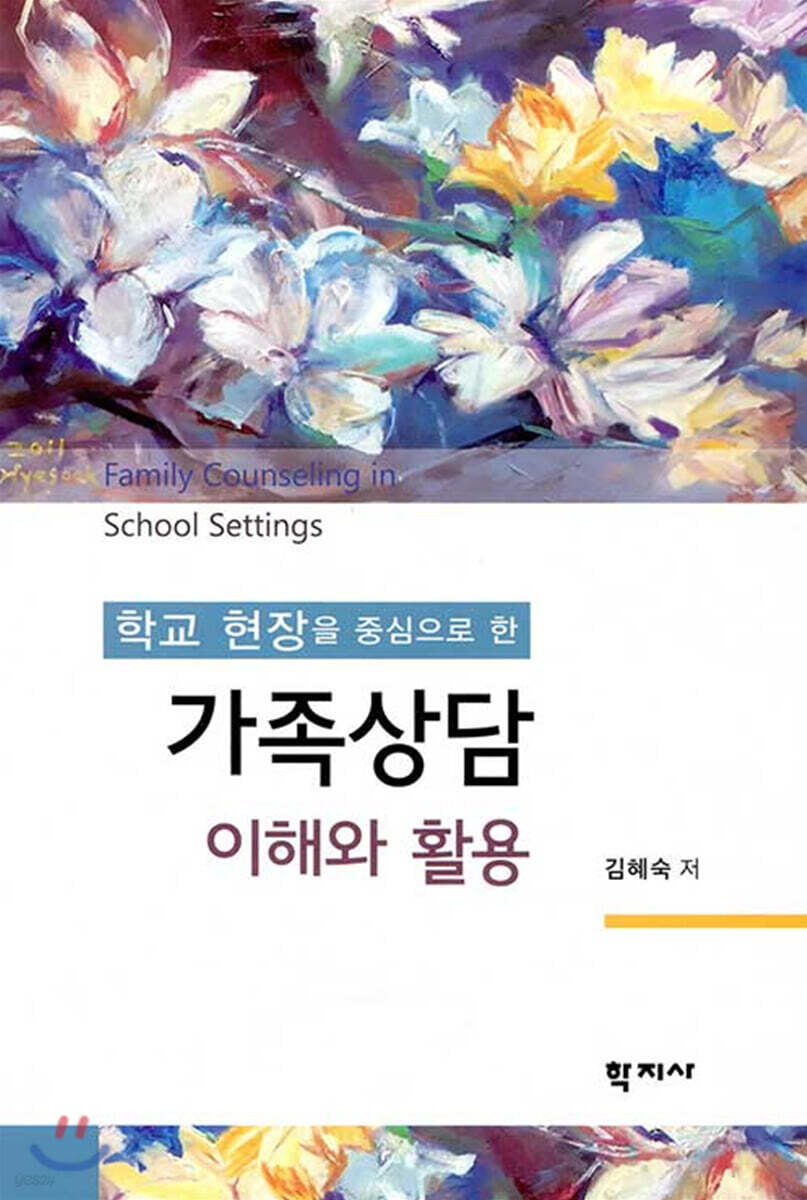 |
Description
index
preface
Part 1 Introduction
Chapter 1: Why Family Counseling Is Necessary
Effective in understanding and changing students
Broadens your perspective on teacher-student relationships
Effective parent-teacher consultation becomes possible.
Part 2: Key Concepts of Family Counseling
Chapter 2: Relationships: The Difference Between Individual and Family Counseling
Individual vs.
relationship
Linear causality vs.
circular causality
Chapter 3 Family Systems and Feedback
properties of the system
feedback
First-level and second-level changes
Chapter 4 Communication
Axioms of Communication
Communication and Family Rules
Dysfunctional communication
Role-taking through conversation
Chapter 5: Boundaries and Hierarchy
boundary
rank
Chapter 6 Family Development Cycle
Stages of the Family Development Cycle
Changes in the developmental cycle following divorce
Chapter 7: Intergenerational Inheritance
Interest in individuals and multigenerational connections
Self-differentiation
Chapter 8: Family Members' Perspectives and Beliefs
Interpretation behind the interaction
Family myth
Beliefs about family relationships
Part 3: Process and Techniques of Family Counseling
Chapter 9: Beginning of Counseling
Invite to a consultation
Start a consultation
How to set counseling goals
Chapter 10: Understanding and Evaluating the Family
Interaction patterns of behavior
Belief systems of family members
Developmental cycles and intergenerational connections
Chapter 11: Interventions for Change I: Asking Questions
Function of the question
Purpose and effect by question type
How to ask questions
Chapter 12: Interventions for Change II: Changing Communication Behavior
Comparing Negative Communication Behaviors with Effective Alternatives
Recognizing the complex process of communication
communication training
Chapter 13: Interventions for Change III: Changing Your Mindset
Changes in irrational and maladaptive cognition
Redefinition
Chapter 14: Intervention Methods for Change IV: Changing Interaction Behavior
Reconfiguring the interaction loop
Finding what you want to continue
Embodying new behaviors
Chapter 15: Interventions for Change V: Changing Family Structure
Make the boundaries clear
Strengthening the bond between parents
Chapter 16: Interventions for Change VI: Behavioral Tasks
Drawing a house floor plan
Write a family chronicle
Family Piece
The day I take care of
References
Search
Part 1 Introduction
Chapter 1: Why Family Counseling Is Necessary
Effective in understanding and changing students
Broadens your perspective on teacher-student relationships
Effective parent-teacher consultation becomes possible.
Part 2: Key Concepts of Family Counseling
Chapter 2: Relationships: The Difference Between Individual and Family Counseling
Individual vs.
relationship
Linear causality vs.
circular causality
Chapter 3 Family Systems and Feedback
properties of the system
feedback
First-level and second-level changes
Chapter 4 Communication
Axioms of Communication
Communication and Family Rules
Dysfunctional communication
Role-taking through conversation
Chapter 5: Boundaries and Hierarchy
boundary
rank
Chapter 6 Family Development Cycle
Stages of the Family Development Cycle
Changes in the developmental cycle following divorce
Chapter 7: Intergenerational Inheritance
Interest in individuals and multigenerational connections
Self-differentiation
Chapter 8: Family Members' Perspectives and Beliefs
Interpretation behind the interaction
Family myth
Beliefs about family relationships
Part 3: Process and Techniques of Family Counseling
Chapter 9: Beginning of Counseling
Invite to a consultation
Start a consultation
How to set counseling goals
Chapter 10: Understanding and Evaluating the Family
Interaction patterns of behavior
Belief systems of family members
Developmental cycles and intergenerational connections
Chapter 11: Interventions for Change I: Asking Questions
Function of the question
Purpose and effect by question type
How to ask questions
Chapter 12: Interventions for Change II: Changing Communication Behavior
Comparing Negative Communication Behaviors with Effective Alternatives
Recognizing the complex process of communication
communication training
Chapter 13: Interventions for Change III: Changing Your Mindset
Changes in irrational and maladaptive cognition
Redefinition
Chapter 14: Intervention Methods for Change IV: Changing Interaction Behavior
Reconfiguring the interaction loop
Finding what you want to continue
Embodying new behaviors
Chapter 15: Interventions for Change V: Changing Family Structure
Make the boundaries clear
Strengthening the bond between parents
Chapter 16: Interventions for Change VI: Behavioral Tasks
Drawing a house floor plan
Write a family chronicle
Family Piece
The day I take care of
References
Search
GOODS SPECIFICS
- Date of issue: August 10, 2020
- Page count, weight, size: 294 pages | 460g | 153*225*18mm
- ISBN13: 9788999721373
- ISBN10: 899972137X
You may also like
카테고리
korean


korean

![ELLE 엘르 스페셜 에디션 A형 : 12월 [2025]](http://librairie.coreenne.fr/cdn/shop/files/b8e27a3de6c9538896439686c6b0e8fb.jpg?v=1766436872&width=3840)


