

Satirian Experiential Family Therapy: Theory and Practice
 |
Description
Book Introduction
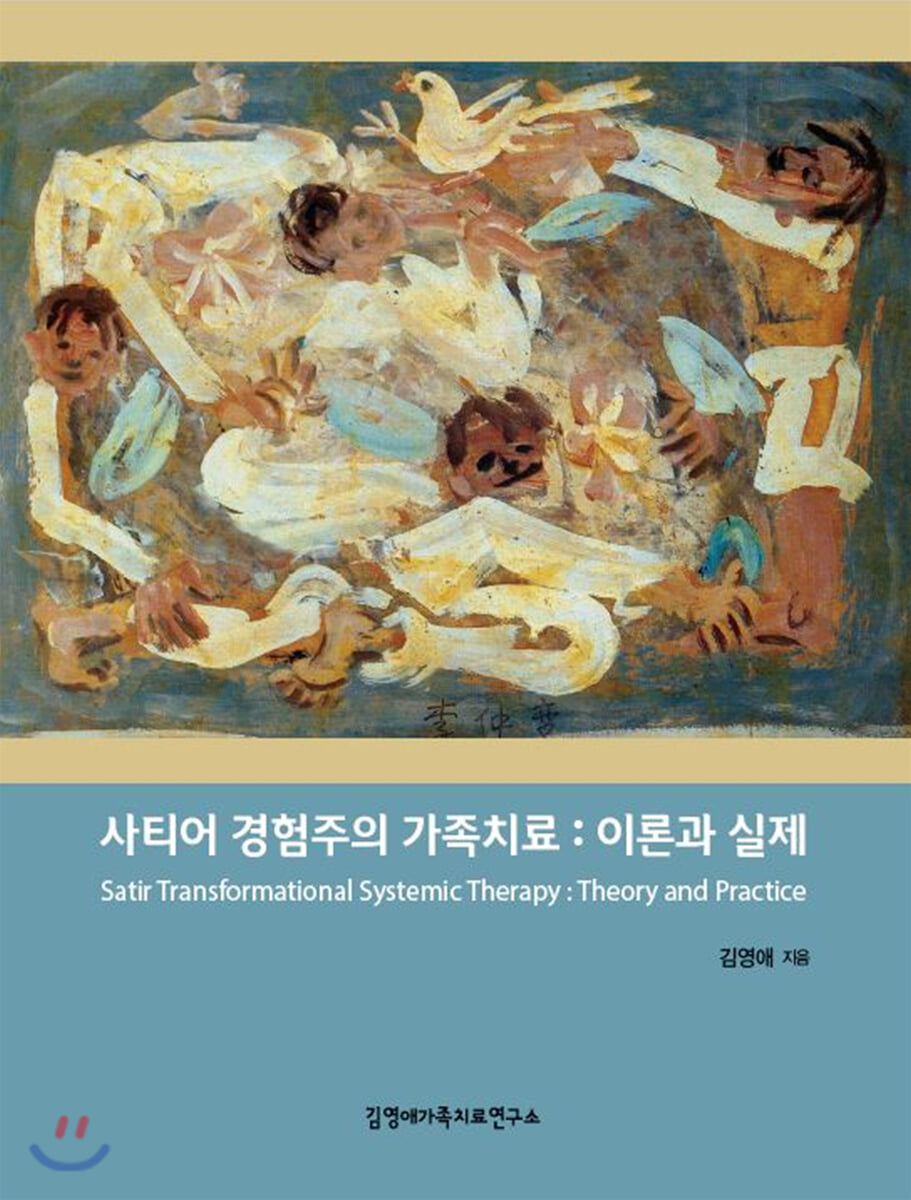
This is a revised edition of 『The Integrated Satir Model: Theory and Practice』, a book that studies the theory and practice of the Satir model.
It consists of contents such as understanding Satirian experiential family therapy, theoretical background of Satirian experiential family therapy, understanding of humans and self-esteem, understanding of the process of change, techniques for change and growth, and techniques for growth and integration.
It consists of contents such as understanding Satirian experiential family therapy, theoretical background of Satirian experiential family therapy, understanding of humans and self-esteem, understanding of the process of change, techniques for change and growth, and techniques for growth and integration.
index
Part 1
Chapter 1: An Overview of Satir's Empirical Family Therapy
1.
Background of Satir's Experiential Family Therapy
1) History of family therapy
2) History of Satirian empiricist family therapy
2.
The Life of Satyr
1) Original family background
2) Growth background
3) Educational background
4) Married life
5) Second half of life
3.
Applying Satir's Empiricist Family Therapy to Korean Society
1) Individualism in Western society
2) Korean society and family collectivism
3) Korean society and Satirian empiricist family therapy
4.
Satir's Worldview of Empiric Family Therapy
1) Perspective on society
2) Perspective on relationships
3) Perspective on humans
4) Perspective on the situation
5) Perspectives on coping methods
6) Perspective on family
7) Perspective on change
8) Perspective on positivity
Chapter 2: The Theoretical Background of Satir's Empirical Family Therapy
1.
Satirian Experiential Family Therapy and Its Connections with Other Disciplines
1) Psychoanalysis
2) Depth Analysis Psychology
3) Humanism
4) Phenomenology
5) Positive psychology
6) Existentialism
7) Group counseling
8) Gestalt psychotherapy
9) Theories about infancy
10) Psychotherapy training
11) Spirituality
2.
Key Concepts of Satirian Experiential Family Therapy
1) Systematics
2) Upper and lower levels of the system
3) Family homeostasis
4) Open system Closed system
5) Family rules
6) Role theory
7) Course | Content
8) Original family
9) Three people
10) Family Structure | Boundaries
11) Self-esteem
3.
Characteristics of Satir's experiential family therapy
1) Systemic perspective treatment model
2) A treatment model that pursues integrative change
3) A treatment model that seeks change through current experiences
4) A treatment model that pursues growth in a positive direction
5) Treatment models that require therapist congruence
4.
Growth Goals of Satir's Experiential Family Therapy
1) Four major meta-goals for individual clients
2) Growth goals of the family system
Chapter 3: Basic Concepts of Satirian Experiential Family Therapy: Icebergs, Self-Esteem, and Survival Strategies
1.
The Iceberg Metaphor for Human Understanding
1) Body and senses, including the five senses of the iceberg
2) Action
3) Feelings and emotions about feelings
4) Perception and perception of perception
5) Expectations
6) Aspiration
7) Self and Spirituality
2.
Understanding Self-Esteem
1) Self-esteem and experiences with early caregivers
2) The relationship between early life experiences and the brain
3) Early life experiences and epigenetics
4) Parenting and self-esteem
3.
Understanding survival strategies
1) Characteristics of Satir's consistent communication
4.
Understanding communication
1) Inconsistent coping style
2) Types of inconsistent coping styles
3) Use of coping strategies
4) Coping style and psychological maturity
Chapter 4: The Transformation of Satirian Experiential Family Therapy
1.
The Satir Model's Process of Family System Change
1) Stages of the change process
2.
Understanding the treatment process
1) Understanding the level of treatment
2) The entire treatment process
3.
Therapist's congruence with client change
1) Therapist Concordance
2) Unity as a human community
Part 2
Chapter 5: The Iceberg: Exploring and Transforming Your Inner Psychology Through Process Questions
1.
Iceberg Navigation Therapy Techniques
1) Iceberg Scanning Techniques for Personal Change
2) Iceberg exploration process
2.
Iceberg Navigation Treatment Case Study
1) Iceberg Exploration Case Study on Mr. L's Marital Conflict
2) Case study of marital conflict and three-person households with children
3) Case study of the therapist's experience with his or her family of origin being projected onto the therapeutic process
4) Case of resolving conflict with the therapist's own parents
5) Cases of therapists complaining about difficulties with homosexual clients
Chapter 6: Family Guidance: Exploring and Diagnosing the Family of Origin System
1.
Create a current family map and a family map of origin
1) Create a family map
2.
Family map and three-person group work
1) Three-person work for proper separation from parents
3.
Family Guidance Cases
1) Create a family map, diagnose, and establish a hypothesis
2) Background of the case family
3) Case study: Exploring the dynamics of family members
Chapter 7 | The Wheel of Influence: The Changing Face of External Influence
1.
Exploring family history and shocking events
1) Family chronicle and exploration of shocking events
2.
Wheel of Influence
1) Working the Wheel of Influence
2) Application of the Wheel of Influence
Chapter 8: Family Pieces: Changing Family Dynamics
1.
Family Pieces: Externalizing Family Dynamics
1) Characteristics of family pieces
2) Family fragment treatment process
3) Case study of family therapy after working on a virtual family piece
Chapter 9 | Family Reconstruction: Changing Influences on the Family of Origin
1.
Applying family restructuring
1) Family restructuring work
2) Family restructuring process
3) Short-term family restructuring
4) Case study of reconstructing past experiences
Chapter 10 | Internal Visualization: Transforming Past Traumatic Events
1.
Theoretical background of inner visualization
1) Inner visualization technique
2) Internal visualization work for victims of child sexual abuse or sexual harassment
3) A case study of internal visualization to restore the relationship with parents during childhood.
Chapter 11: Family Pieces: Awareness and Change in Family Rules
1.
Family rules of the perceptual system
1) Working on the family rules of the perception system
2) Case study on working on family rules regarding emotions
Chapter 12: Family Therapy: Transforming Family Systems
1.
family therapy
1) Growth goals of family members
2) Family therapy process
3) Cases of family therapy implemented after family guidance and family fragmentation
Part 3
Chapter 13 | Factors of Interaction: Changes for Consistent Communication
1.
Factors of interaction
1) Stages of interaction factors
2) Factors of interaction Techniques Work process
3) Applying the interaction factors technique to groups
Chapter 14 | A Feast of Parts: The Inner Integration of the Personal Psychology
1.
The process of the feast technique of classical parts
1) A feast of classic pieces
2.
Application of the feast of parts
1) A feast of areas where family therapy was applied
2) Applying the feast of parts to personal counseling
3) Applying the Feast of Parts to Couples Counseling
4) A feast of parts with family pieces applied
Chapter 15: The Self-Mandala: Transforming to a Life of Balance and Integration
1.
Just ask for me
1) Just ask for yourself
2) Using the self-drawing technique
3) Magnetic Mandala Sculpture Group Work
4) Case of individual therapy using self-mandala
Chapter 16 | Other Transformation Techniques:
A toolkit for meditation, metaphors, reading your inner temperature, and maintaining self-esteem.
1.
meditation
2.
metaphor
3.
Reading your inner temperature
4.
Using the Self-Esteem Toolkit
Chapter 17: Satir's Empiricist Group Counseling Model
1.
Satir Model Group Counseling
1) Factors of Satir group counseling
2) Satir group counseling treatment process
Appendix | Satir Iceberg Exploration Process Questions
References
index
Chapter 1: An Overview of Satir's Empirical Family Therapy
1.
Background of Satir's Experiential Family Therapy
1) History of family therapy
2) History of Satirian empiricist family therapy
2.
The Life of Satyr
1) Original family background
2) Growth background
3) Educational background
4) Married life
5) Second half of life
3.
Applying Satir's Empiricist Family Therapy to Korean Society
1) Individualism in Western society
2) Korean society and family collectivism
3) Korean society and Satirian empiricist family therapy
4.
Satir's Worldview of Empiric Family Therapy
1) Perspective on society
2) Perspective on relationships
3) Perspective on humans
4) Perspective on the situation
5) Perspectives on coping methods
6) Perspective on family
7) Perspective on change
8) Perspective on positivity
Chapter 2: The Theoretical Background of Satir's Empirical Family Therapy
1.
Satirian Experiential Family Therapy and Its Connections with Other Disciplines
1) Psychoanalysis
2) Depth Analysis Psychology
3) Humanism
4) Phenomenology
5) Positive psychology
6) Existentialism
7) Group counseling
8) Gestalt psychotherapy
9) Theories about infancy
10) Psychotherapy training
11) Spirituality
2.
Key Concepts of Satirian Experiential Family Therapy
1) Systematics
2) Upper and lower levels of the system
3) Family homeostasis
4) Open system Closed system
5) Family rules
6) Role theory
7) Course | Content
8) Original family
9) Three people
10) Family Structure | Boundaries
11) Self-esteem
3.
Characteristics of Satir's experiential family therapy
1) Systemic perspective treatment model
2) A treatment model that pursues integrative change
3) A treatment model that seeks change through current experiences
4) A treatment model that pursues growth in a positive direction
5) Treatment models that require therapist congruence
4.
Growth Goals of Satir's Experiential Family Therapy
1) Four major meta-goals for individual clients
2) Growth goals of the family system
Chapter 3: Basic Concepts of Satirian Experiential Family Therapy: Icebergs, Self-Esteem, and Survival Strategies
1.
The Iceberg Metaphor for Human Understanding
1) Body and senses, including the five senses of the iceberg
2) Action
3) Feelings and emotions about feelings
4) Perception and perception of perception
5) Expectations
6) Aspiration
7) Self and Spirituality
2.
Understanding Self-Esteem
1) Self-esteem and experiences with early caregivers
2) The relationship between early life experiences and the brain
3) Early life experiences and epigenetics
4) Parenting and self-esteem
3.
Understanding survival strategies
1) Characteristics of Satir's consistent communication
4.
Understanding communication
1) Inconsistent coping style
2) Types of inconsistent coping styles
3) Use of coping strategies
4) Coping style and psychological maturity
Chapter 4: The Transformation of Satirian Experiential Family Therapy
1.
The Satir Model's Process of Family System Change
1) Stages of the change process
2.
Understanding the treatment process
1) Understanding the level of treatment
2) The entire treatment process
3.
Therapist's congruence with client change
1) Therapist Concordance
2) Unity as a human community
Part 2
Chapter 5: The Iceberg: Exploring and Transforming Your Inner Psychology Through Process Questions
1.
Iceberg Navigation Therapy Techniques
1) Iceberg Scanning Techniques for Personal Change
2) Iceberg exploration process
2.
Iceberg Navigation Treatment Case Study
1) Iceberg Exploration Case Study on Mr. L's Marital Conflict
2) Case study of marital conflict and three-person households with children
3) Case study of the therapist's experience with his or her family of origin being projected onto the therapeutic process
4) Case of resolving conflict with the therapist's own parents
5) Cases of therapists complaining about difficulties with homosexual clients
Chapter 6: Family Guidance: Exploring and Diagnosing the Family of Origin System
1.
Create a current family map and a family map of origin
1) Create a family map
2.
Family map and three-person group work
1) Three-person work for proper separation from parents
3.
Family Guidance Cases
1) Create a family map, diagnose, and establish a hypothesis
2) Background of the case family
3) Case study: Exploring the dynamics of family members
Chapter 7 | The Wheel of Influence: The Changing Face of External Influence
1.
Exploring family history and shocking events
1) Family chronicle and exploration of shocking events
2.
Wheel of Influence
1) Working the Wheel of Influence
2) Application of the Wheel of Influence
Chapter 8: Family Pieces: Changing Family Dynamics
1.
Family Pieces: Externalizing Family Dynamics
1) Characteristics of family pieces
2) Family fragment treatment process
3) Case study of family therapy after working on a virtual family piece
Chapter 9 | Family Reconstruction: Changing Influences on the Family of Origin
1.
Applying family restructuring
1) Family restructuring work
2) Family restructuring process
3) Short-term family restructuring
4) Case study of reconstructing past experiences
Chapter 10 | Internal Visualization: Transforming Past Traumatic Events
1.
Theoretical background of inner visualization
1) Inner visualization technique
2) Internal visualization work for victims of child sexual abuse or sexual harassment
3) A case study of internal visualization to restore the relationship with parents during childhood.
Chapter 11: Family Pieces: Awareness and Change in Family Rules
1.
Family rules of the perceptual system
1) Working on the family rules of the perception system
2) Case study on working on family rules regarding emotions
Chapter 12: Family Therapy: Transforming Family Systems
1.
family therapy
1) Growth goals of family members
2) Family therapy process
3) Cases of family therapy implemented after family guidance and family fragmentation
Part 3
Chapter 13 | Factors of Interaction: Changes for Consistent Communication
1.
Factors of interaction
1) Stages of interaction factors
2) Factors of interaction Techniques Work process
3) Applying the interaction factors technique to groups
Chapter 14 | A Feast of Parts: The Inner Integration of the Personal Psychology
1.
The process of the feast technique of classical parts
1) A feast of classic pieces
2.
Application of the feast of parts
1) A feast of areas where family therapy was applied
2) Applying the feast of parts to personal counseling
3) Applying the Feast of Parts to Couples Counseling
4) A feast of parts with family pieces applied
Chapter 15: The Self-Mandala: Transforming to a Life of Balance and Integration
1.
Just ask for me
1) Just ask for yourself
2) Using the self-drawing technique
3) Magnetic Mandala Sculpture Group Work
4) Case of individual therapy using self-mandala
Chapter 16 | Other Transformation Techniques:
A toolkit for meditation, metaphors, reading your inner temperature, and maintaining self-esteem.
1.
meditation
2.
metaphor
3.
Reading your inner temperature
4.
Using the Self-Esteem Toolkit
Chapter 17: Satir's Empiricist Group Counseling Model
1.
Satir Model Group Counseling
1) Factors of Satir group counseling
2) Satir group counseling treatment process
Appendix | Satir Iceberg Exploration Process Questions
References
index
GOODS SPECIFICS
- Date of issue: June 30, 2020
- Page count, weight, size: 433 pages | 190*250*30mm
- ISBN13: 9788991567320
- ISBN10: 8991567320
You may also like
카테고리
korean


korean

![ELLE 엘르 스페셜 에디션 A형 : 12월 [2025]](http://librairie.coreenne.fr/cdn/shop/files/b8e27a3de6c9538896439686c6b0e8fb.jpg?v=1766436872&width=3840)


