

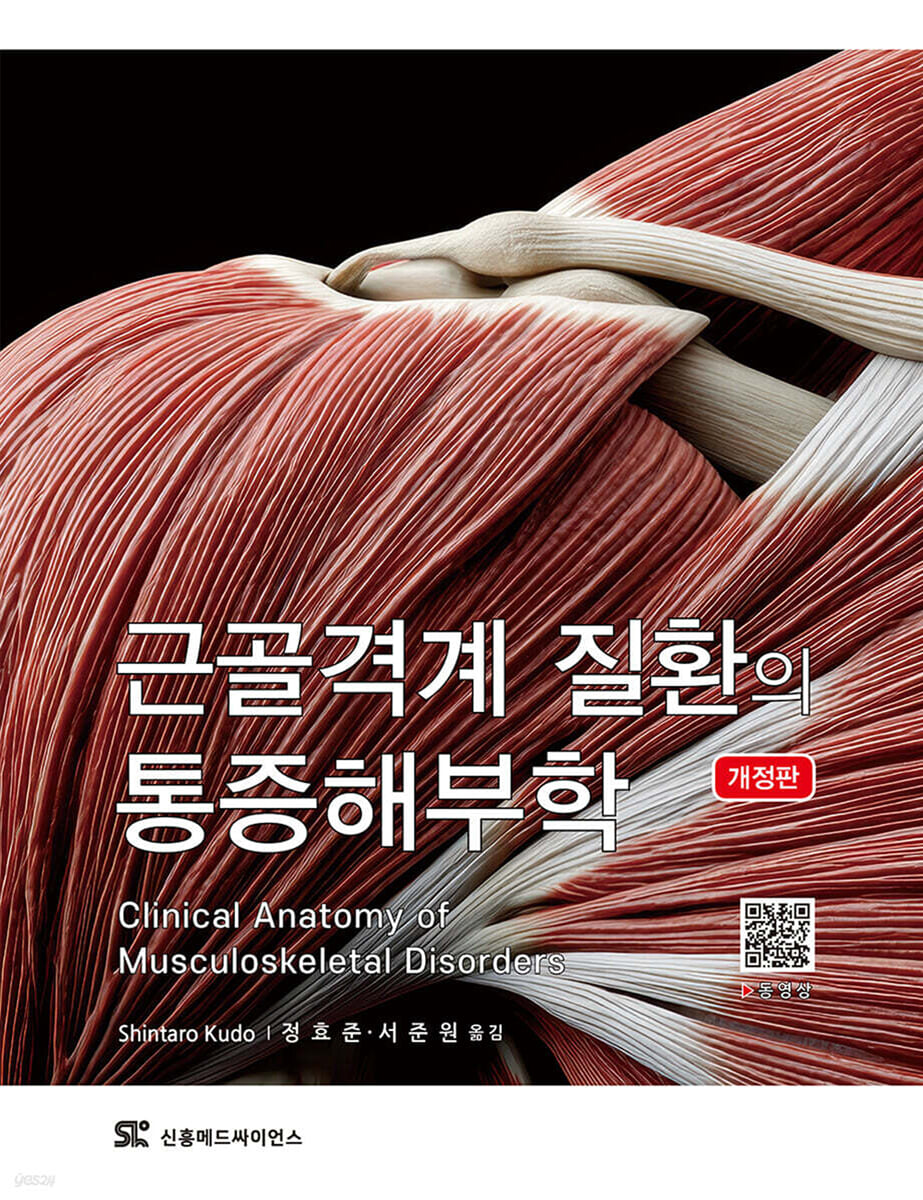
Pain anatomy of musculoskeletal disorders
 |
Description
Book Introduction
The purpose of this book was to explain the mechanisms of musculoskeletal disorders, the causes of pain, and the selection of exercise therapy from an anatomical perspective.
Twelve years have passed since the first edition, and in that time, the clinical practice of physical therapy has evolved significantly.
The second edition includes the latest research findings and clinical knowledge, and is printed in color to make the content more practical and easy to understand.
In particular, the use of ultrasound imaging has evolved, enabling visualization of deep structures, broadening the scope of physical therapy and accelerating collaboration with physicians.
Also new in the second edition is the presentation of specific exercise therapy using web videos.
This allows physical therapists to visually learn how to perform treatments in real clinical settings.
Additionally, the causes and evaluation points for each case were explained in detail from an anatomical perspective, leading to improvements in treatment techniques.
Treatment of musculoskeletal disorders in Asia has made great progress in recent years.
In particular, there has been remarkable progress in the treatment of diseases based on degenerative changes, including degenerative arthritis, and regenerative medicine and minimally invasive surgery have become widespread.
Physical therapy in both Korea and Japan plays a vital role in responding to an aging society, with physical therapists playing a role in these new treatments.
I understand that in Korea, the number of schools that train physical therapists is increasing and many physical therapists are being produced.
Japan, too, is expected to grow as the number of physical therapists increases, sharing cutting-edge knowledge and technology to develop into a leader in physical therapy in Asia.
Twelve years have passed since the first edition, and in that time, the clinical practice of physical therapy has evolved significantly.
The second edition includes the latest research findings and clinical knowledge, and is printed in color to make the content more practical and easy to understand.
In particular, the use of ultrasound imaging has evolved, enabling visualization of deep structures, broadening the scope of physical therapy and accelerating collaboration with physicians.
Also new in the second edition is the presentation of specific exercise therapy using web videos.
This allows physical therapists to visually learn how to perform treatments in real clinical settings.
Additionally, the causes and evaluation points for each case were explained in detail from an anatomical perspective, leading to improvements in treatment techniques.
Treatment of musculoskeletal disorders in Asia has made great progress in recent years.
In particular, there has been remarkable progress in the treatment of diseases based on degenerative changes, including degenerative arthritis, and regenerative medicine and minimally invasive surgery have become widespread.
Physical therapy in both Korea and Japan plays a vital role in responding to an aging society, with physical therapists playing a role in these new treatments.
I understand that in Korea, the number of schools that train physical therapists is increasing and many physical therapists are being produced.
Japan, too, is expected to grow as the number of physical therapists increases, sharing cutting-edge knowledge and technology to develop into a leader in physical therapy in Asia.
- You can preview some of the book's contents.
Preview
index
Chapter 1 Cervical Spondylosis ··································································· 1
1 Why does pain occur on the inner side of the scapula? 2
2 Why did the approach to the suboccipital muscle improve headaches? 5
3 Why was semi-permanent training effective in improving alignment? 7
Chapter 2 Thoracic Outlet Syndrome 11
1. Where is the brachial plexus compressed? Also, what are the conditions that can be considered for compression? 12
2 Why do I feel dull pain and coldness? 16
3. What is the relationship between slumped shoulders (poor posture) and symptoms? 18
4. What if we looked at the rehabilitation approach for thoracic outlet syndrome from a functional anatomical perspective? 19
Chapter 3 Rotator Cuff Injuries .......................................................................... 23
1 Why can't I raise my right hand by myself? 24
2 Why does rotator cuff damage occur in the joint capsule? 26
3 Why does subacromial bursitis occur? 28
4 Why does atrophy of the infraspinatus muscle occur? 30
5 Why was scapular alignment correction effective? 32
Chapter 4 Adhesive Capsulitis ································································· 35
1 Why measure range of motion by changing shoulder joint position? 36
2 Why does night pain occur? 38
3 Why is neutral (lower) external rotation restricted? 42
4 Why does dull pain occur? 43
Chapter 5 Multidirectional Instability ·············································· 49
1 In what cases does the shoulder joint become dislocated? 50
2 Why does forward instability occur? 51
3 What muscles counteract instability? 54
4 Why do symptoms decrease with relaxation of the teres minor and infraspinatus muscles? 56
Chapter 6 Baseball Elbow ········································································· 59
1 Why does instability occur on the inside of the elbow joint? 60
2 Why does the inside of my elbow joint hurt? 65
3 Why does the outside of my elbow joint hurt? 68
4. What are the exercise treatments for baseball elbow? 70
Chapter 7 Lateral Epicondylitis of the Humerus ···················· 77
1 Are Computers and Tennis Related to Pain? 78
2 What causes pain? 79
3 What is the relationship between lateral epicondylitis and restricted forearm rotation? 82
Chapter 8 Distal Radius Fractures ································································· 87
1 Why is ignorance and wisdom paralyzed? 88
2 Why does ulnar collateral ligament pain occur? 89
3 Why does tendon buckling occur during flexion exercises? 93
4 What causes pain on the ulnar side when supinating the forearm? 95
Chapter 9 Spinal Compression Fractures ································································· 99
1 Alignment and Functional Anatomy of the Spine 100
2 Why do my lower extremity joints tire more easily? 104
3 Why has incontinence increased? 105
4 What should be considered in the rehabilitation approach after a vertebral compression fracture? 107
5 Why is back pain complicated? 109
Chapter 10 Proximal Femur Fractures ················································ 115
1. Where are the most susceptible areas for femoral neck and trochanteric fractures? 116
2 Why do surgical methods differ depending on the fracture site? 119
3 Why does lateral hip pain occur when walking? 122
4 Why did improving abductor muscle strength improve medial groin pain? 124
5 Why does repeated flexion and extension of the knee joint improve lateral thigh pain? 126
Chapter 11 Degenerative Hip Osteopathy ····················· 131
1. What is the relationship between acetabular dysplasia and degenerative hip disease? 132
2 Why did the Trendelenburg gait appear? 133
3 Why is hip range of motion limited? 136
4 Why is the approach around the rectus femoris effective? 139
Chapter 12 Posterior Cruciate Ligament Injury ··········································· 143
1 Why Do Posterior Cruciate Ligament Injuries Occur? 144
2 Why does knee joint movement cause posterolateral pain? 146
3 What causes instability when walking? 149
Chapter 13 Iliotibial Band Syndrome ································································ 153
1 Why does running cause iliotibial band syndrome? 154
2 Why was the tensor fascia lata and gluteus maximus released? 157
3 Why did iliotibial band pain disappear with relaxation of the vastus lateralis muscle? 160
Chapter 14 Meniscus Injuries ······························································· 163
1 Why do menisci prolapse? 164
2 Why was endoscopic medial meniscus repair performed? 165
3 Why is full extension impossible during active exercise after surgery? 171
4 Why do I experience pain in the superior aspect of the patellofemoral joint when climbing stairs? 173
Chapter 15 Anterior Cruciate Ligament Injury · Medial Collateral Ligament Injury ··········· 177
1. What is the structure and function of the anterior cruciate ligament? 178
2 Why does flexion cause pain in the medial epicondyle of the femur? 180
3 Why is the pivot-shift test positive? 181
4. What muscles compensate for instability? 182
Chapter 16 Degenerative Osteoarthritis of the Knee ·································· 187
1 Why does the inside of my knee hurt when I stand up? 188
2 Why can't my knees straighten (restricted extension)? 190
3 Why did triceps training reduce pain? 193
Chapter 17 Anterior Talocalcaneal Ligament Injuries ····················· 197
1 Why is the anterior talofibular ligament so susceptible to injury? 198
2 Why does tenderness occur in the anterior tibial ligament? 200
3 Why do I have pain in the front of my ankle? 202
4. What muscles compensate for instability? 205
Chapter 18 Plantar Tendonitis ······································································· 209
1. What is the structure and function of the plantar fascia? 210
2 What is the mechanism of pain at the talus attachment site? 212
3 Why was the pain relieved by the support of the medial longitudinal arch? 216
4. What are the exercise treatments for plantar fasciitis? 217
Chapter 19 Hallux Valgus ······································································· 221
1 Why does hallux valgus occur? 222
2 Why does pain occur in the forefoot? 225
3. What is exercise therapy for hallux valgus? 227
Search 233
1 Why does pain occur on the inner side of the scapula? 2
2 Why did the approach to the suboccipital muscle improve headaches? 5
3 Why was semi-permanent training effective in improving alignment? 7
Chapter 2 Thoracic Outlet Syndrome 11
1. Where is the brachial plexus compressed? Also, what are the conditions that can be considered for compression? 12
2 Why do I feel dull pain and coldness? 16
3. What is the relationship between slumped shoulders (poor posture) and symptoms? 18
4. What if we looked at the rehabilitation approach for thoracic outlet syndrome from a functional anatomical perspective? 19
Chapter 3 Rotator Cuff Injuries .......................................................................... 23
1 Why can't I raise my right hand by myself? 24
2 Why does rotator cuff damage occur in the joint capsule? 26
3 Why does subacromial bursitis occur? 28
4 Why does atrophy of the infraspinatus muscle occur? 30
5 Why was scapular alignment correction effective? 32
Chapter 4 Adhesive Capsulitis ································································· 35
1 Why measure range of motion by changing shoulder joint position? 36
2 Why does night pain occur? 38
3 Why is neutral (lower) external rotation restricted? 42
4 Why does dull pain occur? 43
Chapter 5 Multidirectional Instability ·············································· 49
1 In what cases does the shoulder joint become dislocated? 50
2 Why does forward instability occur? 51
3 What muscles counteract instability? 54
4 Why do symptoms decrease with relaxation of the teres minor and infraspinatus muscles? 56
Chapter 6 Baseball Elbow ········································································· 59
1 Why does instability occur on the inside of the elbow joint? 60
2 Why does the inside of my elbow joint hurt? 65
3 Why does the outside of my elbow joint hurt? 68
4. What are the exercise treatments for baseball elbow? 70
Chapter 7 Lateral Epicondylitis of the Humerus ···················· 77
1 Are Computers and Tennis Related to Pain? 78
2 What causes pain? 79
3 What is the relationship between lateral epicondylitis and restricted forearm rotation? 82
Chapter 8 Distal Radius Fractures ································································· 87
1 Why is ignorance and wisdom paralyzed? 88
2 Why does ulnar collateral ligament pain occur? 89
3 Why does tendon buckling occur during flexion exercises? 93
4 What causes pain on the ulnar side when supinating the forearm? 95
Chapter 9 Spinal Compression Fractures ································································· 99
1 Alignment and Functional Anatomy of the Spine 100
2 Why do my lower extremity joints tire more easily? 104
3 Why has incontinence increased? 105
4 What should be considered in the rehabilitation approach after a vertebral compression fracture? 107
5 Why is back pain complicated? 109
Chapter 10 Proximal Femur Fractures ················································ 115
1. Where are the most susceptible areas for femoral neck and trochanteric fractures? 116
2 Why do surgical methods differ depending on the fracture site? 119
3 Why does lateral hip pain occur when walking? 122
4 Why did improving abductor muscle strength improve medial groin pain? 124
5 Why does repeated flexion and extension of the knee joint improve lateral thigh pain? 126
Chapter 11 Degenerative Hip Osteopathy ····················· 131
1. What is the relationship between acetabular dysplasia and degenerative hip disease? 132
2 Why did the Trendelenburg gait appear? 133
3 Why is hip range of motion limited? 136
4 Why is the approach around the rectus femoris effective? 139
Chapter 12 Posterior Cruciate Ligament Injury ··········································· 143
1 Why Do Posterior Cruciate Ligament Injuries Occur? 144
2 Why does knee joint movement cause posterolateral pain? 146
3 What causes instability when walking? 149
Chapter 13 Iliotibial Band Syndrome ································································ 153
1 Why does running cause iliotibial band syndrome? 154
2 Why was the tensor fascia lata and gluteus maximus released? 157
3 Why did iliotibial band pain disappear with relaxation of the vastus lateralis muscle? 160
Chapter 14 Meniscus Injuries ······························································· 163
1 Why do menisci prolapse? 164
2 Why was endoscopic medial meniscus repair performed? 165
3 Why is full extension impossible during active exercise after surgery? 171
4 Why do I experience pain in the superior aspect of the patellofemoral joint when climbing stairs? 173
Chapter 15 Anterior Cruciate Ligament Injury · Medial Collateral Ligament Injury ··········· 177
1. What is the structure and function of the anterior cruciate ligament? 178
2 Why does flexion cause pain in the medial epicondyle of the femur? 180
3 Why is the pivot-shift test positive? 181
4. What muscles compensate for instability? 182
Chapter 16 Degenerative Osteoarthritis of the Knee ·································· 187
1 Why does the inside of my knee hurt when I stand up? 188
2 Why can't my knees straighten (restricted extension)? 190
3 Why did triceps training reduce pain? 193
Chapter 17 Anterior Talocalcaneal Ligament Injuries ····················· 197
1 Why is the anterior talofibular ligament so susceptible to injury? 198
2 Why does tenderness occur in the anterior tibial ligament? 200
3 Why do I have pain in the front of my ankle? 202
4. What muscles compensate for instability? 205
Chapter 18 Plantar Tendonitis ······································································· 209
1. What is the structure and function of the plantar fascia? 210
2 What is the mechanism of pain at the talus attachment site? 212
3 Why was the pain relieved by the support of the medial longitudinal arch? 216
4. What are the exercise treatments for plantar fasciitis? 217
Chapter 19 Hallux Valgus ······································································· 221
1 Why does hallux valgus occur? 222
2 Why does pain occur in the forefoot? 225
3. What is exercise therapy for hallux valgus? 227
Search 233
Detailed image

GOODS SPECIFICS
- Date of issue: October 15, 2025
- Page count, weight, size: 256 pages | 215*280*20mm
- ISBN13: 9788964980910
- ISBN10: 8964980913
You may also like
카테고리
korean


korean

![ELLE 엘르 스페셜 에디션 A형 : 12월 [2025]](http://librairie.coreenne.fr/cdn/shop/files/b8e27a3de6c9538896439686c6b0e8fb.jpg?v=1766436872&width=3840)


