

Understanding and Trends in Space Security
 |
Description
Book Introduction
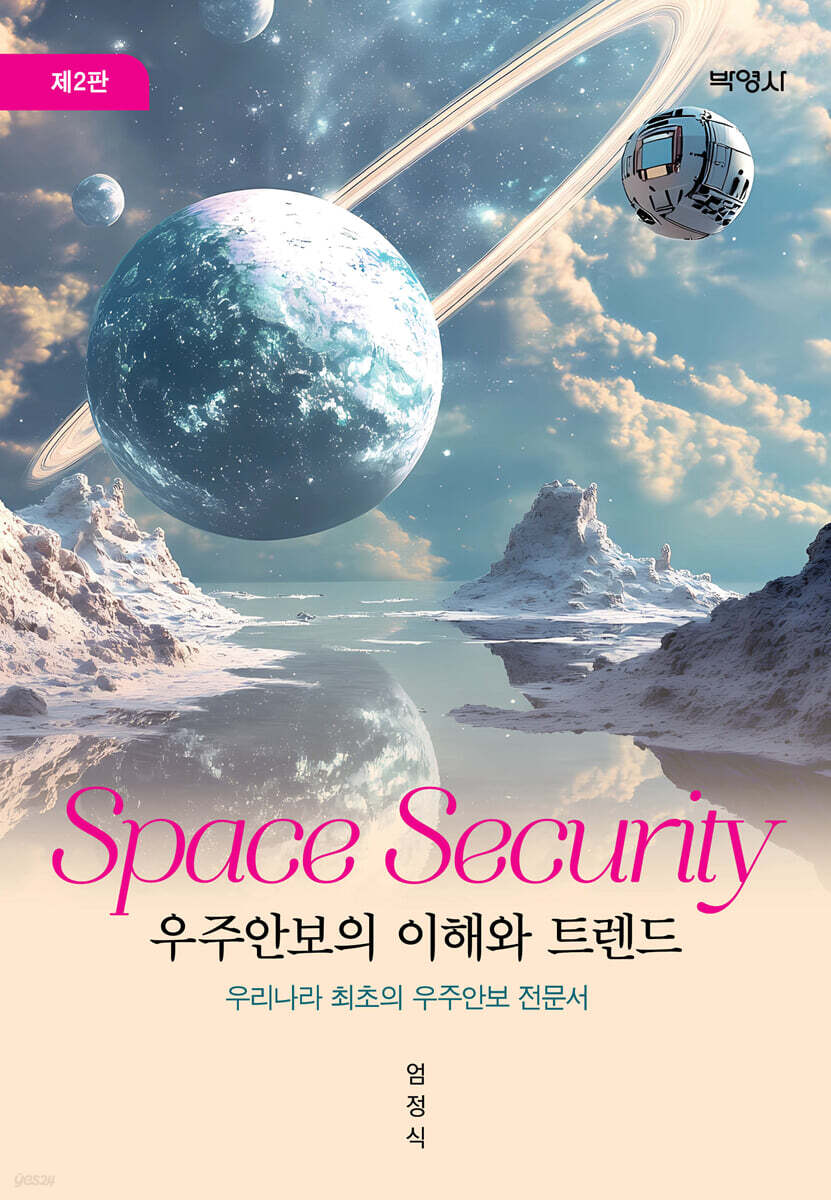
What sets this revised edition apart from the first is that it further refines the concept of space security.
Among the elements of space security, military space was expanded to include defense and information space.
Additionally, to address various issues related to space security, the book includes the latest trends not covered in the first edition, such as the impact of the Russia-Ukraine War on space security, the use of AI technology in space, space and cybersecurity, and North Korea's space development.
Among the elements of space security, military space was expanded to include defense and information space.
Additionally, to address various issues related to space security, the book includes the latest trends not covered in the first edition, such as the impact of the Russia-Ukraine War on space security, the use of AI technology in space, space and cybersecurity, and North Korea's space development.
index
Preface to the Second Edition 1 (The future of space has already arrived.
However, it does not come equally to everyone.)
Preface to the First Edition: 3 (Space is a space for survival and security, just like Earth)
Ⅰ
A History of Space Security 13
Space activities that began with military purposes 14
The US-Soviet Space Race of the 1950s–1990s 18
The US-China Space Race from 2000 to 2020 27
Ⅱ
Foundation of Space Security 39
The Importance of Space Security 40
The Concept and Scope of Space Security 51
· The Concept of Space Security 51
· Area 56 of space security
Security Issues in the Space Environment 70
· Solar activity 70
Gravity 75
· Strategic Point 78
Space Security Targets: Space Systems 92
· Ground segment 94
· Space segment 107
· Link segment 111
· Space Technology Using AI 113
· Space and Cyber Threats and Responses 123
Ⅲ
Space Security Area 133
Defense and Information Space 134
· Space domain awareness 134
· Space Information Support 142
· Space Power Projection 148
· Space Control 155
Space Economy 177
· The Concept and Scope of the Space Economy 177
· The Structure of the Space Economy 181
· Development of the space market 188
· The Link Between the Space Economy and Security and Diplomacy 205
Space Diplomacy 208
· Space Diplomacy from a Space Security Perspective 208
· International Law Relating to Space Security 213
· Issues in Space Diplomacy 220
Ⅳ
Understanding Space Security 231
International Politics and Space Security 232
· Realism and Space Security 232
Liberal Theory and Space Security 238
· Constructivist Theory and Space Security 242
· Space Security Analysis Case Study 1: The International Politics of the US-China Space Competition 247
Space Security Analysis Case ②: 248 Possibilities and Threats of Future Space Warfare
Modern Strategy and Space Security 260
Understanding Space Strategy 260
· Deterrence and Space Security 262
· The Russo-Ukrainian War and Space Security 264
V
Space Security Issue 275
Defense, Information, Economy, and Diplomacy: The Space Debris Problem 276
International Cooperation and Competition in the Space Station 281
International Competition for Lunar Exploration 288
Space Security 301 in Cislunar (Earth-Moon) Space
The International Politics of Global Satellite Navigation Systems 304
Threats and Responses at Space Launch Sites 310
· Global Space Launch Trends and Space Security 311
· Threat Analysis of Space Launch Sites 314
North Korea's Space Development during the Kim Jong-un Era 326
· Space Development Law and Policy 326
· Key Contents of the Space Development Act 328
· Legislative Analysis of the 10 Years Since the Enactment of the Space Development Act 331
· North Korea-Russia Space Cooperation and North Korea's Space Development Capabilities 333
· North Korea's Space Development and Space Security 340
Proposal 344 for the Republic of Korea's Space Security Strategy
· The Need for a National Space Security Strategy 344
· Strategic Task 1: Securing National Space Security Assets and Strengthening Capabilities 354
· Strategic Task 2: Creating a Safe Space Environment and Strengthening the Space Situational Awareness System (358)
Strategic Task 3: Developing Space-Based Industries and Entering New Markets 362
· Strategic Task 4: Establishing a Civil-Government-Military Governance Contributing to Space Security 366
· Strategic Task 5: Enhancing Multilateral and Bilateral Space Cooperation and Establishing International Norms 370
Coming Out: National Security in the Age of Space Security 374
US State 376
Appendix 1: 401 Recommended Domestic Books for Beginners in Space
Appendix 2: Online Space Resources 414
Appendix 3: The Story of Space Security 417
However, it does not come equally to everyone.)
Preface to the First Edition: 3 (Space is a space for survival and security, just like Earth)
Ⅰ
A History of Space Security 13
Space activities that began with military purposes 14
The US-Soviet Space Race of the 1950s–1990s 18
The US-China Space Race from 2000 to 2020 27
Ⅱ
Foundation of Space Security 39
The Importance of Space Security 40
The Concept and Scope of Space Security 51
· The Concept of Space Security 51
· Area 56 of space security
Security Issues in the Space Environment 70
· Solar activity 70
Gravity 75
· Strategic Point 78
Space Security Targets: Space Systems 92
· Ground segment 94
· Space segment 107
· Link segment 111
· Space Technology Using AI 113
· Space and Cyber Threats and Responses 123
Ⅲ
Space Security Area 133
Defense and Information Space 134
· Space domain awareness 134
· Space Information Support 142
· Space Power Projection 148
· Space Control 155
Space Economy 177
· The Concept and Scope of the Space Economy 177
· The Structure of the Space Economy 181
· Development of the space market 188
· The Link Between the Space Economy and Security and Diplomacy 205
Space Diplomacy 208
· Space Diplomacy from a Space Security Perspective 208
· International Law Relating to Space Security 213
· Issues in Space Diplomacy 220
Ⅳ
Understanding Space Security 231
International Politics and Space Security 232
· Realism and Space Security 232
Liberal Theory and Space Security 238
· Constructivist Theory and Space Security 242
· Space Security Analysis Case Study 1: The International Politics of the US-China Space Competition 247
Space Security Analysis Case ②: 248 Possibilities and Threats of Future Space Warfare
Modern Strategy and Space Security 260
Understanding Space Strategy 260
· Deterrence and Space Security 262
· The Russo-Ukrainian War and Space Security 264
V
Space Security Issue 275
Defense, Information, Economy, and Diplomacy: The Space Debris Problem 276
International Cooperation and Competition in the Space Station 281
International Competition for Lunar Exploration 288
Space Security 301 in Cislunar (Earth-Moon) Space
The International Politics of Global Satellite Navigation Systems 304
Threats and Responses at Space Launch Sites 310
· Global Space Launch Trends and Space Security 311
· Threat Analysis of Space Launch Sites 314
North Korea's Space Development during the Kim Jong-un Era 326
· Space Development Law and Policy 326
· Key Contents of the Space Development Act 328
· Legislative Analysis of the 10 Years Since the Enactment of the Space Development Act 331
· North Korea-Russia Space Cooperation and North Korea's Space Development Capabilities 333
· North Korea's Space Development and Space Security 340
Proposal 344 for the Republic of Korea's Space Security Strategy
· The Need for a National Space Security Strategy 344
· Strategic Task 1: Securing National Space Security Assets and Strengthening Capabilities 354
· Strategic Task 2: Creating a Safe Space Environment and Strengthening the Space Situational Awareness System (358)
Strategic Task 3: Developing Space-Based Industries and Entering New Markets 362
· Strategic Task 4: Establishing a Civil-Government-Military Governance Contributing to Space Security 366
· Strategic Task 5: Enhancing Multilateral and Bilateral Space Cooperation and Establishing International Norms 370
Coming Out: National Security in the Age of Space Security 374
US State 376
Appendix 1: 401 Recommended Domestic Books for Beginners in Space
Appendix 2: Online Space Resources 414
Appendix 3: The Story of Space Security 417
Publisher's Review
Preface to the Second Edition: The future of space is already here.
However, it does not come equally to everyone.
For us, space has always been a time and place in the future.
However, the universe is no longer the future, but the present.
The universe that has come to us is not equal for everyone.
As the reachable universe expands, competition and cooperation will intensify, and the power struggle to ensure freedom of decision and action will intensify.
In other words, if we are not prepared, we will have no choice but to follow the decisions of the strong in space, just as we do on Earth.
Now is the era of space security.
Space security is not just the domain of the military or intelligence agencies.
Our societies and economies are increasingly dependent on space capabilities, and competition in space could have negative impacts experienced here on Earth.
Even simple tests of space capabilities can have long-lasting negative consequences for space actors.
Space is often seen as empty space, the “final frontier,” and uncharted territory.
But as humans approach space, new phenomena and meanings emerge.
In the past, only countries like the United States and the former Soviet Union had access to space.
However, over the past several decades, new technological advancements and declining space launch costs have led to a tremendous expansion and commercialization of the space industry, making it much more accessible to businesses, organizations, and even individuals.
Most space-related activities will advance scientific discovery, advance industry, or strengthen the military.
However, we cannot overlook the potential that this expansion could have for illegal acts of force, such as terrorism.
I once saw a banner like this while passing by a university that was passionate about aerospace.
“Only the courageous can reach the sky!! Only those who challenge can reach the universe!!” I think our current perception is captured in these words.
Before our country could reach space like it is now, we used the expression, "We challenge the sky, not space."
But now, we are challenging space.
Because we have the ability to fly, flying faster and higher has become an area that requires courage.
Space is a realm where we still don't know how far we can go, so isn't it a challenge that goes beyond courage? Even in the Air Force, where I served, we've long chanted "To the Sky! To Space!" as a toast. But when we lacked space operational capabilities, "To Space" was just a fancy phrase, a refrain.
Now that space operations capabilities have become a reality, “to space” is no longer just a fancy phrase, even in the Air Force.
The fact that a revised edition of this book was able to be published in just a year and a half demonstrates the public's interest in space security in our country as well.
At the same time, it shows that the space security field is developing rapidly.
No matter how much of a revision there is, there is no way to keep up with the rapid developments in space security.
However, this book is not simply intended to provide up-to-date information; it is based on concepts, scope, and theories for a systematic analysis of space security.
Therefore, no matter how rapidly changes occur in space security, the basis of analysis does not change.
What sets this revised edition apart from the first is that it further refines the concept of space security.
Among the elements of space security, military space was expanded to include defense and information space.
Additionally, to address various issues related to space security, the book includes the latest trends not covered in the first edition, such as the impact of the Russia-Ukraine War on space security, the use of AI technology in space, space and cybersecurity, and North Korea's space development.
I plan to continue to share with many people the idea that space security is a crucial area of national security and a foundation for economic and industrial development.
I hope that space security will become a focal point in Korea's space development, connecting with more fields and discovering new meaning and opportunities.
At the Holy Stage in August 2025
Eom Jeong-sik
However, it does not come equally to everyone.
For us, space has always been a time and place in the future.
However, the universe is no longer the future, but the present.
The universe that has come to us is not equal for everyone.
As the reachable universe expands, competition and cooperation will intensify, and the power struggle to ensure freedom of decision and action will intensify.
In other words, if we are not prepared, we will have no choice but to follow the decisions of the strong in space, just as we do on Earth.
Now is the era of space security.
Space security is not just the domain of the military or intelligence agencies.
Our societies and economies are increasingly dependent on space capabilities, and competition in space could have negative impacts experienced here on Earth.
Even simple tests of space capabilities can have long-lasting negative consequences for space actors.
Space is often seen as empty space, the “final frontier,” and uncharted territory.
But as humans approach space, new phenomena and meanings emerge.
In the past, only countries like the United States and the former Soviet Union had access to space.
However, over the past several decades, new technological advancements and declining space launch costs have led to a tremendous expansion and commercialization of the space industry, making it much more accessible to businesses, organizations, and even individuals.
Most space-related activities will advance scientific discovery, advance industry, or strengthen the military.
However, we cannot overlook the potential that this expansion could have for illegal acts of force, such as terrorism.
I once saw a banner like this while passing by a university that was passionate about aerospace.
“Only the courageous can reach the sky!! Only those who challenge can reach the universe!!” I think our current perception is captured in these words.
Before our country could reach space like it is now, we used the expression, "We challenge the sky, not space."
But now, we are challenging space.
Because we have the ability to fly, flying faster and higher has become an area that requires courage.
Space is a realm where we still don't know how far we can go, so isn't it a challenge that goes beyond courage? Even in the Air Force, where I served, we've long chanted "To the Sky! To Space!" as a toast. But when we lacked space operational capabilities, "To Space" was just a fancy phrase, a refrain.
Now that space operations capabilities have become a reality, “to space” is no longer just a fancy phrase, even in the Air Force.
The fact that a revised edition of this book was able to be published in just a year and a half demonstrates the public's interest in space security in our country as well.
At the same time, it shows that the space security field is developing rapidly.
No matter how much of a revision there is, there is no way to keep up with the rapid developments in space security.
However, this book is not simply intended to provide up-to-date information; it is based on concepts, scope, and theories for a systematic analysis of space security.
Therefore, no matter how rapidly changes occur in space security, the basis of analysis does not change.
What sets this revised edition apart from the first is that it further refines the concept of space security.
Among the elements of space security, military space was expanded to include defense and information space.
Additionally, to address various issues related to space security, the book includes the latest trends not covered in the first edition, such as the impact of the Russia-Ukraine War on space security, the use of AI technology in space, space and cybersecurity, and North Korea's space development.
I plan to continue to share with many people the idea that space security is a crucial area of national security and a foundation for economic and industrial development.
I hope that space security will become a focal point in Korea's space development, connecting with more fields and discovering new meaning and opportunities.
At the Holy Stage in August 2025
Eom Jeong-sik
GOODS SPECIFICS
- Date of issue: August 15, 2025
- Format: Hardcover book binding method guide
- Page count, weight, size: 492 pages | 176*248*30mm
- ISBN13: 9791130323275
- ISBN10: 1130323277
You may also like
카테고리
korean


korean

![GQ KOREA Mark (Monthly): December [2025]](http://librairie.coreenne.fr/cdn/shop/files/8ef265dbbfbf186523ed75ba7319009d.jpg?v=1765340328&width=3840)


