

Easy-to-learn operating system
 |
Description
Book Introduction
Learn with clear analogies and examples
Structure and principles of the operating system
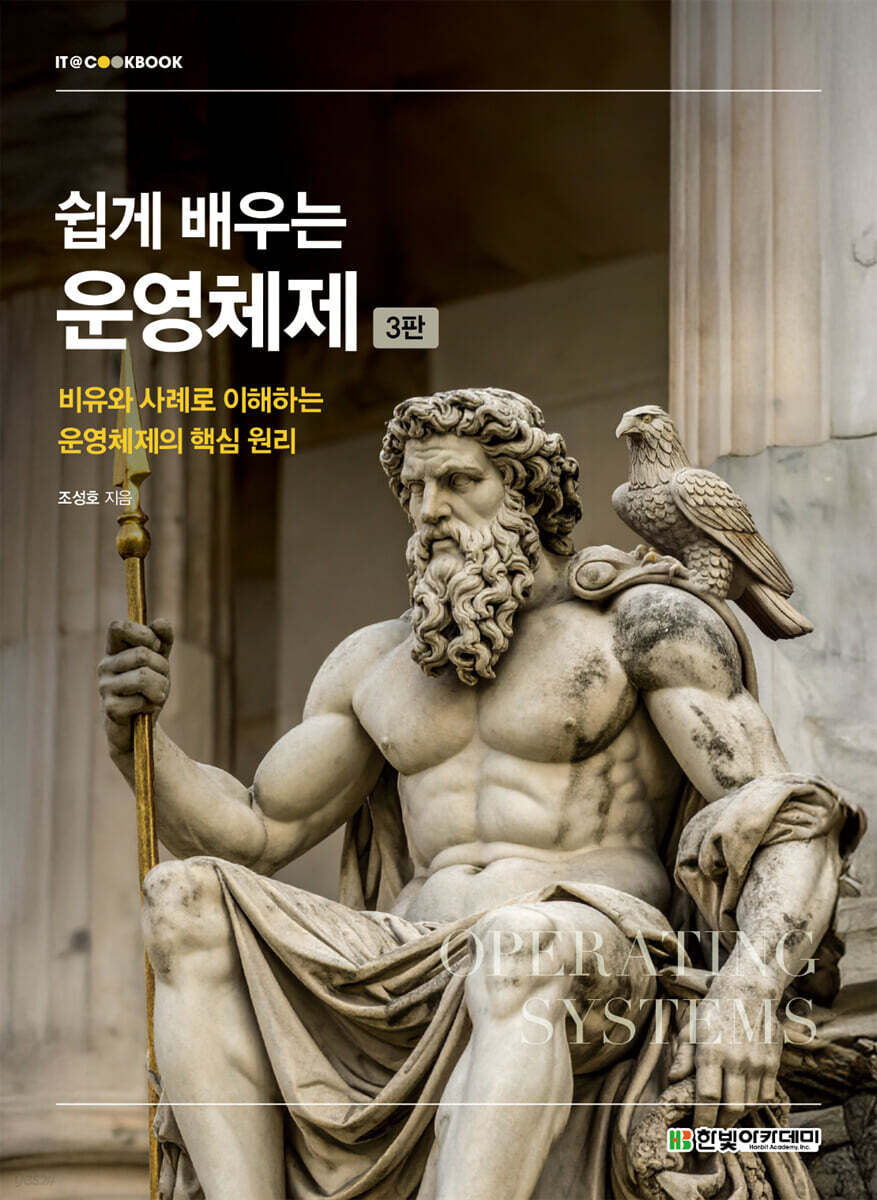
『Easy to Learn Operating Systems (3rd Edition)』 is aimed at IT students who want to learn the basic structure and core principles of operating systems.
Key concepts are explained through real-life examples, and the relationships between concepts are organized in figures and tables.
To help you understand the organic relationships between operating system components, a concept map is included at the beginning of each part, and system code examples are included as in-depth elements to help you learn specific operating principles.
※ Practice problem answers are provided only for odd-numbered multiple-choice questions.
Structure and principles of the operating system
『Easy to Learn Operating Systems (3rd Edition)』 is aimed at IT students who want to learn the basic structure and core principles of operating systems.
Key concepts are explained through real-life examples, and the relationships between concepts are organized in figures and tables.
To help you understand the organic relationships between operating system components, a concept map is included at the beginning of each part, and system code examples are included as in-depth elements to help you learn specific operating principles.
※ Practice problem answers are provided only for odd-numbered multiple-choice questions.
- You can preview some of the book's contents.
Preview
index
PART 01 Operating Systems and Computers
CHAPTER 01 Operating System Overview
01 Operating System Concept
02 The evolution of computers
03 Operating System Configuration
04 Types of operating systems
Summary/Practice Questions
CHAPTER 02 Computer Structure and Performance Improvement
01 Basic configuration of the computer
02 CPU and Memory
03 Computer Performance Enhancement Technology
Summary/Practice Questions
PART 02 PROCESS MANAGEMENT
CHAPTER 03 PROCESS
01 Process concept and status
02 Process Control Block and Context Switching
03 Process Hierarchy
04 [Advanced] Data Area of the Process
Summary/Practice Questions
CHAPTER 04 Communication between Threads and Processes
01 Concept and characteristics of threads
02 Threading
03 Interprocess Communication
04 [Advanced] Interprocess Communication Code
Summary/Practice Questions
CHAPTER 05 CPU SCHEDULING
01 CPU Scheduling Overview
02 CPU Scheduling Algorithm
03 Multiprocessor Scheduling
Summary/Practice Questions
CHAPTER 06 Critical Sections and Synchronization
01 Synchronization with critical area
02 Synchronization Tool
03 [Advanced] Synchronization Code Case
Summary/Practice Questions
CHAPTER 07 Deadlock
01 Concept and Necessary Conditions of Deadlock
02 How to handle deadlocks
Summary/Practice Questions
PART 03 Memory Management
CHAPTER 08 Memory and Allocation
01 Memory structure and program execution preparation
02 Memory allocation of the process
03 Memory Allocation Techniques
04 [Advanced] Buddy System
Summary/Practice Questions
CHAPTER 09 Paging Memory
01 Paging Memory Management
02 Paging Table Management
03 Segmentation Memory Management
Summary/Practice Questions
CHAPTER 10 VIRTUAL MEMORY MANAGEMENT
01 Virtual Memory System
02 Page Replacement Algorithm
03 Frame Allocation
Summary/Practice Questions
PART 04 I/O and Storage Management
CHAPTER 11 FILE SYSTEM
01 Understanding Files and File Systems
02 Directory
03 File Management
Summary/Practice Questions
CHAPTER 12 STORAGE DEVICES AND I/O SYSTEMS
01 Storage and Disk Scheduling
02 RAID
03 Input/Output System
Summary/Practice Questions
CHAPTER 13 VIRTUALIZATION AND SECURITY
01 Distributed System
02 Virtualization
03 Security and Encryption
Summary/Practice Questions
CHAPTER 01 Operating System Overview
01 Operating System Concept
02 The evolution of computers
03 Operating System Configuration
04 Types of operating systems
Summary/Practice Questions
CHAPTER 02 Computer Structure and Performance Improvement
01 Basic configuration of the computer
02 CPU and Memory
03 Computer Performance Enhancement Technology
Summary/Practice Questions
PART 02 PROCESS MANAGEMENT
CHAPTER 03 PROCESS
01 Process concept and status
02 Process Control Block and Context Switching
03 Process Hierarchy
04 [Advanced] Data Area of the Process
Summary/Practice Questions
CHAPTER 04 Communication between Threads and Processes
01 Concept and characteristics of threads
02 Threading
03 Interprocess Communication
04 [Advanced] Interprocess Communication Code
Summary/Practice Questions
CHAPTER 05 CPU SCHEDULING
01 CPU Scheduling Overview
02 CPU Scheduling Algorithm
03 Multiprocessor Scheduling
Summary/Practice Questions
CHAPTER 06 Critical Sections and Synchronization
01 Synchronization with critical area
02 Synchronization Tool
03 [Advanced] Synchronization Code Case
Summary/Practice Questions
CHAPTER 07 Deadlock
01 Concept and Necessary Conditions of Deadlock
02 How to handle deadlocks
Summary/Practice Questions
PART 03 Memory Management
CHAPTER 08 Memory and Allocation
01 Memory structure and program execution preparation
02 Memory allocation of the process
03 Memory Allocation Techniques
04 [Advanced] Buddy System
Summary/Practice Questions
CHAPTER 09 Paging Memory
01 Paging Memory Management
02 Paging Table Management
03 Segmentation Memory Management
Summary/Practice Questions
CHAPTER 10 VIRTUAL MEMORY MANAGEMENT
01 Virtual Memory System
02 Page Replacement Algorithm
03 Frame Allocation
Summary/Practice Questions
PART 04 I/O and Storage Management
CHAPTER 11 FILE SYSTEM
01 Understanding Files and File Systems
02 Directory
03 File Management
Summary/Practice Questions
CHAPTER 12 STORAGE DEVICES AND I/O SYSTEMS
01 Storage and Disk Scheduling
02 RAID
03 Input/Output System
Summary/Practice Questions
CHAPTER 13 VIRTUALIZATION AND SECURITY
01 Distributed System
02 Virtualization
03 Security and Encryption
Summary/Practice Questions
Detailed image

GOODS SPECIFICS
- Date of issue: July 18, 2025
- Page count, weight, size: 560 pages | 1,127g | 188*257*22mm
- ISBN13: 9791173400209
You may also like
카테고리
korean


korean

![ELLE 엘르 스페셜 에디션 A형 : 12월 [2025]](http://librairie.coreenne.fr/cdn/shop/files/b8e27a3de6c9538896439686c6b0e8fb.jpg?v=1766436872&width=3840)


