

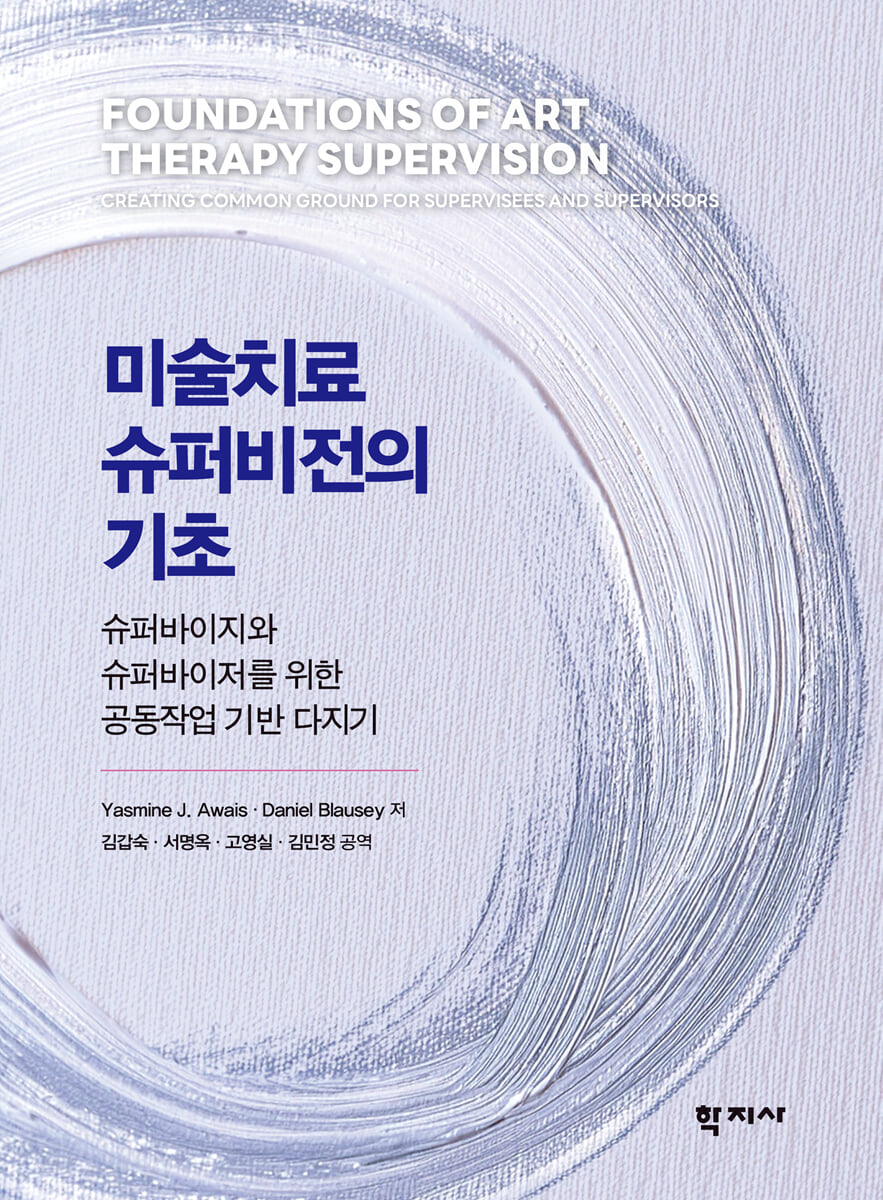
The Basics of Art Therapy Supervision
 |
Description
Book Introduction
"Fundamentals of Art Therapy Supervision" is a reference book for art therapists who have taken on the role of supervisor without prior training and for supervisors who want to learn what to expect in the supervision relationship. It explains how to give and receive clinical art therapy supervision.
Written by two art therapists with over 35 years of supervision experience, this new resource includes a framework for providing effective supervision in the classroom and field, case studies and art-based supervision exercises, and guidance for new professionals seeking certification or licensure.
Each chapter weaves together the author's supervision experiences with a critical literature review and includes explanations of how professional identity (art therapist, psychotherapist, counselor, supervisor, supervisee, administrator, educator, etc.) and personal identity (gender, race, sexual orientation, etc.) influence supervision and therapeutic relationships.
Written by two art therapists with over 35 years of supervision experience, this new resource includes a framework for providing effective supervision in the classroom and field, case studies and art-based supervision exercises, and guidance for new professionals seeking certification or licensure.
Each chapter weaves together the author's supervision experiences with a critical literature review and includes explanations of how professional identity (art therapist, psychotherapist, counselor, supervisor, supervisee, administrator, educator, etc.) and personal identity (gender, race, sexual orientation, etc.) influence supervision and therapeutic relationships.
index
Translator's Preface
Recommendation
Author's Preface
Acknowledgements
People who helped
About this book
Part 1: How to Make the Most of Supervision
Chapter 1: What is Art Therapy Supervision? Necessity and Expectations
Chapter 2: What Supervisors Need to Know About Supervision
Chapter 3: What Supervisors Need to Know About Supervision
Management and Administration for Part 2 Supervision
Chapter 4: Exploring Professional Identity: Credentials, Representation, and Relationships
Chapter 5 Confidentiality and Prior Consent
Accepting and Studying the Differences of the Three Parts
Chapter 6: Racial, Ethnic, and Sociocultural Differences Between Supervisors, Supervisees, and Clients
Chapter 7: Differences in Discipline: When the Supervisor is Not an Art Therapist
Chapter 8: Disciplinary Differences: When the Supervisor Is Not an Art Therapist
Part 4: Regions, Places, and Spaces: The Organizational Form of Supervision
Chapter 9: Individual Supervision and 1:2 Supervision
Chapter 10 Group Supervision
Chapter 11 Remote Supervision
Appendix A: Course Notes
Appendix B: Case Presentation Guidelines for Group Supervision
Appendix C: Disclosure Statement
Appendix D: Supervision Disclosure Form
Appendix E: Consent for Use of Works
Appendix F: Guidelines for Providing Case Presentation Feedback in Group Supervision
Appendix G: Color Works 1–10
Key Terms
Search
Recommendation
Author's Preface
Acknowledgements
People who helped
About this book
Part 1: How to Make the Most of Supervision
Chapter 1: What is Art Therapy Supervision? Necessity and Expectations
Chapter 2: What Supervisors Need to Know About Supervision
Chapter 3: What Supervisors Need to Know About Supervision
Management and Administration for Part 2 Supervision
Chapter 4: Exploring Professional Identity: Credentials, Representation, and Relationships
Chapter 5 Confidentiality and Prior Consent
Accepting and Studying the Differences of the Three Parts
Chapter 6: Racial, Ethnic, and Sociocultural Differences Between Supervisors, Supervisees, and Clients
Chapter 7: Differences in Discipline: When the Supervisor is Not an Art Therapist
Chapter 8: Disciplinary Differences: When the Supervisor Is Not an Art Therapist
Part 4: Regions, Places, and Spaces: The Organizational Form of Supervision
Chapter 9: Individual Supervision and 1:2 Supervision
Chapter 10 Group Supervision
Chapter 11 Remote Supervision
Appendix A: Course Notes
Appendix B: Case Presentation Guidelines for Group Supervision
Appendix C: Disclosure Statement
Appendix D: Supervision Disclosure Form
Appendix E: Consent for Use of Works
Appendix F: Guidelines for Providing Case Presentation Feedback in Group Supervision
Appendix G: Color Works 1–10
Key Terms
Search
Publisher's Review
Art therapy that goes beyond artistic activities and contributes to psychological healing and personal growth.
This book is a reference guide for art therapists who have taken on the role of supervisor without prior training and for supervisors who want to learn what to expect in the supervision relationship, and explains how to give and receive clinical art therapy supervision.
Written by two art therapists with over 35 years of supervision experience, this new resource includes a framework for providing effective supervision in the classroom and field, case studies and art-based supervision exercises, and guidance for new professionals seeking certification or licensure.
Each chapter weaves together the author's supervision experiences with a critical literature review and includes explanations of how professional identity (art therapist, psychotherapist, counselor, supervisor, supervisee, administrator, educator, etc.) and personal identity (gender, race, sexual orientation, etc.) influence supervision and therapeutic relationships.
Part 1 provides useful information for therapists who have not previously received supervision training or who want to learn what to expect in a supervision relationship.
It effectively explains how to provide and receive clinical art therapy supervision, and also covers interdisciplinary art therapy supervision and various art therapy supervision models.
It also explains how professional identity (art therapist, psychotherapist, counselor, etc.) and personal identity (gender, race, sexual orientation, etc.) influence supervision relationships.
Part 2 delves into ethical issues and administrative management in art therapy supervision.
Legal issues, confidentiality, and dual relationships that may arise during the supervision process are important factors that art therapists must consider.
Especially in art therapy, since the work created by the client is a key element of the treatment process, understanding the sharing, storage, and legal responsibilities of the work is essential.
This book provides practical advice on these topics and details how to apply ethical standards in the supervision process.
Part 3 highlights how to respect diversity and differences in supervision relationships.
It includes a discussion of how supervisors and supervisees can recognize and reconcile their respective social identities and backgrounds, and explores how various factors, such as race, gender, sexual orientation, and socioeconomic status, impact the supervision process.
This helps ensure that supervision is not simply a process of guidance or feedback, but rather an opportunity for growth based on mutual respect and understanding.
In Part 4, two authors with over 35 years of supervision experience present a practical framework for providing effective supervision in both academic and clinical settings.
Incorporating case studies and art-based supervision exercises, it provides a useful guide for both entry-level professionals and those seeking qualifications in art therapy and counseling.
This book is a reference guide for art therapists who have taken on the role of supervisor without prior training and for supervisors who want to learn what to expect in the supervision relationship, and explains how to give and receive clinical art therapy supervision.
Written by two art therapists with over 35 years of supervision experience, this new resource includes a framework for providing effective supervision in the classroom and field, case studies and art-based supervision exercises, and guidance for new professionals seeking certification or licensure.
Each chapter weaves together the author's supervision experiences with a critical literature review and includes explanations of how professional identity (art therapist, psychotherapist, counselor, supervisor, supervisee, administrator, educator, etc.) and personal identity (gender, race, sexual orientation, etc.) influence supervision and therapeutic relationships.
Part 1 provides useful information for therapists who have not previously received supervision training or who want to learn what to expect in a supervision relationship.
It effectively explains how to provide and receive clinical art therapy supervision, and also covers interdisciplinary art therapy supervision and various art therapy supervision models.
It also explains how professional identity (art therapist, psychotherapist, counselor, etc.) and personal identity (gender, race, sexual orientation, etc.) influence supervision relationships.
Part 2 delves into ethical issues and administrative management in art therapy supervision.
Legal issues, confidentiality, and dual relationships that may arise during the supervision process are important factors that art therapists must consider.
Especially in art therapy, since the work created by the client is a key element of the treatment process, understanding the sharing, storage, and legal responsibilities of the work is essential.
This book provides practical advice on these topics and details how to apply ethical standards in the supervision process.
Part 3 highlights how to respect diversity and differences in supervision relationships.
It includes a discussion of how supervisors and supervisees can recognize and reconcile their respective social identities and backgrounds, and explores how various factors, such as race, gender, sexual orientation, and socioeconomic status, impact the supervision process.
This helps ensure that supervision is not simply a process of guidance or feedback, but rather an opportunity for growth based on mutual respect and understanding.
In Part 4, two authors with over 35 years of supervision experience present a practical framework for providing effective supervision in both academic and clinical settings.
Incorporating case studies and art-based supervision exercises, it provides a useful guide for both entry-level professionals and those seeking qualifications in art therapy and counseling.
GOODS SPECIFICS
- Date of issue: April 30, 2025
- Format: Paperback book binding method guide
- Page count, weight, size: 368 pages | 173*235*16mm
- ISBN13: 9788999734069
- ISBN10: 8999734064
You may also like
카테고리
korean


korean

![GQ KOREA Mark (Monthly): December [2025]](http://librairie.coreenne.fr/cdn/shop/files/8ef265dbbfbf186523ed75ba7319009d.jpg?v=1765340328&width=3840)


