

Introduction to Urban Geography
 |
Description
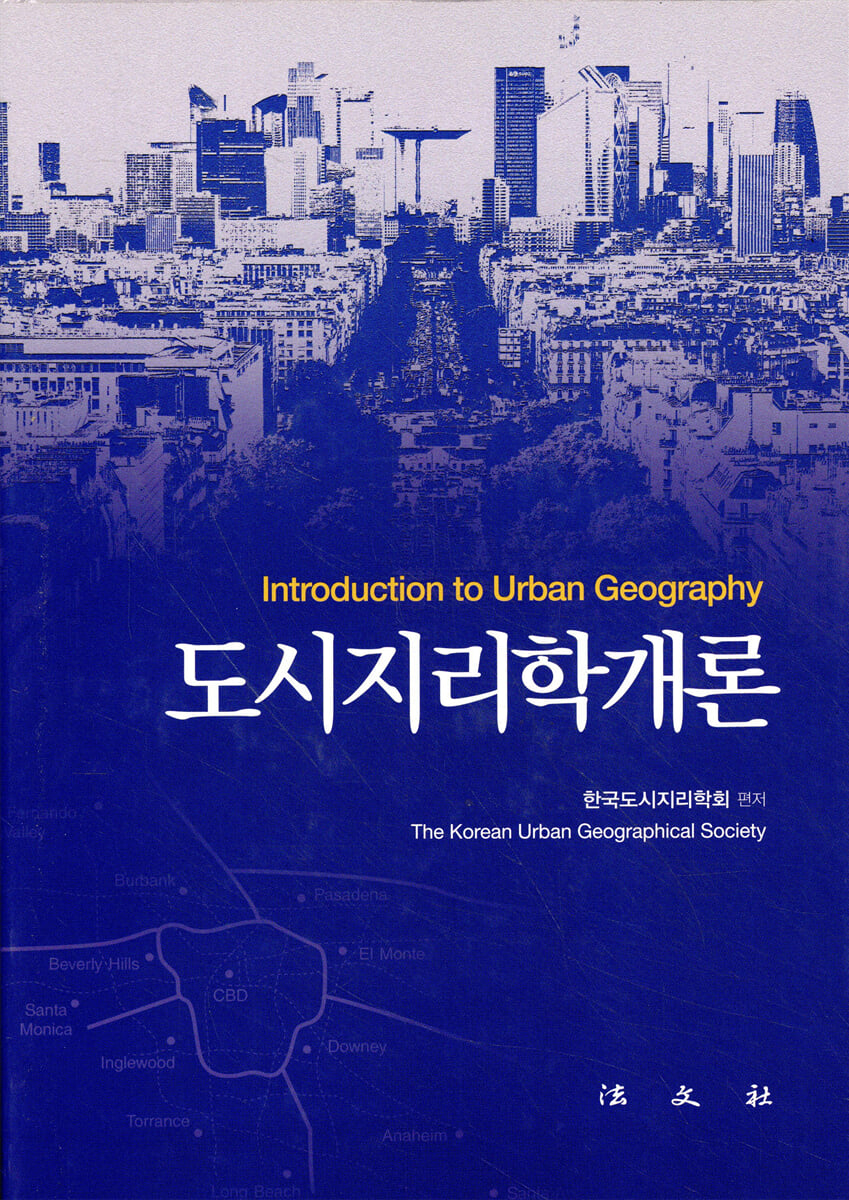
Book Introduction
This book covers not only the traditional fields of urban geography, such as urban systems theory and urban structure theory, but also the characteristics of cities in the era of the 4th Industrial Revolution, urban regeneration, urban regeneration New Deal policy, gentrification, New Urbanism, compact city, smart growth, smart downsizing, neoliberal city, postmodern city, urban entrepreneurism, social capital, urban governance, international migration and transnational urbanity, and cities and gender, which are topics related to the expansion of urban geography's areas of interest and changes in the urban environment. It covers a wide range of modern urban geography contents that reflect the various characteristics of modern cities, such as social capital, urban governance, international migration and transnational urbanity, and cities and gender, in depth and broadly over 800 pages.
index
Chapter 1: Understanding the City
Chapter 2: The History of the City
Chapter 3: The Growth and Transformation of Cities
Chapter 4: Internal Structure and Land Use of Cities
Chapter 5: Urban Hierarchy and System
Chapter 6 Urban Housing and Urban Regeneration
Chapter 7 Urban Politics and Governance
Chapter 8 Urban Economy
Chapter 9 Social Diversity of Cities
Chapter 10: Cities and Gender
Chapter 11 Urban Landscape and Architecture
Chapter 12 Sustainability of the Urban Environment
Chapter 13: Characteristics and Current Issues of Korean Cities
Chapter 14 Urban Development and Urban Policy in Korea
Chapter 15: Reflections and the Future of Korean Urban Geography
Chapter 2: The History of the City
Chapter 3: The Growth and Transformation of Cities
Chapter 4: Internal Structure and Land Use of Cities
Chapter 5: Urban Hierarchy and System
Chapter 6 Urban Housing and Urban Regeneration
Chapter 7 Urban Politics and Governance
Chapter 8 Urban Economy
Chapter 9 Social Diversity of Cities
Chapter 10: Cities and Gender
Chapter 11 Urban Landscape and Architecture
Chapter 12 Sustainability of the Urban Environment
Chapter 13: Characteristics and Current Issues of Korean Cities
Chapter 14 Urban Development and Urban Policy in Korea
Chapter 15: Reflections and the Future of Korean Urban Geography
Publisher's Review
Urban geography has expanded its research horizons to include not only urban systems and urban structures, but also urban society, urban economy, urban culture, urban politics, urban planning, and cities and gender.
This expansion of research areas has given urban geography a central position within human geography, and urban geography has the advantage of being able to address research topics from other specialized fields within human geography.
In this context, if we look at the content structure of this introductory book, it covers not only the traditional fields of urban geography, such as urban systems theory and urban structural theory, but also the characteristics of cities in the era of the 4th Industrial Revolution, urban regeneration, urban regeneration New Deal policy, gentrification, new urbanism, compact city, smart growth, smart downsizing, neoliberal city, postmodern city, urban entrepreneurism, social capital, urban governance, international migration and transnational urbanity, and cities and gender, which are topics related to the expansion of the interest areas of urban geography and changes in the urban environment. It covers modern urban geography that reflects various characteristics of modern cities in a wide and in-depth manner over approximately 800 pages.
Chapters 1 through 3, which form the introduction of this introductory book, cover understanding cities, the history of cities, and the growth and transformation of cities. Chapters 4 through 12 cover the internal structure and land use of cities, urban hierarchies and urban systems, urban housing and urban regeneration, urban politics and governance, urban economy, urban socio-spatial diversity, cities and gender, urban landscapes and architecture, and the sustainability of the urban environment. Chapters 13 through 15 cover the characteristics and current issues of Korean cities in the Korean context, Korean urban development and urban policies, and reflections on and the future of Korean urban geography.
The strength of this introductory book is that it systematically and thoroughly covers the content of modern urban geography.
This expansion of research areas has given urban geography a central position within human geography, and urban geography has the advantage of being able to address research topics from other specialized fields within human geography.
In this context, if we look at the content structure of this introductory book, it covers not only the traditional fields of urban geography, such as urban systems theory and urban structural theory, but also the characteristics of cities in the era of the 4th Industrial Revolution, urban regeneration, urban regeneration New Deal policy, gentrification, new urbanism, compact city, smart growth, smart downsizing, neoliberal city, postmodern city, urban entrepreneurism, social capital, urban governance, international migration and transnational urbanity, and cities and gender, which are topics related to the expansion of the interest areas of urban geography and changes in the urban environment. It covers modern urban geography that reflects various characteristics of modern cities in a wide and in-depth manner over approximately 800 pages.
Chapters 1 through 3, which form the introduction of this introductory book, cover understanding cities, the history of cities, and the growth and transformation of cities. Chapters 4 through 12 cover the internal structure and land use of cities, urban hierarchies and urban systems, urban housing and urban regeneration, urban politics and governance, urban economy, urban socio-spatial diversity, cities and gender, urban landscapes and architecture, and the sustainability of the urban environment. Chapters 13 through 15 cover the characteristics and current issues of Korean cities in the Korean context, Korean urban development and urban policies, and reflections on and the future of Korean urban geography.
The strength of this introductory book is that it systematically and thoroughly covers the content of modern urban geography.
GOODS SPECIFICS
- Date of publication: December 9, 2019
- Format: Hardcover book binding method guide
- Page count, weight, size: 848 pages | 170*250*40mm
- ISBN13: 9788918910574
- ISBN10: 8918910576
You may also like
카테고리
korean


korean

![ELLE 엘르 스페셜 에디션 A형 : 12월 [2025]](http://librairie.coreenne.fr/cdn/shop/files/b8e27a3de6c9538896439686c6b0e8fb.jpg?v=1766436872&width=3840)


