

SAP ERP Management
 |
Description
Book Introduction
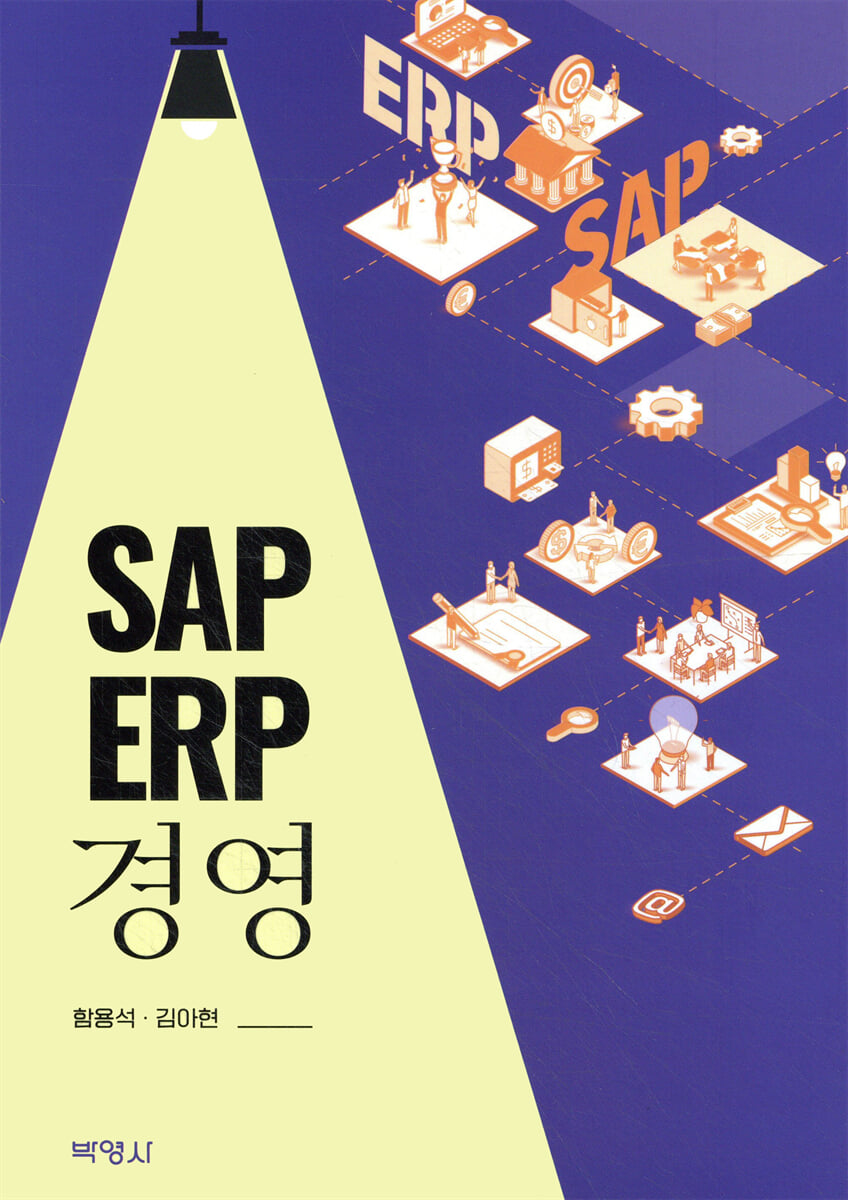
This book is intended for students who are learning SAP ERP for the first time, and is designed to be of practical help to consultants and internal users who utilize SAP ERP in practice.
In addition, it includes various cases that may arise in practice as well as the basic concepts of SAP ERP, allowing for a more realistic approach.
Many companies are considering introducing an ERP system, but prior preparation is necessary for successful introduction. This book organizes the elements that companies preparing to introduce ERP must check and provides practical guidance.
In addition, it includes various cases that may arise in practice as well as the basic concepts of SAP ERP, allowing for a more realistic approach.
Many companies are considering introducing an ERP system, but prior preparation is necessary for successful introduction. This book organizes the elements that companies preparing to introduce ERP must check and provides practical guidance.
- You can preview some of the book's contents.
Preview
index
CHAPTER 01 Enterprises and ERP
01 Enterprise and System 2
1.1 What is a company?
1.2 What is a system?
02 Factors affecting the business environment
03 Technological change factors
04 The emergence of ERP
05 ERP Concept
06 ERP Development Process
6.1 MRP
6.2 MRPⅡ
6.3 CIM
6.4 ERP
6.5 Extensible ERP
07 ERP Features
7.1 Support for various industries
7.2 Optimizing overall operations through distributed and integrated support
08 Examples of ERP Integration
09 Advantages and Features of ERP
9.1 Support for various industries
9.2 Optimizing overall operations through distributed and integrated support
9.3 System configuration for parameter change method
9.4 Support for modifications and changes to packages
9.5 Support for business redesign and management innovation
9.6 Simulation
9.7 Modern Computers and Information Technology
CHAPTER 02 SAP ERP Configuration and Module-Specific Characteristics
01 Module configuration of SAP ERP
02 SAP ERP basic process overview and module configuration
03 Sales & Distribution Module (SD)
04 Material Management Module (MM)
05 Production Management Module (PP: Production Planning)
06 Logistics Management Module (LM)
07 Financial Accounting Module (FI)
08 Management Accounting Module (CO: Controlling)
09 Other modules
9.1 Treasury Management (TR) Module
9.2 Plant Maintenance (PM) Module
9.3 Human Resource Management (HRM) Module
9.4 Quality Management (QM) Module
CHAPTER 03 Expandable ERP
01 Customer Relationship Management (CRM)
1.1 CRM Concept
1.2 e-CRM
1.3 Case: Olive Young
02 Supplier Relationship Management (SRM)
2.1 The concept of SRM
2.2 Example: NIKE
03 Optimal Supply Chain Planning System
(APS: Advanced Planning & Scheduling)
3.1 APS Concept
3.2 Features of APS
3.3 Example: TOYOTA
04 Product Data Management (PDM) and Product Life Cycle (PLC)
4.1 Concept of Product Information Management
4.2 Product Life Cycle Concept
4.3 Changes in the product life cycle
4.4 Purpose of Product Life Cycle Management
4.5 Relationship between Product Information Management and Product Life Cycle
4.6 Product Information Management and Product Life Cycle Examples
05 Strategic Enterprise Management (SEM) 91
5.1 Balanced Performance Indicators
5.2 Example of a value chain and key performance indicators
5.3 Development of SEM
06 Other expansion modules
6.1 Knowledge Management (KM)
6.2 Warehouse Management System (WMS)
6.3 Master Data Management (MDM)
6.4 Optimization Solution (APO: Advanced Planner & Optimizer)
6.5 Manufacturing Execution System (MES)
6.6 Logistics Execution Solution (LES)
CHAPTER 04 ERP Implementation Methodology
01 ERP System Construction Stage
1.1 Initiation Stage
1.2 Analysis Stage
1.3 Design phase
1.4 Construction Phase
1.5 Implementation Stage
02 Key Issues and Considerations
2.1 Things to consider when implementing ERP
2.2 Step-by-step ERP implementation strategy
2.3 Factors causing ERP failure
CHAPTER 05 Key Features of the Sales/Distribution Module
01 Basic understanding of the sales/distribution module
1.1 Sales/Distribution Module Keywords
02 Sales/Distribution Module Detailed Activities
2.1 Sales Plan
2.2 Sales support activities
2.3 Sales order processing and inventory procurement
2.4 Delivery
2.5 Billing
2.6 Debt Repayment
03 The entire process of the sales/distribution module
3.1 Order Processing
3.2 Shipping/Delivery and Transportation Management
3.3 Billing and Sales Management
04 Features and Benefits of the Sales/Distribution Module
4.1 Organizational Structure
4.2 Master Data Overview
4.3 Advantages of SD Module
CHAPTER 06 Key Functions of the Materials Management Module
01 Basic Understanding of the Materials Management Module
1.1 Material Management Module Keywords
02 Material Management Module Detailed Activities
2.1 Overview of the Materials Management Module
2.2 Material Requirements Planning
2.3 Purchasing Management
2.4 Inspection and receipt processing
2.5 Invoice Verification
03 Overall process of the material management module
3.1 Determining Purchase Quantity
3.2 Purchase Order Management
3.3 Invoice Verification
04 Features and Benefits of the Materials Management Module
4.1 Organizational Structure
4.2 Master Data Overview
Advantages of 4.3 MM modules
CHAPTER 07 Key Functions of the Production Management Module
01 Basic Understanding of the Production Management Module
1.1 Production Management Module Keywords
02 Production Management Module Detailed Activities
2.1 Demand Forecasting
2.2 Bill of Materials (BOM)
2.3 Production plan establishment and standard production plan
2.4 Routing/Work Space
2.5 Production Strategy
2.6 Quality Control
03 Overall process of the production management module
3.1 Production Plan
3.2 Production Execution
04 Features and Benefits of the Production Management Module
4.1 Organizational Structure
4.2 Master Data Overview
4.3 Advantages of PP modules
CHAPTER 08 Key Functions of the Logistics Management Module
01 Basic Understanding of the Logistics Management Module
1.1 Logistics Management Module Keywords
02 Logistics Management Module Detailed Activities
2.1 Supply Chain Inventory Replenishment Techniques
2.2 Inventory Management
2.3 Warehouse Management
2.4 Inventory Assets
2.5 Transportation Management
03 Overall process of the logistics management module
3.1 Supply Chain Management Operation (Receiving)
3.2 Supply Chain Management Operations (Shipping)
04 Features and Benefits of the Logistics Management Module
4.1 Organizational Structure
4.2 Master Data Overview
4.3 Advantages of LM modules
CHAPTER 09 Key Functions of the Management Accounting Module
01 Basic Understanding of Management Accounting Module
1.1 Management Accounting Module Keywords
02 Management Accounting Module Detailed Activities
2.1 Manufacturing cost
2.2 Manufacturing Cost Management
2.3 Analysis of differences by cost element
2.4 Indirect costs
03 Overall process of the management accounting module
3.1 Connectivity with the Production Management Module
04 Features and Benefits of the Management Accounting Module
4.1 Organizational Structure
4.2 Master Data Overview
4.3 Advantages of CO modules
CHAPTER 10 KEY FUNCTIONS OF THE FINANCIAL ACCOUNTING MODULE
01 Basic Understanding of the Financial Accounting Module
1.1 Financial Accounting Module Keywords
02 Financial Accounting Module Detailed Activities
2.1 Sales Process (Accounts Receivable, Accounts Receivable)
2.2 Purchase Process (Accounts Payable, Accounts Payable)
03 The entire process of the financial accounting module
3.1 Connectivity with the Sales/Distribution Module
3.2 Connectivity with the Materials Management Module
3.3 Connectivity with logistics-related modules
3.4 Connectivity with Management Accounting Module
3.5 Other (automatic creation of a list of items to be shipped and a list of items to be billed after processing a sales order)
04 Features and Benefits of the Financial Accounting Module
4.1 Organizational Structure
4.2 Master Data Overview
4.3 Advantages of the FI Module
CHAPTER 11: Process Innovation and Change Management Cases Through ERP
01 Process Innovation Case Study of Amazon, an Online E-Commerce Company
1.1 ERP Project Implementation Process
1.2 Process Innovation Process
1.3 Effects of ERP Implementation
02 Case Study of Responsible Management through Hankook Tire's ERP
2.1 Company Introduction
2.2 ERP and Extended ERP Implementation Contents
2.3 The Effects of ERP and Extended ERP
2.4 Change Management in the SEM Introduction Process
03 Case Study of Nike's Process Innovation in Sports Manufacturing
3.1 ERP Project Implementation Schedule
3.2 Process Innovation Process
3.3 Effects of ERP Implementation
04 Mini Case Study on Change Management During ERP Implementation
4.1 Volvo Construction Equipment Korea's Change Management Case
4.2 Dongbu Steel's Change Management Case
01 Enterprise and System 2
1.1 What is a company?
1.2 What is a system?
02 Factors affecting the business environment
03 Technological change factors
04 The emergence of ERP
05 ERP Concept
06 ERP Development Process
6.1 MRP
6.2 MRPⅡ
6.3 CIM
6.4 ERP
6.5 Extensible ERP
07 ERP Features
7.1 Support for various industries
7.2 Optimizing overall operations through distributed and integrated support
08 Examples of ERP Integration
09 Advantages and Features of ERP
9.1 Support for various industries
9.2 Optimizing overall operations through distributed and integrated support
9.3 System configuration for parameter change method
9.4 Support for modifications and changes to packages
9.5 Support for business redesign and management innovation
9.6 Simulation
9.7 Modern Computers and Information Technology
CHAPTER 02 SAP ERP Configuration and Module-Specific Characteristics
01 Module configuration of SAP ERP
02 SAP ERP basic process overview and module configuration
03 Sales & Distribution Module (SD)
04 Material Management Module (MM)
05 Production Management Module (PP: Production Planning)
06 Logistics Management Module (LM)
07 Financial Accounting Module (FI)
08 Management Accounting Module (CO: Controlling)
09 Other modules
9.1 Treasury Management (TR) Module
9.2 Plant Maintenance (PM) Module
9.3 Human Resource Management (HRM) Module
9.4 Quality Management (QM) Module
CHAPTER 03 Expandable ERP
01 Customer Relationship Management (CRM)
1.1 CRM Concept
1.2 e-CRM
1.3 Case: Olive Young
02 Supplier Relationship Management (SRM)
2.1 The concept of SRM
2.2 Example: NIKE
03 Optimal Supply Chain Planning System
(APS: Advanced Planning & Scheduling)
3.1 APS Concept
3.2 Features of APS
3.3 Example: TOYOTA
04 Product Data Management (PDM) and Product Life Cycle (PLC)
4.1 Concept of Product Information Management
4.2 Product Life Cycle Concept
4.3 Changes in the product life cycle
4.4 Purpose of Product Life Cycle Management
4.5 Relationship between Product Information Management and Product Life Cycle
4.6 Product Information Management and Product Life Cycle Examples
05 Strategic Enterprise Management (SEM) 91
5.1 Balanced Performance Indicators
5.2 Example of a value chain and key performance indicators
5.3 Development of SEM
06 Other expansion modules
6.1 Knowledge Management (KM)
6.2 Warehouse Management System (WMS)
6.3 Master Data Management (MDM)
6.4 Optimization Solution (APO: Advanced Planner & Optimizer)
6.5 Manufacturing Execution System (MES)
6.6 Logistics Execution Solution (LES)
CHAPTER 04 ERP Implementation Methodology
01 ERP System Construction Stage
1.1 Initiation Stage
1.2 Analysis Stage
1.3 Design phase
1.4 Construction Phase
1.5 Implementation Stage
02 Key Issues and Considerations
2.1 Things to consider when implementing ERP
2.2 Step-by-step ERP implementation strategy
2.3 Factors causing ERP failure
CHAPTER 05 Key Features of the Sales/Distribution Module
01 Basic understanding of the sales/distribution module
1.1 Sales/Distribution Module Keywords
02 Sales/Distribution Module Detailed Activities
2.1 Sales Plan
2.2 Sales support activities
2.3 Sales order processing and inventory procurement
2.4 Delivery
2.5 Billing
2.6 Debt Repayment
03 The entire process of the sales/distribution module
3.1 Order Processing
3.2 Shipping/Delivery and Transportation Management
3.3 Billing and Sales Management
04 Features and Benefits of the Sales/Distribution Module
4.1 Organizational Structure
4.2 Master Data Overview
4.3 Advantages of SD Module
CHAPTER 06 Key Functions of the Materials Management Module
01 Basic Understanding of the Materials Management Module
1.1 Material Management Module Keywords
02 Material Management Module Detailed Activities
2.1 Overview of the Materials Management Module
2.2 Material Requirements Planning
2.3 Purchasing Management
2.4 Inspection and receipt processing
2.5 Invoice Verification
03 Overall process of the material management module
3.1 Determining Purchase Quantity
3.2 Purchase Order Management
3.3 Invoice Verification
04 Features and Benefits of the Materials Management Module
4.1 Organizational Structure
4.2 Master Data Overview
Advantages of 4.3 MM modules
CHAPTER 07 Key Functions of the Production Management Module
01 Basic Understanding of the Production Management Module
1.1 Production Management Module Keywords
02 Production Management Module Detailed Activities
2.1 Demand Forecasting
2.2 Bill of Materials (BOM)
2.3 Production plan establishment and standard production plan
2.4 Routing/Work Space
2.5 Production Strategy
2.6 Quality Control
03 Overall process of the production management module
3.1 Production Plan
3.2 Production Execution
04 Features and Benefits of the Production Management Module
4.1 Organizational Structure
4.2 Master Data Overview
4.3 Advantages of PP modules
CHAPTER 08 Key Functions of the Logistics Management Module
01 Basic Understanding of the Logistics Management Module
1.1 Logistics Management Module Keywords
02 Logistics Management Module Detailed Activities
2.1 Supply Chain Inventory Replenishment Techniques
2.2 Inventory Management
2.3 Warehouse Management
2.4 Inventory Assets
2.5 Transportation Management
03 Overall process of the logistics management module
3.1 Supply Chain Management Operation (Receiving)
3.2 Supply Chain Management Operations (Shipping)
04 Features and Benefits of the Logistics Management Module
4.1 Organizational Structure
4.2 Master Data Overview
4.3 Advantages of LM modules
CHAPTER 09 Key Functions of the Management Accounting Module
01 Basic Understanding of Management Accounting Module
1.1 Management Accounting Module Keywords
02 Management Accounting Module Detailed Activities
2.1 Manufacturing cost
2.2 Manufacturing Cost Management
2.3 Analysis of differences by cost element
2.4 Indirect costs
03 Overall process of the management accounting module
3.1 Connectivity with the Production Management Module
04 Features and Benefits of the Management Accounting Module
4.1 Organizational Structure
4.2 Master Data Overview
4.3 Advantages of CO modules
CHAPTER 10 KEY FUNCTIONS OF THE FINANCIAL ACCOUNTING MODULE
01 Basic Understanding of the Financial Accounting Module
1.1 Financial Accounting Module Keywords
02 Financial Accounting Module Detailed Activities
2.1 Sales Process (Accounts Receivable, Accounts Receivable)
2.2 Purchase Process (Accounts Payable, Accounts Payable)
03 The entire process of the financial accounting module
3.1 Connectivity with the Sales/Distribution Module
3.2 Connectivity with the Materials Management Module
3.3 Connectivity with logistics-related modules
3.4 Connectivity with Management Accounting Module
3.5 Other (automatic creation of a list of items to be shipped and a list of items to be billed after processing a sales order)
04 Features and Benefits of the Financial Accounting Module
4.1 Organizational Structure
4.2 Master Data Overview
4.3 Advantages of the FI Module
CHAPTER 11: Process Innovation and Change Management Cases Through ERP
01 Process Innovation Case Study of Amazon, an Online E-Commerce Company
1.1 ERP Project Implementation Process
1.2 Process Innovation Process
1.3 Effects of ERP Implementation
02 Case Study of Responsible Management through Hankook Tire's ERP
2.1 Company Introduction
2.2 ERP and Extended ERP Implementation Contents
2.3 The Effects of ERP and Extended ERP
2.4 Change Management in the SEM Introduction Process
03 Case Study of Nike's Process Innovation in Sports Manufacturing
3.1 ERP Project Implementation Schedule
3.2 Process Innovation Process
3.3 Effects of ERP Implementation
04 Mini Case Study on Change Management During ERP Implementation
4.1 Volvo Construction Equipment Korea's Change Management Case
4.2 Dongbu Steel's Change Management Case
Publisher's Review
As global competition intensifies and data-driven decision-making becomes essential, companies require sophisticated management systems. SAP ERP is a key tool that helps companies efficiently manage resources and maintain competitiveness amidst these changes.
This book covers in detail the role that SAP ERP plays in business management and how it can be utilized.
Enterprise Resource Planning (ERP) is an information system that integrates and operates various business processes within a single system. SAP ERP is the most widely used solution among them, connecting all departments within a company and enabling real-time data sharing through modules such as Sales/Distribution (SD), Materials (MM), Production (PP), Logistics (LM), Management Accounting (CO), and Financial Accounting (FI). While SAP ERP offers powerful functionality, its extensive system structure and complex settings can be challenging for beginners.
The authors wrote this book to help you understand and utilize SAP ERP more easily.
This book will be a useful guide for readers who are new to SAP ERP.
This book is intended for students who are learning SAP ERP for the first time, and is designed to be of practical help to consultants and internal users who utilize SAP ERP in practice.
In addition, it includes not only the basic concepts of SAP ERP but also various cases that may arise in practice, allowing for a more realistic approach.
Many companies are considering introducing an ERP system, but prior preparation is necessary for successful implementation. This book organizes the elements that companies preparing to introduce ERP must check and provides practical guidance.
SAP ERP is more than just software; it's a crucial tool that can help businesses manage more efficiently and strengthen their competitiveness.
I hope that this book will help readers easily understand SAP ERP and effectively utilize it in their work.
Finally, I would like to express my gratitude to everyone who helped make this book possible.
Authors: Ham Yong-seok and Kim Ah-hyeon
This book covers in detail the role that SAP ERP plays in business management and how it can be utilized.
Enterprise Resource Planning (ERP) is an information system that integrates and operates various business processes within a single system. SAP ERP is the most widely used solution among them, connecting all departments within a company and enabling real-time data sharing through modules such as Sales/Distribution (SD), Materials (MM), Production (PP), Logistics (LM), Management Accounting (CO), and Financial Accounting (FI). While SAP ERP offers powerful functionality, its extensive system structure and complex settings can be challenging for beginners.
The authors wrote this book to help you understand and utilize SAP ERP more easily.
This book will be a useful guide for readers who are new to SAP ERP.
This book is intended for students who are learning SAP ERP for the first time, and is designed to be of practical help to consultants and internal users who utilize SAP ERP in practice.
In addition, it includes not only the basic concepts of SAP ERP but also various cases that may arise in practice, allowing for a more realistic approach.
Many companies are considering introducing an ERP system, but prior preparation is necessary for successful implementation. This book organizes the elements that companies preparing to introduce ERP must check and provides practical guidance.
SAP ERP is more than just software; it's a crucial tool that can help businesses manage more efficiently and strengthen their competitiveness.
I hope that this book will help readers easily understand SAP ERP and effectively utilize it in their work.
Finally, I would like to express my gratitude to everyone who helped make this book possible.
Authors: Ham Yong-seok and Kim Ah-hyeon
GOODS SPECIFICS
- Date of issue: March 7, 2025
- Page count, weight, size: 408 pages | 176*248*30mm
- ISBN13: 9791130321677
- ISBN10: 1130321673
You may also like
카테고리
korean


korean

![ELLE 엘르 스페셜 에디션 A형 : 12월 [2025]](http://librairie.coreenne.fr/cdn/shop/files/b8e27a3de6c9538896439686c6b0e8fb.jpg?v=1766436872&width=3840)


