

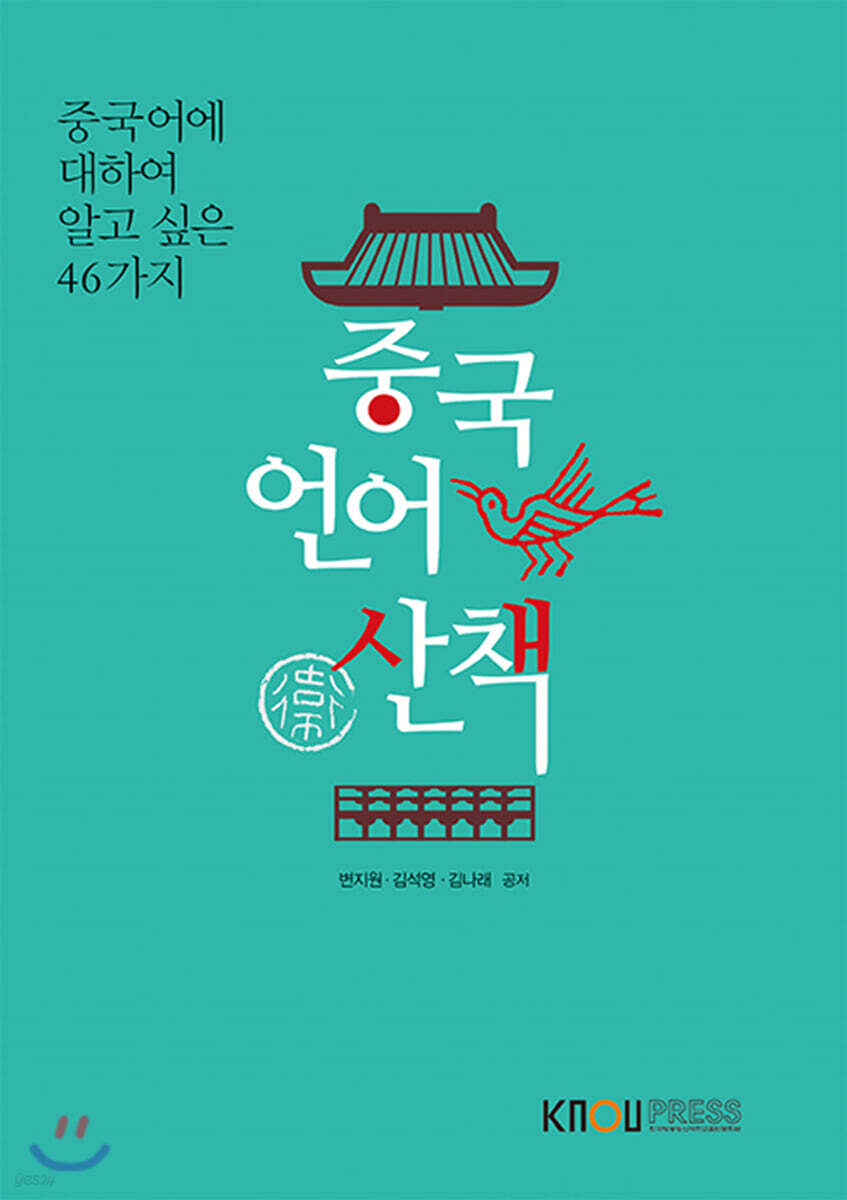
Chinese Language Walk
 |
Description
Book Introduction
This book is a general Chinese language guide for those who do not know Chinese, and is a basic introductory book for learning Chinese.
The Chinese language is not synonymous with Chinese.
Putonghua (普通?), the standard Chinese language that can be learned in Chinese language classes, is one of the Chinese languages.
The Chinese language is much more diverse and complex than this, but the more you learn about it, the more familiar it becomes to Koreans.
The three authors classified approximately 800 questions asked by students while teaching Introduction to Chinese Language or Chinese Culture courses at a general four-year university.
There seemed to be many different types of questions, but they could be categorized into a few, and that became the starting point for this book.
Many people have many beginner questions about the Chinese language, but don't know where to go or who to ask.
The question may seem basic, but it actually contains a great story.
I hope this course will help you get closer to, yet deeper into, the vibrant China.
Furthermore, I hope that this will contribute to understanding the true nature of China and its long-standing relationship with Korea, and that this will serve as a foundation for building a stronger future relationship.
The Chinese language is not synonymous with Chinese.
Putonghua (普通?), the standard Chinese language that can be learned in Chinese language classes, is one of the Chinese languages.
The Chinese language is much more diverse and complex than this, but the more you learn about it, the more familiar it becomes to Koreans.
The three authors classified approximately 800 questions asked by students while teaching Introduction to Chinese Language or Chinese Culture courses at a general four-year university.
There seemed to be many different types of questions, but they could be categorized into a few, and that became the starting point for this book.
Many people have many beginner questions about the Chinese language, but don't know where to go or who to ask.
The question may seem basic, but it actually contains a great story.
I hope this course will help you get closer to, yet deeper into, the vibrant China.
Furthermore, I hope that this will contribute to understanding the true nature of China and its long-standing relationship with Korea, and that this will serve as a foundation for building a stronger future relationship.
index
Part 1: The Chinese Language and the Structure of the Chinese Language
Chapter 1: What is Chinese?
1.1.
How much does 'Chinese' cost?
1.2.
Is Chinese an imaginary language?
1.3.
Aren't all Chinese the same?
Chapter 2: Language Distribution in China
2.1.
If you know Chinese characters, will you be able to speak Chinese naturally?
2.2.
How many languages are there in China?
2.3.
How many Hanyu dialects are there in China?
2.4.
How well do Beijingers understand Hong Kongers?
Chapter 3 Word Formation and Structure
3.1.
What is the difference between morphemes and words?
3.2.
How are Chinese words composed?
3.3.
Is there a word like 'eomchin-ah' in Chinese?
Chapter 4 Types and Changes of Vocabulary
4.1.
What is Chinese vocabulary?
4.2.
What is the Chinese word for dragon head and snake tail?
4.3.
How do you say 'fake' in Chinese?
Chapter 5: The Linguistic System of Chinese
5.1.
Does Chinese have grammar?
5.2.
What does Chinese say first?
5.3.
Can I call you 'you(?)'?
Part 2: Use of the Chinese Language
Chapter 6: Linguistic Exchange in Chinese
6.1.
Are there many loanwords in Old Chinese?
6.2.
Has Chinese also been greatly influenced by Japanese?
6.3.
Even in Chinese hospitals, CT is called CT.
Chapter 7: Various Chinese Sounds
7.1.
Chinese, how to pronounce it
7.2.
Can you tell me the pronunciation of old Chinese?
7.3.
Are you talking about the 'head' or the 'hand'?
Chapter 8: Chinese Society Seen Through Language
8.1.
Is communication between Chinese people like a dream?
8.2.
Are there status differences in language?
Chapter 9: Chinese Language in Sino-Korean Relations
9.1.
Are Zhou Enlai and Zhou Enlai the same person or different?
9.2.
Mr. Kim's reasonable defense
9.3.
Where is the Chinese language rooted?
Chapter 10: Language Reform in China
10.1.
Why did the Chinese try to eliminate Chinese characters?
10.2.
Who created the simplified Chinese characters?
10.3.
Why do Chinese and Taiwanese textbooks use different pronunciation symbols?
Part 3: Chinese Characters and Chinese Culture
Chapter 11 Understanding Chinese Characters
11.1.
Can you guess the meaning of a Chinese character by its shape?
11.2.
How was the entry order for the Beijing Olympics determined?
11.3.
Are Chinese characters just a combination of dots and lines?
11.4.
Are there six types of Chinese characters?
Chapter 12: History of Chinese Characters
12.1.
Did Chinese characters originate from hieroglyphs?
12.2.
How oracle bone script evolved into today's Chinese characters
12.3.
Is the example a 'slave's letter'?
Chapter 13: Learning Chinese and Chinese Characters
13.1.
How different are Korean, Chinese, and Japanese characters?
13.2.
Does knowing a lot of Chinese characters help you learn Chinese?
13.3.
Can you learn Chinese characters while playing?
Chapter 14: Chinese Character Art
14.1.
Is calligraphy something to be read or seen?
14.2.
All Chinese people do calligraphy
14.3.
Were Chinese characters developed for carving before they were written?
14.4.
Are Chinese characters concrete or abstract?
Chapter 15: Modern Technological Civilization and the Chinese Language
15.1.
Is Chinese a Language Unsuited to the Digital Age?
15.2.
How to do Chinese writing assignments on the computer
Search
Chapter 1: What is Chinese?
1.1.
How much does 'Chinese' cost?
1.2.
Is Chinese an imaginary language?
1.3.
Aren't all Chinese the same?
Chapter 2: Language Distribution in China
2.1.
If you know Chinese characters, will you be able to speak Chinese naturally?
2.2.
How many languages are there in China?
2.3.
How many Hanyu dialects are there in China?
2.4.
How well do Beijingers understand Hong Kongers?
Chapter 3 Word Formation and Structure
3.1.
What is the difference between morphemes and words?
3.2.
How are Chinese words composed?
3.3.
Is there a word like 'eomchin-ah' in Chinese?
Chapter 4 Types and Changes of Vocabulary
4.1.
What is Chinese vocabulary?
4.2.
What is the Chinese word for dragon head and snake tail?
4.3.
How do you say 'fake' in Chinese?
Chapter 5: The Linguistic System of Chinese
5.1.
Does Chinese have grammar?
5.2.
What does Chinese say first?
5.3.
Can I call you 'you(?)'?
Part 2: Use of the Chinese Language
Chapter 6: Linguistic Exchange in Chinese
6.1.
Are there many loanwords in Old Chinese?
6.2.
Has Chinese also been greatly influenced by Japanese?
6.3.
Even in Chinese hospitals, CT is called CT.
Chapter 7: Various Chinese Sounds
7.1.
Chinese, how to pronounce it
7.2.
Can you tell me the pronunciation of old Chinese?
7.3.
Are you talking about the 'head' or the 'hand'?
Chapter 8: Chinese Society Seen Through Language
8.1.
Is communication between Chinese people like a dream?
8.2.
Are there status differences in language?
Chapter 9: Chinese Language in Sino-Korean Relations
9.1.
Are Zhou Enlai and Zhou Enlai the same person or different?
9.2.
Mr. Kim's reasonable defense
9.3.
Where is the Chinese language rooted?
Chapter 10: Language Reform in China
10.1.
Why did the Chinese try to eliminate Chinese characters?
10.2.
Who created the simplified Chinese characters?
10.3.
Why do Chinese and Taiwanese textbooks use different pronunciation symbols?
Part 3: Chinese Characters and Chinese Culture
Chapter 11 Understanding Chinese Characters
11.1.
Can you guess the meaning of a Chinese character by its shape?
11.2.
How was the entry order for the Beijing Olympics determined?
11.3.
Are Chinese characters just a combination of dots and lines?
11.4.
Are there six types of Chinese characters?
Chapter 12: History of Chinese Characters
12.1.
Did Chinese characters originate from hieroglyphs?
12.2.
How oracle bone script evolved into today's Chinese characters
12.3.
Is the example a 'slave's letter'?
Chapter 13: Learning Chinese and Chinese Characters
13.1.
How different are Korean, Chinese, and Japanese characters?
13.2.
Does knowing a lot of Chinese characters help you learn Chinese?
13.3.
Can you learn Chinese characters while playing?
Chapter 14: Chinese Character Art
14.1.
Is calligraphy something to be read or seen?
14.2.
All Chinese people do calligraphy
14.3.
Were Chinese characters developed for carving before they were written?
14.4.
Are Chinese characters concrete or abstract?
Chapter 15: Modern Technological Civilization and the Chinese Language
15.1.
Is Chinese a Language Unsuited to the Digital Age?
15.2.
How to do Chinese writing assignments on the computer
Search
GOODS SPECIFICS
- Date of issue: July 25, 2020
- Page count, weight, size: 372 pages | 172*245*30mm
- ISBN13: 9788920036804
- ISBN10: 8920036802
You may also like
카테고리
korean


korean

![GQ KOREA Mark (Monthly): December [2025]](http://librairie.coreenne.fr/cdn/shop/files/8ef265dbbfbf186523ed75ba7319009d.jpg?v=1765340328&width=3840)


