

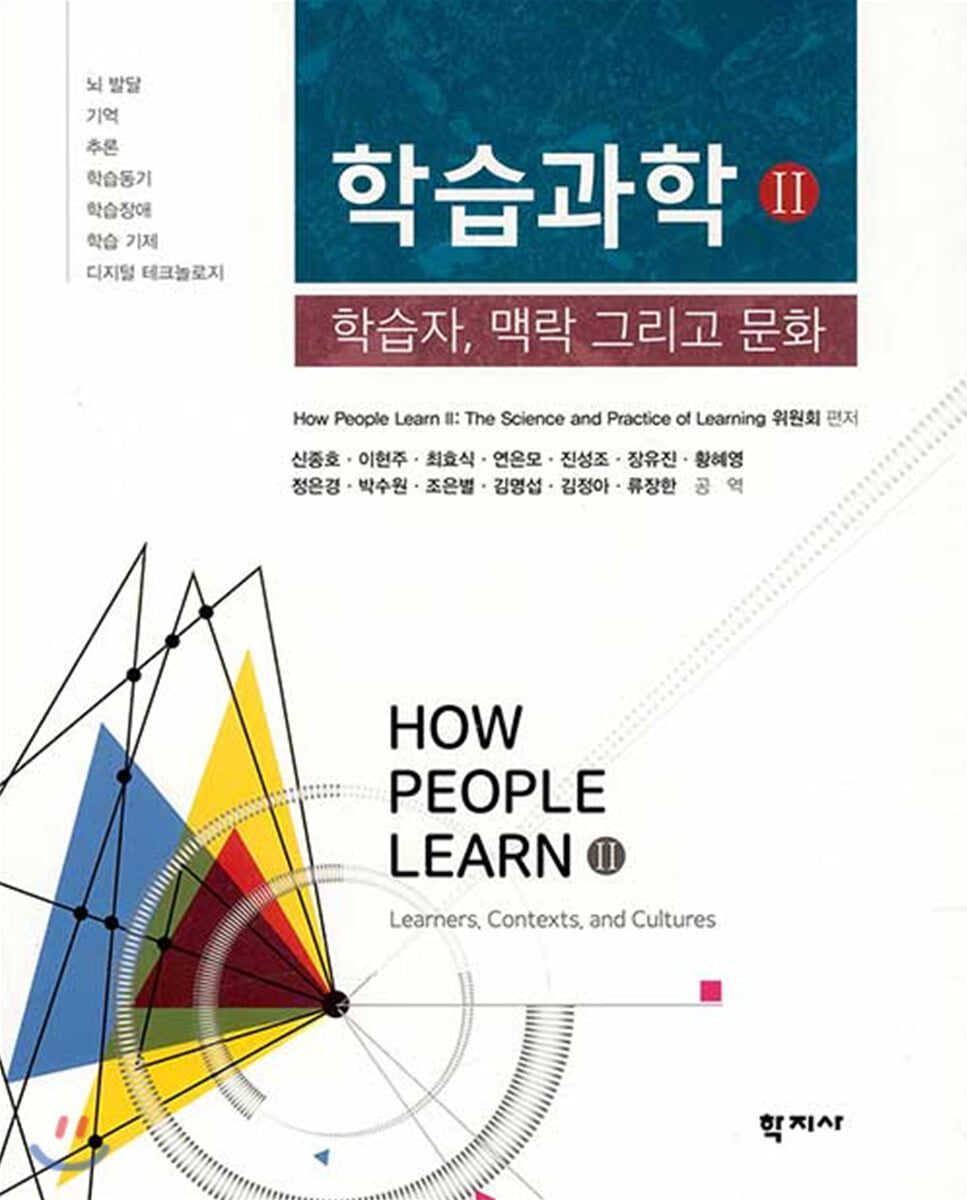
Learning Science 2
 |
Description
index
Translator's Preface
introduction
outline
Chapter 1 Introduction
1.
The role of the committee
2.
Handling of evidence
3.
Information about this report
Chapter 2 Context and Culture
1.
Cultural characteristics of learning
2.
The dynamic interplay of culture, biology, and context
3.
conclusion
Chapter 3: Types of Learning and Brain Development
1.
Types of learning
2.
Learning and the Brain
3.
conclusion
Chapter 4: Processes that Support Learning
1.
Coordinating Learning
2.
memory
3.
conclusion
Chapter 5 Knowledge and Reasoning
1.
Building a knowledge base
2.
Knowledge and expertise
3.
Knowledge integration and reasoning
4.
Learning Support Strategies
5.
conclusion
Chapter 6: Learning Motivation
1.
Theoretical perspective
2.
Learner's beliefs and values
3.
The importance of goals
4.
Social and cultural factors influencing motivation
5.
conclusion
Chapter 7: Suggestions for Learning in School
1.
School culture and learning
2.
Learning characteristics by subject area
3.
Learner engagement and empowerment
4.
Learning Assessment
5.
conclusion
Chapter 8 Digital Technology
1.
Alignment of technology and learning objectives
2.
Technology that promotes dynamic learning
3.
Technology for Professors
4.
Opportunities and Challenges
5.
conclusion
Chapter 9 Learning Across Life
1.
Changes with age
2.
learning disabilities
3.
Higher education experience
4.
human resources training
5.
Promoting lifelong learning
6.
conclusion
Chapter 10 Research Agenda
1.
The dynamic nature of learning
2.
Research agenda
Appendix A: History of HPL Research and Applications
Appendix B: Study populations in learning-related studies
References
Search
introduction
outline
Chapter 1 Introduction
1.
The role of the committee
2.
Handling of evidence
3.
Information about this report
Chapter 2 Context and Culture
1.
Cultural characteristics of learning
2.
The dynamic interplay of culture, biology, and context
3.
conclusion
Chapter 3: Types of Learning and Brain Development
1.
Types of learning
2.
Learning and the Brain
3.
conclusion
Chapter 4: Processes that Support Learning
1.
Coordinating Learning
2.
memory
3.
conclusion
Chapter 5 Knowledge and Reasoning
1.
Building a knowledge base
2.
Knowledge and expertise
3.
Knowledge integration and reasoning
4.
Learning Support Strategies
5.
conclusion
Chapter 6: Learning Motivation
1.
Theoretical perspective
2.
Learner's beliefs and values
3.
The importance of goals
4.
Social and cultural factors influencing motivation
5.
conclusion
Chapter 7: Suggestions for Learning in School
1.
School culture and learning
2.
Learning characteristics by subject area
3.
Learner engagement and empowerment
4.
Learning Assessment
5.
conclusion
Chapter 8 Digital Technology
1.
Alignment of technology and learning objectives
2.
Technology that promotes dynamic learning
3.
Technology for Professors
4.
Opportunities and Challenges
5.
conclusion
Chapter 9 Learning Across Life
1.
Changes with age
2.
learning disabilities
3.
Higher education experience
4.
human resources training
5.
Promoting lifelong learning
6.
conclusion
Chapter 10 Research Agenda
1.
The dynamic nature of learning
2.
Research agenda
Appendix A: History of HPL Research and Applications
Appendix B: Study populations in learning-related studies
References
Search
GOODS SPECIFICS
- Publication date: March 10, 2020
- Format: Hardcover book binding method guide
- Page count, weight, size: 381 pages | 874g | 195*242*30mm
- ISBN13: 9788999720758
- ISBN10: 8999720756
You may also like
카테고리
korean


korean

![ELLE 엘르 스페셜 에디션 A형 : 12월 [2025]](http://librairie.coreenne.fr/cdn/shop/files/b8e27a3de6c9538896439686c6b0e8fb.jpg?v=1766436872&width=3840)


