

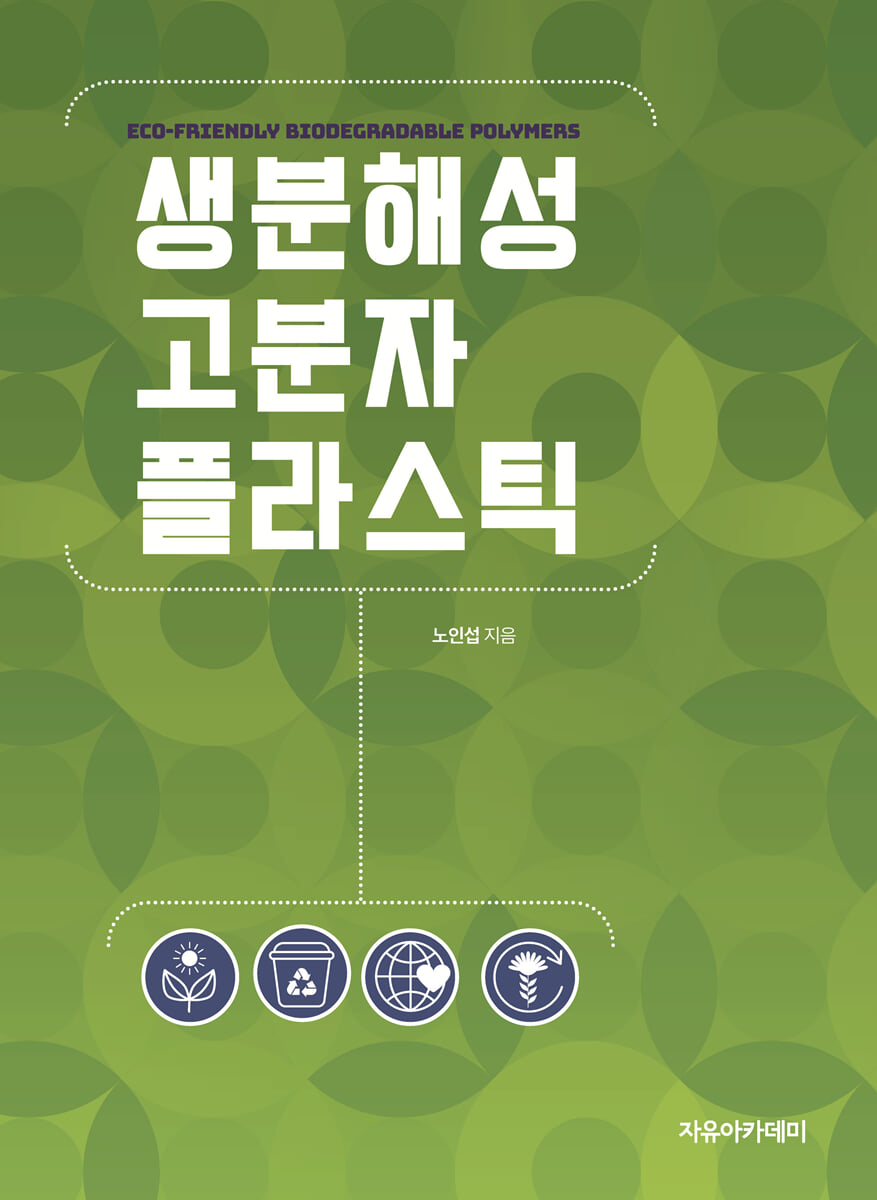
biodegradable polymer plastics
 |
Description
Book Introduction
In 『Biodegradable Polymer Plastics』, the environmental problems of plastics are discussed along with the manufacturing and use of polymer plastics, product application status, collection, composting, and recycling of plastic products.
Based on the problems of existing non-degradable polymer plastics, the recycling status of waste plastics was analyzed and bioplastics and biodegradable polymers were defined.
Based on this, the industrial necessity of biodegradable polymer plastics, classification of biodegradable polymers, synthesis methods, biodegradation mechanisms and characteristics, industrial applications, and the current status of global plastic regulations were covered.
Based on the problems of existing non-degradable polymer plastics, the recycling status of waste plastics was analyzed and bioplastics and biodegradable polymers were defined.
Based on this, the industrial necessity of biodegradable polymer plastics, classification of biodegradable polymers, synthesis methods, biodegradation mechanisms and characteristics, industrial applications, and the current status of global plastic regulations were covered.
- You can preview some of the book's contents.
Preview
index
introduction
Chapter 1 Polymer Plastics
1.
What is bioplastic?
2.
Plastic waste disposal
Chapter 2 Biodegradable Polymers: Synthesis, Degradation, and Mechanisms
1.
Biodegradable synthetic polymer/bioplastic synthesis method and biodegradation mechanism
2.
Biodegradation mechanisms of polymer plastics
3.
Biodegradability mechanisms and properties of synthetic polymer plastics
4.
Plastic biodegradation technology in the ocean
Chapter 3: Biodegradable Polysaccharide Polymers
1.
Potato-derived polymers
2.
Gellan gum
3.
Dextran
4.
Revan
5.
alginate (alginic acid)
6.
Cellulose
7.
xanthan gum
8.
Curdlan Sword
9.
Coconut-derived biodegradable polymer
10.
Fucoidan
11.
hyaluronic acid
12.
Pullulan
13.
Biodegradable polymer derived from sugarcane
14.
Biodegradable polymer derived from crustaceans (chitosan)
Chapter 4 Protein Biodegradable Polymers
1.
collagen
2.
gelatin
3.
Silk fibroin
4.
Soybean-derived biodegradable polymer
5.
polyglutamic acid
6.
Isosorbide-based biodegradable polymer (corn-derived)
Chapter 5 Ester Biodegradable Polymers
1. PBAT polymer
2. PLA polymer
3. PGA polymer
4. PLGA polymer
5. PCL polymer
6. PBS polymer
7. PHA polymer
8. PMLA polymer
Chapter 6 Plastic Decomposition
1.
introduction
2.
Plastic disposal, recycling, and decomposition methods
3.
Biodegradation of plastics by microorganisms and enzymes
4.
Plastic degradation factors by microorganisms and enzymes
5.
Decomposing plastic using cutting-edge tools
Chapter 7: Commercialization of Plastic Decomposition
1.
introduction
2.
Analysis of major companies by continent
3.
The Future of Bioplastics Companies and Markets
4.
Current status of domestic industrialization
5.
Application of Bacterial Cellulose to Biomedical Industry
6.
Degradable polymer plastic waste and microplastics
Chapter 8: Current Status and Issues of Domestic and International Regulations
1.
introduction
2.
Current Status of Domestic Regulations on Biodegradable Plastics
3.
Current Status of Overseas Regulations on Biodegradable Plastics
4.
Regulatory policies regarding testing standards
5.
Problems with Biodegradable Plastic Regulations
References
Chapter 1 Polymer Plastics
1.
What is bioplastic?
2.
Plastic waste disposal
Chapter 2 Biodegradable Polymers: Synthesis, Degradation, and Mechanisms
1.
Biodegradable synthetic polymer/bioplastic synthesis method and biodegradation mechanism
2.
Biodegradation mechanisms of polymer plastics
3.
Biodegradability mechanisms and properties of synthetic polymer plastics
4.
Plastic biodegradation technology in the ocean
Chapter 3: Biodegradable Polysaccharide Polymers
1.
Potato-derived polymers
2.
Gellan gum
3.
Dextran
4.
Revan
5.
alginate (alginic acid)
6.
Cellulose
7.
xanthan gum
8.
Curdlan Sword
9.
Coconut-derived biodegradable polymer
10.
Fucoidan
11.
hyaluronic acid
12.
Pullulan
13.
Biodegradable polymer derived from sugarcane
14.
Biodegradable polymer derived from crustaceans (chitosan)
Chapter 4 Protein Biodegradable Polymers
1.
collagen
2.
gelatin
3.
Silk fibroin
4.
Soybean-derived biodegradable polymer
5.
polyglutamic acid
6.
Isosorbide-based biodegradable polymer (corn-derived)
Chapter 5 Ester Biodegradable Polymers
1. PBAT polymer
2. PLA polymer
3. PGA polymer
4. PLGA polymer
5. PCL polymer
6. PBS polymer
7. PHA polymer
8. PMLA polymer
Chapter 6 Plastic Decomposition
1.
introduction
2.
Plastic disposal, recycling, and decomposition methods
3.
Biodegradation of plastics by microorganisms and enzymes
4.
Plastic degradation factors by microorganisms and enzymes
5.
Decomposing plastic using cutting-edge tools
Chapter 7: Commercialization of Plastic Decomposition
1.
introduction
2.
Analysis of major companies by continent
3.
The Future of Bioplastics Companies and Markets
4.
Current status of domestic industrialization
5.
Application of Bacterial Cellulose to Biomedical Industry
6.
Degradable polymer plastic waste and microplastics
Chapter 8: Current Status and Issues of Domestic and International Regulations
1.
introduction
2.
Current Status of Domestic Regulations on Biodegradable Plastics
3.
Current Status of Overseas Regulations on Biodegradable Plastics
4.
Regulatory policies regarding testing standards
5.
Problems with Biodegradable Plastic Regulations
References
Detailed image

Publisher's Review
Biodegradable polymer plastics are materials and products that have a significant impact on our daily lives, industry, and the global environment.
Non-biodegradable polymer plastics have played a crucial role in the advancement of science and industry over the past century and a half, and are used in almost all products, parts, and equipment in everyday life.
It holds economic advantages in numerous fields, including PET bottles, food containers, agricultural packaging films, and water and sewage pipes, and is being applied across all industries, including high-value-added special-purpose products such as engineering plastics, human organ replacements, and pharmaceuticals.
Despite the various advantages offered by polymer plastics, plastic products do not decompose and accumulate in the environment, causing global environmental pollution.
Non-degradable plastics remain as waste in the ocean and mountains for years or even decades, and are broken down/decayed into fine particles by natural forces, which then flow back into humans, animals, and fish.
Research and reports continue to emerge showing that these microplastics pose a serious threat to human health.
Accordingly, biodegradable polymer plastics that can be naturally decomposed have become an important issue worldwide.
This textbook discusses the manufacturing and uses of polymer plastics, product application status, collection, composting, and recycling of plastic products, as well as the environmental problems of plastics.
Based on the problems of existing non-degradable polymer plastics, the recycling status of waste plastics was analyzed and bioplastics and biodegradable polymers were defined.
Based on this, the industrial necessity of biodegradable polymer plastics, classification of biodegradable polymers, synthesis methods, biodegradation mechanisms and characteristics, industrial applications, and the current status of global plastic regulations were covered.
I did my best to make this a good book, but there may be some shortcomings.
We ask for your understanding on this matter, and any revisions that may occur after publication will be provided in the data room of the Free Academy website (www.freeaca.com), so please refer to it.
Non-biodegradable polymer plastics have played a crucial role in the advancement of science and industry over the past century and a half, and are used in almost all products, parts, and equipment in everyday life.
It holds economic advantages in numerous fields, including PET bottles, food containers, agricultural packaging films, and water and sewage pipes, and is being applied across all industries, including high-value-added special-purpose products such as engineering plastics, human organ replacements, and pharmaceuticals.
Despite the various advantages offered by polymer plastics, plastic products do not decompose and accumulate in the environment, causing global environmental pollution.
Non-degradable plastics remain as waste in the ocean and mountains for years or even decades, and are broken down/decayed into fine particles by natural forces, which then flow back into humans, animals, and fish.
Research and reports continue to emerge showing that these microplastics pose a serious threat to human health.
Accordingly, biodegradable polymer plastics that can be naturally decomposed have become an important issue worldwide.
This textbook discusses the manufacturing and uses of polymer plastics, product application status, collection, composting, and recycling of plastic products, as well as the environmental problems of plastics.
Based on the problems of existing non-degradable polymer plastics, the recycling status of waste plastics was analyzed and bioplastics and biodegradable polymers were defined.
Based on this, the industrial necessity of biodegradable polymer plastics, classification of biodegradable polymers, synthesis methods, biodegradation mechanisms and characteristics, industrial applications, and the current status of global plastic regulations were covered.
I did my best to make this a good book, but there may be some shortcomings.
We ask for your understanding on this matter, and any revisions that may occur after publication will be provided in the data room of the Free Academy website (www.freeaca.com), so please refer to it.
GOODS SPECIFICS
- Date of issue: August 25, 2025
- Page count, weight, size: 340 pages | 188*257*17mm
- ISBN13: 9791158087340
- ISBN10: 1158087349
You may also like
카테고리
korean


korean

![GQ KOREA Mark (Monthly): December [2025]](http://librairie.coreenne.fr/cdn/shop/files/8ef265dbbfbf186523ed75ba7319009d.jpg?v=1765340328&width=3840)


