

Patanjali's Yoga Sutras
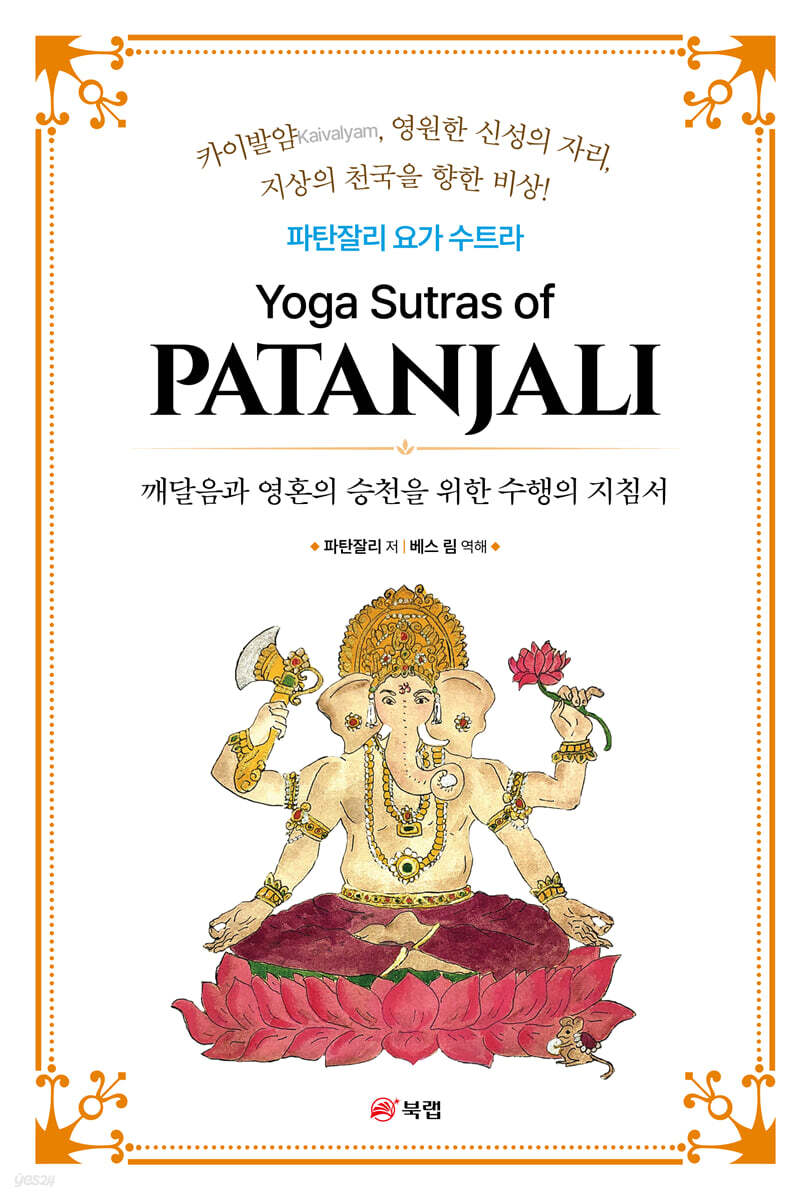 |
Description
Book Introduction
Beth Lim, the first meditation practitioner and original Vedic astrologer in Korea
In everyday language that anyone can easily understand
Clearly unraveling,
Patanjali's Yoga Sutra, the greatest yoga scripture of ancient India
The Yoga Sutra of Patanjali, written by the legendary saint Patanjali of ancient India, is a core classical yoga scripture that holds the same authority as the bible for all yogis.
Although it is a small sutra with a total of 4 chapters and 195 verses, it contains the most astonishing level of profound and high spiritual knowledge, the wisdom and secrets of clear enlightenment, all systematically contained in short sutras of less than 200 verses, among all the spiritual and intellectual literature in the world.
However, because these sutras are written in a short and simple code format, much like Morse Code, they are also difficult scriptures that cannot be understood unless the practitioner directly embodies the language of lofty consciousness through long-term practice.
There are countless English translations and commentaries on the Patanjali Yoga Sutras available worldwide.
In Korea, the number of yoga practitioners has been rapidly increasing in recent years, and interest in the Patanjali Yoga Sutras has also been growing significantly. However, due to linguistic and cultural barriers, there has been no proper commentary available in Korea.
This is the first commentary on Patanjali in Korea, written by Yogini Ves Lim, a lifelong practitioner of meditation and study of Vedic literature, who has used her long experience of living and practicing abroad to explain Patanjali in a language of direct consciousness that anyone can easily understand. It retains the original flavor of Patanjali's classics.
In everyday language that anyone can easily understand
Clearly unraveling,
Patanjali's Yoga Sutra, the greatest yoga scripture of ancient India
The Yoga Sutra of Patanjali, written by the legendary saint Patanjali of ancient India, is a core classical yoga scripture that holds the same authority as the bible for all yogis.
Although it is a small sutra with a total of 4 chapters and 195 verses, it contains the most astonishing level of profound and high spiritual knowledge, the wisdom and secrets of clear enlightenment, all systematically contained in short sutras of less than 200 verses, among all the spiritual and intellectual literature in the world.
However, because these sutras are written in a short and simple code format, much like Morse Code, they are also difficult scriptures that cannot be understood unless the practitioner directly embodies the language of lofty consciousness through long-term practice.
There are countless English translations and commentaries on the Patanjali Yoga Sutras available worldwide.
In Korea, the number of yoga practitioners has been rapidly increasing in recent years, and interest in the Patanjali Yoga Sutras has also been growing significantly. However, due to linguistic and cultural barriers, there has been no proper commentary available in Korea.
This is the first commentary on Patanjali in Korea, written by Yogini Ves Lim, a lifelong practitioner of meditation and study of Vedic literature, who has used her long experience of living and practicing abroad to explain Patanjali in a language of direct consciousness that anyone can easily understand. It retains the original flavor of Patanjali's classics.
- You can preview some of the book's contents.
Preview
index
The transformation and flight of the eagle at the West Gate
Life flows according to God's plan, not my plan.
Patanjali's Yoga Sutras
Part 1: Preparation for Enlightenment and the Ascension of the Soul
Who is Patanjali?
Patanjali, the incarnation of Aruna, the charioteer of the sun
Patanjali's Yoga Sutras and Ashtanga Yoga
Basic Understanding of Yoga: Body Yoga and Mind Yoga
The Beginning of Swami Viveka Nanda's Yoga Mission
The King of Yoga: Raja Yoga and Swami Vivekananda
Six Schools of Yoga Philosophy
Five Energy Body Koshas of Yoga
Body & Mind Yoga
Major yoga masters of ancient and modern times
Basic principles required for yoga practice
Similarities between the Four Noble Truths of Buddhism and Patanjali's Yoga
The essence of yoga, the power of “sati” (consciousness)
A Comparison of the Four Noble Truths and the Noble Eightfold Path of Buddhism and Patanjali's Ashtanga Yoga
Patanjali's Eight Limbs of Ashtanga Yoga
Representative types of meditation and mind yoga
Three Types of Mind Yoga
The main mind yoga of Hinduism
Between Heaven and Earth: The Difference Between Meditation Theory and Meditation Experience
Outstanding teachers of meditation theory
The true teacher is right here, right now, within us.
Sati, the vision of true yoga, and Ashtanga yoga
The Physical, Mental, and Spiritual Effects and Benefits of Meditation
The scripture of mind yoga, the Yoga Sutras of Patanjali
Part II: Patanjali's Yoga Sutras: A Guide to Practice for Enlightenment and the Ascension of the Soul
Complete text of the Yoga Sutras
Chapter 1
Samadhi Pada (the field of transcendental consciousness)
From now on, the teachings of Patanjali Yoga begin (verse 1)
What is Yoga (Verse 2)
Two states of consciousness: infinite consciousness and finite consciousness (verses 3-4)
Activities of the mind that fill the consciousness of limitations (verses 5-11)
The Practice of Patanjali Yoga (Verses 12-16)
A state of samadhi, where the mind's activities are calm and still (verses 17-18)
How to attain samadhi (verses 20-22)
The easiest way to attain samadhi is through devotion and refuge to the Lord (verse 23).
The Nature and Power of the Lord of Yoga (Verses 24-26)
The Divine Sounds and Mantras of the Lord of Yoga (Verses 27-28)
Obstacles and hindrances encountered on the path of practice, and how to overcome them (verses 29-31)
Practices and Examples for Overcoming Obstacles (Verses 32-40)
A quiet mind and pure consciousness (verses 40-41)
The Four Stages of Pure Consciousness (Samapatti) (Verses 42-46)
The supreme transcendent consciousness beyond pure consciousness (verses 47-51)
Chapter 2: The Field of Practice of Sadhana Pada
The Effects of Kriya Yoga and Practice (Verses 1-2)
Obstacles to Yoga (verses 3-9)
How to Remove Obstacles That Interfere with Yoga (Verses 10-11)
The Causes and Effects of Karma (Verses 12-14)
The Causes and Effects of Suffering (verses 15-17)
The relationship between the phenomenal world (Prakriti) and the Absolute Self (Purusha) (verses 18-24)
The Freedom of the Wisdom of Enlightenment (verses 25-27)
Ashtanga Yoga: The Yoga That Leads to Enlightenment (Verses 28-29)
Yama (Law of the Right World) (verses 30-31)
Niyama (Laws of Righteous Living) (Verse 32)
How to overcome the opposing tendencies of Yama and Niyama (verses 33-34)
The Effects of Practicing Yama and Niyama (Verses 35-45)
Third, Fourth, and Fifth Anga Asanas, Pranayam, and Pratyahara (verses 46-55)
The Third Anga Asana and Its Effects (Verses 46-48)
The Fourth Anga Pranayama and Its Effects (Verses 49-53)
The Fifth Anga Pratyahara and its Effects (Verses 54-55)
Chapter 3: The Expansion of Vibhuti Pada
The Practice and Mastery of Sanyama, the Core of Patanjali Yoga (Verses 1-7)
The transformation of consciousness that occurs in three stages (verses 8-12)
The Interaction and Transformation of the Material World and the Sense World (verses 13-15)
Knowledge and Sanyama of the Sidhi (Supernatural) Powers (verses 16-48)
The Greatness and Omniscience of the Kaivalyam Consciousness (Perfect Enlightenment) (Verses 49-55)
Chapter 4: Kaivalya Pada: The Field of Perfect Enlightenment
Subtle Levels of Samskaras (Verse 1)
The Cause of Transformation in the World of Phenomenon (Prakriti) (Verses 2-3)
Transformation of the Ego Mind (Verses 4-5)
The Relationship Between Karma and Samskara (Verses 6-11)
The relationship between kala (time) and gunas (essential qualities) (verses 12-14)
The Relationship Between Cognitive Mind Levels and the Cognitive Mind (Verses 15-21)
The Relationship Between the Ego Mind and the Cosmic Mind (Great Self) (Verses 22-26)
Samskaras that hinder meditation (verses 27-28)
The attainment of perfect enlightenment and the state of ultimate freedom (verses 29-34)
Postscript - Why We Don't Know Much About Life
Reference books
Life flows according to God's plan, not my plan.
Patanjali's Yoga Sutras
Part 1: Preparation for Enlightenment and the Ascension of the Soul
Who is Patanjali?
Patanjali, the incarnation of Aruna, the charioteer of the sun
Patanjali's Yoga Sutras and Ashtanga Yoga
Basic Understanding of Yoga: Body Yoga and Mind Yoga
The Beginning of Swami Viveka Nanda's Yoga Mission
The King of Yoga: Raja Yoga and Swami Vivekananda
Six Schools of Yoga Philosophy
Five Energy Body Koshas of Yoga
Body & Mind Yoga
Major yoga masters of ancient and modern times
Basic principles required for yoga practice
Similarities between the Four Noble Truths of Buddhism and Patanjali's Yoga
The essence of yoga, the power of “sati” (consciousness)
A Comparison of the Four Noble Truths and the Noble Eightfold Path of Buddhism and Patanjali's Ashtanga Yoga
Patanjali's Eight Limbs of Ashtanga Yoga
Representative types of meditation and mind yoga
Three Types of Mind Yoga
The main mind yoga of Hinduism
Between Heaven and Earth: The Difference Between Meditation Theory and Meditation Experience
Outstanding teachers of meditation theory
The true teacher is right here, right now, within us.
Sati, the vision of true yoga, and Ashtanga yoga
The Physical, Mental, and Spiritual Effects and Benefits of Meditation
The scripture of mind yoga, the Yoga Sutras of Patanjali
Part II: Patanjali's Yoga Sutras: A Guide to Practice for Enlightenment and the Ascension of the Soul
Complete text of the Yoga Sutras
Chapter 1
Samadhi Pada (the field of transcendental consciousness)
From now on, the teachings of Patanjali Yoga begin (verse 1)
What is Yoga (Verse 2)
Two states of consciousness: infinite consciousness and finite consciousness (verses 3-4)
Activities of the mind that fill the consciousness of limitations (verses 5-11)
The Practice of Patanjali Yoga (Verses 12-16)
A state of samadhi, where the mind's activities are calm and still (verses 17-18)
How to attain samadhi (verses 20-22)
The easiest way to attain samadhi is through devotion and refuge to the Lord (verse 23).
The Nature and Power of the Lord of Yoga (Verses 24-26)
The Divine Sounds and Mantras of the Lord of Yoga (Verses 27-28)
Obstacles and hindrances encountered on the path of practice, and how to overcome them (verses 29-31)
Practices and Examples for Overcoming Obstacles (Verses 32-40)
A quiet mind and pure consciousness (verses 40-41)
The Four Stages of Pure Consciousness (Samapatti) (Verses 42-46)
The supreme transcendent consciousness beyond pure consciousness (verses 47-51)
Chapter 2: The Field of Practice of Sadhana Pada
The Effects of Kriya Yoga and Practice (Verses 1-2)
Obstacles to Yoga (verses 3-9)
How to Remove Obstacles That Interfere with Yoga (Verses 10-11)
The Causes and Effects of Karma (Verses 12-14)
The Causes and Effects of Suffering (verses 15-17)
The relationship between the phenomenal world (Prakriti) and the Absolute Self (Purusha) (verses 18-24)
The Freedom of the Wisdom of Enlightenment (verses 25-27)
Ashtanga Yoga: The Yoga That Leads to Enlightenment (Verses 28-29)
Yama (Law of the Right World) (verses 30-31)
Niyama (Laws of Righteous Living) (Verse 32)
How to overcome the opposing tendencies of Yama and Niyama (verses 33-34)
The Effects of Practicing Yama and Niyama (Verses 35-45)
Third, Fourth, and Fifth Anga Asanas, Pranayam, and Pratyahara (verses 46-55)
The Third Anga Asana and Its Effects (Verses 46-48)
The Fourth Anga Pranayama and Its Effects (Verses 49-53)
The Fifth Anga Pratyahara and its Effects (Verses 54-55)
Chapter 3: The Expansion of Vibhuti Pada
The Practice and Mastery of Sanyama, the Core of Patanjali Yoga (Verses 1-7)
The transformation of consciousness that occurs in three stages (verses 8-12)
The Interaction and Transformation of the Material World and the Sense World (verses 13-15)
Knowledge and Sanyama of the Sidhi (Supernatural) Powers (verses 16-48)
The Greatness and Omniscience of the Kaivalyam Consciousness (Perfect Enlightenment) (Verses 49-55)
Chapter 4: Kaivalya Pada: The Field of Perfect Enlightenment
Subtle Levels of Samskaras (Verse 1)
The Cause of Transformation in the World of Phenomenon (Prakriti) (Verses 2-3)
Transformation of the Ego Mind (Verses 4-5)
The Relationship Between Karma and Samskara (Verses 6-11)
The relationship between kala (time) and gunas (essential qualities) (verses 12-14)
The Relationship Between Cognitive Mind Levels and the Cognitive Mind (Verses 15-21)
The Relationship Between the Ego Mind and the Cosmic Mind (Great Self) (Verses 22-26)
Samskaras that hinder meditation (verses 27-28)
The attainment of perfect enlightenment and the state of ultimate freedom (verses 29-34)
Postscript - Why We Don't Know Much About Life
Reference books
Into the book
Patanjali grew into a great yoga master and achieved the great feat of integrating all the different yoga schools of the world into one.
That is the Patanjali Yoga Sutra.
The Yoga Sutras of Patanjali list several important methods that humans need to achieve ultimate happiness, or Yoga, and the most famous of these methods is Ashtanga Yoga, the “eightfold path of yoga.”
It is different from Ashtanga Yoga, which is the brand name of Pattabhi Jois, a modern Indian Hatha Yoga guru.
Each verse and each sutra in Patanjali's Yoga Sutras are sacred eyes of wisdom, containing the divine wisdom for reaching enlightenment that has remained constant for over two thousand years.
--- p.37
Yoga knowledge has typically been transmitted through the Parampara, or Guru-shishya, tradition, whereby the teacher teaches directly to the disciple.
However, since the late 20th century, yoga has become increasingly popular in the West and has rapidly spread around the world, making it easy for anyone to access yoga today.
With the rise of the internet and YouTube, it is now easy to access various yoga teachings anywhere in the home without having to find a teacher or attend a yoga center to learn yoga, and the yoga lifestyle is becoming a daily trend.
However, as yoga has become popularized at a rapid pace, it has become rare and difficult to find people who practice or teach the true yoga that yoga originally possesses.
--- p.150
Truthfulness (satya) as Patanjali means does not mean being truthful, but rather the fruit or result (palla) that comes from an action (kriya).
So, if the consciousness is firmly established in truth (satya) (pratishthyam), then all the actions he performs are based on truth (ashrayatvam), and he can easily achieve his goals and achieve the desired results.
That is the Patanjali Yoga Sutra.
The Yoga Sutras of Patanjali list several important methods that humans need to achieve ultimate happiness, or Yoga, and the most famous of these methods is Ashtanga Yoga, the “eightfold path of yoga.”
It is different from Ashtanga Yoga, which is the brand name of Pattabhi Jois, a modern Indian Hatha Yoga guru.
Each verse and each sutra in Patanjali's Yoga Sutras are sacred eyes of wisdom, containing the divine wisdom for reaching enlightenment that has remained constant for over two thousand years.
--- p.37
Yoga knowledge has typically been transmitted through the Parampara, or Guru-shishya, tradition, whereby the teacher teaches directly to the disciple.
However, since the late 20th century, yoga has become increasingly popular in the West and has rapidly spread around the world, making it easy for anyone to access yoga today.
With the rise of the internet and YouTube, it is now easy to access various yoga teachings anywhere in the home without having to find a teacher or attend a yoga center to learn yoga, and the yoga lifestyle is becoming a daily trend.
However, as yoga has become popularized at a rapid pace, it has become rare and difficult to find people who practice or teach the true yoga that yoga originally possesses.
--- p.150
Truthfulness (satya) as Patanjali means does not mean being truthful, but rather the fruit or result (palla) that comes from an action (kriya).
So, if the consciousness is firmly established in truth (satya) (pratishthyam), then all the actions he performs are based on truth (ashrayatvam), and he can easily achieve his goals and achieve the desired results.
--- p.312
GOODS SPECIFICS
- Date of issue: July 26, 2023
- Page count, weight, size: 488 pages | 152*225*28mm
- ISBN13: 9791168367883
- ISBN10: 1168367883
You may also like
카테고리
korean


korean

![ELLE 엘르 스페셜 에디션 A형 : 12월 [2025]](http://librairie.coreenne.fr/cdn/shop/files/b8e27a3de6c9538896439686c6b0e8fb.jpg?v=1766436872&width=3840)


