

A Journey Through Korean History Made Easy with Textbooks
 |
Description
Book Introduction
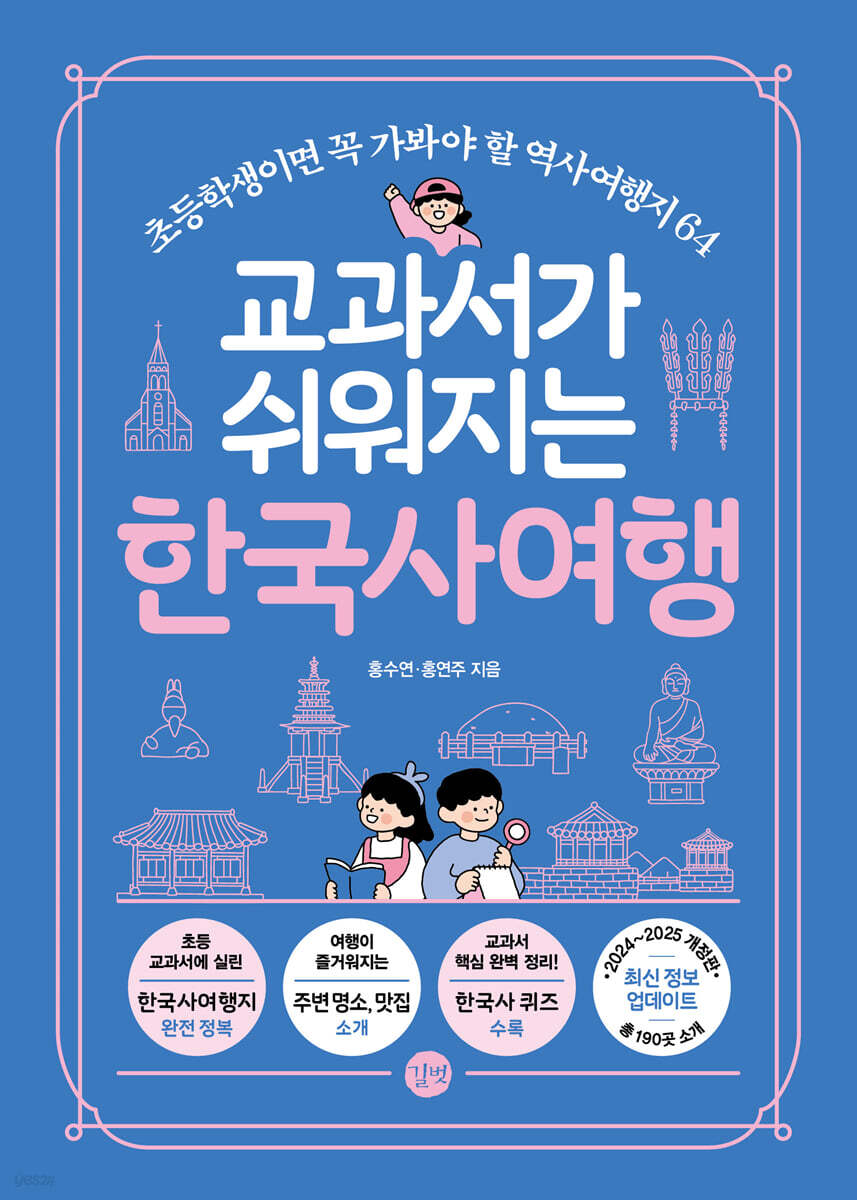
The latest revised edition of "Korean History Made Easy" (2024-2025) is back, even better than ever!
From Seoul to Jeju! The latest Korean history and travel destinations featured in elementary and middle school textbooks are fully updated.
Introduction to nearby attractions and restaurants that will make your trip more enjoyable.
Complete summary of textbook key points! Includes Korean history quizzes.
The latest revised edition of "Korean History Travel Made Easy with Textbooks," which perfectly introduces Korean history travel destinations featured in textbooks, has been published.
Mom, Dad! What battle did Admiral Yi Sun-sin die in? How many parents can answer that question in one go? I'm sure I remember seeing it in a drama, but I can't recall it.
I no longer have any memories of the days when I simply memorized things, leaving out the context.
We cannot pass on this study method to our children.
This book is a comprehensive compilation of Korean historical travel destinations included in elementary and middle school textbooks.
This is an educational travel book that goes beyond simply introducing tourist spots. Authors who are both teachers and curators meticulously point out what stories are contained in each historic site and what points to look out for.
From Seoul to Jeju! The latest Korean history and travel destinations featured in elementary and middle school textbooks are fully updated.
Introduction to nearby attractions and restaurants that will make your trip more enjoyable.
Complete summary of textbook key points! Includes Korean history quizzes.
The latest revised edition of "Korean History Travel Made Easy with Textbooks," which perfectly introduces Korean history travel destinations featured in textbooks, has been published.
Mom, Dad! What battle did Admiral Yi Sun-sin die in? How many parents can answer that question in one go? I'm sure I remember seeing it in a drama, but I can't recall it.
I no longer have any memories of the days when I simply memorized things, leaving out the context.
We cannot pass on this study method to our children.
This book is a comprehensive compilation of Korean historical travel destinations included in elementary and middle school textbooks.
This is an educational travel book that goes beyond simply introducing tourist spots. Authors who are both teachers and curators meticulously point out what stories are contained in each historic site and what points to look out for.
- You can preview some of the book's contents.
Preview
index
intro
Chronology of the History of Korea, China, and Japan 010
Interesting Joseon Dynasty Kings' Names 018
PART 1.
Life in the past and today (700,000 years ago - around 1000 BC)
1.
Yeoncheon Jeongok-ri Paleolithic Site 024
2.
Amsadong Neolithic Site 029
3.
Jinju Bronze Age Culture Museum 034
PART 2.
The emergence and development of the country (ca. 1000–918 BC)
4.
Ganghwa Dolmen Site 042
5.
Chungju Goguryeo Secret Exhibition Hall 047
6.
Hanseong Baekje Museum 055
7.
National Gongju Museum 062
8.
King Muryeong's Tomb (Wangneungwon) 069
9.
Communist 075
10.
Buyeo National Museum 081
11.
Baekje Sabi Period Journey 089
12.
Wanggung-ri Historic Site 097
13.
Ssangdeung & Seodong Birthplace Site 102
14.
Mireuksa Temple Site & National Museum of History 107
15.
Daereungwon, Cheomseongdae, Gyeongju City Area 116
16.
Gyeongju National Museum 126
17.
Gameunsa Temple Site & King Munmu's Tomb 135
18.
Bulguksa Temple & Seokguram Grotto 143
19.
Gyeongju Namsan & Poseokjeong 153
20.
Tomb of King Suro & Tomb of Queen Suro 159
21.
Goryeong Jisan-dong Tomb 166
PART 3.
Goryeo (918–1392), which developed a unique culture
22.
War Memorial 174
23.
Goryeo Palace Site 182
24.
Hangpaduri Anti-Mongol Historical Site 187
25.
Tripitaka Koreana, Haeinsa Temple 193
26.
Buyeo Seonsa Temple 199
PART 4.
Joseon Dynasty, which preserved national culture (1392–1794)
27.
National Palace Museum of Korea 208
28.
Gyeongbokgung Palace 216
29.
Jongmyo 228
30.
Hanyangdoseong's four main gates 236
31.
National Hangeul Museum 243
32.
Cheongnyeongpo 249
33.
Changgyeonggung Palace 256
34.
Joseon Royal Tombs 268
35.
Ojukheon 274
36.
Tongyeong Admiral Yi Sun-sin Historic Site 281
37.
Haengjusanseong Fortress 293
38.
Namhansanseong 299
PART 5.
Movement toward a new society (1794–1896)
39.
Changdeokgung Palace (Gyujanggak) 310
40.
Suwon Hwaseong Fortress 321
41.
Kim Man-deok Memorial Hall 333
42.
Dasanchodang 339
43.
Jeju Chusa Museum 347
44.
Sosu Seowon 356
45.
Unhyeongung Palace 363
46.
Jeongjok Mountain Fortress & Jeoldusan Mountain 369
47.
Gwangseongbo & Chojijin 375
48.
Post Office 381
49.
Jeongeup Donghak Peasant Revolution Memorial Hall 389
PART 6.
Japanese invasion and efforts for liberation (1896–1945)
50.
Gojong's Road & Former Russian Embassy 398
51.
Deoksugung 403
52.
Jungmyeongjeon 413
53.
Independence Gate 421
54.
Seodaemun Prison History Hall 426
55.
Dilkusha 434
56.
Independence Hall 439
PART 7.
The establishment of the Republic of Korea and the Korean War (1945–present)
57.
Gyeonggyojang & Baekbeom Kim Gu Memorial Hall 450
58.
Jangsi Landing Operation Victory Memorial Hall 456
59.
Imjingak Tourist Site 461
60.
National Museum of Korean History 468
THEME Special Feature in the Book
THEME1.
National Museum of Korea 474
THEME2.
Our History in Shanghai 494
THEME3.
499 UNESCO-designated World Heritage Sites in Korea
THEME4.
As I learned more about our history, I became curious about things like this! 503
Korean History Quiz 507
Chronology of the History of Korea, China, and Japan 010
Interesting Joseon Dynasty Kings' Names 018
PART 1.
Life in the past and today (700,000 years ago - around 1000 BC)
1.
Yeoncheon Jeongok-ri Paleolithic Site 024
2.
Amsadong Neolithic Site 029
3.
Jinju Bronze Age Culture Museum 034
PART 2.
The emergence and development of the country (ca. 1000–918 BC)
4.
Ganghwa Dolmen Site 042
5.
Chungju Goguryeo Secret Exhibition Hall 047
6.
Hanseong Baekje Museum 055
7.
National Gongju Museum 062
8.
King Muryeong's Tomb (Wangneungwon) 069
9.
Communist 075
10.
Buyeo National Museum 081
11.
Baekje Sabi Period Journey 089
12.
Wanggung-ri Historic Site 097
13.
Ssangdeung & Seodong Birthplace Site 102
14.
Mireuksa Temple Site & National Museum of History 107
15.
Daereungwon, Cheomseongdae, Gyeongju City Area 116
16.
Gyeongju National Museum 126
17.
Gameunsa Temple Site & King Munmu's Tomb 135
18.
Bulguksa Temple & Seokguram Grotto 143
19.
Gyeongju Namsan & Poseokjeong 153
20.
Tomb of King Suro & Tomb of Queen Suro 159
21.
Goryeong Jisan-dong Tomb 166
PART 3.
Goryeo (918–1392), which developed a unique culture
22.
War Memorial 174
23.
Goryeo Palace Site 182
24.
Hangpaduri Anti-Mongol Historical Site 187
25.
Tripitaka Koreana, Haeinsa Temple 193
26.
Buyeo Seonsa Temple 199
PART 4.
Joseon Dynasty, which preserved national culture (1392–1794)
27.
National Palace Museum of Korea 208
28.
Gyeongbokgung Palace 216
29.
Jongmyo 228
30.
Hanyangdoseong's four main gates 236
31.
National Hangeul Museum 243
32.
Cheongnyeongpo 249
33.
Changgyeonggung Palace 256
34.
Joseon Royal Tombs 268
35.
Ojukheon 274
36.
Tongyeong Admiral Yi Sun-sin Historic Site 281
37.
Haengjusanseong Fortress 293
38.
Namhansanseong 299
PART 5.
Movement toward a new society (1794–1896)
39.
Changdeokgung Palace (Gyujanggak) 310
40.
Suwon Hwaseong Fortress 321
41.
Kim Man-deok Memorial Hall 333
42.
Dasanchodang 339
43.
Jeju Chusa Museum 347
44.
Sosu Seowon 356
45.
Unhyeongung Palace 363
46.
Jeongjok Mountain Fortress & Jeoldusan Mountain 369
47.
Gwangseongbo & Chojijin 375
48.
Post Office 381
49.
Jeongeup Donghak Peasant Revolution Memorial Hall 389
PART 6.
Japanese invasion and efforts for liberation (1896–1945)
50.
Gojong's Road & Former Russian Embassy 398
51.
Deoksugung 403
52.
Jungmyeongjeon 413
53.
Independence Gate 421
54.
Seodaemun Prison History Hall 426
55.
Dilkusha 434
56.
Independence Hall 439
PART 7.
The establishment of the Republic of Korea and the Korean War (1945–present)
57.
Gyeonggyojang & Baekbeom Kim Gu Memorial Hall 450
58.
Jangsi Landing Operation Victory Memorial Hall 456
59.
Imjingak Tourist Site 461
60.
National Museum of Korean History 468
THEME Special Feature in the Book
THEME1.
National Museum of Korea 474
THEME2.
Our History in Shanghai 494
THEME3.
499 UNESCO-designated World Heritage Sites in Korea
THEME4.
As I learned more about our history, I became curious about things like this! 503
Korean History Quiz 507
Detailed image

Publisher's Review
1.
Introduction to Korean historical travel destinations featured in elementary and middle school textbooks
“Korean history is difficult!” Most children find Korean history difficult because there is too much to memorize.
However, Korean history is a required subject for the college entrance exam, so it is a subject that cannot be passed over lightly.
A simpler and more enjoyable way to learn about Korean history is through travel.
By visiting and experiencing vivid historical sites, you will gain a deeper understanding of Korean history than simply memorizing it.
This book clearly organizes the Korean history travel destinations that appear in textbooks from the Paleolithic Age to modern and contemporary history.
Each travel destination is excerpted from the textbook, and the book meticulously introduces what to focus on, including the historical events and background of the destination, without missing a single detail.
2.
190 Travel Destinations You Can Leave for This Weekend
Whether the weather is hot, cold, rainy, or the coronavirus is rampant, the reality is that families with children cannot stay at home.
Parents also worry every time about where to go this weekend.
This book solves these concerns at once.
We introduce Korean history-related travel destinations across the country, from Seoul to Jeju, regardless of whether they're indoors or outdoors. You don't even need to search social media.
With just this one book, you can visit all the Korean historical travel destinations included in elementary school textbooks.
Don't miss out on this opportunity to strengthen your bond with your children through travel and, as a bonus, gain a wealth of knowledge about Korean history.
3.
Key points from a former history teacher
You can't go to the National Museum of Korea and look at each and every one of the tens of thousands of artifacts carefully.
When you are short on time, your children are short on energy, and you just want to look at the artifacts included in the textbook, this is the book you need.
The author, who was a teacher, introduces things with a little more historical significance, linking them to the textbook content and highlighting only the key points.
Additionally, things that need to be looked at more closely for each travel destination are introduced in more detail in the tour corner on the back page.
4.
A variety of reading materials to increase interest in Korean history
What was the favorite food of Emperor Gojong, the representative gourmet of the Korean Empire? What was King Sejong's favorite space in Gyeongbokgung Palace? Is it true that ghosts appear at Jongmyo Shrine at night? This book contains a variety of reading materials beyond textbooks.
Through such engaging reading material, children's anticipation for their journey through Korean history increases.
5.
A key Korean history quiz that will remind you of your travel destinations!
Each part includes a Korean history quiz that you can solve to refresh your memories after visiting the destination.
Even if you can't go on the trip, the start page for each part is listed next to the problem so that you can read the relevant part and solve the problem.
Introduction to Korean historical travel destinations featured in elementary and middle school textbooks
“Korean history is difficult!” Most children find Korean history difficult because there is too much to memorize.
However, Korean history is a required subject for the college entrance exam, so it is a subject that cannot be passed over lightly.
A simpler and more enjoyable way to learn about Korean history is through travel.
By visiting and experiencing vivid historical sites, you will gain a deeper understanding of Korean history than simply memorizing it.
This book clearly organizes the Korean history travel destinations that appear in textbooks from the Paleolithic Age to modern and contemporary history.
Each travel destination is excerpted from the textbook, and the book meticulously introduces what to focus on, including the historical events and background of the destination, without missing a single detail.
2.
190 Travel Destinations You Can Leave for This Weekend
Whether the weather is hot, cold, rainy, or the coronavirus is rampant, the reality is that families with children cannot stay at home.
Parents also worry every time about where to go this weekend.
This book solves these concerns at once.
We introduce Korean history-related travel destinations across the country, from Seoul to Jeju, regardless of whether they're indoors or outdoors. You don't even need to search social media.
With just this one book, you can visit all the Korean historical travel destinations included in elementary school textbooks.
Don't miss out on this opportunity to strengthen your bond with your children through travel and, as a bonus, gain a wealth of knowledge about Korean history.
3.
Key points from a former history teacher
You can't go to the National Museum of Korea and look at each and every one of the tens of thousands of artifacts carefully.
When you are short on time, your children are short on energy, and you just want to look at the artifacts included in the textbook, this is the book you need.
The author, who was a teacher, introduces things with a little more historical significance, linking them to the textbook content and highlighting only the key points.
Additionally, things that need to be looked at more closely for each travel destination are introduced in more detail in the tour corner on the back page.
4.
A variety of reading materials to increase interest in Korean history
What was the favorite food of Emperor Gojong, the representative gourmet of the Korean Empire? What was King Sejong's favorite space in Gyeongbokgung Palace? Is it true that ghosts appear at Jongmyo Shrine at night? This book contains a variety of reading materials beyond textbooks.
Through such engaging reading material, children's anticipation for their journey through Korean history increases.
5.
A key Korean history quiz that will remind you of your travel destinations!
Each part includes a Korean history quiz that you can solve to refresh your memories after visiting the destination.
Even if you can't go on the trip, the start page for each part is listed next to the problem so that you can read the relevant part and solve the problem.
GOODS SPECIFICS
- Date of issue: July 2, 2024
- Page count, weight, size: 516 pages | 868g | 150*210*26mm
- ISBN13: 9791140714025
- ISBN10: 1140714023
- KC Certification: Certification Type: Conformity Confirmation
You may also like
카테고리
korean


korean

![GQ KOREA Mark (Monthly): December [2025]](http://librairie.coreenne.fr/cdn/shop/files/8ef265dbbfbf186523ed75ba7319009d.jpg?v=1765340328&width=3840)


