

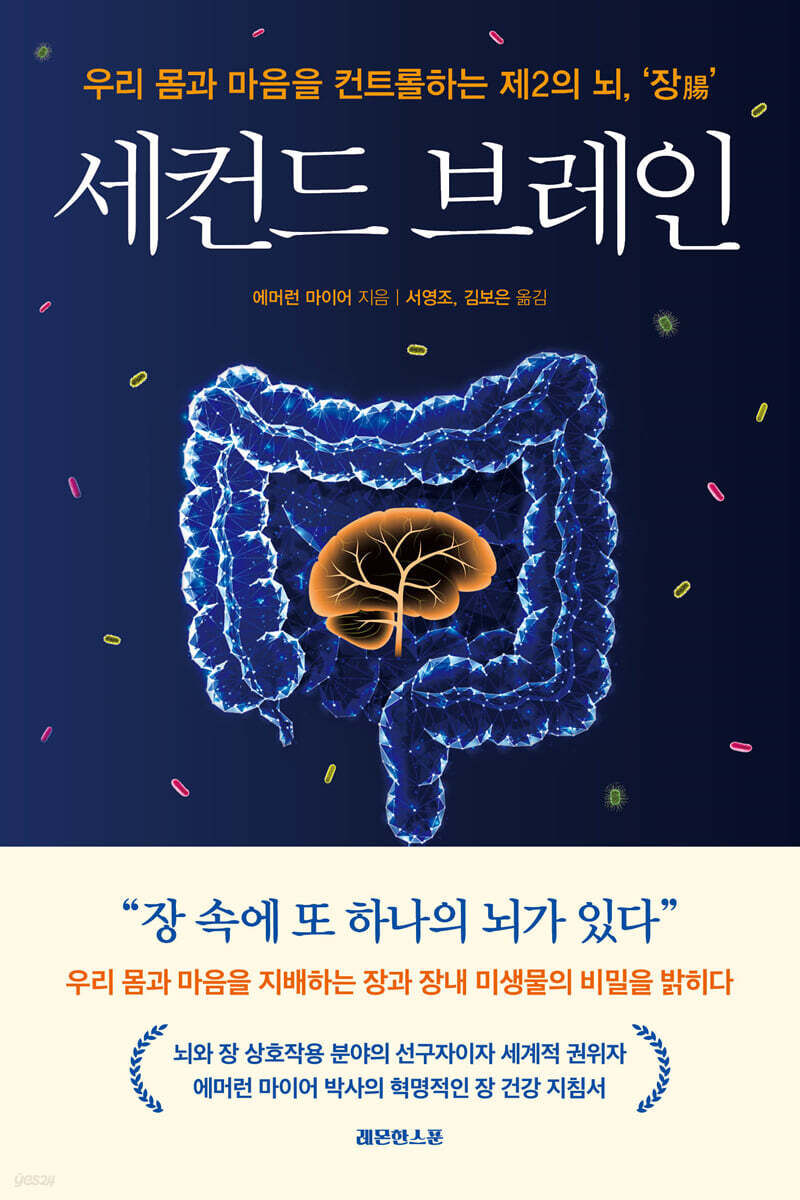
Second Brain
 |
Description
Book Introduction
The intestine, the 'second brain' that communicates with the brain 24 hours a day and controls our body and mind
Do you think of the intestines as simply a digestive and excretory organ? No.
The intestines have abilities comparable to the brain and even have their own nervous system, so they are called the 'second brain'.
The immune cells in the gut are the largest part of our body's immune system, and the endocrine cells in the gut are larger than all the endocrine organs in the body combined.
The gut is also the largest reservoir of serotonin and the largest sensory organ.
This book shows how this great organ, the gut, communicates with the brain 24 hours a day and controls our health, mood, and decision-making.
A 21st-Century Guide to Gut Health from a World Authority on Brain-Gut Interactions
The author of this book, Dr. Emeron Meyer, is a pioneer and world authority in the field of brain-gut interactions.
He vividly explains how the gut and brain are connected and communicate, what role gut microbes play in this, how the gut and emotions are inextricably linked, and how the food we eat affects gut health, emotions, and brain health through various clinical cases and personal anecdotes he encountered in his clinic.
And it tells you how to live a healthy and happy life by keeping your intestines and intestinal microbes healthy.
Do you think of the intestines as simply a digestive and excretory organ? No.
The intestines have abilities comparable to the brain and even have their own nervous system, so they are called the 'second brain'.
The immune cells in the gut are the largest part of our body's immune system, and the endocrine cells in the gut are larger than all the endocrine organs in the body combined.
The gut is also the largest reservoir of serotonin and the largest sensory organ.
This book shows how this great organ, the gut, communicates with the brain 24 hours a day and controls our health, mood, and decision-making.
A 21st-Century Guide to Gut Health from a World Authority on Brain-Gut Interactions
The author of this book, Dr. Emeron Meyer, is a pioneer and world authority in the field of brain-gut interactions.
He vividly explains how the gut and brain are connected and communicate, what role gut microbes play in this, how the gut and emotions are inextricably linked, and how the food we eat affects gut health, emotions, and brain health through various clinical cases and personal anecdotes he encountered in his clinic.
And it tells you how to live a healthy and happy life by keeping your intestines and intestinal microbes healthy.
- You can preview some of the book's contents.
Preview
index
Part 1: The Brain and the Mind Are Connected
1 Body and mind are inseparable.
It's time to say goodbye to the old disease model.
The medical industry has grown, but what about the health of the people?
A New Disease Model: Focusing on the Brain and Gut
The intestines are not just a digestive organ.
Intestinal microbes have emerged as a hot topic in the medical world.
When the microbial ecosystem collapses, gut health collapses.
The diverse roles of gut microbes are being revealed.
What I Eat Makes Me - Mediated by Gut Microbiota
The human body is not a machine, but a closely interconnected 'ecosystem'.
2 A constant dialogue between emotions and the gut
A patient who had persistent vomiting due to an incorrect bowel reaction
The little brain in your gut, the enteric nervous system
Emotions affect gut reactions
A field set up to react to emotions
What happens when your intestines are stressed?
The negative impact of chronic emotions on gut health
3. A message from the 'second brain' to the brain
A sense of longevity that is felt only when needed
The second brain in the intestines that sends information to the brain
A huge and sophisticated sensory organ, the intestines
The different interests of the brain in your head and the brain in your gut
What happens when you block communication between your brain and your gut?
The Role and Two Faces of Serotonin
Why the intestines developed sensory devices
4. The Key to Brain-Gut Communication: The Language of Gut Microbes
Communication with the brain through the intestinal hormone 'gut peptide'
What if the intestinal microflora is not properly formed during infancy?
The dangers lurking in your gut: clever microbes
Microbes that mediate the conversation between the gut and the brain
The symbiotic relationship between microorganisms and animals that has lasted for hundreds of millions of years
Peaceful symbiosis between microorganisms and their hosts
The communication language of gut microbes
Gut microbes, an essential element for being human
Part 2: Chapters and Emotions, Their Inseparable Connection
5 How Childhood Experiences Affect Gut Health
The Impact of Negative Experiences on Health Until Age 18
Stress-vulnerable offspring of stressed mothers
Childhood stress creates irritable bowels.
How Stress Is Passed on to the Next Generation
What happens when gut microbes are stressed?
The effects of stress in the womb
Your first encounter with microbes for a healthy start to life
Adaptations for survival that have become dangerous for modern people
How to Live Well with Childhood Programs
6 Things We Never Knew About Emotions
Could changes in the gut microbiome cause anxiety symptoms?
Can Gut Microbes Soothe Anxiety?
Can gut microbes also improve depression?
The Effects of Chronic Stress on the Brain and Gut
How do positive emotions affect gut microbiota?
Other Effects of Emotions on Gut Microbiota
Can gut microbes change human behavior?
A history of theories on the generation of emotions
7 Decision-making based on intuition and intuition
The more important the task, the more likely it is to follow one's intuition.
What is intuition?
Individual differences in feeling intuition
Infancy's hunger as the foundation of intuition
The human brain is specialized for intuition and intuition
Database of emotional memories
Are decisions based on intuition always right?
Connecting to your intuition through dreams
How to improve your intuition-based decision-making skills?
Part 3: How to Live Healthy and Happy with a Strong Gut
8 The relationship between the food we eat and our gut microbes
Can we get back to a natural, healthy diet?
What We Can Learn from the Yanomami Diet
The Effects of a High-Fat Diet on Gut Microbiota
Golden Time: Between 2.5 and 3 years old
Does breast milk affect your baby's brain and gut?
Will changing your diet change your gut microbiome?
We are the conductors of the 'gut microbiome orchestra'
9 Harmful Effects of Modern Food on Gut Health
The diet of modern people who are brave because they are ignorant
The harm of animal fat on the brain
Appetite control and gut microbiota
The temptation of comforting food
The Unexpected Link Between Food Addiction and Gut Microbes
The Impact of Industrial Agriculture on the Gut and Brain
The dangers of food additives prevalent in the modern diet
The Link Between Gut Health and Chronic Brain Disease
Rediscovering the Mediterranean Diet
10 Ways to Make Optimal Health Your Own
What is optimal health?
What is a healthy gut microbiome?
When is the right time to invest in optimal health?
Things to do to maintain a healthy gut microbiome
Become more sensitive to your intuition through mindfulness meditation.
Now is the time to take charge of your own brain and gut.
Acknowledgements
References
1 Body and mind are inseparable.
It's time to say goodbye to the old disease model.
The medical industry has grown, but what about the health of the people?
A New Disease Model: Focusing on the Brain and Gut
The intestines are not just a digestive organ.
Intestinal microbes have emerged as a hot topic in the medical world.
When the microbial ecosystem collapses, gut health collapses.
The diverse roles of gut microbes are being revealed.
What I Eat Makes Me - Mediated by Gut Microbiota
The human body is not a machine, but a closely interconnected 'ecosystem'.
2 A constant dialogue between emotions and the gut
A patient who had persistent vomiting due to an incorrect bowel reaction
The little brain in your gut, the enteric nervous system
Emotions affect gut reactions
A field set up to react to emotions
What happens when your intestines are stressed?
The negative impact of chronic emotions on gut health
3. A message from the 'second brain' to the brain
A sense of longevity that is felt only when needed
The second brain in the intestines that sends information to the brain
A huge and sophisticated sensory organ, the intestines
The different interests of the brain in your head and the brain in your gut
What happens when you block communication between your brain and your gut?
The Role and Two Faces of Serotonin
Why the intestines developed sensory devices
4. The Key to Brain-Gut Communication: The Language of Gut Microbes
Communication with the brain through the intestinal hormone 'gut peptide'
What if the intestinal microflora is not properly formed during infancy?
The dangers lurking in your gut: clever microbes
Microbes that mediate the conversation between the gut and the brain
The symbiotic relationship between microorganisms and animals that has lasted for hundreds of millions of years
Peaceful symbiosis between microorganisms and their hosts
The communication language of gut microbes
Gut microbes, an essential element for being human
Part 2: Chapters and Emotions, Their Inseparable Connection
5 How Childhood Experiences Affect Gut Health
The Impact of Negative Experiences on Health Until Age 18
Stress-vulnerable offspring of stressed mothers
Childhood stress creates irritable bowels.
How Stress Is Passed on to the Next Generation
What happens when gut microbes are stressed?
The effects of stress in the womb
Your first encounter with microbes for a healthy start to life
Adaptations for survival that have become dangerous for modern people
How to Live Well with Childhood Programs
6 Things We Never Knew About Emotions
Could changes in the gut microbiome cause anxiety symptoms?
Can Gut Microbes Soothe Anxiety?
Can gut microbes also improve depression?
The Effects of Chronic Stress on the Brain and Gut
How do positive emotions affect gut microbiota?
Other Effects of Emotions on Gut Microbiota
Can gut microbes change human behavior?
A history of theories on the generation of emotions
7 Decision-making based on intuition and intuition
The more important the task, the more likely it is to follow one's intuition.
What is intuition?
Individual differences in feeling intuition
Infancy's hunger as the foundation of intuition
The human brain is specialized for intuition and intuition
Database of emotional memories
Are decisions based on intuition always right?
Connecting to your intuition through dreams
How to improve your intuition-based decision-making skills?
Part 3: How to Live Healthy and Happy with a Strong Gut
8 The relationship between the food we eat and our gut microbes
Can we get back to a natural, healthy diet?
What We Can Learn from the Yanomami Diet
The Effects of a High-Fat Diet on Gut Microbiota
Golden Time: Between 2.5 and 3 years old
Does breast milk affect your baby's brain and gut?
Will changing your diet change your gut microbiome?
We are the conductors of the 'gut microbiome orchestra'
9 Harmful Effects of Modern Food on Gut Health
The diet of modern people who are brave because they are ignorant
The harm of animal fat on the brain
Appetite control and gut microbiota
The temptation of comforting food
The Unexpected Link Between Food Addiction and Gut Microbes
The Impact of Industrial Agriculture on the Gut and Brain
The dangers of food additives prevalent in the modern diet
The Link Between Gut Health and Chronic Brain Disease
Rediscovering the Mediterranean Diet
10 Ways to Make Optimal Health Your Own
What is optimal health?
What is a healthy gut microbiome?
When is the right time to invest in optimal health?
Things to do to maintain a healthy gut microbiome
Become more sensitive to your intuition through mindfulness meditation.
Now is the time to take charge of your own brain and gut.
Acknowledgements
References
Detailed image

Into the book
For a long time, medicine believed that the digestive system had nothing to do with the brain.
But now we know that the brain and digestive system are intricately connected.
[...] The gut and its microbiome interact closely and can influence our emotions, pain sensitivity, interactions with others, and even influence decision-making.
--- 「1.
From "Body and mind are inseparable"
Feeling anxious before a job interview, feeling a little irritated when stuck in traffic, or feeling anxious and anxious because you're running late for an appointment are all normal and not a big deal.
However, when emotions like anger, sadness, or recurring fear become chronic, we must be mindful of the detrimental effects these emotions can have on the gut and its microbiome.
--- 「2.
From “The Unending Dialogue Between Emotions and the Field”
“The human gut microbiome is essential to being human,” said David Relman, a professor at Stanford University and an expert in microbial ecology.
Beyond the essential role that gut microbes play in aiding food digestion, it's becoming clear that they exert a broad influence on the human brain's appetite control and emotional systems, human behavior, and even the human mind.
--- 「4.
From “The Key to Brain-Gut Communication: The Language of Gut Microbes”
It is becoming increasingly clear that childhood stress has profound effects not only on the brain and gut, but also on the gut microbiome.
--- 「5.
From “The Impact of Childhood Experiences on Gut Health”
We will soon learn that the trillions of bacteria in our gut, long ignored by scientists, are not only influenced by our emotions, but also exert a powerful influence on our gut, thoughts, and emotions.
--- 「6.
From "What We Didn't Know About Emotions"
The impact of diet on the gut microbiome early in life sets the foundation for gut microbial diversity and resilience to disease as we become adults.
Mistakes in this process can increase the risk of developing a wide range of health problems, from obesity to irritable bowel syndrome.
--- 「8.
From “The Relationship Between the Food We Eat and Our Gut Microbes”
Unfortunately, the negative effects of poor eating habits on the brain and behavior extend beyond appetite control and stress reactivity.
Recent scientific evidence suggests that these eating habits can have even more serious consequences for brain function.
--- 「9.
From “The Harmful Effects of Modern Food on Gut Health”
We cannot expect a simple intervention, such as a specific diet, to optimize the gut microbiome without simultaneously addressing all the factors that influence gut microbiota function, namely the impact of unhealthy gut responses related to stress, anger, and anxiety.
[...] science says.
Changing your diet alone isn't enough.
We need to change our lifestyles together.
But now we know that the brain and digestive system are intricately connected.
[...] The gut and its microbiome interact closely and can influence our emotions, pain sensitivity, interactions with others, and even influence decision-making.
--- 「1.
From "Body and mind are inseparable"
Feeling anxious before a job interview, feeling a little irritated when stuck in traffic, or feeling anxious and anxious because you're running late for an appointment are all normal and not a big deal.
However, when emotions like anger, sadness, or recurring fear become chronic, we must be mindful of the detrimental effects these emotions can have on the gut and its microbiome.
--- 「2.
From “The Unending Dialogue Between Emotions and the Field”
“The human gut microbiome is essential to being human,” said David Relman, a professor at Stanford University and an expert in microbial ecology.
Beyond the essential role that gut microbes play in aiding food digestion, it's becoming clear that they exert a broad influence on the human brain's appetite control and emotional systems, human behavior, and even the human mind.
--- 「4.
From “The Key to Brain-Gut Communication: The Language of Gut Microbes”
It is becoming increasingly clear that childhood stress has profound effects not only on the brain and gut, but also on the gut microbiome.
--- 「5.
From “The Impact of Childhood Experiences on Gut Health”
We will soon learn that the trillions of bacteria in our gut, long ignored by scientists, are not only influenced by our emotions, but also exert a powerful influence on our gut, thoughts, and emotions.
--- 「6.
From "What We Didn't Know About Emotions"
The impact of diet on the gut microbiome early in life sets the foundation for gut microbial diversity and resilience to disease as we become adults.
Mistakes in this process can increase the risk of developing a wide range of health problems, from obesity to irritable bowel syndrome.
--- 「8.
From “The Relationship Between the Food We Eat and Our Gut Microbes”
Unfortunately, the negative effects of poor eating habits on the brain and behavior extend beyond appetite control and stress reactivity.
Recent scientific evidence suggests that these eating habits can have even more serious consequences for brain function.
--- 「9.
From “The Harmful Effects of Modern Food on Gut Health”
We cannot expect a simple intervention, such as a specific diet, to optimize the gut microbiome without simultaneously addressing all the factors that influence gut microbiota function, namely the impact of unhealthy gut responses related to stress, anger, and anxiety.
[...] science says.
Changing your diet alone isn't enough.
We need to change our lifestyles together.
--- 「10.
From “The Path to Optimal Health”
From “The Path to Optimal Health”
Publisher's Review
Our bodies and minds are connected, and what we eat makes us.
If you hear bad news or have an argument during a meal, the food you are eating will be added to the food.
When I suddenly get stressed, I get diarrhea.
Also, we make many decisions in our lives based on our 'intuition'.
Intuition is gut feeling in English, that is, a feeling that comes from the gut.
These phenomena are evidence that our gut and brain are connected.
The 'second brain', the intestines, communicate closely with the brain 24 hours a day, exchanging information.
Through this process, we control our health, emotions, and decision-making.
The 100 trillion gut microbes play a crucial role in communication between the gut and the brain.
Therefore, the health of our intestines and gut microbiota is very important for our physical and mental health.
From the breast milk we drink as babies to the food we eat every day as we grow, the food we eat affects the health of our intestines and gut microbes.
The modern diet, which is full of high-fat animal products, "comfort foods" high in fat or sugar, ingredients produced through industrial agriculture, processed foods, and foods with excessive use of food additives, is detrimental to gut health and, by extension, brain health.
How to keep your gut, your "second brain," healthy and happy
Dr. Emeron Meyer, a gastroenterologist and world authority on the interaction between the brain and gut microbiome, explains in this book in a scholarly yet accessible way how the gut and its microbiome influence our health, mood, and even decision-making through a constant dialogue with the brain.
And it suggests ways to maintain healthy gut and intestinal microbes to achieve optimal health and live happily.
The author's personal anecdotes and the various cases of patients he met in the clinic help with understanding and make reading more enjoyable.
How to achieve optimal health by maintaining a healthy gut and gut microbiome
(by Dr. Emeron Meyer)
ㆍReduce the intake of foods containing chemicals or additives to promote healthy intestinal microflora.
ㆍTo maintain a healthy gut microbiome, reduce intake of animal fat and high-fructose corn syrup and avoid processed foods.
ㆍDiversify intestinal microflora through a variety of plant-based foods, fermented foods, and lactic acid bacteria.
ㆍReduce food intake.
ㆍReduce stress and practice ‘awareness’.
ㆍDo not eat when you are stressed, angry, or sad.
ㆍEnjoy the pleasure of eating with people.
ㆍPay attention to nutritional intake and stress during the fetal and infant stages.
ㆍImproves the composition and function of intestinal microflora through intermittent fasting.
If you hear bad news or have an argument during a meal, the food you are eating will be added to the food.
When I suddenly get stressed, I get diarrhea.
Also, we make many decisions in our lives based on our 'intuition'.
Intuition is gut feeling in English, that is, a feeling that comes from the gut.
These phenomena are evidence that our gut and brain are connected.
The 'second brain', the intestines, communicate closely with the brain 24 hours a day, exchanging information.
Through this process, we control our health, emotions, and decision-making.
The 100 trillion gut microbes play a crucial role in communication between the gut and the brain.
Therefore, the health of our intestines and gut microbiota is very important for our physical and mental health.
From the breast milk we drink as babies to the food we eat every day as we grow, the food we eat affects the health of our intestines and gut microbes.
The modern diet, which is full of high-fat animal products, "comfort foods" high in fat or sugar, ingredients produced through industrial agriculture, processed foods, and foods with excessive use of food additives, is detrimental to gut health and, by extension, brain health.
How to keep your gut, your "second brain," healthy and happy
Dr. Emeron Meyer, a gastroenterologist and world authority on the interaction between the brain and gut microbiome, explains in this book in a scholarly yet accessible way how the gut and its microbiome influence our health, mood, and even decision-making through a constant dialogue with the brain.
And it suggests ways to maintain healthy gut and intestinal microbes to achieve optimal health and live happily.
The author's personal anecdotes and the various cases of patients he met in the clinic help with understanding and make reading more enjoyable.
How to achieve optimal health by maintaining a healthy gut and gut microbiome
(by Dr. Emeron Meyer)
ㆍReduce the intake of foods containing chemicals or additives to promote healthy intestinal microflora.
ㆍTo maintain a healthy gut microbiome, reduce intake of animal fat and high-fructose corn syrup and avoid processed foods.
ㆍDiversify intestinal microflora through a variety of plant-based foods, fermented foods, and lactic acid bacteria.
ㆍReduce food intake.
ㆍReduce stress and practice ‘awareness’.
ㆍDo not eat when you are stressed, angry, or sad.
ㆍEnjoy the pleasure of eating with people.
ㆍPay attention to nutritional intake and stress during the fetal and infant stages.
ㆍImproves the composition and function of intestinal microflora through intermittent fasting.
GOODS SPECIFICS
- Date of issue: February 28, 2025
- Page count, weight, size: 364 pages | 536g | 140*210*23mm
- ISBN13: 9791198936349
- ISBN10: 1198936347
You may also like
카테고리
korean


korean

![ELLE 엘르 스페셜 에디션 A형 : 12월 [2025]](http://librairie.coreenne.fr/cdn/shop/files/b8e27a3de6c9538896439686c6b0e8fb.jpg?v=1766436872&width=3840)


