

The Simplest Mediterranean Cuisine: A Spanish Cuisine Journey at Home
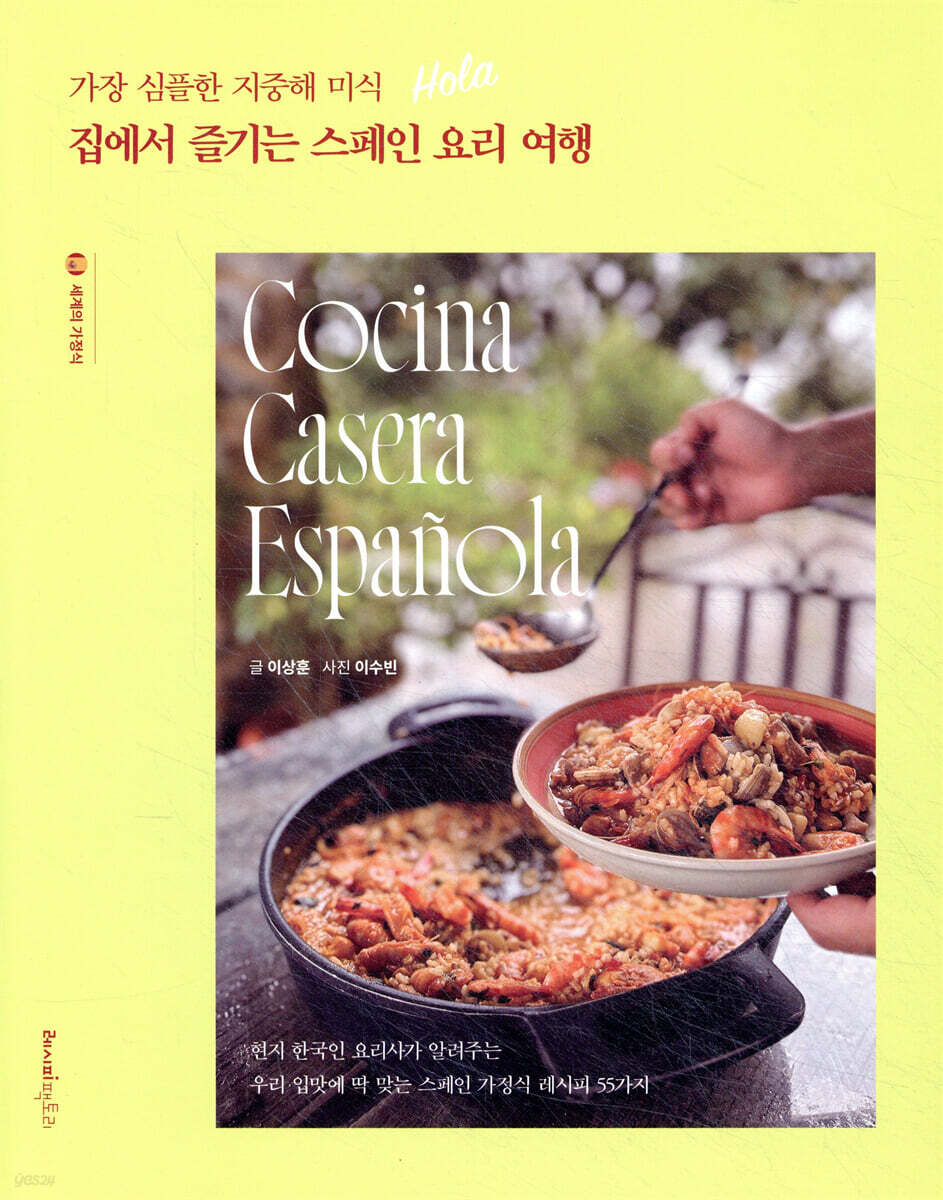 |
Description
Book Introduction
Less complexity, more health and taste!
Everything you need to know about Spanish home cooking, from the simplest recipes to the healthy Mediterranean diet.
Spanish cuisine, introduced as the first of the world's home cooking, is now emerging as the trendiest cuisine in the world.
It is a healthy Mediterranean diet with simple recipes that emphasize the natural flavor of the ingredients, so anyone can easily and comfortably enjoy it at home.
If Spanish cuisine has always seemed difficult and unfamiliar to you due to unfamiliar ingredients and menu names, seemingly complex cooking processes, and a local food culture that differs from our own, this book will help you experience how easy, comfortable, and healthy home cooking Spanish cuisine can be.
The author, who worked as a restaurant marketer in Korea, fell in love with the charm of tapas culture that he encountered by chance during his honeymoon, and began studying Spanish cuisine abroad. For eight years, he not only gained experience in the kitchen of a Michelin-starred restaurant in Barcelona, but also personally visited over 230 cities and over 1,000 restaurants, traditional markets, wineries, and farms across Spain, accumulating a vast amount of data on ingredients and traditional recipes for “real Spanish cuisine.”
And I put my 8-year culinary journey through Spain into a book.
So, this book conveys to readers the deep and rich charm of Spanish cuisine, not just the taste that passed by during a trip, but the real-life experience.
The author says the greatest advantage of Spanish cuisine is that it is 'easy and comfortable.'
It's not as complicated or fussy as French cuisine, and it's also much less greasy thanks to the use of olive oil and garlic instead of butter or cream.
The seasonality and healthiness unique to the Mediterranean diet are also great attractions.
The recipe and ingredients are not too far removed from Korean eating habits, yet they offer a sufficiently exotic flavor, increasing its value as the simplest Mediterranean home-cooked meal that anyone can easily make at home.
.
The menu is carefully selected to be as original and authentic as possible.
Of course, there are many menus that are familiar to us.
Familiar dishes like Gambas al Ajillo, Paella, and Gazpacho are enhanced with a touch of depth, while less familiar local home-style dishes are easy to make with just the ingredients available.
In particular, 'Chef's Note' contains practical tips that even readers who are not familiar with cooking can use to succeed without making mistakes.
"Enjoy Spanish Cuisine at Home," a 100% filmed show in Spain, aims to bring the warm Spanish sunshine and rich culinary culture to the tables of Korean readers.
With this book, your dining table will become a vibrant Spanish restaurant, a place of rich and healthy gastronomy.
Now you can experience the taste of Spain from the comfort of your own home!
Everything you need to know about Spanish home cooking, from the simplest recipes to the healthy Mediterranean diet.
Spanish cuisine, introduced as the first of the world's home cooking, is now emerging as the trendiest cuisine in the world.
It is a healthy Mediterranean diet with simple recipes that emphasize the natural flavor of the ingredients, so anyone can easily and comfortably enjoy it at home.
If Spanish cuisine has always seemed difficult and unfamiliar to you due to unfamiliar ingredients and menu names, seemingly complex cooking processes, and a local food culture that differs from our own, this book will help you experience how easy, comfortable, and healthy home cooking Spanish cuisine can be.
The author, who worked as a restaurant marketer in Korea, fell in love with the charm of tapas culture that he encountered by chance during his honeymoon, and began studying Spanish cuisine abroad. For eight years, he not only gained experience in the kitchen of a Michelin-starred restaurant in Barcelona, but also personally visited over 230 cities and over 1,000 restaurants, traditional markets, wineries, and farms across Spain, accumulating a vast amount of data on ingredients and traditional recipes for “real Spanish cuisine.”
And I put my 8-year culinary journey through Spain into a book.
So, this book conveys to readers the deep and rich charm of Spanish cuisine, not just the taste that passed by during a trip, but the real-life experience.
The author says the greatest advantage of Spanish cuisine is that it is 'easy and comfortable.'
It's not as complicated or fussy as French cuisine, and it's also much less greasy thanks to the use of olive oil and garlic instead of butter or cream.
The seasonality and healthiness unique to the Mediterranean diet are also great attractions.
The recipe and ingredients are not too far removed from Korean eating habits, yet they offer a sufficiently exotic flavor, increasing its value as the simplest Mediterranean home-cooked meal that anyone can easily make at home.
.
The menu is carefully selected to be as original and authentic as possible.
Of course, there are many menus that are familiar to us.
Familiar dishes like Gambas al Ajillo, Paella, and Gazpacho are enhanced with a touch of depth, while less familiar local home-style dishes are easy to make with just the ingredients available.
In particular, 'Chef's Note' contains practical tips that even readers who are not familiar with cooking can use to succeed without making mistakes.
"Enjoy Spanish Cuisine at Home," a 100% filmed show in Spain, aims to bring the warm Spanish sunshine and rich culinary culture to the tables of Korean readers.
With this book, your dining table will become a vibrant Spanish restaurant, a place of rich and healthy gastronomy.
Now you can experience the taste of Spain from the comfort of your own home!
- You can preview some of the book's contents.
Preview
index
Prologue
006 It seems like nothing special, but why is it so delicious? That simple curiosity ultimately led me to board my second flight to Spain.
Chapter 1: Into the Charm of Spanish Cuisine
018 Why Spanish Cuisine? 6 Unique Charms of Spanish Cuisine
020 Knowing the Regions Reveals the Cuisine: The Diverse Food Cultures of Spain's Four Regions
A mecca for seafood and dairy farming, the northern coastal region; rustic meat and grain cuisine, the central and northern inland region; abundant ingredients and a diverse culinary culture, the eastern Mediterranean region; and the world-renowned olive oil producer, Andalusia, in the south.
026 10 Essential Ingredients of Spanish Kitchens: Responsible for Healthy Cuisine
Olive oil / sherry wine vinegar / tomato / red pepper / garlic / soybeans / pimenton / parsley / nuts / bread
032 Chef's Note Ham and Sausage
034 Let's learn some serious Spanish cooking! 9 of the most popular basic stocks and sauces.
Chicken Broth / Seafood Broth / Aioli / Tomate Frito / Romesco Sauce / Salmoreta / Bravas Sauce / Moho Picón & Moho Verde
Chapter 2 The Most Spanish Classic Tapas
052 Pan con Tomate
056 Russian Salad
060 Spanish Omelette
064 Mussels Escabeche
068 Anchovy Marinade
072 Galician-style hornpo
076 Red Wine Chorizo
080 Ham Croquette
Chapter 3 Paella and Rice Dishes You Can't Miss on a Weekend in Spain
086 Chef's Note: Mastering Paella
090 Seafood Paella
094 Traditional Valencian Paella
098 Spanish Seafood Rice
102 Alicante-style soup with rice
Chapter 4: Vegetable Dishes with Plenty of Olive Oil and the Mediterranean Sunshine
108 Gazpacho
114 Salmorejo / Plus Recipe Beet Salmorejo
120 La Mancha Paprika Salad
124 Catalan-style Oven-Roasted Vegetables
128 Seville-style tomato marinade
132 Haen-style floating salad
136 Lettuce and Anchovy Salad
140 Nogari Salad
Chapter 5: Simple Seafood Dishes: The Stars of the Mediterranean Diet
146 Gambas al Ajillo
150 boiled shrimp
154 Grilled Cuttlefish
158 Steamed Clams in Wine
162 Mussels in Marinara Sauce
166 Cadiz-style Tuna Stew
170 Codfish Paste
174 Must-Have Sauce Daegu Pork Neck
Chapter 6: Hidden Meat Delicacies from Regions Steeped in History
180 Whiskey Sauce Pork Tenderloin
184 Marinated Pork Loin
188 Toledo-style pork stew
192 Pyrenean Three-Layer Cabbage
196 Meatball and Cuttlefish Stew
200 Moorish-style skewers
Chapter 7: Spanish Fried Dishes That Bring Out the Natural Flavor of the Ingredients
210 Barcelona-style potato croquettes
214 Marinated Anchovy Fries
218 Freshwater Shrimp Pancakes
222 Fried Mussels
226 Calamares Sandwich
230 Hamon Rolled Pork Cutlet
Chapter 8: A Hearty Pot Meal for the Whole Family
236 Garlic Soup
240 Zucchini Soup
244 Lentil Bean Stew
248 Spinach Chickpea Stew
252 Southern Cuttlefish Stew
256 Chorizo Potato Stew
260 Basque-style seafood stew
264 Braised Oxtail
Chapter 9 Sweet Endings to Spanish Cuisine: Spanish Desserts
270 Catalan Crème Brûlée
274 Rice Pudding
278 Andalusian French Toast
282 Spanish Donuts
286 Santiago Cake
Index
290 Alphabetical Order / By Material
006 It seems like nothing special, but why is it so delicious? That simple curiosity ultimately led me to board my second flight to Spain.
Chapter 1: Into the Charm of Spanish Cuisine
018 Why Spanish Cuisine? 6 Unique Charms of Spanish Cuisine
020 Knowing the Regions Reveals the Cuisine: The Diverse Food Cultures of Spain's Four Regions
A mecca for seafood and dairy farming, the northern coastal region; rustic meat and grain cuisine, the central and northern inland region; abundant ingredients and a diverse culinary culture, the eastern Mediterranean region; and the world-renowned olive oil producer, Andalusia, in the south.
026 10 Essential Ingredients of Spanish Kitchens: Responsible for Healthy Cuisine
Olive oil / sherry wine vinegar / tomato / red pepper / garlic / soybeans / pimenton / parsley / nuts / bread
032 Chef's Note Ham and Sausage
034 Let's learn some serious Spanish cooking! 9 of the most popular basic stocks and sauces.
Chicken Broth / Seafood Broth / Aioli / Tomate Frito / Romesco Sauce / Salmoreta / Bravas Sauce / Moho Picón & Moho Verde
Chapter 2 The Most Spanish Classic Tapas
052 Pan con Tomate
056 Russian Salad
060 Spanish Omelette
064 Mussels Escabeche
068 Anchovy Marinade
072 Galician-style hornpo
076 Red Wine Chorizo
080 Ham Croquette
Chapter 3 Paella and Rice Dishes You Can't Miss on a Weekend in Spain
086 Chef's Note: Mastering Paella
090 Seafood Paella
094 Traditional Valencian Paella
098 Spanish Seafood Rice
102 Alicante-style soup with rice
Chapter 4: Vegetable Dishes with Plenty of Olive Oil and the Mediterranean Sunshine
108 Gazpacho
114 Salmorejo / Plus Recipe Beet Salmorejo
120 La Mancha Paprika Salad
124 Catalan-style Oven-Roasted Vegetables
128 Seville-style tomato marinade
132 Haen-style floating salad
136 Lettuce and Anchovy Salad
140 Nogari Salad
Chapter 5: Simple Seafood Dishes: The Stars of the Mediterranean Diet
146 Gambas al Ajillo
150 boiled shrimp
154 Grilled Cuttlefish
158 Steamed Clams in Wine
162 Mussels in Marinara Sauce
166 Cadiz-style Tuna Stew
170 Codfish Paste
174 Must-Have Sauce Daegu Pork Neck
Chapter 6: Hidden Meat Delicacies from Regions Steeped in History
180 Whiskey Sauce Pork Tenderloin
184 Marinated Pork Loin
188 Toledo-style pork stew
192 Pyrenean Three-Layer Cabbage
196 Meatball and Cuttlefish Stew
200 Moorish-style skewers
Chapter 7: Spanish Fried Dishes That Bring Out the Natural Flavor of the Ingredients
210 Barcelona-style potato croquettes
214 Marinated Anchovy Fries
218 Freshwater Shrimp Pancakes
222 Fried Mussels
226 Calamares Sandwich
230 Hamon Rolled Pork Cutlet
Chapter 8: A Hearty Pot Meal for the Whole Family
236 Garlic Soup
240 Zucchini Soup
244 Lentil Bean Stew
248 Spinach Chickpea Stew
252 Southern Cuttlefish Stew
256 Chorizo Potato Stew
260 Basque-style seafood stew
264 Braised Oxtail
Chapter 9 Sweet Endings to Spanish Cuisine: Spanish Desserts
270 Catalan Crème Brûlée
274 Rice Pudding
278 Andalusian French Toast
282 Spanish Donuts
286 Santiago Cake
Index
290 Alphabetical Order / By Material
Detailed image

Publisher's Review
■ Why Spanish Cuisine? 6 Charming Points of Spanish Cuisine
POINT ONE: The Mediterranean Diet, a World-Recognized Healthy Diet
Spanish cuisine embodies the philosophy of the Mediterranean diet.
We use an abundance of fresh, nutritious ingredients, including olive oil, beans, seafood, tomatoes, and nuts.
POINT 2: The simplest recipe among Mediterranean recipes
Spanish cuisine is the epitome of simplicity.
It creates harmony of flavor and aroma within a simple recipe while preserving the original flavor of the ingredients.
POINT 3: Tapas culture at the heart of Spanish food culture
Tapas, a core part of Spanish food culture, means ‘food served on small plates.’
Spain's warm food culture allows people to enjoy more dishes without feeling burdened.
POINT NET: Aromatic vegetables and spices that create a harmony of fragrance and flavor.
Spanish cuisine emphasizes the harmony of aromas and flavors rather than the stimulating taste.
Aromatic vegetables and spices such as garlic, onion, parsley, pimentón, and saffron create a warm flavor that is characteristic of Spain.
POINT 5: Almost no dairy products are used, and the clean taste is perfect for our taste buds.
Garlic, onions, seafood, and rice are essential ingredients that are always present on Spanish tables.
Since dairy products such as cheese and cream are rarely used in the cooking process, Koreans can enjoy it without any resistance.
POINT 6: World-renowned Spanish dishes that are already familiar to us.
Paella, gambas, gazpacho, pulpo, churros, Basque cheesecake, etc. These are menus that we often see in restaurants or on social media.
We are already familiar with the tastes of Spain.
POINT ONE: The Mediterranean Diet, a World-Recognized Healthy Diet
Spanish cuisine embodies the philosophy of the Mediterranean diet.
We use an abundance of fresh, nutritious ingredients, including olive oil, beans, seafood, tomatoes, and nuts.
POINT 2: The simplest recipe among Mediterranean recipes
Spanish cuisine is the epitome of simplicity.
It creates harmony of flavor and aroma within a simple recipe while preserving the original flavor of the ingredients.
POINT 3: Tapas culture at the heart of Spanish food culture
Tapas, a core part of Spanish food culture, means ‘food served on small plates.’
Spain's warm food culture allows people to enjoy more dishes without feeling burdened.
POINT NET: Aromatic vegetables and spices that create a harmony of fragrance and flavor.
Spanish cuisine emphasizes the harmony of aromas and flavors rather than the stimulating taste.
Aromatic vegetables and spices such as garlic, onion, parsley, pimentón, and saffron create a warm flavor that is characteristic of Spain.
POINT 5: Almost no dairy products are used, and the clean taste is perfect for our taste buds.
Garlic, onions, seafood, and rice are essential ingredients that are always present on Spanish tables.
Since dairy products such as cheese and cream are rarely used in the cooking process, Koreans can enjoy it without any resistance.
POINT 6: World-renowned Spanish dishes that are already familiar to us.
Paella, gambas, gazpacho, pulpo, churros, Basque cheesecake, etc. These are menus that we often see in restaurants or on social media.
We are already familiar with the tastes of Spain.
GOODS SPECIFICS
- Date of issue: June 19, 2025
- Page count, weight, size: 296 pages | 190*240*20mm
- ISBN13: 9791192366562
- ISBN10: 1192366565
You may also like
카테고리
korean


korean

![GQ KOREA Mark (Monthly): December [2025]](http://librairie.coreenne.fr/cdn/shop/files/8ef265dbbfbf186523ed75ba7319009d.jpg?v=1765340328&width=3840)


