

Plated dessert
 |
Description
Book Introduction
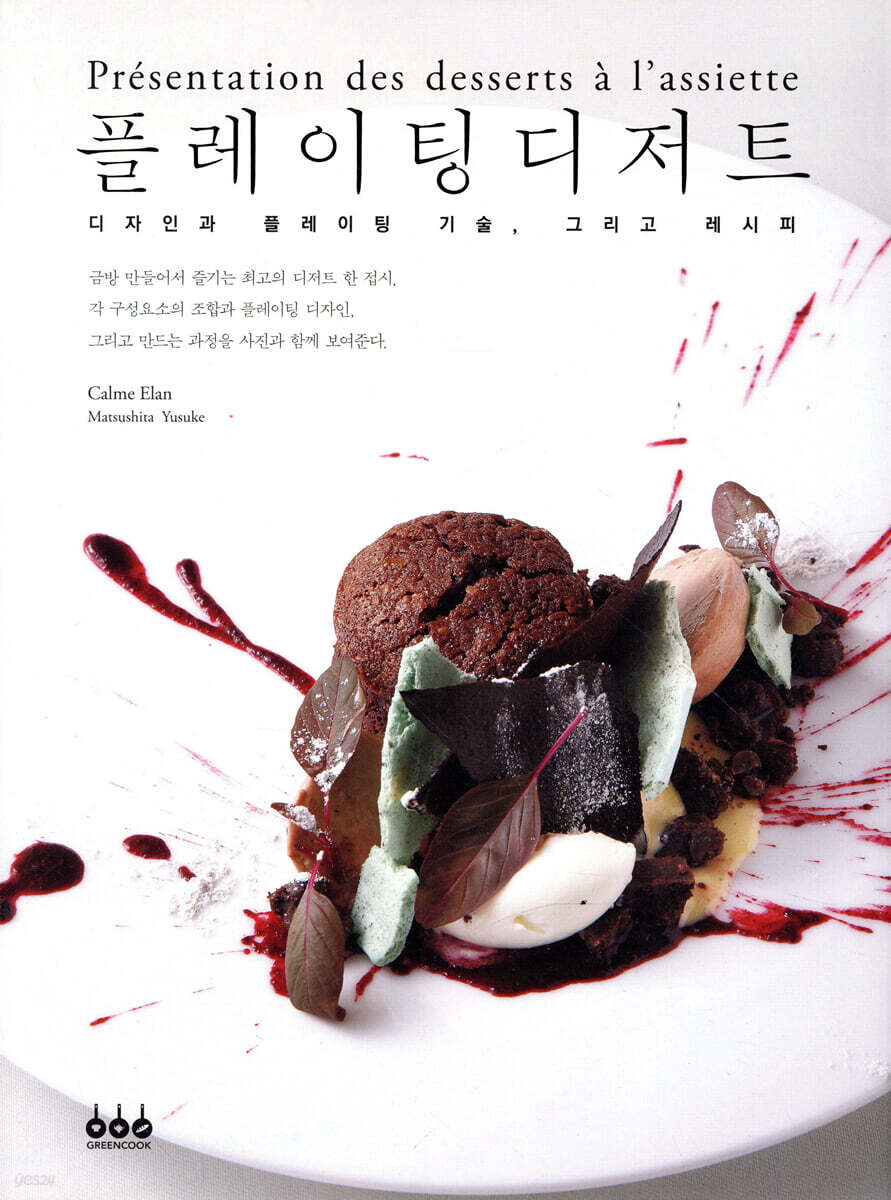
plating dessert, a dessert placed on a plate
Now established as a field of cooking
Each unique component, such as fruit, confiture, ice cream, mousse, sauce, and cream, is created and placed on a plate to create the ultimate dessert.
You can elegantly enjoy the special taste of freshly made desserts, including the cold or warm temperature, texture and flavor, and the delicate ingredients and design.
This book introduces how to create 26 types of plated desserts in an attractive way, how to design them harmoniously, and how to make them delicious, with detailed process photos.
Now established as a field of cooking
Each unique component, such as fruit, confiture, ice cream, mousse, sauce, and cream, is created and placed on a plate to create the ultimate dessert.
You can elegantly enjoy the special taste of freshly made desserts, including the cold or warm temperature, texture and flavor, and the delicate ingredients and design.
This book introduces how to create 26 types of plated desserts in an attractive way, how to design them harmoniously, and how to make them delicious, with detailed process photos.
- You can preview some of the book's contents.
Preview
index
· About the recipes in this book
· Ideas and composition of plating desserts
· Basic Technique 1_ Whip the whipped cream
· Basic Technique 2_ Making a Knell (Rugby Ball Shape)
Smoked Almond Apple Tatin
Persimmon Banana Rum Mille-Feuille
Thyme-scented soufflé fromage and fruity rouge
Western Pear Earl Grey Olive Confectionery
Zugihyang Griotte Rosemary Sorbet and Chocolate Blanc Mousse
Bergamot-scented tangerine compote, chamomile, and white wine mousse
Fig Fromage Crepe
Bean, Banana, and Job's Tea Combination
Strawberry Basil Fromage Conposition
Melon Matcha Soup
Grapefruit Warabimochi and Kagabocha Sorbet
Lime and Vanilla White Peach Wasabi Sorbet
Chocolate Conposition
Tropical Mango Chocolate
Grape and fermented milk combination
Lavender Fondant Au Chocolat
Tomato Orange Cold Soup
Lemon sorbet and praline ice cream
Amaretto-flavored tiramisu
Speculos Spiced Fig Parsi and Pain Perdu
Orange Grapefruit Hassaku Savarin
Avocado Orange Ginger Combination
Clove-flavored yellow peach roti
Vegetable and fruit marriage
Autumn Mariaju, Night Fondant
Sesame Yuzu Chopi Chocolate
· Glossary of Terms
· INDEX
· Ideas and composition of plating desserts
· Basic Technique 1_ Whip the whipped cream
· Basic Technique 2_ Making a Knell (Rugby Ball Shape)
Smoked Almond Apple Tatin
Persimmon Banana Rum Mille-Feuille
Thyme-scented soufflé fromage and fruity rouge
Western Pear Earl Grey Olive Confectionery
Zugihyang Griotte Rosemary Sorbet and Chocolate Blanc Mousse
Bergamot-scented tangerine compote, chamomile, and white wine mousse
Fig Fromage Crepe
Bean, Banana, and Job's Tea Combination
Strawberry Basil Fromage Conposition
Melon Matcha Soup
Grapefruit Warabimochi and Kagabocha Sorbet
Lime and Vanilla White Peach Wasabi Sorbet
Chocolate Conposition
Tropical Mango Chocolate
Grape and fermented milk combination
Lavender Fondant Au Chocolat
Tomato Orange Cold Soup
Lemon sorbet and praline ice cream
Amaretto-flavored tiramisu
Speculos Spiced Fig Parsi and Pain Perdu
Orange Grapefruit Hassaku Savarin
Avocado Orange Ginger Combination
Clove-flavored yellow peach roti
Vegetable and fruit marriage
Autumn Mariaju, Night Fondant
Sesame Yuzu Chopi Chocolate
· Glossary of Terms
· INDEX
Detailed image

Publisher's Review
Design, composition, and recipe of plated desserts
1.
Basic configuration
It is composed of three parts: 『Main』, 『Sub』, and 『Decoration』.
Depending on how you combine them, you can create a variety of plated desserts.
2.
The making process
From design to combination, it's like making a regular dessert.
The difference is that you have to make more delicate components like ice cream and tuiles,
More components need to be combined with each other.
Design and conceptualize desserts
Decide on each component and bowl, such as main, sub, and decoration
↓
Creating each component, such as main, sub, and decoration
↓
Combine and place in a bowl
3.
How to approach ideas
Method 1: Approach with taste and texture
It is composed by utilizing the unique flavor of seasonal ingredients.
This book uses “fragrance,” “oil balance,” and “harmony of flavors” as keywords.
Method 2: Approach with visual images
Select materials and components based on the image you have in mind.
Consider various factors such as “color,” “shape,” and “size.”
1.
Basic configuration
It is composed of three parts: 『Main』, 『Sub』, and 『Decoration』.
Depending on how you combine them, you can create a variety of plated desserts.
2.
The making process
From design to combination, it's like making a regular dessert.
The difference is that you have to make more delicate components like ice cream and tuiles,
More components need to be combined with each other.
Design and conceptualize desserts
Decide on each component and bowl, such as main, sub, and decoration
↓
Creating each component, such as main, sub, and decoration
↓
Combine and place in a bowl
3.
How to approach ideas
Method 1: Approach with taste and texture
It is composed by utilizing the unique flavor of seasonal ingredients.
This book uses “fragrance,” “oil balance,” and “harmony of flavors” as keywords.
Method 2: Approach with visual images
Select materials and components based on the image you have in mind.
Consider various factors such as “color,” “shape,” and “size.”
GOODS SPECIFICS
- Date of publication: December 10, 2017
- Page count, weight, size: 248 pages | 874g | 190*257*18mm
- ISBN13: 9788971906132
- ISBN10: 8971906138
You may also like
카테고리
korean


korean

![GQ KOREA Mark (Monthly): December [2025]](http://librairie.coreenne.fr/cdn/shop/files/8ef265dbbfbf186523ed75ba7319009d.jpg?v=1765340328&width=3840)


