

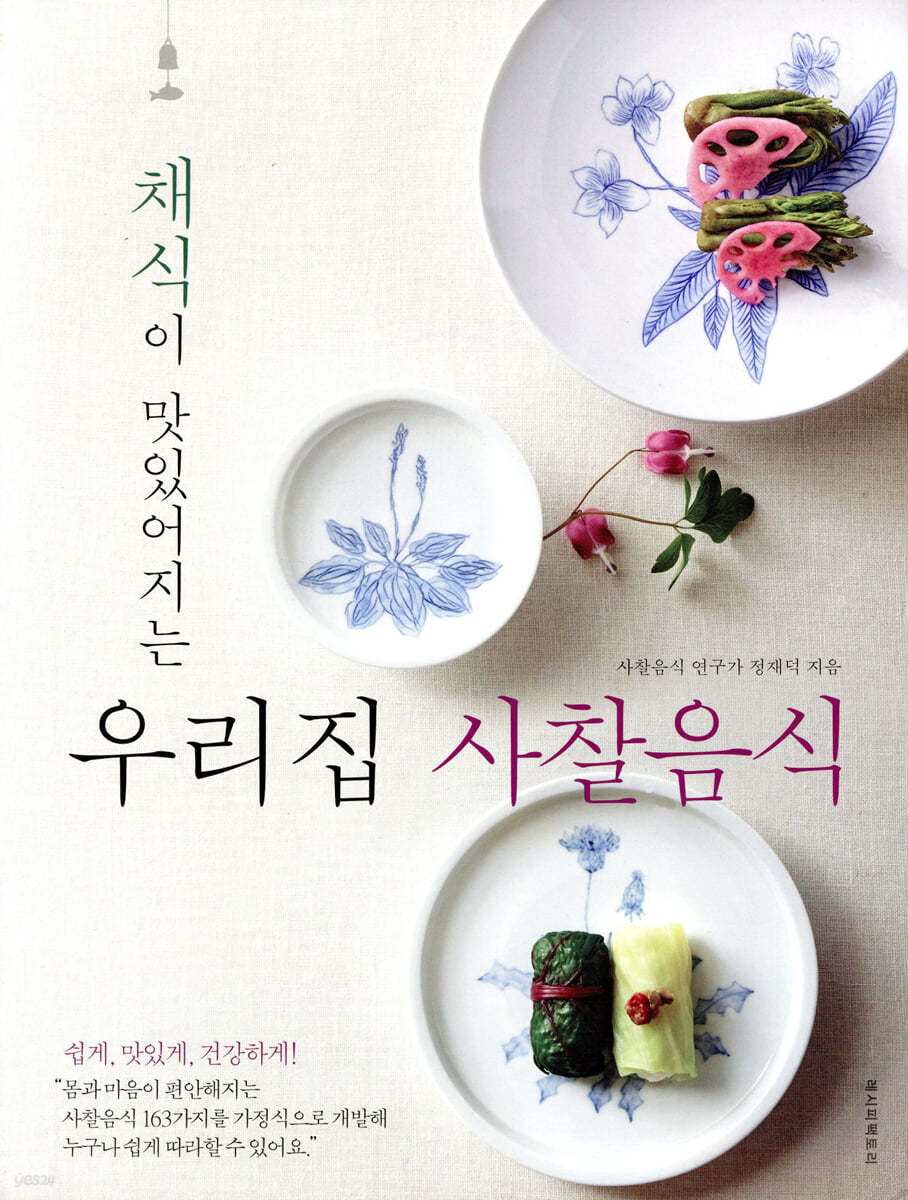
Our temple food that makes vegetarian food taste good
 |
Description
Book Introduction
Vegetarian food that is better for us, but temple food that used to feel distant, can now be easily made at home.
There is a growing interest in vegetarianism worldwide.
The most representative vegetarian food in Korean cuisine is temple food.
But during that time, we were unable to enjoy our own vegetarian temple food at home.
This is because of the preconceptions that “temple food seems difficult” and “vegetarian food seems tasteless.”
This book kindly provides the know-how to make temple food, the vegetarian food that suits us best, “easy” yet “tasty.”
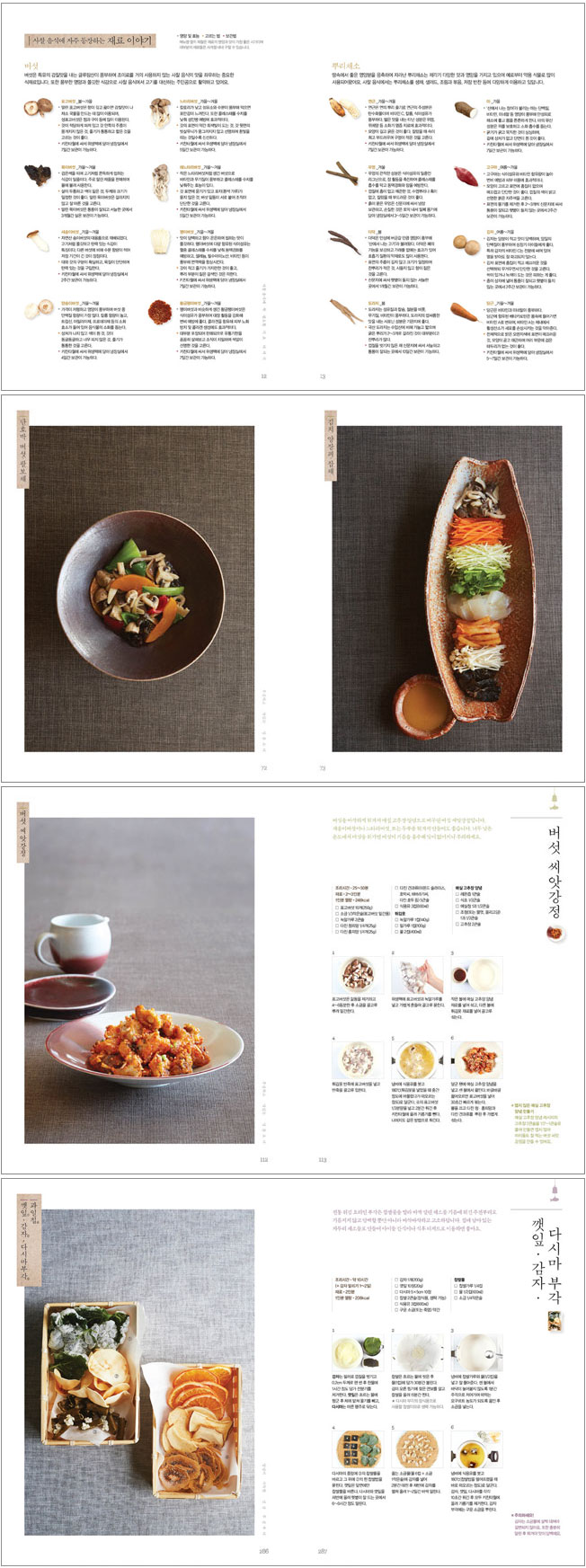
It's packed with 163 recipes, including delicious, meat-free dishes, hearty, filling meals, soups and side dishes with the natural flavors of nature, and even healthy side dishes.
There is a growing interest in vegetarianism worldwide.
The most representative vegetarian food in Korean cuisine is temple food.
But during that time, we were unable to enjoy our own vegetarian temple food at home.
This is because of the preconceptions that “temple food seems difficult” and “vegetarian food seems tasteless.”
This book kindly provides the know-how to make temple food, the vegetarian food that suits us best, “easy” yet “tasty.”
It's packed with 163 recipes, including delicious, meat-free dishes, hearty, filling meals, soups and side dishes with the natural flavors of nature, and even healthy side dishes.
- You can preview some of the book's contents.
Preview
index
Laying the essential foundation for temple food
Must-read! Temple Food Story
Stories about ingredients that frequently appear in temple food
All you need to know is this! Ingredient preparation and pre-processing.
Cooking beautifully! Basic writing techniques
Basic seasoning that adds depth to temple food
Temple-style dressing and sauce
The Secret to Savoring Temple Cuisine: Making Vegetable Broth
Making nutritious rice with other tools, making porridge with rice instead of rice
How to Measure for Perfect Taste!
Chapter 1 A sumptuous and delicious dish
Vegetable salad + yuzu soybean paste dressing
Root Vegetable Salad + Mustard Pear Dressing
Potato Salad + Vegan Mayonnaise
Bellflower Salad + Yuzu Perilla Dressing
Persimmon salad + yogurt dressing / Mushroom tofu + lemon soy sauce
Mushroom Bean Sprout Salad + Plum Soy Sauce Dressing
Water parsley and burdock salad + plum and gochujang dressing
Lotus leaf plate + persimmon sauce
Potato Hamjissam + Mustard Sauce
Mushroom sashimi + soy sauce
Kelp tofu rolls + yuzu gochujang sauce
Tofu Sobakki + Yuzu Doenjang Sauce
Kimchi buckwheat pancakes
Homemade acorn jelly / acorn jelly bowl
Stir-fried dried acorn jelly
Bean sprout japchae
Burdock and Bean Sprout Japchae
Tofu and Zucchini Japchae
Vegetable rice cake japchae
Pumpkin and Mushroom Palbochae
Kimchi Yangjangpi Japchae
Nutritious Perilla Stew
Spicy Tofu Rice Cake Stew
Tofu, Paprika, and Cabbage Roll Stew
Zucchini and Sweet Potato Stew / Eggplant and Potato Stew
Mushroom and radish stew / Mushroom and burdock stew
Steamed paprika
Steamed yam and ginkgo nuts
Zucchini slices + chili sauce
Cabbage dumplings + soybean paste sauce
Potato dumplings + chili sauce
Tofu dumplings with wild vegetables
Mugwort and lotus root gratin
Pumpkin Soy Milk Gratin
Lotus root tofu tangsuyuk + apple sauce
Soybean soup with sweet pumpkin
Oyster fried chicken
Nurungji tangsuyuk
Mushroom seed stew
Congas
Grilled sweet potato skewers + seasoned bracken fernbrake
Deodeok glutinous rice grilled
Grilled oyster mushrooms, garlic, and lotus root
Grilled Shiitake Mushrooms with Two Seasons
Ginseng glutinous rice fritters + cucumber yuzu sauce
Sweet potato japchae and seaweed rolls
Vegetable tempura
Chapter 2 A Simple and Light One-Bowl Meal
Cold rice
lotus leaf rice
Mabab
Burdock mushroom rice
Dried Radish Soybean Paste Rice
Wild vegetable rice
Black bean pumpkin rice
Tri-color lotus root rice
Jangajji Bibimbap
Soft tofu rice bowl
Three-Vegetable Bossam Bap
Mushroom and soybean paste mixed ssam bap
Tofu and Mushroom Rice Balls
Grilled Tofu and Radish Kimbap
Yuzu Mujangajji Sandwich
Assorted Mushroom Sushi
Doraji Sushi
Cucumber Walnut Sushi
Mugwort porridge
Gangsikjuk / Naengijuk
Sweet potato porridge / bean porridge
Night porridge
Plum-flavored vegetable bibim noodles
Kimchi Roll Noodles
Yuzu-flavored buckwheat noodles
Potato bean noodles
Lotus leaf kalguksu
Perilla seed dumplings
Cold rice cake soup
Mushroom dumpling soup
Mushroom and Potato Ongsimitang
Eggplant Soy Milk Pasta
Pumpkin Mushroom Pasta
Vegetarian Jajangmyeon
Chapter 3: Temple-style side dishes with a natural flavor
Broccoli and Mushroom Salad
Stir-fried windbreak greens / Stir-fried cucumber / Stir-fried mugwort
Stir-fried burdock and pine nuts / Stir-fried burdock and pine nuts
Spring dong jeori (pickled spring onion) / radish greens
bracken fern / wild chives
Steamed perilla leaves
Soybean sprout stew / Braised perilla leaves and sesame seeds
Peanut and kelp stew / Nut stew
Braised radish and kelp / braised pumpkin
Stir-fried dried persimmons and radish
Lotus root and black sesame pancake / burdock pancake
empty bicycle
Perilla leaf mushroom pancake / zucchini and potato pancake
Perilla leaf tofu pancake / crown daisy pancake
Steamed shiitake mushrooms and bean sprouts
Lotus root water kimchi / chili pepper kimchi
spicy kimchi / cabbage kimchi
lettuce kimchi / eggplant kimchi
Potato pickles / Burdock pickles
Beef seaweed pickles / Perilla leaf pickles
Pickled shiitake mushrooms / Pickled tofu
Chapter 4: Warm and Clean Soup? Stew? Tang
Tofu meatballs and seaweed soup
Tofu and bean soup
burdock and bean powder soup
Aukguk
Mugwort soup
Old pumpkin soup / kimchi bean soup
bracken fern stew
Radish stew
Zucchini and Gochujang Stew
soy bean paste soup
Burdock soup
Kongbijitang
Kimchi Cheonggukjang
Chaegaejang
Perilla mushroom soup
Vegetable Nurungji Soup
Tofu stew
Chapter 5: A Healthy Snack Packed with Nutrients
Perilla leaf, potato, and kelp fritters / fruit chips
Kiwi Yanggaeng / Pumpkin Eggs, Carrot Eggs, Yulan Eggs / Chestnut Candy
Walnut Gangjeong / Sesame Gangjeong
glutinous rice cake
Yuzu-scented glutinous rice cakes
Persimmon steamed buns
Root rice cake / bean curd rice cake
Pear Suksujeonggwa / Pumpkin Sikhye
Lemon complex
Must-read! Temple Food Story
Stories about ingredients that frequently appear in temple food
All you need to know is this! Ingredient preparation and pre-processing.
Cooking beautifully! Basic writing techniques
Basic seasoning that adds depth to temple food
Temple-style dressing and sauce
The Secret to Savoring Temple Cuisine: Making Vegetable Broth
Making nutritious rice with other tools, making porridge with rice instead of rice
How to Measure for Perfect Taste!
Chapter 1 A sumptuous and delicious dish
Vegetable salad + yuzu soybean paste dressing
Root Vegetable Salad + Mustard Pear Dressing
Potato Salad + Vegan Mayonnaise
Bellflower Salad + Yuzu Perilla Dressing
Persimmon salad + yogurt dressing / Mushroom tofu + lemon soy sauce
Mushroom Bean Sprout Salad + Plum Soy Sauce Dressing
Water parsley and burdock salad + plum and gochujang dressing
Lotus leaf plate + persimmon sauce
Potato Hamjissam + Mustard Sauce
Mushroom sashimi + soy sauce
Kelp tofu rolls + yuzu gochujang sauce
Tofu Sobakki + Yuzu Doenjang Sauce
Kimchi buckwheat pancakes
Homemade acorn jelly / acorn jelly bowl
Stir-fried dried acorn jelly
Bean sprout japchae
Burdock and Bean Sprout Japchae
Tofu and Zucchini Japchae
Vegetable rice cake japchae
Pumpkin and Mushroom Palbochae
Kimchi Yangjangpi Japchae
Nutritious Perilla Stew
Spicy Tofu Rice Cake Stew
Tofu, Paprika, and Cabbage Roll Stew
Zucchini and Sweet Potato Stew / Eggplant and Potato Stew
Mushroom and radish stew / Mushroom and burdock stew
Steamed paprika
Steamed yam and ginkgo nuts
Zucchini slices + chili sauce
Cabbage dumplings + soybean paste sauce
Potato dumplings + chili sauce
Tofu dumplings with wild vegetables
Mugwort and lotus root gratin
Pumpkin Soy Milk Gratin
Lotus root tofu tangsuyuk + apple sauce
Soybean soup with sweet pumpkin
Oyster fried chicken
Nurungji tangsuyuk
Mushroom seed stew
Congas
Grilled sweet potato skewers + seasoned bracken fernbrake
Deodeok glutinous rice grilled
Grilled oyster mushrooms, garlic, and lotus root
Grilled Shiitake Mushrooms with Two Seasons
Ginseng glutinous rice fritters + cucumber yuzu sauce
Sweet potato japchae and seaweed rolls
Vegetable tempura
Chapter 2 A Simple and Light One-Bowl Meal
Cold rice
lotus leaf rice
Mabab
Burdock mushroom rice
Dried Radish Soybean Paste Rice
Wild vegetable rice
Black bean pumpkin rice
Tri-color lotus root rice
Jangajji Bibimbap
Soft tofu rice bowl
Three-Vegetable Bossam Bap
Mushroom and soybean paste mixed ssam bap
Tofu and Mushroom Rice Balls
Grilled Tofu and Radish Kimbap
Yuzu Mujangajji Sandwich
Assorted Mushroom Sushi
Doraji Sushi
Cucumber Walnut Sushi
Mugwort porridge
Gangsikjuk / Naengijuk
Sweet potato porridge / bean porridge
Night porridge
Plum-flavored vegetable bibim noodles
Kimchi Roll Noodles
Yuzu-flavored buckwheat noodles
Potato bean noodles
Lotus leaf kalguksu
Perilla seed dumplings
Cold rice cake soup
Mushroom dumpling soup
Mushroom and Potato Ongsimitang
Eggplant Soy Milk Pasta
Pumpkin Mushroom Pasta
Vegetarian Jajangmyeon
Chapter 3: Temple-style side dishes with a natural flavor
Broccoli and Mushroom Salad
Stir-fried windbreak greens / Stir-fried cucumber / Stir-fried mugwort
Stir-fried burdock and pine nuts / Stir-fried burdock and pine nuts
Spring dong jeori (pickled spring onion) / radish greens
bracken fern / wild chives
Steamed perilla leaves
Soybean sprout stew / Braised perilla leaves and sesame seeds
Peanut and kelp stew / Nut stew
Braised radish and kelp / braised pumpkin
Stir-fried dried persimmons and radish
Lotus root and black sesame pancake / burdock pancake
empty bicycle
Perilla leaf mushroom pancake / zucchini and potato pancake
Perilla leaf tofu pancake / crown daisy pancake
Steamed shiitake mushrooms and bean sprouts
Lotus root water kimchi / chili pepper kimchi
spicy kimchi / cabbage kimchi
lettuce kimchi / eggplant kimchi
Potato pickles / Burdock pickles
Beef seaweed pickles / Perilla leaf pickles
Pickled shiitake mushrooms / Pickled tofu
Chapter 4: Warm and Clean Soup? Stew? Tang
Tofu meatballs and seaweed soup
Tofu and bean soup
burdock and bean powder soup
Aukguk
Mugwort soup
Old pumpkin soup / kimchi bean soup
bracken fern stew
Radish stew
Zucchini and Gochujang Stew
soy bean paste soup
Burdock soup
Kongbijitang
Kimchi Cheonggukjang
Chaegaejang
Perilla mushroom soup
Vegetable Nurungji Soup
Tofu stew
Chapter 5: A Healthy Snack Packed with Nutrients
Perilla leaf, potato, and kelp fritters / fruit chips
Kiwi Yanggaeng / Pumpkin Eggs, Carrot Eggs, Yulan Eggs / Chestnut Candy
Walnut Gangjeong / Sesame Gangjeong
glutinous rice cake
Yuzu-scented glutinous rice cakes
Persimmon steamed buns
Root rice cake / bean curd rice cake
Pear Suksujeonggwa / Pumpkin Sikhye
Lemon complex
Detailed image
Publisher's Review
“A vegetarian diet that is better for us,
But temple food, which felt so far away,
Now you can make it easily at home!”
There is a growing interest in vegetarianism worldwide.
In Korean cuisine, the most representative vegetarian food is temple food.
But during that time, we were unable to enjoy our own vegetarian temple food at home.
This is because of the preconceptions that “temple food seems difficult” and “vegetarian food seems tasteless.”
This book kindly provides the know-how to make temple food, the vegetarian food that suits us best, “easy” yet “tasty.”
The author's background in researching such easy and delicious temple food is unique.
The author, Chef Jae-deok Jeong, was originally the head chef of a Korean restaurant in a six-star hotel.
He was in the top position as a chef that others envied,
I was captivated by the temple food that soothed both body and mind, so I left the hotel without hesitation and entered the temple.
Living in the temple, he learned a lot about temple food and practiced it, and studied under the great monk Daean, who was a master of temple food.
Afterwards, he worked as the head chef at 'Balwoo Gongyang', a temple food restaurant directly operated by the Jogye Order, and in 2010, he was selected as the youngest temple food master by the Korean Masters Association.
Currently, he is teaching temple food at universities and is involved in various activities to popularize temple food.
He strictly adhered to the basic principles of temple food in developing all the recipes in this book,
We've modernized the menu, ingredients, seasonings, and recipes so that anyone can easily follow them.
We chose a menu that would harmonize well with other dishes served on our table, and used familiar ingredients and seasonings that we had seen at the supermarket or market.
We incorporated a cooking method that minimizes nutrient destruction and adjusted the taste to suit today's tastes, making it very delicious.
Additionally, to introduce accurate home-cooked recipes tailored to a family of 2 to 4, all recipes were thoroughly verified with the test kitchen team of Recipe Factory, a publisher and menu development company.
The 163 recipes created this way are extremely diverse, including hearty, meat-free dishes, comforting one-bowl meals, side dishes and soups that preserve the flavor of the ingredients, and healthy side dishes.
These menus are enough to provide delicious and healthy meals for our home.
Now, with [Our Home's Temple Food That Makes Vegetarian Food Taste Good], you can easily make temple food that felt so far away at home and enjoy the joy of a healthy body and mind.
* reference
Temple food is prepared with plenty of seasonal ingredients from our land, as well as healthy mushrooms, wild greens, and root vegetables.
Instead of using any artificial seasonings or five spicy herbs (scallions, garlic, chives, wild chives, and turmeric), we use fermented foods such as soybean paste, red pepper paste, and soy sauce, as well as vegetable broth, to bring out the natural flavor of the ingredients.
In particular, unlike regular vegetarian food, it does not contain strong vegetables that put a strain on the stomach and stretch out, so it is good for the body and mind as well as the health.
7 Features of Our Homemade Temple Cuisine That Makes Vegetarian Food Taste Good
1. It contains 163 recipes, including delicious dishes that don't require meat, hearty and filling meals, soups and side dishes with the natural flavors of nature, and even healthy side dishes.
2.
We have carefully selected only dishes that preserve the original flavor and nutrition of the ingredients, are delicious even without artificial seasonings or seasonings, and are suitable for home cooking that goes well with other dishes.
3.
We use readily available ingredients to make temple cuisine easy to prepare at home, and for seasonings and ingredients that are difficult to obtain, we provide information on where to purchase them or provide alternative ingredients.
4.
We simplified the difficult recipes of traditional temple cuisine and applied some modern recipes that minimize nutrient destruction to make it healthier.
5.
Even those who are making temple cuisine for the first time can follow along without fail, and the cooking time and cooking method have been verified, and the exact amount of ingredients is provided to avoid wastage.
All of this thorough verification was conducted jointly by the author and the test kitchen team of Recipe Factory, a menu development company.
6.
It contains all the necessary information, including seasonal availability, nutritional information, selection methods, storage methods, and even preparation methods for ingredients that are difficult to prepare.
7.
For those who want to control their weight with temple cuisine or control their calories for health, we have introduced the calorie count for one serving of each dish.
But temple food, which felt so far away,
Now you can make it easily at home!”
There is a growing interest in vegetarianism worldwide.
In Korean cuisine, the most representative vegetarian food is temple food.
But during that time, we were unable to enjoy our own vegetarian temple food at home.
This is because of the preconceptions that “temple food seems difficult” and “vegetarian food seems tasteless.”
This book kindly provides the know-how to make temple food, the vegetarian food that suits us best, “easy” yet “tasty.”
The author's background in researching such easy and delicious temple food is unique.
The author, Chef Jae-deok Jeong, was originally the head chef of a Korean restaurant in a six-star hotel.
He was in the top position as a chef that others envied,
I was captivated by the temple food that soothed both body and mind, so I left the hotel without hesitation and entered the temple.
Living in the temple, he learned a lot about temple food and practiced it, and studied under the great monk Daean, who was a master of temple food.
Afterwards, he worked as the head chef at 'Balwoo Gongyang', a temple food restaurant directly operated by the Jogye Order, and in 2010, he was selected as the youngest temple food master by the Korean Masters Association.
Currently, he is teaching temple food at universities and is involved in various activities to popularize temple food.
He strictly adhered to the basic principles of temple food in developing all the recipes in this book,
We've modernized the menu, ingredients, seasonings, and recipes so that anyone can easily follow them.
We chose a menu that would harmonize well with other dishes served on our table, and used familiar ingredients and seasonings that we had seen at the supermarket or market.
We incorporated a cooking method that minimizes nutrient destruction and adjusted the taste to suit today's tastes, making it very delicious.
Additionally, to introduce accurate home-cooked recipes tailored to a family of 2 to 4, all recipes were thoroughly verified with the test kitchen team of Recipe Factory, a publisher and menu development company.
The 163 recipes created this way are extremely diverse, including hearty, meat-free dishes, comforting one-bowl meals, side dishes and soups that preserve the flavor of the ingredients, and healthy side dishes.
These menus are enough to provide delicious and healthy meals for our home.
Now, with [Our Home's Temple Food That Makes Vegetarian Food Taste Good], you can easily make temple food that felt so far away at home and enjoy the joy of a healthy body and mind.
* reference
Temple food is prepared with plenty of seasonal ingredients from our land, as well as healthy mushrooms, wild greens, and root vegetables.
Instead of using any artificial seasonings or five spicy herbs (scallions, garlic, chives, wild chives, and turmeric), we use fermented foods such as soybean paste, red pepper paste, and soy sauce, as well as vegetable broth, to bring out the natural flavor of the ingredients.
In particular, unlike regular vegetarian food, it does not contain strong vegetables that put a strain on the stomach and stretch out, so it is good for the body and mind as well as the health.
7 Features of Our Homemade Temple Cuisine That Makes Vegetarian Food Taste Good
1. It contains 163 recipes, including delicious dishes that don't require meat, hearty and filling meals, soups and side dishes with the natural flavors of nature, and even healthy side dishes.
2.
We have carefully selected only dishes that preserve the original flavor and nutrition of the ingredients, are delicious even without artificial seasonings or seasonings, and are suitable for home cooking that goes well with other dishes.
3.
We use readily available ingredients to make temple cuisine easy to prepare at home, and for seasonings and ingredients that are difficult to obtain, we provide information on where to purchase them or provide alternative ingredients.
4.
We simplified the difficult recipes of traditional temple cuisine and applied some modern recipes that minimize nutrient destruction to make it healthier.
5.
Even those who are making temple cuisine for the first time can follow along without fail, and the cooking time and cooking method have been verified, and the exact amount of ingredients is provided to avoid wastage.
All of this thorough verification was conducted jointly by the author and the test kitchen team of Recipe Factory, a menu development company.
6.
It contains all the necessary information, including seasonal availability, nutritional information, selection methods, storage methods, and even preparation methods for ingredients that are difficult to prepare.
7.
For those who want to control their weight with temple cuisine or control their calories for health, we have introduced the calorie count for one serving of each dish.
GOODS SPECIFICS
- Date of publication: June 28, 2013
- Page count, weight, size: 308 pages | 828g | 188*250*30mm
- ISBN13: 9788996347293
- ISBN10: 8996347299
You may also like
카테고리
korean


korean

![GQ KOREA Mark (Monthly): December [2025]](http://librairie.coreenne.fr/cdn/shop/files/8ef265dbbfbf186523ed75ba7319009d.jpg?v=1765340328&width=3840)


