

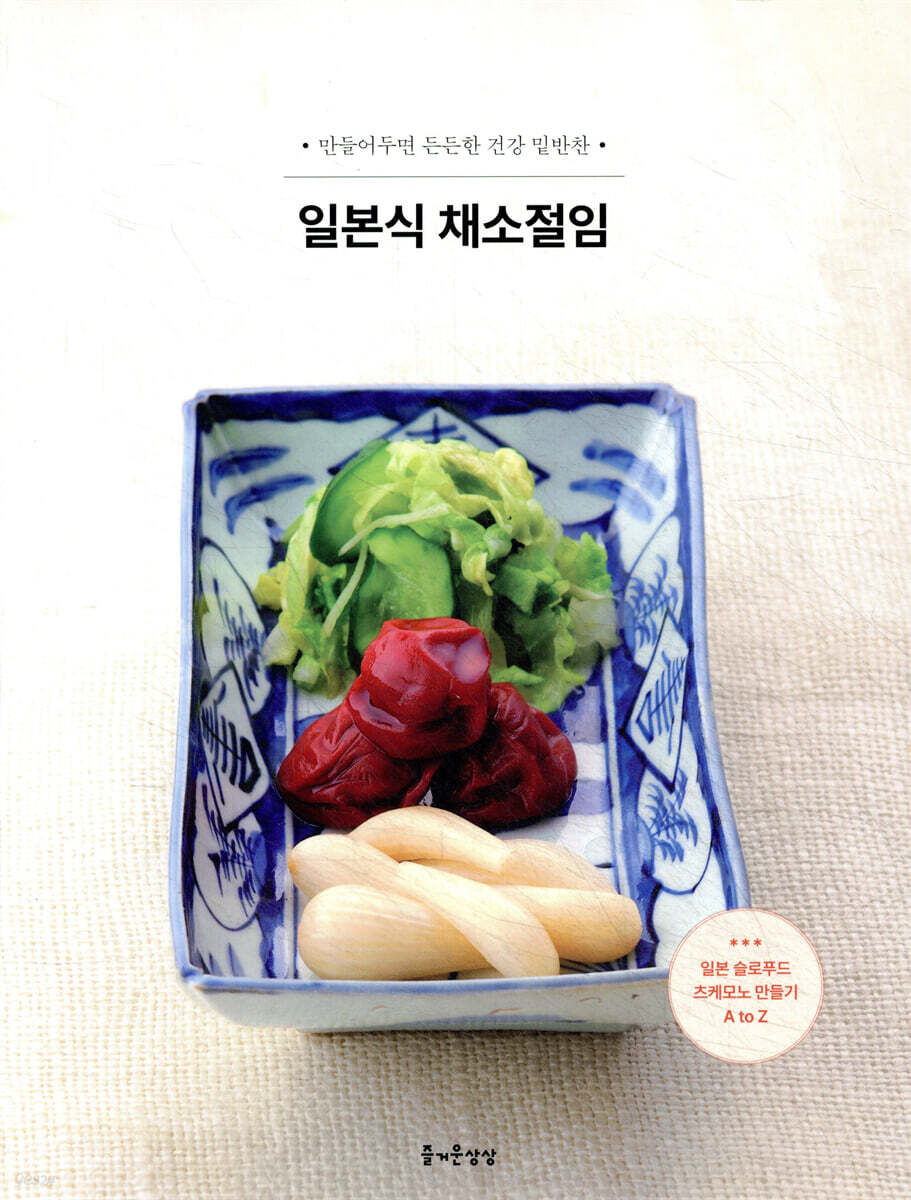
Japanese pickled vegetables
 |
Description
Book Introduction
The Secret of Japanese Home Cooking: Pickled Vegetables
A healthy side dish that's filling and ready to eat
Everything about pickled vegetables (tsukemono)!
People who enjoy Japanese food
For those who need healthy side dishes
Dieters who are tired of salad
People who want to eat more vegetables
Let's make tsukemono!
A healthy side dish that's filling and ready to eat
Everything about pickled vegetables (tsukemono)!
People who enjoy Japanese food
For those who need healthy side dishes
Dieters who are tired of salad
People who want to eat more vegetables
Let's make tsukemono!
- You can preview some of the book's contents.
Preview
index
TOPICS
Four Seasons Pickled Vegetable Calendar
Types of vegetables and the four seasons
Types and uses of seasonings
Containers and tools needed for pickling vegetables
Japanese Pickled Vegetable Recipe
Now try making your own pickled vegetables
Japan's National Pickled Vegetable Map
Chapter 1
Q&A for Beginners in Pickling Vegetables
Basic knowledge of Japanese pickles
What are Japanese pickles?
Types of Japanese pickles
Recipes for using leftover vegetables
Pickled vegetables in a trendy style these days
Using readily available vegetables
How to pickle vegetables
Recipes using unexpected ingredients
The role of salt
Recipes for low-salt foods
Tips for using containers and tools
How to disinfect
Pickled vegetables that are a little easier!
Super Speed Recipe
Chapter 2
Never fails
The basics of pickling vegetables
1.
Pickled radish
How to make radish
Clean pickles with cabbage and celery
Pickled radish with onion and radish
Pickled pumpkin in soy sauce
Pickled Radish Application Recipe
Pickled radish in brine
Purple Cabbage Pickled in Apple Cider Vinegar
Pickled Onions in Soy Sauce
2.
Pickled rice bran
Steps for making rice bran pickles
Pickled bran care tips
Rice Bran Pickle Application Recipe
Cherry tomatoes, zucchini, asparagus, yams, and paprika
3.
Japanese miso pickles
How to make Japanese miso pickles
Doenjang pickled vegetable application recipe
Garlic soybean paste pickles
4.
Pickled cabbage
How to make pickled cabbage
Application Recipes Using Cabbage
Lapachai
Shredded cabbage and pickled yuzu
5.
Pickled mustard greens
How to make pickled mustard greens
Pickled mustard greens application recipe
Finely chopped pickled mustard greens
Pickled turnip salad
6.
Pickled salted vegetables
How to make pickled salted vegetables
Pickled Salted Vegetables Recipe
salted pickled scallions
Pickled scallions in soy sauce
Pickled Japanese mustard greens in miso
7.
Pickled radish
How to make pickled radish
Pickled Radish Application Recipe
Pickled radish
Pickled Radish and Stir-fried Pork
Gakuya
8.
Umeboshi
How to make umeboshi
9.
Crispy pickled radish
How to make pickled radish in small portions
Recipe for pickled radish in a small jar
Retail pickles
How to deal with mold problems on plums
10.
Candied green plums
How to make candied green plums
Application Recipes Using Green Plums
Plum wine, mixed wine
Four Seasons Pickled Vegetable Calendar
Types of vegetables and the four seasons
Types and uses of seasonings
Containers and tools needed for pickling vegetables
Japanese Pickled Vegetable Recipe
Now try making your own pickled vegetables
Japan's National Pickled Vegetable Map
Chapter 1
Q&A for Beginners in Pickling Vegetables
Basic knowledge of Japanese pickles
What are Japanese pickles?
Types of Japanese pickles
Recipes for using leftover vegetables
Pickled vegetables in a trendy style these days
Using readily available vegetables
How to pickle vegetables
Recipes using unexpected ingredients
The role of salt
Recipes for low-salt foods
Tips for using containers and tools
How to disinfect
Pickled vegetables that are a little easier!
Super Speed Recipe
Chapter 2
Never fails
The basics of pickling vegetables
1.
Pickled radish
How to make radish
Clean pickles with cabbage and celery
Pickled radish with onion and radish
Pickled pumpkin in soy sauce
Pickled Radish Application Recipe
Pickled radish in brine
Purple Cabbage Pickled in Apple Cider Vinegar
Pickled Onions in Soy Sauce
2.
Pickled rice bran
Steps for making rice bran pickles
Pickled bran care tips
Rice Bran Pickle Application Recipe
Cherry tomatoes, zucchini, asparagus, yams, and paprika
3.
Japanese miso pickles
How to make Japanese miso pickles
Doenjang pickled vegetable application recipe
Garlic soybean paste pickles
4.
Pickled cabbage
How to make pickled cabbage
Application Recipes Using Cabbage
Lapachai
Shredded cabbage and pickled yuzu
5.
Pickled mustard greens
How to make pickled mustard greens
Pickled mustard greens application recipe
Finely chopped pickled mustard greens
Pickled turnip salad
6.
Pickled salted vegetables
How to make pickled salted vegetables
Pickled Salted Vegetables Recipe
salted pickled scallions
Pickled scallions in soy sauce
Pickled Japanese mustard greens in miso
7.
Pickled radish
How to make pickled radish
Pickled Radish Application Recipe
Pickled radish
Pickled Radish and Stir-fried Pork
Gakuya
8.
Umeboshi
How to make umeboshi
9.
Crispy pickled radish
How to make pickled radish in small portions
Recipe for pickled radish in a small jar
Retail pickles
How to deal with mold problems on plums
10.
Candied green plums
How to make candied green plums
Application Recipes Using Green Plums
Plum wine, mixed wine
Detailed image

Publisher's Review
01_ Introducing a new way to eat vegetables: Japanese pickles.
If Korea has jangajji and the West has pickles, Japan has tsukemono.
It's Japanese pickled vegetables.
It is a side dish that is essential in Japanese home cooking, like Korean pickled vegetables or kimchi.
Anyone who enjoys Japanese food will never forget the taste of tsukemono they have tried at least once.
Tsukemono, a traditional Japanese food, is a delicacy made by pickling seasonal vegetables in various seasonings such as miso, soy sauce, and vinegar.
《Japanese Pickles》 is the first book in Korea to introduce Japanese pickled vegetables, tsukemono.
After more than 10 years, we present a revised edition with a new design.
It contains a variety of recipes, from the basics of pickling vegetables to pickled radish that can be pickled in an hour and eaten right away, to umeboshi that can be pickled for several months and eaten for 2-3 years.
This is great news for those who love Japanese food and want to eat healthy, home-cooked meals.
Because you can change up your table with simple pickled vegetables.
Try making your own unique pickled vegetables that are neither jangajji nor pickles.
02_ Japanese pickled vegetables, a healthy food that can be made and eaten all year round
Japanese pickles are a representative slow food of Japan.
Everyone knows that we should eat plenty of vegetables, but it's difficult to eat an unlimited amount of salad.
Pickled vegetables take up less space, so you can eat plenty of vegetables.
This is a low-sodium recipe that uses no oil, so it's great for dieting.
Any seasonal vegetable can be pickled, and the lactic acid bacteria helps create a healthy intestinal environment.
Onions, garlic, cabbage, eggplant, and radish are representative pickles, but you can also make delicious pickles with Western vegetables that don't seem to go well with pickled vegetables, such as pumpkin, mushrooms, potatoes, carrots, and even tomatoes and tangerines.
"Japanese Pickled Vegetables" offers ideas for eating more vegetables at your daily table.
03_ From basic to advanced recipes, all in one book
When it comes to pickled vegetables and tsukemono, the first things that come to mind are miso pickles and umeboshi.
However, it is difficult for beginners to make it to their taste from the beginning.
Here are some easy recipes that can be made in just an hour, including salted pickles with cabbage and celery, vinegar pickles with radish, and soy sauce pickles made by blanching zucchini.
Once you've become somewhat accustomed to pickled radish, try the savory rice bran pickles or Japanese miso pickles that we admired at Japanese restaurants.
If you follow the tips in the book, you can make delicious pickled vegetables.
It can be used as a side dish for home cooking, as a lunch box side dish, as a snack to go with alcohol, as a thoughtful gift, or as a diet or vegetarian meal.
If Korea has jangajji and the West has pickles, Japan has tsukemono.
It's Japanese pickled vegetables.
It is a side dish that is essential in Japanese home cooking, like Korean pickled vegetables or kimchi.
Anyone who enjoys Japanese food will never forget the taste of tsukemono they have tried at least once.
Tsukemono, a traditional Japanese food, is a delicacy made by pickling seasonal vegetables in various seasonings such as miso, soy sauce, and vinegar.
《Japanese Pickles》 is the first book in Korea to introduce Japanese pickled vegetables, tsukemono.
After more than 10 years, we present a revised edition with a new design.
It contains a variety of recipes, from the basics of pickling vegetables to pickled radish that can be pickled in an hour and eaten right away, to umeboshi that can be pickled for several months and eaten for 2-3 years.
This is great news for those who love Japanese food and want to eat healthy, home-cooked meals.
Because you can change up your table with simple pickled vegetables.
Try making your own unique pickled vegetables that are neither jangajji nor pickles.
02_ Japanese pickled vegetables, a healthy food that can be made and eaten all year round
Japanese pickles are a representative slow food of Japan.
Everyone knows that we should eat plenty of vegetables, but it's difficult to eat an unlimited amount of salad.
Pickled vegetables take up less space, so you can eat plenty of vegetables.
This is a low-sodium recipe that uses no oil, so it's great for dieting.
Any seasonal vegetable can be pickled, and the lactic acid bacteria helps create a healthy intestinal environment.
Onions, garlic, cabbage, eggplant, and radish are representative pickles, but you can also make delicious pickles with Western vegetables that don't seem to go well with pickled vegetables, such as pumpkin, mushrooms, potatoes, carrots, and even tomatoes and tangerines.
"Japanese Pickled Vegetables" offers ideas for eating more vegetables at your daily table.
03_ From basic to advanced recipes, all in one book
When it comes to pickled vegetables and tsukemono, the first things that come to mind are miso pickles and umeboshi.
However, it is difficult for beginners to make it to their taste from the beginning.
Here are some easy recipes that can be made in just an hour, including salted pickles with cabbage and celery, vinegar pickles with radish, and soy sauce pickles made by blanching zucchini.
Once you've become somewhat accustomed to pickled radish, try the savory rice bran pickles or Japanese miso pickles that we admired at Japanese restaurants.
If you follow the tips in the book, you can make delicious pickled vegetables.
It can be used as a side dish for home cooking, as a lunch box side dish, as a snack to go with alcohol, as a thoughtful gift, or as a diet or vegetarian meal.
GOODS SPECIFICS
- Date of issue: September 30, 2025
- Page count, weight, size: 96 pages | 338g | 210*297*8mm
- ISBN13: 9791155362402
- ISBN10: 1155362403
You may also like
카테고리
korean


korean

![GQ KOREA Mark (Monthly): December [2025]](http://librairie.coreenne.fr/cdn/shop/files/8ef265dbbfbf186523ed75ba7319009d.jpg?v=1765340328&width=3840)


