

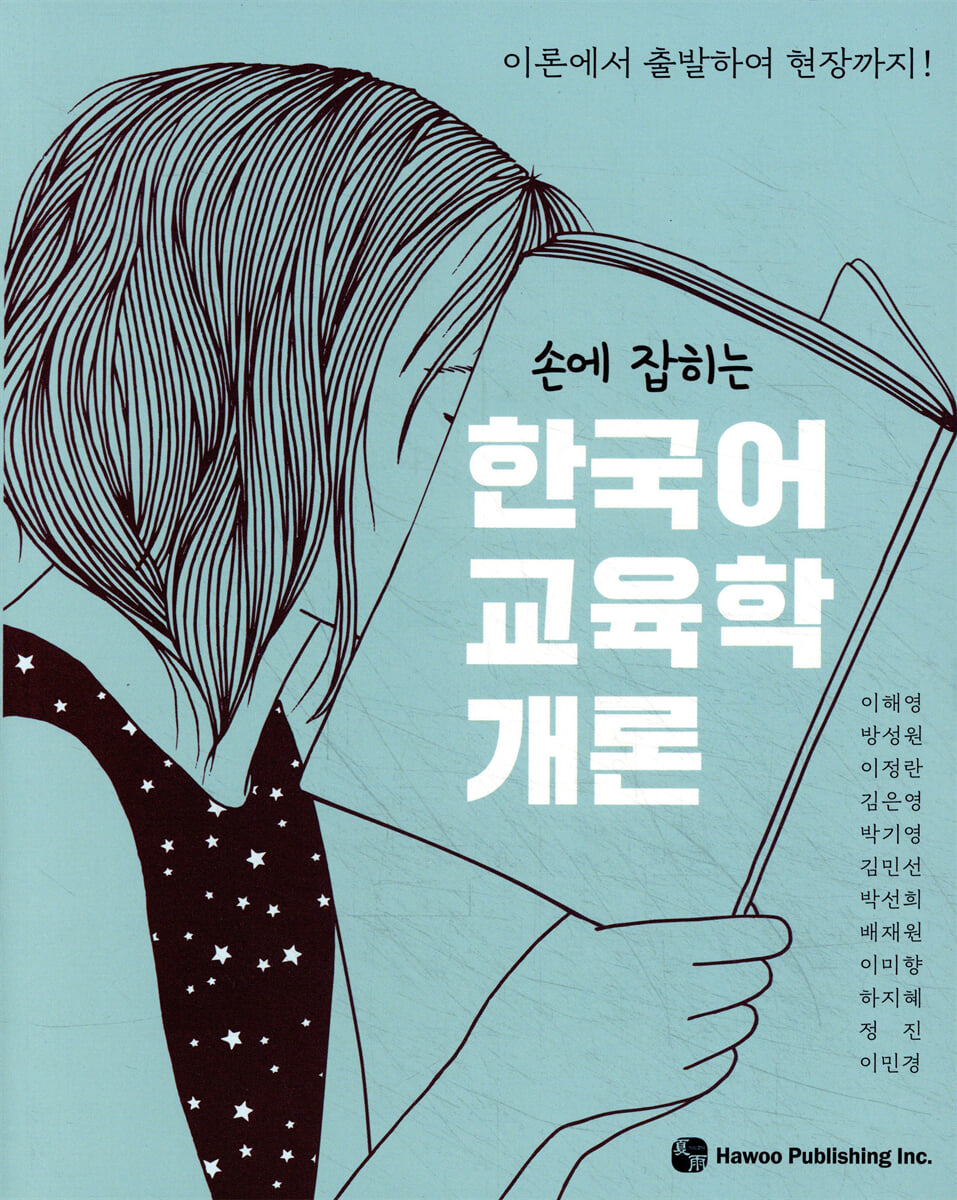
Introduction to Korean Language Education at Your Fingertips
 |
Description
Book Introduction
Those who set out to teach Korean with the hope of becoming good Korean teachers often find themselves pondering an obvious question.
How can we effectively teach Korean? Can being Korean, or simply being fluent in Korean, be enough to effectively teach Korean? To address these questions, the authors have prepared this book for you, our junior teachers just starting out in Korean language education, as well as our future colleagues.
This book is divided into 3 parts and 12 chapters.
Part 1 helps you explore the implementation of Korean language education.
Chapter 1 introduces the key concepts needed to plan and implement a Korean language curriculum, and Chapter 2 provides information needed to select and effectively utilize Korean language textbooks.
Chapter 3 provided information on various digital media that can be utilized in Korean language education.
Part 2 is full of practical and authentic content that teaches Korean language and culture.
Chapter 4 provides helpful guidance through lesson plans on how to teach pronunciation in actual classroom settings, as well as the content of pronunciation education. Chapter 5 provides methods for teaching Korean vocabulary, and Chapter 6 provides content on teaching Korean grammar.
Additionally, Chapter 7 provides guidance on methods of pragmatics education that learners are curious about but have not been implemented well in Korean language education, and Chapter 8 deals with the theory and practice of Korean language culture education.
Part 3 provides guidance on how to improve communication skills through speaking, listening, reading, and writing.
Chapter 9 introduces effective Korean listening teaching methods.
Chapter 10 covers methods for teaching Korean speaking, and Chapter 11 provides guidance on effective methods for teaching Korean reading.
Chapter 12 provides guidance on teaching Korean writing.
How can we effectively teach Korean? Can being Korean, or simply being fluent in Korean, be enough to effectively teach Korean? To address these questions, the authors have prepared this book for you, our junior teachers just starting out in Korean language education, as well as our future colleagues.
This book is divided into 3 parts and 12 chapters.
Part 1 helps you explore the implementation of Korean language education.
Chapter 1 introduces the key concepts needed to plan and implement a Korean language curriculum, and Chapter 2 provides information needed to select and effectively utilize Korean language textbooks.
Chapter 3 provided information on various digital media that can be utilized in Korean language education.
Part 2 is full of practical and authentic content that teaches Korean language and culture.
Chapter 4 provides helpful guidance through lesson plans on how to teach pronunciation in actual classroom settings, as well as the content of pronunciation education. Chapter 5 provides methods for teaching Korean vocabulary, and Chapter 6 provides content on teaching Korean grammar.
Additionally, Chapter 7 provides guidance on methods of pragmatics education that learners are curious about but have not been implemented well in Korean language education, and Chapter 8 deals with the theory and practice of Korean language culture education.
Part 3 provides guidance on how to improve communication skills through speaking, listening, reading, and writing.
Chapter 9 introduces effective Korean listening teaching methods.
Chapter 10 covers methods for teaching Korean speaking, and Chapter 11 provides guidance on effective methods for teaching Korean reading.
Chapter 12 provides guidance on teaching Korean writing.
index
Part 1.
Exploring Korean Language Education Practices
Chapter 1: Understanding the Korean Language Curriculum and the Overall Flow of Education
1.1.
Understanding the Korean Language Curriculum
1.2.
Designing a Korean language syllabus
1.3. Planning a Korean Language Assessment
Chapter 2: Selecting and Using Korean Language Textbooks
2.1.
Learn about the textbook
2.2.
Selecting a textbook
2.3. Using the textbook
Chapter 3: Let's Use Digital Media in Korean Language Education
3.1.
Why is digital media education necessary?
3.2.
What should I prepare to use digital media?
3.3.
What media can be used in language education?
Part 2.
Teaching Korean language and culture
Chapter 4: Teaching Korean Pronunciation from the Basics
4.1.
So that I can pronounce it like a Korean person?
4.2.
What to Teach: Contents of Korean Pronunciation Education
4.4.
Pronunciation education begins with accurate pronunciation diagnosis.
4.4.
How to Teach: Methods for Teaching Korean Pronunciation
Chapter 5: Teaching Korean Vocabulary
5.1.
Laying the foundation for vocabulary education
5.2.
Selecting and teaching that many vocabulary words according to the principles
5.3.
Several branches of vocabulary teaching content
5.4.
Activities that teach vocabulary usage
Chapter 6: Teaching Korean Grammar Accurately
6.1.
Grammatical items and semantic functions
6.2.
Discriminating grammatical items
6.3.
Organizing Grammar Lessons
6.4.
Activities to ensure accuracy of grammar items
6.5.
Evaluate grammar
Chapter 7: Understanding Korean Pragmatic Phenomena and Handling Them in the Classroom
7.1.
Teaching how to communicate without misunderstandings
7.2.
A close encounter between language and culture
7.3.
Pragmatic phenomena in Korean that foreigners find difficult
7.4.
Entering and leaving the classroom
Chapter 8: How to Teach Korean Culture, a Culture You Want to Know and Share
8.1.
Cultural education varies depending on foreign language teaching methods!
8.2.
Cultural education requires a cultural perspective.
8.3.
Culture, what should we teach?
8.4.
Culture, how should it be taught?
Part 3.
Improve your communication skills with skill-specific training.
Chapter 9: The Beginning of Communication: Korean Listening Education
9.1.
Listening Teacher Preparation
9.2.
Understanding the listener
9.3.
The road to finding 'listening'
9.4.
Open the door and enter the listening classroom
Chapter 10: Teaching Korean to Speak Fluently and Clearly
10.1.
Conceptualization for Speaking Education
10.2.
Strategies for Successful Speaking
10.3.
Speaking class, from preparation to completion
10.4.
Creating Reliable Speaking Assessments
Chapter 11: From Understanding to Appreciation: Teaching Korean Reading
11.1.
A must-read, the foundation of reading education
11.2.
Don't just read, read strategically.
11.3.
Teaching structured reading
11.4.
Assessing reading skills across the board
Chapter 12: Self-Expression: Teaching Korean Writing
12.1.
Writing, knowing it properly
12.2.
Different Approaches to Writing Education
12.3.
Teach so that anyone can use it easily
12.4.
Correct and comprehensively evaluate
References
index
Epilogue
Exploring Korean Language Education Practices
Chapter 1: Understanding the Korean Language Curriculum and the Overall Flow of Education
1.1.
Understanding the Korean Language Curriculum
1.2.
Designing a Korean language syllabus
1.3. Planning a Korean Language Assessment
Chapter 2: Selecting and Using Korean Language Textbooks
2.1.
Learn about the textbook
2.2.
Selecting a textbook
2.3. Using the textbook
Chapter 3: Let's Use Digital Media in Korean Language Education
3.1.
Why is digital media education necessary?
3.2.
What should I prepare to use digital media?
3.3.
What media can be used in language education?
Part 2.
Teaching Korean language and culture
Chapter 4: Teaching Korean Pronunciation from the Basics
4.1.
So that I can pronounce it like a Korean person?
4.2.
What to Teach: Contents of Korean Pronunciation Education
4.4.
Pronunciation education begins with accurate pronunciation diagnosis.
4.4.
How to Teach: Methods for Teaching Korean Pronunciation
Chapter 5: Teaching Korean Vocabulary
5.1.
Laying the foundation for vocabulary education
5.2.
Selecting and teaching that many vocabulary words according to the principles
5.3.
Several branches of vocabulary teaching content
5.4.
Activities that teach vocabulary usage
Chapter 6: Teaching Korean Grammar Accurately
6.1.
Grammatical items and semantic functions
6.2.
Discriminating grammatical items
6.3.
Organizing Grammar Lessons
6.4.
Activities to ensure accuracy of grammar items
6.5.
Evaluate grammar
Chapter 7: Understanding Korean Pragmatic Phenomena and Handling Them in the Classroom
7.1.
Teaching how to communicate without misunderstandings
7.2.
A close encounter between language and culture
7.3.
Pragmatic phenomena in Korean that foreigners find difficult
7.4.
Entering and leaving the classroom
Chapter 8: How to Teach Korean Culture, a Culture You Want to Know and Share
8.1.
Cultural education varies depending on foreign language teaching methods!
8.2.
Cultural education requires a cultural perspective.
8.3.
Culture, what should we teach?
8.4.
Culture, how should it be taught?
Part 3.
Improve your communication skills with skill-specific training.
Chapter 9: The Beginning of Communication: Korean Listening Education
9.1.
Listening Teacher Preparation
9.2.
Understanding the listener
9.3.
The road to finding 'listening'
9.4.
Open the door and enter the listening classroom
Chapter 10: Teaching Korean to Speak Fluently and Clearly
10.1.
Conceptualization for Speaking Education
10.2.
Strategies for Successful Speaking
10.3.
Speaking class, from preparation to completion
10.4.
Creating Reliable Speaking Assessments
Chapter 11: From Understanding to Appreciation: Teaching Korean Reading
11.1.
A must-read, the foundation of reading education
11.2.
Don't just read, read strategically.
11.3.
Teaching structured reading
11.4.
Assessing reading skills across the board
Chapter 12: Self-Expression: Teaching Korean Writing
12.1.
Writing, knowing it properly
12.2.
Different Approaches to Writing Education
12.3.
Teach so that anyone can use it easily
12.4.
Correct and comprehensively evaluate
References
index
Epilogue
GOODS SPECIFICS
- Publication date: April 30, 2021
- Page count, weight, size: 388 pages | 748g | 188*235*30mm
- ISBN13: 9791191259995
- ISBN10: 1191259994
You may also like
카테고리
korean


korean

![GQ KOREA Mark (Monthly): December [2025]](http://librairie.coreenne.fr/cdn/shop/files/8ef265dbbfbf186523ed75ba7319009d.jpg?v=1765340328&width=3840)


