

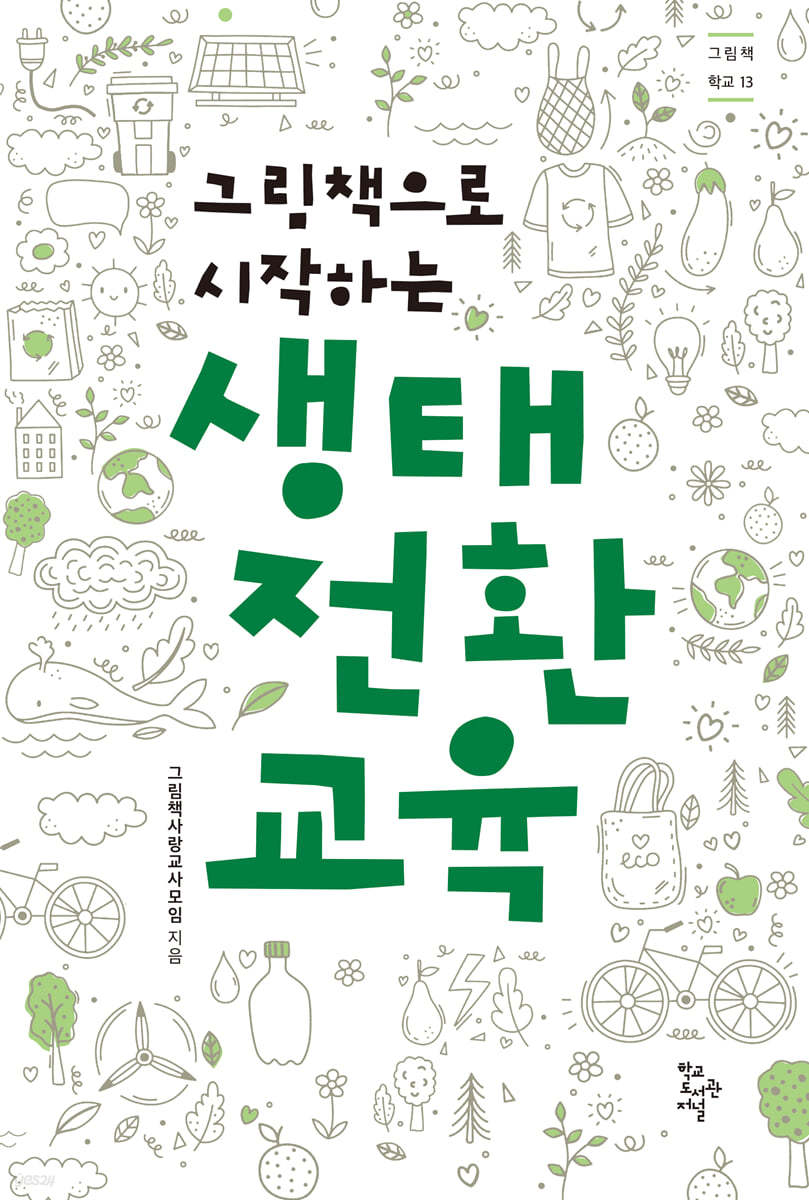
Ecological Transition Education Starting with Picture Books
 |
Description
Book Introduction
Ecological Transition Education: A Key Part of the 2022 Revised Curriculum!
For effective ecological transition classes
Useful and practical picture book activities!
A Guide to Ecological Transition Classes with 62 Picture Books on Five Themes
The 'Picture Book Lovers Teachers' Association', which has been widely promoting the value of lessons using picture books, has included environmental education activities linked to picture books.
Environmental issues that might otherwise be discussed only at international conferences, such as global warming, waste management, animal protection, fair trade, and renewable energy, are also deeply connected to children's daily lives.
Teachers should grasp this point and conduct 'ecological transition' classes that change both perception and behavior.
There are countless environmental picture books, but what kinds of activities can we engage with them? Beyond standard activities like writing book reports and drawing posters, are there any effective post-reading activities that can help children actively address environmental issues? This book divides the vast environmental issues into five major themes and introduces 62 picture books.
At the same time, we introduce effective post-reading activities for each of the 62 volumes.
Through this book, teachers will be able to see a variety of reading activities of various sizes and types, from single-class lessons to project-based classes.
For effective ecological transition classes
Useful and practical picture book activities!
A Guide to Ecological Transition Classes with 62 Picture Books on Five Themes
The 'Picture Book Lovers Teachers' Association', which has been widely promoting the value of lessons using picture books, has included environmental education activities linked to picture books.
Environmental issues that might otherwise be discussed only at international conferences, such as global warming, waste management, animal protection, fair trade, and renewable energy, are also deeply connected to children's daily lives.
Teachers should grasp this point and conduct 'ecological transition' classes that change both perception and behavior.
There are countless environmental picture books, but what kinds of activities can we engage with them? Beyond standard activities like writing book reports and drawing posters, are there any effective post-reading activities that can help children actively address environmental issues? This book divides the vast environmental issues into five major themes and introduces 62 picture books.
At the same time, we introduce effective post-reading activities for each of the 62 volumes.
Through this book, teachers will be able to see a variety of reading activities of various sizes and types, from single-class lessons to project-based classes.
- You can preview some of the book's contents.
Preview
index
· Opening Remarks: Environmental Classes Packed with Picture Books
① The Earth is getting warmer
Global Warming: Time is running out
『Snowstorm』 │ 『Hot Earth』 │ 『Climate Change Story』 │ 『Even if it's difficult, we'll save the Earth!』
Carbon Neutrality: How Can We Reduce Our Carbon Footprint?
The Earth Needs You! | An Hour for the Earth | Earth's Work
Forests and Wildfires: Saving Forests Burned by Wildfires
Tiger Wind │ Letters from the Amazon Forest │ After the Forest Fire
Trees and Desertification: Protecting Green Land
Trees are Good │ Bald Desert │ I Thought Were All the Same Trees │ The Tree Thief
Climate Refugees: Climate Change Creates Refugees
The Last Island │ I Should Have Taught Tuvalu How to Swim!
② Why does environmental pollution occur?
Waste and Soil Pollution: Where Does Our Throwaway Go?
"Spring Hasn't Come Yet" │ "Box World" │ "09:47"
River and Water Pollution: Saving Precious Water
The Janitor Rabbit │ The Contamination Has Exploded!
Air Pollution: The Right to Breathe Healthy
"The murky air, no more" │ "The dust of death is falling"
Microplastics and Clothing: Are Microplastics Coming Out of Your Clothes?
『Finely Fine Flavored Plasup』 │ 『Plastic Earth』 │ 『Mimi's Sweater』
Resource Circulation: Waste or Resource?
The Garbage Ghost Appears! │ Ada's Violin
③ Why we need to protect the ecosystem
Biodiversity: Do you like sweet, soft bananas?
『One Fruit』 │ 『Illuminature - Illuminating Nature』
Ecosystem Equilibrium: How can ecosystems achieve, maintain, and restore equilibrium?
Who Eats Whom? │ Fourteen Wolves
Animal Rights and Zoos: Animals Are Also Part of the Earth's Ecosystem
We're Here, Zoo │ Tomorrow's Zoo
Endangered Marine Life: Marine Life is the Guardian of the Earth
Hello, My Whale | Disappearing Animal Friends | We'll Disappear Soon
Endangered Terrestrial Animals: Protecting Endangered Animals
The Tooth Hunter │ The Elephant, the Forest, and the Potato Chips
④ What do we buy and eat?
Reduce consumption: Use longer and buy less.
"The Best Car" │ "Oh My, You Have to Buy This!" │ "Born and Disappeared"
Consumption and Responsibility: Valuable Production, Meaningful Consumption
"A Wonderful Day"
Fair Trade and Fair Travel: A Good Step for the Environment
Fair Trade: A Story of a Happy Cacao Farm │ Blue T-Shirt's Journey │ Fair Trade Travel: Stay at Lodge's House Instead of a Hotel
Permaculture: For Safe Food
Farmer's Calendar │ I Got a Garden! │ Invitation to the Urban Garden
Food and the Environment: Considering an Environmentally Friendly Diet
"The Vegetarian Tiger Bara" │ "Vegetarianism is Love" │ "Mr. Anchor's Story of Happiness"
⑤ Energy and City Stories
Energy Saving: Check Your Electricity Lifestyle
『Dal Shabet』 │ 『Yum Yum Bingsu』
Renewable Energy: Special Energy for Green Planets
"I am a child of the sun" │ "Make electricity with the wind" │ "Power up! Energy War" │ "Someone stop my dad!"
City Creation: Eco-Cities in Harmony with Nature
『Guide to Becoming a Wise Boar』 │ 『Leave Our Forest Alone!』 │ 『Brother's Forest』
Urban Regeneration: How to Keep Cities Healthy
The Building Where Trees Grow
① The Earth is getting warmer
Global Warming: Time is running out
『Snowstorm』 │ 『Hot Earth』 │ 『Climate Change Story』 │ 『Even if it's difficult, we'll save the Earth!』
Carbon Neutrality: How Can We Reduce Our Carbon Footprint?
The Earth Needs You! | An Hour for the Earth | Earth's Work
Forests and Wildfires: Saving Forests Burned by Wildfires
Tiger Wind │ Letters from the Amazon Forest │ After the Forest Fire
Trees and Desertification: Protecting Green Land
Trees are Good │ Bald Desert │ I Thought Were All the Same Trees │ The Tree Thief
Climate Refugees: Climate Change Creates Refugees
The Last Island │ I Should Have Taught Tuvalu How to Swim!
② Why does environmental pollution occur?
Waste and Soil Pollution: Where Does Our Throwaway Go?
"Spring Hasn't Come Yet" │ "Box World" │ "09:47"
River and Water Pollution: Saving Precious Water
The Janitor Rabbit │ The Contamination Has Exploded!
Air Pollution: The Right to Breathe Healthy
"The murky air, no more" │ "The dust of death is falling"
Microplastics and Clothing: Are Microplastics Coming Out of Your Clothes?
『Finely Fine Flavored Plasup』 │ 『Plastic Earth』 │ 『Mimi's Sweater』
Resource Circulation: Waste or Resource?
The Garbage Ghost Appears! │ Ada's Violin
③ Why we need to protect the ecosystem
Biodiversity: Do you like sweet, soft bananas?
『One Fruit』 │ 『Illuminature - Illuminating Nature』
Ecosystem Equilibrium: How can ecosystems achieve, maintain, and restore equilibrium?
Who Eats Whom? │ Fourteen Wolves
Animal Rights and Zoos: Animals Are Also Part of the Earth's Ecosystem
We're Here, Zoo │ Tomorrow's Zoo
Endangered Marine Life: Marine Life is the Guardian of the Earth
Hello, My Whale | Disappearing Animal Friends | We'll Disappear Soon
Endangered Terrestrial Animals: Protecting Endangered Animals
The Tooth Hunter │ The Elephant, the Forest, and the Potato Chips
④ What do we buy and eat?
Reduce consumption: Use longer and buy less.
"The Best Car" │ "Oh My, You Have to Buy This!" │ "Born and Disappeared"
Consumption and Responsibility: Valuable Production, Meaningful Consumption
"A Wonderful Day"
Fair Trade and Fair Travel: A Good Step for the Environment
Fair Trade: A Story of a Happy Cacao Farm │ Blue T-Shirt's Journey │ Fair Trade Travel: Stay at Lodge's House Instead of a Hotel
Permaculture: For Safe Food
Farmer's Calendar │ I Got a Garden! │ Invitation to the Urban Garden
Food and the Environment: Considering an Environmentally Friendly Diet
"The Vegetarian Tiger Bara" │ "Vegetarianism is Love" │ "Mr. Anchor's Story of Happiness"
⑤ Energy and City Stories
Energy Saving: Check Your Electricity Lifestyle
『Dal Shabet』 │ 『Yum Yum Bingsu』
Renewable Energy: Special Energy for Green Planets
"I am a child of the sun" │ "Make electricity with the wind" │ "Power up! Energy War" │ "Someone stop my dad!"
City Creation: Eco-Cities in Harmony with Nature
『Guide to Becoming a Wise Boar』 │ 『Leave Our Forest Alone!』 │ 『Brother's Forest』
Urban Regeneration: How to Keep Cities Healthy
The Building Where Trees Grow
Detailed image

Into the book
Just as we cannot foresee the future, past generations could not have foreseen that their then-current desire for development would lead to the environmental problems we face today.
However, since we are currently 'experiencing' environmental problems and 'recognizing' the crisis, we must try to solve this problem with the future in mind.
---From "Page 7, Opening Note"
Rather than despairing and becoming frustrated about global warming, it is important to know what we can do now and do our best.
I believe that although students' actions to prevent global warming may be small, they will bring about big changes when they come together.
I hope we can consistently practice small steps so that our students can move beyond anxiety and fear about the climate crisis and live as earthlings who reflect on and judge their lives in light of "coexistence with the Earth."
---From "Page 26, The Warming Earth"
The picture book introduces the sewage treatment process, but the words such as sedimentation tank, biological reactor, and disinfection tank may seem difficult.
So, if possible, I recommend visiting the local 'Clean Water Circulation Center (Sewage Treatment Plant)'.
If you apply for a tour in advance, you can receive a detailed explanation of the sewage treatment process under the supervision of a person in charge.
However, for elementary and middle school students, small group tours of 10 or fewer people are recommended for safety reasons.
---From "Page 100, Why Does Environmental Pollution Occur?"
Before reading the picture book, it is necessary to look at the space again through the lens of ‘the zoo from the animals’ perspective.’
When you go to the zoo, talk about positive experiences that were good or beneficial, and negative experiences that were disappointing or uncomfortable, without being biased towards either side.
When there aren't many negative experiences, the teacher can point out that zoo animals are less active than wild animals and guide students to consider why this is and what they think when they see such animals.
---From "Page 162, Why We Must Protect the Ecosystem"
Look at each other's activity sheets with your group friends and write down what you felt.
During the sorting process, students were surprised to find that there were more unnecessary items than they had expected.
They thought they were spending wisely, but they realized they weren't. It was good to be able to think about whether they really needed the things they had, and they responded that they should think about whether the things they buy in the future will really be useful and whether they can reuse the things they have now.
---From "Page 207, What Do We Buy and What Do We Eat?"
As cities form, 'urbanization' occurs, with the urban population increasing and the urban lifestyle expanding to surrounding areas.
Let's explore the pros and cons of urban development using the PMI (Plus Minus Interesting) technique. PMI (Plus Minus Interesting) is a process of recording a specific target's strengths (P), weaknesses (M), and interesting points (I), analyzing and evaluating each, and finding the best solution.
However, since we are currently 'experiencing' environmental problems and 'recognizing' the crisis, we must try to solve this problem with the future in mind.
---From "Page 7, Opening Note"
Rather than despairing and becoming frustrated about global warming, it is important to know what we can do now and do our best.
I believe that although students' actions to prevent global warming may be small, they will bring about big changes when they come together.
I hope we can consistently practice small steps so that our students can move beyond anxiety and fear about the climate crisis and live as earthlings who reflect on and judge their lives in light of "coexistence with the Earth."
---From "Page 26, The Warming Earth"
The picture book introduces the sewage treatment process, but the words such as sedimentation tank, biological reactor, and disinfection tank may seem difficult.
So, if possible, I recommend visiting the local 'Clean Water Circulation Center (Sewage Treatment Plant)'.
If you apply for a tour in advance, you can receive a detailed explanation of the sewage treatment process under the supervision of a person in charge.
However, for elementary and middle school students, small group tours of 10 or fewer people are recommended for safety reasons.
---From "Page 100, Why Does Environmental Pollution Occur?"
Before reading the picture book, it is necessary to look at the space again through the lens of ‘the zoo from the animals’ perspective.’
When you go to the zoo, talk about positive experiences that were good or beneficial, and negative experiences that were disappointing or uncomfortable, without being biased towards either side.
When there aren't many negative experiences, the teacher can point out that zoo animals are less active than wild animals and guide students to consider why this is and what they think when they see such animals.
---From "Page 162, Why We Must Protect the Ecosystem"
Look at each other's activity sheets with your group friends and write down what you felt.
During the sorting process, students were surprised to find that there were more unnecessary items than they had expected.
They thought they were spending wisely, but they realized they weren't. It was good to be able to think about whether they really needed the things they had, and they responded that they should think about whether the things they buy in the future will really be useful and whether they can reuse the things they have now.
---From "Page 207, What Do We Buy and What Do We Eat?"
As cities form, 'urbanization' occurs, with the urban population increasing and the urban lifestyle expanding to surrounding areas.
Let's explore the pros and cons of urban development using the PMI (Plus Minus Interesting) technique. PMI (Plus Minus Interesting) is a process of recording a specific target's strengths (P), weaknesses (M), and interesting points (I), analyzing and evaluating each, and finding the best solution.
---From "Energy and the City" on page 289
Publisher's Review
Ecological transition education is a daunting task to prepare for…
Ecological transition activities starting with environmental picture books,
How and what should I start with?
‘Ecological Transition Education’ is an education that changes the perception of environmental education from people-centered to ecology-centered.
It is about questioning the way of life that has been taken for granted for human convenience and pursuing changes in both thought and action for the coexistence of people and nature and a sustainable ecosystem.
If so, ecological transition can only be achieved through knowledge of environmental problems and action to solve them.
How can we inspire both change in children's thinking and action? The Picture Book Lovers' Group, which has previously presented a variety of creative activity classes utilizing picture books, is now proposing books to read with children and various follow-up activities on the theme of "ecological transition."
From a shift in perception that allows children to view environmental issues as their own, to environmental protection activities that begin with small actions, this book will serve as an excellent teaching guide for teachers preparing for ecological transition education.
So much so that it can be used right away in class.
Concrete and practical
Ecological Transition Picture Book Activity Guide!
When designing classes around the topic of ecological transition, the most difficult part for teachers is likely to be guiding children to continue environmental protection activities in their daily lives.
The authors of this book divide various environmental issues into five themes and introduce a total of 62 picture books.
Each picture book must introduce at least one post-reading activity, providing detailed instructions and precautions.
There are one-time activities such as ‘Write a letter to a character’, ‘Draw an environmental protection poster’, and ‘Analyze the PMI of urban development’, but it is also divided into [Before reading activities - Main activities - Closing activities] and introduces project-based activities that help children naturally internalize ecological transition over several classes such as ‘Planning urban regeneration’, ‘Debating the pros and cons of zoo closure’, and ‘Tending my own garden’.
Each activity is introduced with photos of actual class scenes and detailed class procedures, so even first-time teachers can prepare classes without difficulty.
This book, which is like a guide to using environmental picture books, will be an essential navigation for teachers who are struggling to prepare lessons for their first ecological transition education with children.
author
Jeon Eun-ju, Seoul Gajaeul Elementary School
Kang Ji-young, Gwangju Bonchon Elementary School
Kijuyoung Iridongsan Elementary School
Nam Jin-hee, Seoul Wolgok Elementary School
Ma Hye-jeong, Pogok Middle School
Min Yeon-sik, Yongin Eonnam Elementary School
Park So-hyeon, Incheon Bugaeseo Elementary School
Lee Yu-dam, Singil Middle School
Lee Eun-yeol, Seoul Wooam Elementary School
Jang Ji-young, Eungye Middle School
Jeon Hye-gyeong, Seoul Independence Gate Elementary School
Hwang Jin-hee, Kim Hae-sunam Elementary School
Ecological transition activities starting with environmental picture books,
How and what should I start with?
‘Ecological Transition Education’ is an education that changes the perception of environmental education from people-centered to ecology-centered.
It is about questioning the way of life that has been taken for granted for human convenience and pursuing changes in both thought and action for the coexistence of people and nature and a sustainable ecosystem.
If so, ecological transition can only be achieved through knowledge of environmental problems and action to solve them.
How can we inspire both change in children's thinking and action? The Picture Book Lovers' Group, which has previously presented a variety of creative activity classes utilizing picture books, is now proposing books to read with children and various follow-up activities on the theme of "ecological transition."
From a shift in perception that allows children to view environmental issues as their own, to environmental protection activities that begin with small actions, this book will serve as an excellent teaching guide for teachers preparing for ecological transition education.
So much so that it can be used right away in class.
Concrete and practical
Ecological Transition Picture Book Activity Guide!
When designing classes around the topic of ecological transition, the most difficult part for teachers is likely to be guiding children to continue environmental protection activities in their daily lives.
The authors of this book divide various environmental issues into five themes and introduce a total of 62 picture books.
Each picture book must introduce at least one post-reading activity, providing detailed instructions and precautions.
There are one-time activities such as ‘Write a letter to a character’, ‘Draw an environmental protection poster’, and ‘Analyze the PMI of urban development’, but it is also divided into [Before reading activities - Main activities - Closing activities] and introduces project-based activities that help children naturally internalize ecological transition over several classes such as ‘Planning urban regeneration’, ‘Debating the pros and cons of zoo closure’, and ‘Tending my own garden’.
Each activity is introduced with photos of actual class scenes and detailed class procedures, so even first-time teachers can prepare classes without difficulty.
This book, which is like a guide to using environmental picture books, will be an essential navigation for teachers who are struggling to prepare lessons for their first ecological transition education with children.
author
Jeon Eun-ju, Seoul Gajaeul Elementary School
Kang Ji-young, Gwangju Bonchon Elementary School
Kijuyoung Iridongsan Elementary School
Nam Jin-hee, Seoul Wolgok Elementary School
Ma Hye-jeong, Pogok Middle School
Min Yeon-sik, Yongin Eonnam Elementary School
Park So-hyeon, Incheon Bugaeseo Elementary School
Lee Yu-dam, Singil Middle School
Lee Eun-yeol, Seoul Wooam Elementary School
Jang Ji-young, Eungye Middle School
Jeon Hye-gyeong, Seoul Independence Gate Elementary School
Hwang Jin-hee, Kim Hae-sunam Elementary School
GOODS SPECIFICS
- Date of issue: April 24, 2023
- Page count, weight, size: 312 pages | 576g | 152*225*20mm
- ISBN13: 9788969151452
- ISBN10: 8969151451
You may also like
카테고리
korean


korean

![GQ KOREA Mark (Monthly): December [2025]](http://librairie.coreenne.fr/cdn/shop/files/8ef265dbbfbf186523ed75ba7319009d.jpg?v=1765340328&width=3840)


