

Smart semiconductor investments
 |
Description
Book Introduction
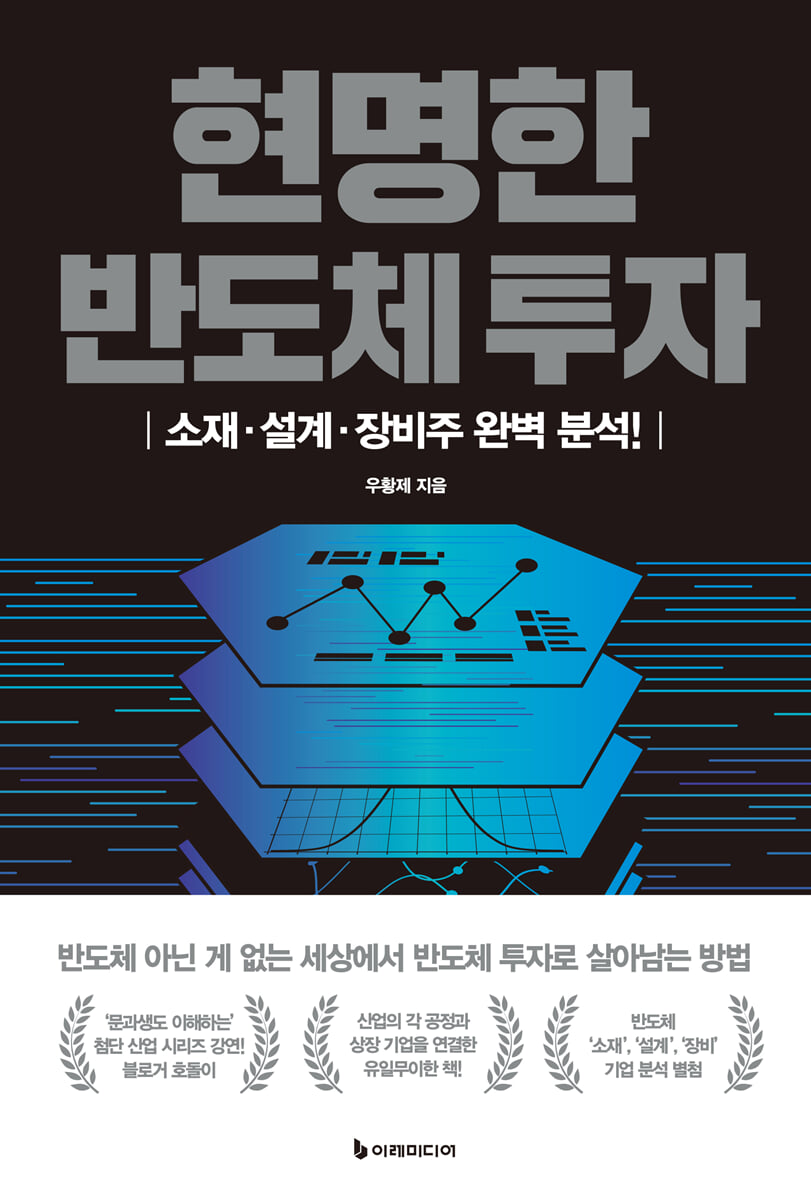
A book that helps you connect the core of the semiconductor industry with investment by explaining it in an easy-to-understand manner!
"Smart Semiconductor Investment," the only book that helps readers easily understand the theoretical details of the vast semiconductor industry and connect them to investments in semiconductor materials, design, and equipment, has been revised and republished.
The author, who majored in electrical and electronic engineering and has consistently conducted bottom-up and top-down analyses on over 200 companies across industries for over 15 years, has generously poured his expertise, honed through his lecture series on cutting-edge industries that even liberal arts students can understand, into this book.
"Smart Semiconductor Investment," the only book that helps readers easily understand the theoretical details of the vast semiconductor industry and connect them to investments in semiconductor materials, design, and equipment, has been revised and republished.
The author, who majored in electrical and electronic engineering and has consistently conducted bottom-up and top-down analyses on over 200 companies across industries for over 15 years, has generously poured his expertise, honed through his lecture series on cutting-edge industries that even liberal arts students can understand, into this book.
- You can preview some of the book's contents.
Preview
index
Opening Remarks: Steps to Smart Semiconductor Investment
A Gift to the Semiconductor Industry: Opening Up Investment Opportunities
Chapter 1: Why You Should Buy Semiconductor Stocks
Will the semiconductor industry continue to deliver sustainable profits?
The semiconductor industry from an investment perspective
Why Many Investors Fail in the Semiconductor Industry
Chapter 2: The First Step to Semiconductor Investment: Knowing Semiconductors is the Beginning!
There are no atoms in the semiconductor industry speculation market.
What on earth are semiconductors?
Why are semiconductors needed?
When materials change, industries change and investment opportunities arise.
Wide-bandgap semiconductors: the food of the future, ushering in a new era of semiconductors.
The dream new material 'graphene' is about to be commercialized in the semiconductor industry!
Moore's Law and Beyond
Chapter 3: If You Don't Understand Memory Semiconductors, You Can't Buy Domestic Stocks
A new era called main memory
DRAM and NAND flash, why do we use them?
Why DRAM is the backbone of the memory industry
Where does DRAM's competitiveness come from?
Another investment opportunity that DRAM consistently brings
Is the DRAM used in mobile devices the same as the DRAM used in PCs?
Why did the Norwegian Flash industry become extinct?
Jeju Semiconductor, a steadfast survivor between Samsung Electronics and SK Hynix.
The Story Behind the Trend of SSDs
Is Intel's next-generation memory really a threat to the domestic memory market?
Chapter 4: Another Option: Non-Memory Semiconductors
Investment in non-memory semiconductors begins with a wide variety of products.
The beginning of the CPU
Above Semiconductor, a listed MCU company with the appeal of diversity.
AP, growing beyond the mobile device market
The Era of Artificial Intelligence: The Emergence of Next-Generation Semiconductors
There's even a non-memory company like this! Dongwoon Anatech, which must dig a well.
The growth of non-memory semiconductor LEDs is not over yet.
Chapter 5: Beginning Corporate Analysis: Understanding Semiconductor Companies and Fabless Companies
Division of Labor: The First Step to Understanding Which Companies to Invest in
The birth of fabless
IP: The driving force behind the semiconductor industry
Could ARM be worth more than $50 billion?
Is there another company that dominates the semiconductor industry?!
Chapter 6: Other Types of Semiconductor Companies: Foundries and IDMs
Calling foundries subcontractors eliminates investment opportunities.
If you're good at both, will you actually make more money? 'IDM'
Chapter 7: A Design House That Makes Money by Moving Between Fabless and Foundry
Companies that make money with blueprints
Why did AD Technology leave the world's number one company?
Chapter 8 How are semiconductors made?
How small can a semiconductor be?
See beyond the invisible realm
Soboro bread with slightly different flavors sells the same, but semiconductors are different.
Chapter 9: The Beginning of the Pre-Process, Wafer Process and Oxidation Process
Silicon wafers, an area where oligopolies persist
Pay Attention to the Emerging Powerhouse! Compound Wafers
Oxidation process to protect the wafer surface
Chapter 10: The Photo Process: A Realm Where Only the Strong Survive
Print patterns with light!
How ASML came to dominate the EUV era
Chapter 11: Overcoming Another Challenge! Deposition and Etching Processes
Cut materials down to nanometers
Why Equipment Manufacturers Are Paying Attention to ALD
Towards becoming the world's No. 1 DRAM maker! Trench vs.
stack
A peek into semiconductor equipment companies
Chapter 12 Metal Wiring and Wafer-Level Testing in the Industrial Flow
Does metal necessarily conduct electricity well? Why are next-generation materials being mentioned?
RC Delay's C, Why is Deoksan Techopia developing new products?
The pinnacle of EDS! Wafer-level testing
Chapter 13: Semiconductor Materials Technology: A Little More to Know About the Pre-Process
Is the reason why self-driving cars are not being developed because of semiconductor materials?
The Secret of Semiconductor Recipe
Where do all those pollutants go? Scrubbers in the eco-friendly era.
Chapter 14: The Beginning of Post-Processing, the Packaging Process
The goal is high performance and miniaturization!
The flow of changes in the packaging process
Packages, small, and even smaller!
China's semiconductor boom and the packaging industry boom
Is the PCB industry, once enjoyed only by the winners, really a declining industry?
Chapter 15: Detailed view of post-processing, testing process
Why are there so many different types of testing processes?
Neosem: A Test Equipment Company That Benefits from SSDs
Case studies of post-process automation
Post-processing equipment companies viewed through Techwing
Chapter 16: Ahead of Investment in the Semiconductor Industry
Industrial differences between memory and non-memory
Why Selling More Memory Semiconductors Doesn't Mean Selling Better
Do all semiconductor companies follow a cycle?
Investing in materials stocks is convenient for long-term investors.
Concluding Remarks: Semiconductor Investment: Fundamentals Matter
Appendix List of Semiconductor Companies
A Gift to the Semiconductor Industry: Opening Up Investment Opportunities
Chapter 1: Why You Should Buy Semiconductor Stocks
Will the semiconductor industry continue to deliver sustainable profits?
The semiconductor industry from an investment perspective
Why Many Investors Fail in the Semiconductor Industry
Chapter 2: The First Step to Semiconductor Investment: Knowing Semiconductors is the Beginning!
There are no atoms in the semiconductor industry speculation market.
What on earth are semiconductors?
Why are semiconductors needed?
When materials change, industries change and investment opportunities arise.
Wide-bandgap semiconductors: the food of the future, ushering in a new era of semiconductors.
The dream new material 'graphene' is about to be commercialized in the semiconductor industry!
Moore's Law and Beyond
Chapter 3: If You Don't Understand Memory Semiconductors, You Can't Buy Domestic Stocks
A new era called main memory
DRAM and NAND flash, why do we use them?
Why DRAM is the backbone of the memory industry
Where does DRAM's competitiveness come from?
Another investment opportunity that DRAM consistently brings
Is the DRAM used in mobile devices the same as the DRAM used in PCs?
Why did the Norwegian Flash industry become extinct?
Jeju Semiconductor, a steadfast survivor between Samsung Electronics and SK Hynix.
The Story Behind the Trend of SSDs
Is Intel's next-generation memory really a threat to the domestic memory market?
Chapter 4: Another Option: Non-Memory Semiconductors
Investment in non-memory semiconductors begins with a wide variety of products.
The beginning of the CPU
Above Semiconductor, a listed MCU company with the appeal of diversity.
AP, growing beyond the mobile device market
The Era of Artificial Intelligence: The Emergence of Next-Generation Semiconductors
There's even a non-memory company like this! Dongwoon Anatech, which must dig a well.
The growth of non-memory semiconductor LEDs is not over yet.
Chapter 5: Beginning Corporate Analysis: Understanding Semiconductor Companies and Fabless Companies
Division of Labor: The First Step to Understanding Which Companies to Invest in
The birth of fabless
IP: The driving force behind the semiconductor industry
Could ARM be worth more than $50 billion?
Is there another company that dominates the semiconductor industry?!
Chapter 6: Other Types of Semiconductor Companies: Foundries and IDMs
Calling foundries subcontractors eliminates investment opportunities.
If you're good at both, will you actually make more money? 'IDM'
Chapter 7: A Design House That Makes Money by Moving Between Fabless and Foundry
Companies that make money with blueprints
Why did AD Technology leave the world's number one company?
Chapter 8 How are semiconductors made?
How small can a semiconductor be?
See beyond the invisible realm
Soboro bread with slightly different flavors sells the same, but semiconductors are different.
Chapter 9: The Beginning of the Pre-Process, Wafer Process and Oxidation Process
Silicon wafers, an area where oligopolies persist
Pay Attention to the Emerging Powerhouse! Compound Wafers
Oxidation process to protect the wafer surface
Chapter 10: The Photo Process: A Realm Where Only the Strong Survive
Print patterns with light!
How ASML came to dominate the EUV era
Chapter 11: Overcoming Another Challenge! Deposition and Etching Processes
Cut materials down to nanometers
Why Equipment Manufacturers Are Paying Attention to ALD
Towards becoming the world's No. 1 DRAM maker! Trench vs.
stack
A peek into semiconductor equipment companies
Chapter 12 Metal Wiring and Wafer-Level Testing in the Industrial Flow
Does metal necessarily conduct electricity well? Why are next-generation materials being mentioned?
RC Delay's C, Why is Deoksan Techopia developing new products?
The pinnacle of EDS! Wafer-level testing
Chapter 13: Semiconductor Materials Technology: A Little More to Know About the Pre-Process
Is the reason why self-driving cars are not being developed because of semiconductor materials?
The Secret of Semiconductor Recipe
Where do all those pollutants go? Scrubbers in the eco-friendly era.
Chapter 14: The Beginning of Post-Processing, the Packaging Process
The goal is high performance and miniaturization!
The flow of changes in the packaging process
Packages, small, and even smaller!
China's semiconductor boom and the packaging industry boom
Is the PCB industry, once enjoyed only by the winners, really a declining industry?
Chapter 15: Detailed view of post-processing, testing process
Why are there so many different types of testing processes?
Neosem: A Test Equipment Company That Benefits from SSDs
Case studies of post-process automation
Post-processing equipment companies viewed through Techwing
Chapter 16: Ahead of Investment in the Semiconductor Industry
Industrial differences between memory and non-memory
Why Selling More Memory Semiconductors Doesn't Mean Selling Better
Do all semiconductor companies follow a cycle?
Investing in materials stocks is convenient for long-term investors.
Concluding Remarks: Semiconductor Investment: Fundamentals Matter
Appendix List of Semiconductor Companies
Detailed image
Into the book
DRAM has led the domestic semiconductor industry by establishing itself as a representative product of volatile memory.
It is no exaggeration to say that DRAM is used in all spaces where data is stored.
In addition to computers, laptops, and smartphones, DRAM is also essential for data centers and clouds that store large amounts of data, as well as graphics cards and automotive semiconductors that process large amounts of data.
--- p.113
When you think of fabless, you might think that they design each chip from start to finish, but that's not actually the case.
Chip completion is usually achieved by reusing design blocks using IP.
Therefore, it is an important capability for fabless companies to actively utilize third-party IP.
--- p.214
For domestic investors, the key point of interest in the foundry market was whether TSMC or Samsung Electronics would win a large-scale contract.
This is also an important issue for fabless companies around the world.
--- p.240
Because semiconductors are made in extremely small areas, many unexpected variables affect the performance of the product.
Sometimes, even when semiconductors are produced using the same materials and processes on the same type of equipment, the results can be completely different.
--- p.272
The cross-section of a semiconductor chip has a structure similar to that of a skyscraper.
Just as spaces within a building exist in the form of specific structures, chips also have a form in which specific shaped structures are repeated and stacked vertically in layers.
To create such a structure, chips must be created by continuously repeating the deposition process, which involves stacking blocks like children stacking Lego blocks, and the etching process, which involves hollowing out specific spaces like digging up dirt from a sandy beach.
It is no exaggeration to say that DRAM is used in all spaces where data is stored.
In addition to computers, laptops, and smartphones, DRAM is also essential for data centers and clouds that store large amounts of data, as well as graphics cards and automotive semiconductors that process large amounts of data.
--- p.113
When you think of fabless, you might think that they design each chip from start to finish, but that's not actually the case.
Chip completion is usually achieved by reusing design blocks using IP.
Therefore, it is an important capability for fabless companies to actively utilize third-party IP.
--- p.214
For domestic investors, the key point of interest in the foundry market was whether TSMC or Samsung Electronics would win a large-scale contract.
This is also an important issue for fabless companies around the world.
--- p.240
Because semiconductors are made in extremely small areas, many unexpected variables affect the performance of the product.
Sometimes, even when semiconductors are produced using the same materials and processes on the same type of equipment, the results can be completely different.
--- p.272
The cross-section of a semiconductor chip has a structure similar to that of a skyscraper.
Just as spaces within a building exist in the form of specific structures, chips also have a form in which specific shaped structures are repeated and stacked vertically in layers.
To create such a structure, chips must be created by continuously repeating the deposition process, which involves stacking blocks like children stacking Lego blocks, and the etching process, which involves hollowing out specific spaces like digging up dirt from a sandy beach.
--- p.305
Publisher's Review
Complete analysis of semiconductor investment!
A unique book that connects the theoretical details of the semiconductor industry with investments in semiconductor materials, design, and equipment!
The author, Woo Hwang-je, majored in electrical and electronic engineering and has consistently conducted bottom-up and top-down analyses on over 200 companies across industries for over 15 years. He has also poured his expertise, honed through a series of lectures on cutting-edge industries that even liberal arts students can understand, into this book.
As an engineer, I first sketched out the basics of the semiconductor industry, and then, by adding my keen insight honed as an investor, I guide unfamiliar investors on the right path to investing in the semiconductor industry.
This book aims to dispel the persistent skepticism about the semiconductor industry, which asserts that "the market has matured sufficiently due to the widespread use of computers and smartphones, and the industry is gradually slowing down, leaving no more growth opportunities," as well as the doubts about whether "the semiconductor industry is an industry that can achieve long-term growth and is a stable, long-term investment industry."
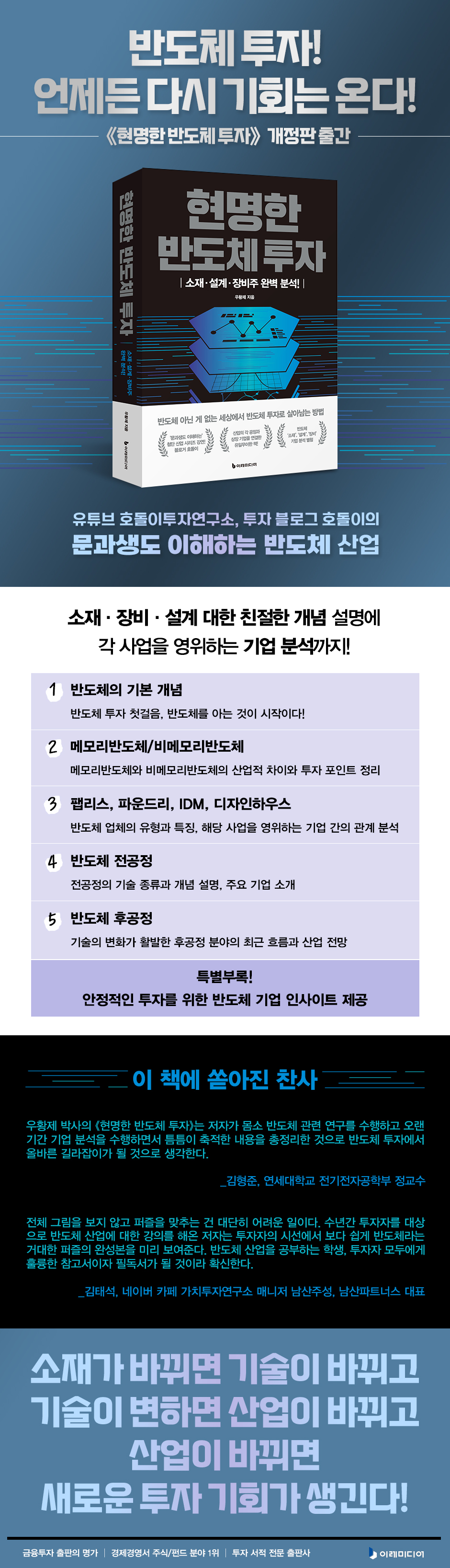
In 『Smart Semiconductor Investment』, ① basic concepts of semiconductors, ② memory semiconductors/non-memory semiconductors, ③ fabless, foundry, IDM, design house, ④ semiconductor front-end process, ⑤ semiconductor back-end process, etc., it provides friendly explanations of materials, equipment, and design concepts, and even provides analysis of companies operating in each business to help with investment decisions.
Furthermore, the author's insights into companies in the materials, design, and equipment sectors, included in the appendix, will enable readers to make sound decisions about semiconductor investments based on accumulated knowledge and unwavering foundations as opportunities arise.
In a world where everything is semiconductor-based, survive by investing in semiconductors!
The reason we can build apartments, buy as much ramen and cola as we want, drive cars, and listen to music with wireless earphones is because semiconductors are working hard behind the scenes.
The expansion of the information age and the growth of the artificial intelligence market are in line with the development of the semiconductor industry.
In that respect, the 'semiconductor industry' is an attractive option with greater growth potential and high investment potential.
Nevertheless, semiconductor investments always end in failure, and the semiconductor industry cannot shake off the stigma of being a "finished product."
Before investing, it is essential to understand the investment target.
The problem with the semiconductor industry is that it is too difficult.
Although we live in a world where everything is made up of semiconductors, it is not easy to imagine something invisible in the nanometer scale, so we do not even realize how many semiconductors are present in our surroundings.
In that respect, "Smart Semiconductor Investment" can be one of the best alternatives available.
This is because it is the only book that connects the theoretical details of the semiconductor industry with investments in semiconductor materials, design, and equipment.
Explain what a semiconductor is, distinguish the characteristics of different types and materials, and learn how each chip is designed using what equipment.
It doesn't end there, but tells us how the products created are used in our daily lives.
By understanding how companies make money through their businesses and the vested interests within them, readers will gain insight into the semiconductor industry as a whole, as well as develop criteria for selecting the information essential for semiconductor investment.
Especially when investing in semiconductors, if you don't consider the various characteristics of each company, the outcome is very likely to be failure.
"Smart Semiconductor Investment" presents the direction of semiconductor technology and industry trends in an easy-to-understand manner, while also providing detailed technical explanations, greatly contributing to investors' in-depth study and understanding.
A series of lectures on cutting-edge industries that even liberal arts students can understand.
Hodori, an electrical and electronic engineering student and investment blogger
The author, who has both an engineering background and an investor's perspective, wrote this book for readers who want to invest in semiconductors but don't know where to start.
The author, who was saddened by the fact that many investors were turning away from the semiconductor industry due to the difficulty of the content and misunderstandings, hoped that this book would be of long-term help to investors when examining the semiconductor industry by using language that even liberal arts students could understand while also including essential information.
This book will be helpful to anyone studying semiconductors.
Semiconductor investment: knowledge is the beginning!
"Smart Semiconductor Investment" is divided into five major parts.
First, we explain the basic concepts of semiconductors, and second, we learn about the differences between memory semiconductors and non-memory semiconductors.
Third, we explore investment opportunities by examining the characteristics of fabless, foundry, IDM, and design house companies and the relationships between companies engaged in these businesses.
Fourth, we helpfully explained complex and difficult concepts in the semiconductor front-end process—wafer process, oxidation process, photo process, deposition process, etching process, metal wiring, and wafer-level testing—and expanded the scope to include introductions of companies in each business field, helping investors view the industry from an investor's perspective.
Fifth, in the semiconductor post-processing—packaging process, testing process—we present the latest trends in the post-processing field and provide an outlook on the industry.
Finally, the author's insights into companies in the materials, design, and equipment sectors, included in the appendix, will help readers make sound decisions about semiconductor investments based on their accumulated knowledge and unwavering foundation as opportunities arise.
When materials change, industries change! Opportunities always come again!
Beyond silicon technology, find new semiconductors!
"Smart Semiconductor Investment" details the flow of development from the past to the future, from Joseph Thomson's "electron," Ernest Rutherford's "atomic nucleus," Michael Faraday's "first semiconductor," production forecasts based on Moore's Law, and the evolution of transistors from micrometers to nanometers.
Furthermore, it goes beyond the 14th element, silicon (Si) technology and generously covers the latest trends in the industry toward new semiconductor materials, such as 'The Core of the Display Industry: IGZO', 'Realization of the Autonomous Driving Era: InGaAs', 'Future Food: Wide Bandgap Semiconductors', 'Post-Silicon: GaN, SiC, Inp', and 'Dream New Material: Graphene'.
This will help investors develop the discernment to discern whether new changes represent an 'opportunity' or a 'risk'.
A unique book that connects the theoretical details of the semiconductor industry with investments in semiconductor materials, design, and equipment!
The author, Woo Hwang-je, majored in electrical and electronic engineering and has consistently conducted bottom-up and top-down analyses on over 200 companies across industries for over 15 years. He has also poured his expertise, honed through a series of lectures on cutting-edge industries that even liberal arts students can understand, into this book.
As an engineer, I first sketched out the basics of the semiconductor industry, and then, by adding my keen insight honed as an investor, I guide unfamiliar investors on the right path to investing in the semiconductor industry.
This book aims to dispel the persistent skepticism about the semiconductor industry, which asserts that "the market has matured sufficiently due to the widespread use of computers and smartphones, and the industry is gradually slowing down, leaving no more growth opportunities," as well as the doubts about whether "the semiconductor industry is an industry that can achieve long-term growth and is a stable, long-term investment industry."
In 『Smart Semiconductor Investment』, ① basic concepts of semiconductors, ② memory semiconductors/non-memory semiconductors, ③ fabless, foundry, IDM, design house, ④ semiconductor front-end process, ⑤ semiconductor back-end process, etc., it provides friendly explanations of materials, equipment, and design concepts, and even provides analysis of companies operating in each business to help with investment decisions.
Furthermore, the author's insights into companies in the materials, design, and equipment sectors, included in the appendix, will enable readers to make sound decisions about semiconductor investments based on accumulated knowledge and unwavering foundations as opportunities arise.
In a world where everything is semiconductor-based, survive by investing in semiconductors!
The reason we can build apartments, buy as much ramen and cola as we want, drive cars, and listen to music with wireless earphones is because semiconductors are working hard behind the scenes.
The expansion of the information age and the growth of the artificial intelligence market are in line with the development of the semiconductor industry.
In that respect, the 'semiconductor industry' is an attractive option with greater growth potential and high investment potential.
Nevertheless, semiconductor investments always end in failure, and the semiconductor industry cannot shake off the stigma of being a "finished product."
Before investing, it is essential to understand the investment target.
The problem with the semiconductor industry is that it is too difficult.
Although we live in a world where everything is made up of semiconductors, it is not easy to imagine something invisible in the nanometer scale, so we do not even realize how many semiconductors are present in our surroundings.
In that respect, "Smart Semiconductor Investment" can be one of the best alternatives available.
This is because it is the only book that connects the theoretical details of the semiconductor industry with investments in semiconductor materials, design, and equipment.
Explain what a semiconductor is, distinguish the characteristics of different types and materials, and learn how each chip is designed using what equipment.
It doesn't end there, but tells us how the products created are used in our daily lives.
By understanding how companies make money through their businesses and the vested interests within them, readers will gain insight into the semiconductor industry as a whole, as well as develop criteria for selecting the information essential for semiconductor investment.
Especially when investing in semiconductors, if you don't consider the various characteristics of each company, the outcome is very likely to be failure.
"Smart Semiconductor Investment" presents the direction of semiconductor technology and industry trends in an easy-to-understand manner, while also providing detailed technical explanations, greatly contributing to investors' in-depth study and understanding.
A series of lectures on cutting-edge industries that even liberal arts students can understand.
Hodori, an electrical and electronic engineering student and investment blogger
The author, who has both an engineering background and an investor's perspective, wrote this book for readers who want to invest in semiconductors but don't know where to start.
The author, who was saddened by the fact that many investors were turning away from the semiconductor industry due to the difficulty of the content and misunderstandings, hoped that this book would be of long-term help to investors when examining the semiconductor industry by using language that even liberal arts students could understand while also including essential information.
This book will be helpful to anyone studying semiconductors.
Semiconductor investment: knowledge is the beginning!
"Smart Semiconductor Investment" is divided into five major parts.
First, we explain the basic concepts of semiconductors, and second, we learn about the differences between memory semiconductors and non-memory semiconductors.
Third, we explore investment opportunities by examining the characteristics of fabless, foundry, IDM, and design house companies and the relationships between companies engaged in these businesses.
Fourth, we helpfully explained complex and difficult concepts in the semiconductor front-end process—wafer process, oxidation process, photo process, deposition process, etching process, metal wiring, and wafer-level testing—and expanded the scope to include introductions of companies in each business field, helping investors view the industry from an investor's perspective.
Fifth, in the semiconductor post-processing—packaging process, testing process—we present the latest trends in the post-processing field and provide an outlook on the industry.
Finally, the author's insights into companies in the materials, design, and equipment sectors, included in the appendix, will help readers make sound decisions about semiconductor investments based on their accumulated knowledge and unwavering foundation as opportunities arise.
When materials change, industries change! Opportunities always come again!
Beyond silicon technology, find new semiconductors!
"Smart Semiconductor Investment" details the flow of development from the past to the future, from Joseph Thomson's "electron," Ernest Rutherford's "atomic nucleus," Michael Faraday's "first semiconductor," production forecasts based on Moore's Law, and the evolution of transistors from micrometers to nanometers.
Furthermore, it goes beyond the 14th element, silicon (Si) technology and generously covers the latest trends in the industry toward new semiconductor materials, such as 'The Core of the Display Industry: IGZO', 'Realization of the Autonomous Driving Era: InGaAs', 'Future Food: Wide Bandgap Semiconductors', 'Post-Silicon: GaN, SiC, Inp', and 'Dream New Material: Graphene'.
This will help investors develop the discernment to discern whether new changes represent an 'opportunity' or a 'risk'.
GOODS SPECIFICS
- Date of issue: January 15, 2024
- Page count, weight, size: 456 pages | 838g | 152*225*28mm
- ISBN13: 9791193394014
- ISBN10: 1193394015
You may also like
카테고리
korean


korean

![GQ KOREA Mark (Monthly): December [2025]](http://librairie.coreenne.fr/cdn/shop/files/8ef265dbbfbf186523ed75ba7319009d.jpg?v=1765340328&width=3840)


