

School Grammar
 |
Description
Book Introduction
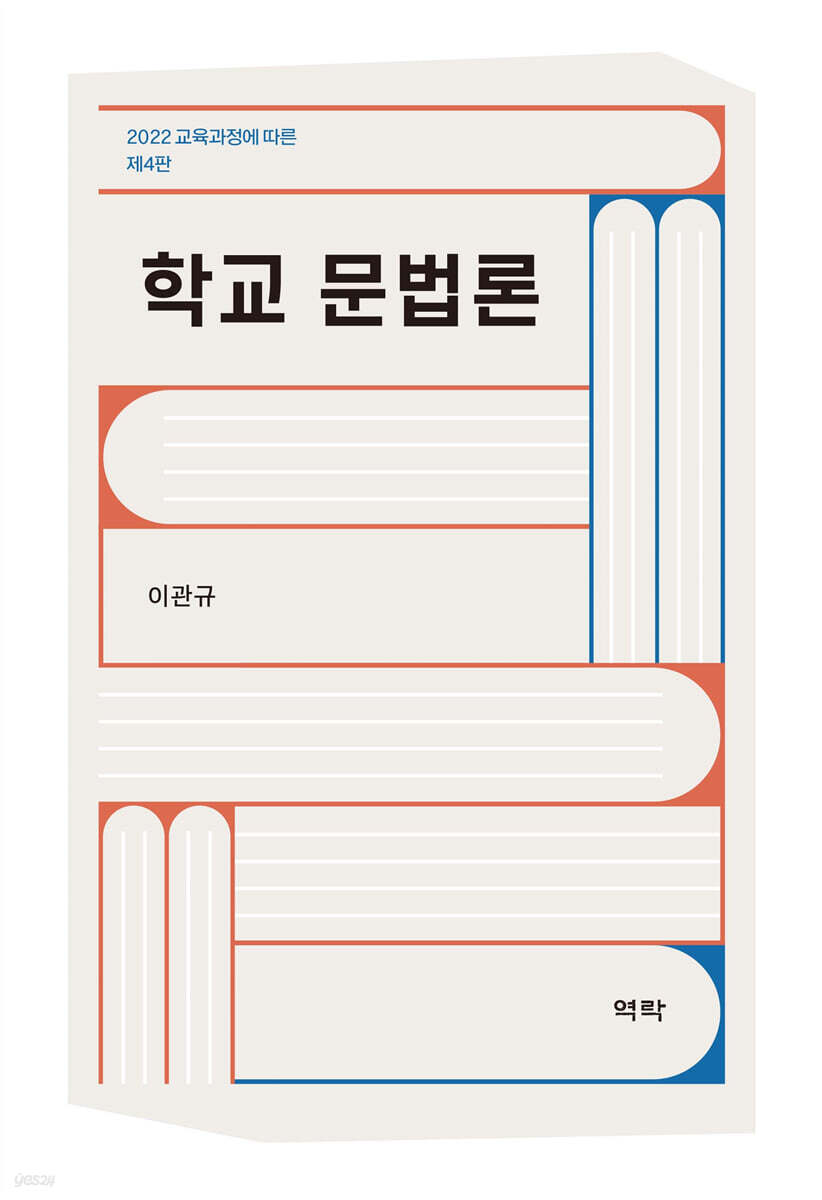
School grammar is the norms and rules of the Korean language and writing that are taught and learned in the educational field.
Speech as a spoken language and writing as a written language are included in the content of school grammar.
Traditionally, we have studied spoken language.
The content on phonemes, words, sentences, meaning, and discourse is what deals with spoken language.
Our language, or written language, should also be given importance in school grammar.
Grammar rules such as Korean spelling also need to be included in school grammar.
Correct and clear use of Korean language and writing is also an important area that must be covered in school grammar.
This book was written with the intention of confirming the identity of school grammar and elucidating its specific contents theoretically and practically.
It goes without saying that school grammar should be taught in the classroom.
The close relationship between the national language and the nation, the people and their language, makes the necessity of teaching and learning our language and writing self-evident.
Speech as a spoken language and writing as a written language are included in the content of school grammar.
Traditionally, we have studied spoken language.
The content on phonemes, words, sentences, meaning, and discourse is what deals with spoken language.
Our language, or written language, should also be given importance in school grammar.
Grammar rules such as Korean spelling also need to be included in school grammar.
Correct and clear use of Korean language and writing is also an important area that must be covered in school grammar.
This book was written with the intention of confirming the identity of school grammar and elucidating its specific contents theoretically and practically.
It goes without saying that school grammar should be taught in the classroom.
The close relationship between the national language and the nation, the people and their language, makes the necessity of teaching and learning our language and writing self-evident.
index
Chapter 1: Characteristics and System of School Grammar / 21
1.1.
Characteristics of School Grammar · 21
1.2.
History of School Grammar · 31
1.3.
School Grammar System · 49
Chapter 2: Language and the Korean Language / 69
2.1.
Language and Humans · 69
2.2.
Generality of Language · 74
2.3.
The Special Characteristics of the Korean Language · 78
Chapter 3 Phonology / 85
3.1.
Phonetics and Phonology · 85
3.2.
Phonological System · 96
3.3.
Syllable Structure · 106
3.4.
Phonological Change · 110
3.5.
Differentiation of Feelings · 131
Chapter 4: Word Theory / 135
4.1.
Morphemes and Words · 136
4.2.
Word Classification · 148
4.3.
Word Formation · 200
Chapter 5: Lexical Theory / 223
5.1.
Lexical System · 224
5.2.
Vocabulary Patterns · 235
Chapter 6: Sentence Theory / 257
6.1.
Sentence Unit · 258
6.2.
Types and Characteristics of Sentence Components · 264
6.3.
Sentence Expansion · 283
6.4.
Function and Meaning of Grammatical Elements · 291
Chapter 7 Semantics / 341
7.1.
Word Semantics · 342
7.2.
Sentence Semantics · 354
7.3.
Causes and Types of Semantic Change · 370
Chapter 8: Discourse / 379
8.1.
The Concept and Structure of Discourse · 380
8.2.
Speech Functions and Discourse Types · 386
8.3.
The Meaning of Discourse: Context and Expression? Understanding · 391
Chapter 9: Middle Korean Grammar / 407
9.1.
Letters and Speech · 408
9.2.
Words · 418
9.3.
Sentence 439
9.4.
Discourse · 449
Chapter 10: History of the Korean Language / 453
10.1.
The Formation and History of the Korean Language · 453
10.2.
The Evolution of Phonemes · 457
10.3.
The Evolution of Words (Vocabulary) · 467
10.4.
The evolution of sentences · 473
Chapter 11: Linguistic Norms / 481
11.1.
The Evolution of Linguistic Norms · 482
11.2.
Korean spelling · 484
11.3.
Standard Language Regulations · 488
11.4.
Foreign Language Spelling · 497
11.5.
Romanization of Korean · 500
Chapter 12: Proper Korean Language Practice / 505
12.1.
Pronunciation · 506
11.2.
Words · 518
12.3.
Sentence 528
Chapter 13: Love of the Korean Language / 539
13.1.
Korean Language Society Incident · 540
13.2.
The Thought and Scholarship of Hanhin Sam Ju Si-gyeong · 549
13.3.
The Thought and Scholarship of Choi Hyeon-bae, the Only One · 560
1.1.
Characteristics of School Grammar · 21
1.2.
History of School Grammar · 31
1.3.
School Grammar System · 49
Chapter 2: Language and the Korean Language / 69
2.1.
Language and Humans · 69
2.2.
Generality of Language · 74
2.3.
The Special Characteristics of the Korean Language · 78
Chapter 3 Phonology / 85
3.1.
Phonetics and Phonology · 85
3.2.
Phonological System · 96
3.3.
Syllable Structure · 106
3.4.
Phonological Change · 110
3.5.
Differentiation of Feelings · 131
Chapter 4: Word Theory / 135
4.1.
Morphemes and Words · 136
4.2.
Word Classification · 148
4.3.
Word Formation · 200
Chapter 5: Lexical Theory / 223
5.1.
Lexical System · 224
5.2.
Vocabulary Patterns · 235
Chapter 6: Sentence Theory / 257
6.1.
Sentence Unit · 258
6.2.
Types and Characteristics of Sentence Components · 264
6.3.
Sentence Expansion · 283
6.4.
Function and Meaning of Grammatical Elements · 291
Chapter 7 Semantics / 341
7.1.
Word Semantics · 342
7.2.
Sentence Semantics · 354
7.3.
Causes and Types of Semantic Change · 370
Chapter 8: Discourse / 379
8.1.
The Concept and Structure of Discourse · 380
8.2.
Speech Functions and Discourse Types · 386
8.3.
The Meaning of Discourse: Context and Expression? Understanding · 391
Chapter 9: Middle Korean Grammar / 407
9.1.
Letters and Speech · 408
9.2.
Words · 418
9.3.
Sentence 439
9.4.
Discourse · 449
Chapter 10: History of the Korean Language / 453
10.1.
The Formation and History of the Korean Language · 453
10.2.
The Evolution of Phonemes · 457
10.3.
The Evolution of Words (Vocabulary) · 467
10.4.
The evolution of sentences · 473
Chapter 11: Linguistic Norms / 481
11.1.
The Evolution of Linguistic Norms · 482
11.2.
Korean spelling · 484
11.3.
Standard Language Regulations · 488
11.4.
Foreign Language Spelling · 497
11.5.
Romanization of Korean · 500
Chapter 12: Proper Korean Language Practice / 505
12.1.
Pronunciation · 506
11.2.
Words · 518
12.3.
Sentence 528
Chapter 13: Love of the Korean Language / 539
13.1.
Korean Language Society Incident · 540
13.2.
The Thought and Scholarship of Hanhin Sam Ju Si-gyeong · 549
13.3.
The Thought and Scholarship of Choi Hyeon-bae, the Only One · 560
Publisher's Review
The first edition was published in 1999, the second edition in 2002, the third edition in 2012, and now the fourth edition will be published in 2023.
In fact, the first edition was valuable because this type of book had not existed before, and the second edition covered the grammar content in detail as the last national grammar textbook (7th edition) appeared and the grammar content changed significantly.
The 3rd edition of the black textbook was published in 4×6 format for the convenience of teaching and learning during the 8th to 10th curriculum periods.
This 4th edition has been completely reorganized to include the phonology section, which is showing rapid changes in teaching and learning content, and has been published in a new national size.
The 11th National Curriculum (2022) has been newly released, and following the previous 'Reading and Grammar' (2012, 2014) and 'Language and Media' (2019), 'Speech and Language' (scheduled for 2025) will be published as an approved textbook.
This 4th edition of 'School Grammar' has been published as a new book to reflect these changes.
School grammar is the norms and rules of the Korean language and writing that are taught and learned in the educational setting.
Speech as a spoken language and writing as a written language are included in the content of school grammar.
Traditionally, we have studied spoken language.
The content on phonemes, words, sentences, meaning, and discourse is what deals with spoken language.
Our language, or written language, should also be given importance in school grammar.
Grammar rules such as Korean spelling also need to be included in school grammar.
Correct and clear use of Korean language and writing is also an important area that must be covered in school grammar.
This book was written with the intention of confirming the identity of school grammar and elucidating its specific contents theoretically and practically.
It goes without saying that school grammar should be taught in the classroom.
Through the close relationship between the national language and the nation, the people and their language, the necessity of teaching and learning our language and writing becomes self-evident.
In fact, the first edition was valuable because this type of book had not existed before, and the second edition covered the grammar content in detail as the last national grammar textbook (7th edition) appeared and the grammar content changed significantly.
The 3rd edition of the black textbook was published in 4×6 format for the convenience of teaching and learning during the 8th to 10th curriculum periods.
This 4th edition has been completely reorganized to include the phonology section, which is showing rapid changes in teaching and learning content, and has been published in a new national size.
The 11th National Curriculum (2022) has been newly released, and following the previous 'Reading and Grammar' (2012, 2014) and 'Language and Media' (2019), 'Speech and Language' (scheduled for 2025) will be published as an approved textbook.
This 4th edition of 'School Grammar' has been published as a new book to reflect these changes.
School grammar is the norms and rules of the Korean language and writing that are taught and learned in the educational setting.
Speech as a spoken language and writing as a written language are included in the content of school grammar.
Traditionally, we have studied spoken language.
The content on phonemes, words, sentences, meaning, and discourse is what deals with spoken language.
Our language, or written language, should also be given importance in school grammar.
Grammar rules such as Korean spelling also need to be included in school grammar.
Correct and clear use of Korean language and writing is also an important area that must be covered in school grammar.
This book was written with the intention of confirming the identity of school grammar and elucidating its specific contents theoretically and practically.
It goes without saying that school grammar should be taught in the classroom.
Through the close relationship between the national language and the nation, the people and their language, the necessity of teaching and learning our language and writing becomes self-evident.
GOODS SPECIFICS
- Date of issue: September 5, 2023
- Page count, weight, size: 616 pages | 153*225*31mm
- ISBN13: 9791167425898
You may also like
카테고리
korean


korean

![ELLE 엘르 스페셜 에디션 A형 : 12월 [2025]](http://librairie.coreenne.fr/cdn/shop/files/b8e27a3de6c9538896439686c6b0e8fb.jpg?v=1766436872&width=3840)


