

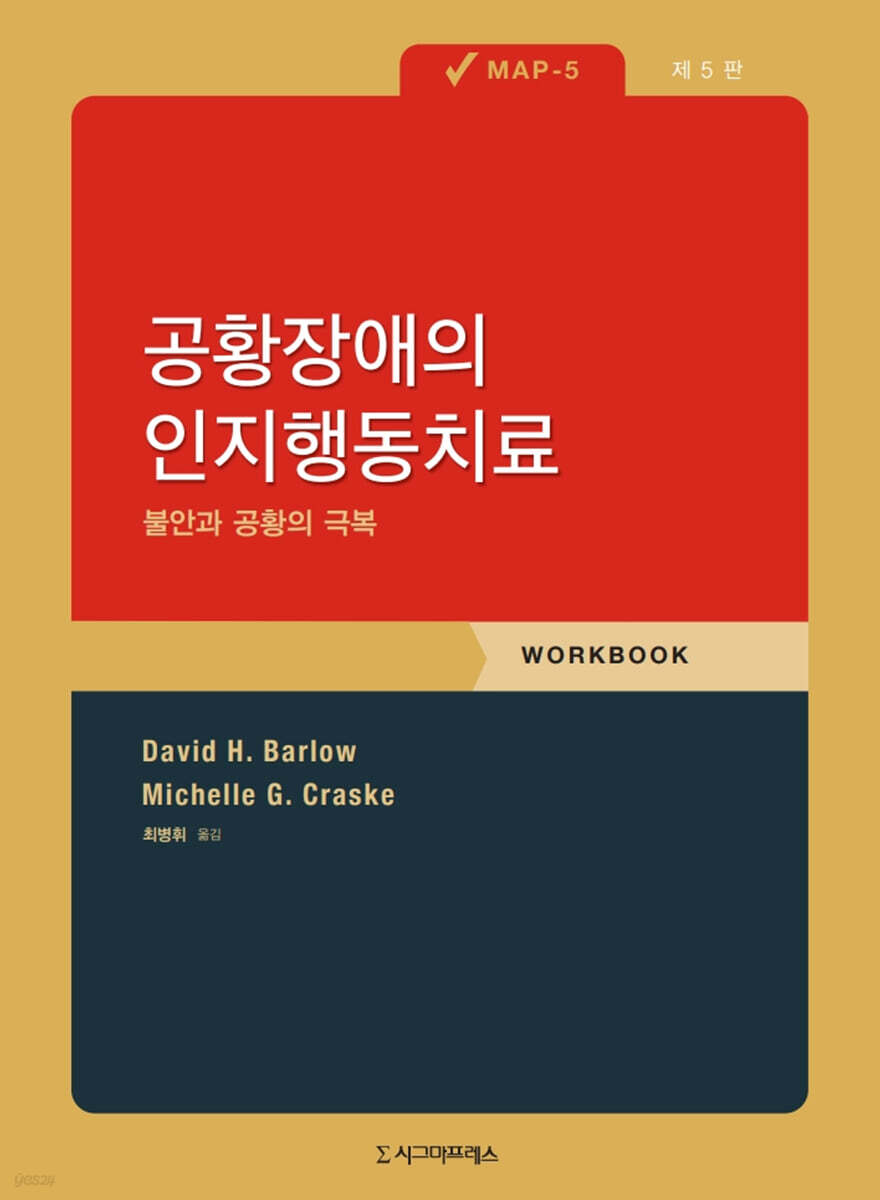
Cognitive Behavioral Therapy for Panic Disorder
 |
Description
Book Introduction
Anxiety and panic disorders are serious problems that many people suffer from in modern society.
Although various treatment methods have been developed to address these issues, cognitive behavioral therapy (CBT) is the most widely recognized.
This book is written by David H., a world-renowned psychologist and authority on anxiety disorders.
Dr. Barlow and Michelle G.
Written by Dr. Craske, this book provides the latest research and scientifically proven strategies and techniques for treating panic disorder and agoraphobia.
This book focuses on inhibitory learning to maximize the effectiveness of exposure therapy, especially in the treatment of anxiety disorders, thereby further enhancing the quality and effectiveness of the treatment.
This workbook is in its fifth revised edition and builds on the progress made since previous editions.
Through repeated revisions, we have reflected user feedback and updated the content based on the latest research findings to meet the needs of patients and therapists.
This revised edition focuses particularly on improving the 'personalization' of patients and treatment.
Although various treatment methods have been developed to address these issues, cognitive behavioral therapy (CBT) is the most widely recognized.
This book is written by David H., a world-renowned psychologist and authority on anxiety disorders.
Dr. Barlow and Michelle G.
Written by Dr. Craske, this book provides the latest research and scientifically proven strategies and techniques for treating panic disorder and agoraphobia.
This book focuses on inhibitory learning to maximize the effectiveness of exposure therapy, especially in the treatment of anxiety disorders, thereby further enhancing the quality and effectiveness of the treatment.
This workbook is in its fifth revised edition and builds on the progress made since previous editions.
Through repeated revisions, we have reflected user feedback and updated the content based on the latest research findings to meet the needs of patients and therapists.
This revised edition focuses particularly on improving the 'personalization' of patients and treatment.
index
Part 1: The Nature of Panic Disorder and Agoraphobia
Chapter 1 Basics
Chapter 2: Documenting Panic and Anxiety
Chapter 3: The Negative Cycle of Panic and Agoraphobia
Chapter 4: Panic is not harmful.
Part 2 Coping Skills
Chapter 5: Ranking Agoraphobic Situations
Chapter 6 Breathing Techniques
Chapter 7 Thinking Techniques
Part 3: Exposure to Fearful Symptoms and Situations
Chapter 8: Facing Physical Symptoms
Chapter 9: Facing Agoraphobic Situations
Chapter 10: Participation of Assistants
Part 4: Planning for the Future
Chapter 11 Drug Therapy
Chapter 12 Achievement, Maintenance, and Relapse Prevention
Chapter 1 Basics
Chapter 2: Documenting Panic and Anxiety
Chapter 3: The Negative Cycle of Panic and Agoraphobia
Chapter 4: Panic is not harmful.
Part 2 Coping Skills
Chapter 5: Ranking Agoraphobic Situations
Chapter 6 Breathing Techniques
Chapter 7 Thinking Techniques
Part 3: Exposure to Fearful Symptoms and Situations
Chapter 8: Facing Physical Symptoms
Chapter 9: Facing Agoraphobic Situations
Chapter 10: Participation of Assistants
Part 4: Planning for the Future
Chapter 11 Drug Therapy
Chapter 12 Achievement, Maintenance, and Relapse Prevention
GOODS SPECIFICS
- Date of issue: January 20, 2025
- Format: Paperback book binding method guide
- Page count, weight, size: 248 pages | 188*257*15mm
- ISBN13: 9791162264836
You may also like
카테고리
korean


korean

![GQ KOREA Mark (Monthly): December [2025]](http://librairie.coreenne.fr/cdn/shop/files/8ef265dbbfbf186523ed75ba7319009d.jpg?v=1765340328&width=3840)


