

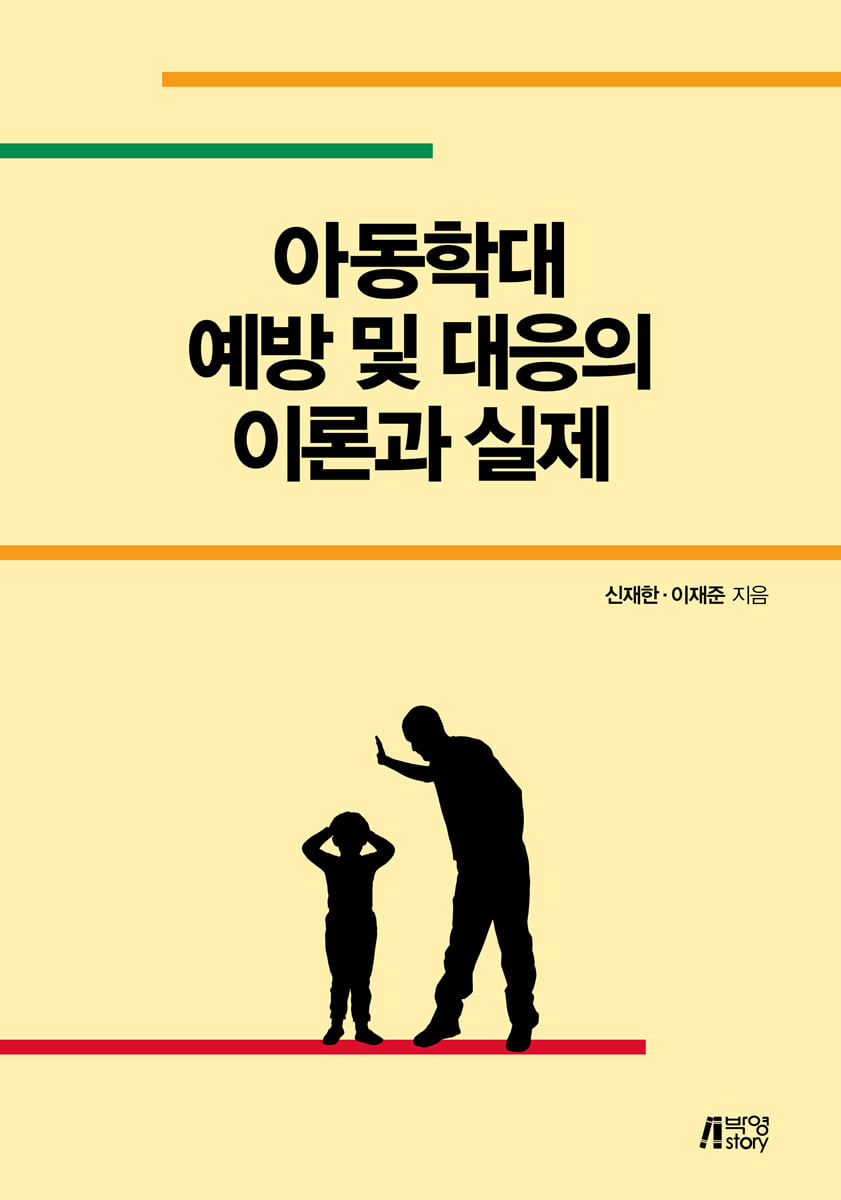
Theory and Practice of Child Abuse Prevention and Response
 |
Description
Book Introduction
While it is important to respond to the consequences of child abuse, it is also crucial to prevent child abuse before it occurs.
Positive discipline from parents and teachers is necessary to prevent child abuse.
The fundamental purpose of positive discipline is seen as the development of self-discipline.
In other words, positive discipline is a process that helps children become socialized as members of society, and its purpose is to help them learn how to live in cooperation with others, as well as to fulfill their own responsibilities and solve problems on their own.
This type of positive discipline is significant in preventing child abuse because it can change the philosophy and perspective on child abuse.
This book is comprised of theoretical and practical content that fosters basic practical skills for preventing and responding to child abuse. Therefore, it is highly useful for counselors, teachers, social workers, and other professionals working in child and youth-related institutions. Furthermore, it is structured around real-life cases, making it easy for anyone to understand.
Positive discipline from parents and teachers is necessary to prevent child abuse.
The fundamental purpose of positive discipline is seen as the development of self-discipline.
In other words, positive discipline is a process that helps children become socialized as members of society, and its purpose is to help them learn how to live in cooperation with others, as well as to fulfill their own responsibilities and solve problems on their own.
This type of positive discipline is significant in preventing child abuse because it can change the philosophy and perspective on child abuse.
This book is comprised of theoretical and practical content that fosters basic practical skills for preventing and responding to child abuse. Therefore, it is highly useful for counselors, teachers, social workers, and other professionals working in child and youth-related institutions. Furthermore, it is structured around real-life cases, making it easy for anyone to understand.
index
Part 1: The Basics of Child Abuse
Ⅰ
The Concept and Characteristics of Child Abuse 3
CHILD ABUSE
1.
Concept of Child Abuse 3
2.
7 Characteristics of Child Abuse by Type
Ⅱ
The Reality and Current Status of Child Abuse 17
CHILD ABUSE
1.
Child Abuse Report 17
2.
Reporter Type 20
3.
Reporting route 23
4.
Child victim discovery rate 25
5.
Child Abuse Case Type 27
6.
32 Results of Child Abuse
7.
Final Action Result for Abuser 38
Ⅲ
Causes and Aftereffects of Child Abuse 41
CHILD ABUSE
1.
Causes of Child Abuse 41
2.
The Aftereffects of Child Abuse 50
3.
The School's Role in Supporting Victims of Child Abuse 58
Ⅳ
The Link Between Child Abuse and the Brain 63
CHILD ABUSE
1.
The Link Between Child Abuse and the Brain 63
2.
Differences in brain developmental damage according to age of child abuse experience 71
3.
Brain damage from emotional abuse 73
Part 2: Child Abuse Prevention and Law
Ⅰ
Domestic and International Child Abuse Prevention and Response Policies 79
CHILD ABUSE
1.
South Korea's Child Abuse Policy 79
2.
Child Abuse Policy in the United States 84
3.
UK Child Abuse Policy 89
4.
Japan's Child Abuse Policy 91
5.
Sweden's Child Abuse Policy 95
6.
Taiwan's Child Abuse Policy 96
7.
Australia's Child Abuse Policy 98
Ⅱ
Child Abuse Law 105
CHILD ABUSE
1.
Child Welfare Act 107
2.
Child Abuse Punishment Act 111
Part 3: Child Abuse Prevention and Response Manual
Ⅰ
Child Abuse Detection and Reporting 119
CHILD ABUSE
1.
Child Abuse Detection and Reporting Procedure 119
2.
122 Reported Cases of Child Abuse by Type
3.
Child Abuse Detection and Reporting Guide Form 127
Ⅱ
Child Abuse Detection and Initial Response 131
CHILD ABUSE
1.
Early Detection of Child Abuse 131
2.
134 Things to Note When Reporting and Requesting
3.
Initial Response 136
4.
Normal management? Response 137
5.
Establishment and operation of a child protection agency 137
Ⅲ
Child Abuse Response Method 145
CHILD ABUSE
1.
Management and Response to Signs of Child Abuse 145
2.
Type-specific management? Response 151
3.
Home visit cooperation request phone number and child abuse reporting phone number (example) 155
Part 4: Child Abuse Prevention Programs by Target Group
Ⅰ
Child Abuse Prevention Program for Parents 159
CHILD ABUSE
1.
Parental Reflection Program for Child Abuse Prevention 159
2.
Child Abuse Prevention Program for Abuser Parents 162
3.
Parenting Education Program for Emotional Abuse Prevention 166
4.
Child Abuse Prevention Program for Single Mothers 170
Ⅱ
Child Abuse Prevention Program for Teachers 175
CHILD ABUSE
1.
Child Abuse Prevention Program for Teachers I 175
2.
Child Abuse Prevention Program for Teachers II 181
3.
Child Abuse Prevention Program for Teachers III 183
Ⅲ
Child Abuse Prevention Program for Students 187
CHILD ABUSE
1.
Child Abuse Prevention Program 187: Improving Self-Esteem in Abused Children
2.
Group Counseling Program for Runaway Youth 194
3.
Reading Therapy Program for Abused Children 198
Part 5: Positive Discipline Methods for Preventing Child Abuse
Ⅰ
The Concept and History of Discipline 205
CHILD ABUSE
1.
The Concept of Discipline 205
2.
The Concept of Discipline and Discipline Problems 206
3.
The Importance of Discipline 207
4.
History of Discipline 209
Ⅱ
Characteristics and Methods of Positive Discipline 213
CHILD ABUSE
1.
The Concept and Purpose of Positive Discipline 213
2.
Principle 215 of Positive Discipline
3.
Classroom Positive Discipline 218
Ⅲ
Case-by-Case Positive Discipline 223
CHILD ABUSE
1.
Positive Discipline at Home 223
2.
Positive Discipline in the Classroom 233
Appendix 241
Reference 287
Ⅰ
The Concept and Characteristics of Child Abuse 3
CHILD ABUSE
1.
Concept of Child Abuse 3
2.
7 Characteristics of Child Abuse by Type
Ⅱ
The Reality and Current Status of Child Abuse 17
CHILD ABUSE
1.
Child Abuse Report 17
2.
Reporter Type 20
3.
Reporting route 23
4.
Child victim discovery rate 25
5.
Child Abuse Case Type 27
6.
32 Results of Child Abuse
7.
Final Action Result for Abuser 38
Ⅲ
Causes and Aftereffects of Child Abuse 41
CHILD ABUSE
1.
Causes of Child Abuse 41
2.
The Aftereffects of Child Abuse 50
3.
The School's Role in Supporting Victims of Child Abuse 58
Ⅳ
The Link Between Child Abuse and the Brain 63
CHILD ABUSE
1.
The Link Between Child Abuse and the Brain 63
2.
Differences in brain developmental damage according to age of child abuse experience 71
3.
Brain damage from emotional abuse 73
Part 2: Child Abuse Prevention and Law
Ⅰ
Domestic and International Child Abuse Prevention and Response Policies 79
CHILD ABUSE
1.
South Korea's Child Abuse Policy 79
2.
Child Abuse Policy in the United States 84
3.
UK Child Abuse Policy 89
4.
Japan's Child Abuse Policy 91
5.
Sweden's Child Abuse Policy 95
6.
Taiwan's Child Abuse Policy 96
7.
Australia's Child Abuse Policy 98
Ⅱ
Child Abuse Law 105
CHILD ABUSE
1.
Child Welfare Act 107
2.
Child Abuse Punishment Act 111
Part 3: Child Abuse Prevention and Response Manual
Ⅰ
Child Abuse Detection and Reporting 119
CHILD ABUSE
1.
Child Abuse Detection and Reporting Procedure 119
2.
122 Reported Cases of Child Abuse by Type
3.
Child Abuse Detection and Reporting Guide Form 127
Ⅱ
Child Abuse Detection and Initial Response 131
CHILD ABUSE
1.
Early Detection of Child Abuse 131
2.
134 Things to Note When Reporting and Requesting
3.
Initial Response 136
4.
Normal management? Response 137
5.
Establishment and operation of a child protection agency 137
Ⅲ
Child Abuse Response Method 145
CHILD ABUSE
1.
Management and Response to Signs of Child Abuse 145
2.
Type-specific management? Response 151
3.
Home visit cooperation request phone number and child abuse reporting phone number (example) 155
Part 4: Child Abuse Prevention Programs by Target Group
Ⅰ
Child Abuse Prevention Program for Parents 159
CHILD ABUSE
1.
Parental Reflection Program for Child Abuse Prevention 159
2.
Child Abuse Prevention Program for Abuser Parents 162
3.
Parenting Education Program for Emotional Abuse Prevention 166
4.
Child Abuse Prevention Program for Single Mothers 170
Ⅱ
Child Abuse Prevention Program for Teachers 175
CHILD ABUSE
1.
Child Abuse Prevention Program for Teachers I 175
2.
Child Abuse Prevention Program for Teachers II 181
3.
Child Abuse Prevention Program for Teachers III 183
Ⅲ
Child Abuse Prevention Program for Students 187
CHILD ABUSE
1.
Child Abuse Prevention Program 187: Improving Self-Esteem in Abused Children
2.
Group Counseling Program for Runaway Youth 194
3.
Reading Therapy Program for Abused Children 198
Part 5: Positive Discipline Methods for Preventing Child Abuse
Ⅰ
The Concept and History of Discipline 205
CHILD ABUSE
1.
The Concept of Discipline 205
2.
The Concept of Discipline and Discipline Problems 206
3.
The Importance of Discipline 207
4.
History of Discipline 209
Ⅱ
Characteristics and Methods of Positive Discipline 213
CHILD ABUSE
1.
The Concept and Purpose of Positive Discipline 213
2.
Principle 215 of Positive Discipline
3.
Classroom Positive Discipline 218
Ⅲ
Case-by-Case Positive Discipline 223
CHILD ABUSE
1.
Positive Discipline at Home 223
2.
Positive Discipline in the Classroom 233
Appendix 241
Reference 287
Publisher's Review
As the low birth rate rises and interest in welfare increases, social concern about child abuse is also increasing.
However, despite the efforts of various organizations, including the state, local governments, and education offices, child abuse continues to occur.
'Child abuse' refers to physical, mental, or sexual violence or cruel acts committed by an adult, including a guardian, that may harm a child's health or well-being or impede normal development, or when a child's guardian abandons or neglects the child.
Such child abuse often results in a variety of aftereffects and problems, ranging from simple fractures or bruises to, in severe cases, fatal injuries such as death, brain damage, and permanent disability.
Therefore, while it is important to respond to the consequences of child abuse, it is also very important to prevent child abuse before it occurs.
Positive discipline from parents and teachers is necessary to prevent child abuse.
The fundamental purpose of positive discipline is seen as the development of self-discipline.
In other words, positive discipline is a process that helps children become socialized as members of society, and its purpose is to help them learn how to live in cooperation with others, as well as to fulfill their own responsibilities and solve problems on their own.
This type of positive discipline is significant in preventing child abuse because it can change the philosophy and perspective on child abuse.
This book is largely divided into five parts: Part 1: Basics of Child Abuse, Part 2: Child Abuse Prevention and Law, Part 3: Child Abuse Prevention and Response Manual, Part 4: Child Abuse Prevention Programs by Target Group, and Part 5: Positive Discipline Methods for Child Abuse Prevention.
Part 1 consists of the concept and characteristics of child abuse, the reality and current status of child abuse, the causes and aftereffects of child abuse, and the relationship between child abuse and the brain. Part 2 consists of domestic and foreign child abuse prevention and response policies, child abuse-related laws, etc. Part 3 presents detection and reporting of child abuse, detection and initial response to child abuse, and methods for responding to child abuse.
Additionally, Part 4 consists of child abuse prevention programs for parents, teachers, and students, and Part 5 consists of the concept and history of discipline, characteristics and methods of positive discipline, and positive discipline methods for each case.
The appendix contains practical information on child abuse prevention and response, including forms related to child abuse and the Child Welfare Act.
This book is comprised of theoretical and practical content that fosters basic practical skills for preventing and responding to child abuse. Therefore, it is highly useful for counselors, teachers, social workers, and other professionals working in child and youth-related institutions. Furthermore, it is structured around real-life cases, making it easy for anyone to understand.
I sincerely hope that this book will serve as a basic guide to understanding, preventing, and responding to child abuse.
Finally, I would like to express my gratitude to the Park Young Story family for their help in publishing this book.
May 2022
Shin Jae-han
However, despite the efforts of various organizations, including the state, local governments, and education offices, child abuse continues to occur.
'Child abuse' refers to physical, mental, or sexual violence or cruel acts committed by an adult, including a guardian, that may harm a child's health or well-being or impede normal development, or when a child's guardian abandons or neglects the child.
Such child abuse often results in a variety of aftereffects and problems, ranging from simple fractures or bruises to, in severe cases, fatal injuries such as death, brain damage, and permanent disability.
Therefore, while it is important to respond to the consequences of child abuse, it is also very important to prevent child abuse before it occurs.
Positive discipline from parents and teachers is necessary to prevent child abuse.
The fundamental purpose of positive discipline is seen as the development of self-discipline.
In other words, positive discipline is a process that helps children become socialized as members of society, and its purpose is to help them learn how to live in cooperation with others, as well as to fulfill their own responsibilities and solve problems on their own.
This type of positive discipline is significant in preventing child abuse because it can change the philosophy and perspective on child abuse.
This book is largely divided into five parts: Part 1: Basics of Child Abuse, Part 2: Child Abuse Prevention and Law, Part 3: Child Abuse Prevention and Response Manual, Part 4: Child Abuse Prevention Programs by Target Group, and Part 5: Positive Discipline Methods for Child Abuse Prevention.
Part 1 consists of the concept and characteristics of child abuse, the reality and current status of child abuse, the causes and aftereffects of child abuse, and the relationship between child abuse and the brain. Part 2 consists of domestic and foreign child abuse prevention and response policies, child abuse-related laws, etc. Part 3 presents detection and reporting of child abuse, detection and initial response to child abuse, and methods for responding to child abuse.
Additionally, Part 4 consists of child abuse prevention programs for parents, teachers, and students, and Part 5 consists of the concept and history of discipline, characteristics and methods of positive discipline, and positive discipline methods for each case.
The appendix contains practical information on child abuse prevention and response, including forms related to child abuse and the Child Welfare Act.
This book is comprised of theoretical and practical content that fosters basic practical skills for preventing and responding to child abuse. Therefore, it is highly useful for counselors, teachers, social workers, and other professionals working in child and youth-related institutions. Furthermore, it is structured around real-life cases, making it easy for anyone to understand.
I sincerely hope that this book will serve as a basic guide to understanding, preventing, and responding to child abuse.
Finally, I would like to express my gratitude to the Park Young Story family for their help in publishing this book.
May 2022
Shin Jae-han
GOODS SPECIFICS
- Date of issue: May 16, 2022
- Page count, weight, size: 312 pages | 572g | 176*248*30mm
- ISBN13: 9791165192716
- ISBN10: 1165192713
You may also like
카테고리
korean


korean

![GQ KOREA Mark (Monthly): December [2025]](http://librairie.coreenne.fr/cdn/shop/files/8ef265dbbfbf186523ed75ba7319009d.jpg?v=1765340328&width=3840)


