

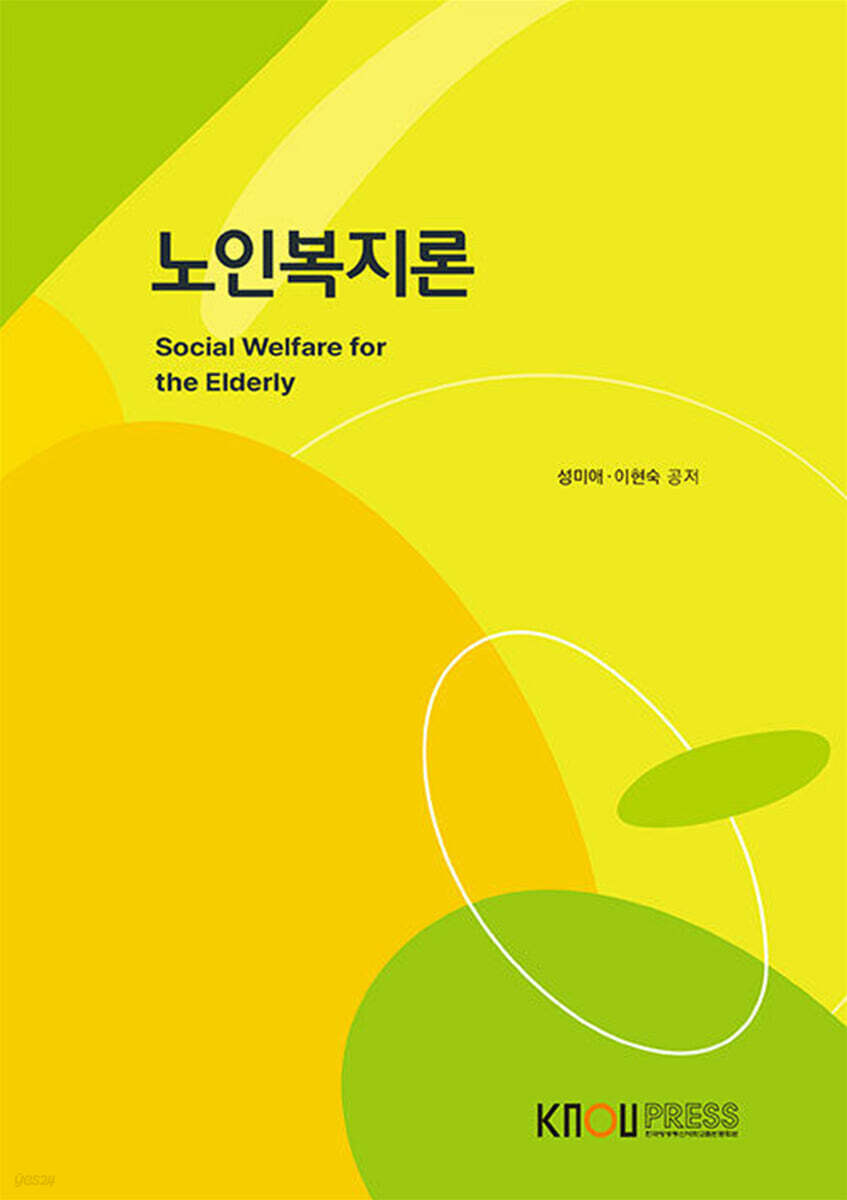
Elderly Welfare Theory
 |
Description
Book Introduction
〈Elderly Welfare Theory〉 seeks to understand old age within the context of these changes, explore the background and causes of elderly problems, and seek solutions.
Ultimately, the goal is to improve the quality of life not only for older individuals but also for our society.
This textbook is largely composed of sections related to understanding the elderly, the living conditions of Korean elderly people in their later years, the Elderly Welfare Act and systems related to elderly welfare, and elderly welfare practices.
The purpose of the theory of welfare for the elderly is to improve the quality of life in old age within the context of individuals, families, and communities, and to identify the basic knowledge, laws, systems, and practical techniques that can improve the quality of life in our society.
What all of us living in this world have in common is that we 'grow old' and 'die', although we don't know when that will be.
Therefore, we who study the theory of welfare for the elderly hope not to accumulate knowledge by objectifying the elderly.
Rather, as someone living in the 100-year lifespan, I hope to reflect on my life through the textbook “Elderly Welfare Theory” and design my life within the context of the 100-year lifespan.
I also hope that this will be a time to think together about ways in which our society can become more senior-friendly.
Ultimately, the goal is to improve the quality of life not only for older individuals but also for our society.
This textbook is largely composed of sections related to understanding the elderly, the living conditions of Korean elderly people in their later years, the Elderly Welfare Act and systems related to elderly welfare, and elderly welfare practices.
The purpose of the theory of welfare for the elderly is to improve the quality of life in old age within the context of individuals, families, and communities, and to identify the basic knowledge, laws, systems, and practical techniques that can improve the quality of life in our society.
What all of us living in this world have in common is that we 'grow old' and 'die', although we don't know when that will be.
Therefore, we who study the theory of welfare for the elderly hope not to accumulate knowledge by objectifying the elderly.
Rather, as someone living in the 100-year lifespan, I hope to reflect on my life through the textbook “Elderly Welfare Theory” and design my life within the context of the 100-year lifespan.
I also hope that this will be a time to think together about ways in which our society can become more senior-friendly.
index
Chapter 1: Understanding the Elderly
1.1.
The concept of old age
1.2.
Old age development
1.3.
Sociodemographic changes and aging
1.4.
Understanding Gerontology
Chapter 2: Theories Related to Aging
2.1.
The concept of aging
2.2.
successful aging
2.3.
Theories of aging
Chapter 3: Elderly and Family
3.1.
Family relationships in old age
3.2.
Current status of elderly care
3.3.
The reality of elderly people living alone
Chapter 4: Elderly Issues
4.1.
elderly people with dementia
4.2.
Elder Abuse
4.3.
Elderly poverty
Chapter 5: Leisure Activities and Senior Education in Old Age
5.1.
Leisure activities in old age
5.2.
Senior Volunteer Activities
5.3.
Senior education
Chapter 6: Understanding Elderly Welfare Policy
6.1.
Concepts and Perspectives of Elderly Welfare Policy
6.2.
The necessity and history of welfare policies for the elderly
6.3.
Elderly Welfare Policy and Administrative System
6.4.
Elderly welfare finance
Chapter 7: Income Security Policy for the Elderly
7.1.
Understanding Senior Citizen Income Security
7.2.
Direct pay
7.3.
Indirect benefits
7.4.
Implications of Elderly Income Security: Market Wage or Social Wage?
Chapter 8 Elderly Medical Care Security Policy
8.1.
Understanding the Elderly Health Care Policy
8.2.
Elderly Health Insurance System
8.3.
Is Elderly Healthcare a Product or a Right?
Chapter 9 Long-Term Care Insurance System for the Elderly
9.1.
Understanding Long-Term Care Insurance for the Elderly
9.2.
Long-term care insurance system for the elderly
9.3.
Perspectives on Long-Term Care Insurance for the Elderly and Care for Dementia Patients
Chapter 10 Elderly Housing Security Policy
10.1.
Understanding the Senior Housing Security Policy
10.2.
Senior Citizen Housing Security System
10.3.
Direction of housing security for the elderly in our country
Chapter 11 Elderly Welfare Services
11.1.
Understanding Senior Welfare Services
11.2.
Elderly Welfare Service System
11.3.
Direction of senior welfare services
Chapter 12 Elderly Welfare Practices
12.1.
Understanding Elderly Welfare Practices
12.2.
Residual elderly welfare practice
12.3.
Institutional Elderly Welfare Practices
12.4.
Beyond case management in elderly welfare practice to social management
Chapter 13: Counseling for the Elderly
13.1.
Understanding Senior Counseling
13.2.
Skills and processes of elderly counseling
13.3.
Task of revitalizing senior counseling services
Chapter 14 Senior-Friendly Industries
14.1.
Understanding Senior-Friendly Industries
14.2.
Contents of senior-friendly industries
14.3.
Prospects for Senior-Friendly Industries
Chapter 15: Baby Boomers and New Responses
15.1.
Understanding the Baby Boomer Generation
15.2.
The current state of the baby boomer generation
15.3.
A New Approach to Senior Welfare: Senior Citizens
References
1.1.
The concept of old age
1.2.
Old age development
1.3.
Sociodemographic changes and aging
1.4.
Understanding Gerontology
Chapter 2: Theories Related to Aging
2.1.
The concept of aging
2.2.
successful aging
2.3.
Theories of aging
Chapter 3: Elderly and Family
3.1.
Family relationships in old age
3.2.
Current status of elderly care
3.3.
The reality of elderly people living alone
Chapter 4: Elderly Issues
4.1.
elderly people with dementia
4.2.
Elder Abuse
4.3.
Elderly poverty
Chapter 5: Leisure Activities and Senior Education in Old Age
5.1.
Leisure activities in old age
5.2.
Senior Volunteer Activities
5.3.
Senior education
Chapter 6: Understanding Elderly Welfare Policy
6.1.
Concepts and Perspectives of Elderly Welfare Policy
6.2.
The necessity and history of welfare policies for the elderly
6.3.
Elderly Welfare Policy and Administrative System
6.4.
Elderly welfare finance
Chapter 7: Income Security Policy for the Elderly
7.1.
Understanding Senior Citizen Income Security
7.2.
Direct pay
7.3.
Indirect benefits
7.4.
Implications of Elderly Income Security: Market Wage or Social Wage?
Chapter 8 Elderly Medical Care Security Policy
8.1.
Understanding the Elderly Health Care Policy
8.2.
Elderly Health Insurance System
8.3.
Is Elderly Healthcare a Product or a Right?
Chapter 9 Long-Term Care Insurance System for the Elderly
9.1.
Understanding Long-Term Care Insurance for the Elderly
9.2.
Long-term care insurance system for the elderly
9.3.
Perspectives on Long-Term Care Insurance for the Elderly and Care for Dementia Patients
Chapter 10 Elderly Housing Security Policy
10.1.
Understanding the Senior Housing Security Policy
10.2.
Senior Citizen Housing Security System
10.3.
Direction of housing security for the elderly in our country
Chapter 11 Elderly Welfare Services
11.1.
Understanding Senior Welfare Services
11.2.
Elderly Welfare Service System
11.3.
Direction of senior welfare services
Chapter 12 Elderly Welfare Practices
12.1.
Understanding Elderly Welfare Practices
12.2.
Residual elderly welfare practice
12.3.
Institutional Elderly Welfare Practices
12.4.
Beyond case management in elderly welfare practice to social management
Chapter 13: Counseling for the Elderly
13.1.
Understanding Senior Counseling
13.2.
Skills and processes of elderly counseling
13.3.
Task of revitalizing senior counseling services
Chapter 14 Senior-Friendly Industries
14.1.
Understanding Senior-Friendly Industries
14.2.
Contents of senior-friendly industries
14.3.
Prospects for Senior-Friendly Industries
Chapter 15: Baby Boomers and New Responses
15.1.
Understanding the Baby Boomer Generation
15.2.
The current state of the baby boomer generation
15.3.
A New Approach to Senior Welfare: Senior Citizens
References
GOODS SPECIFICS
- Date of issue: July 25, 2025
- Page count, weight, size: 400 pages | 176*248*30mm
- ISBN13: 9788920052675
- ISBN10: 8920052670
You may also like
카테고리
korean


korean

![GQ KOREA Mark (Monthly): December [2025]](http://librairie.coreenne.fr/cdn/shop/files/8ef265dbbfbf186523ed75ba7319009d.jpg?v=1765340328&width=3840)


