

Corrective Exercise Solutions
 |
Description
Book Introduction
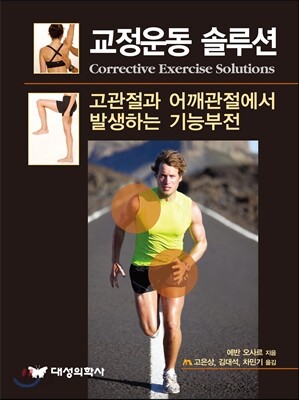
"Corrective Exercise Solutions for Hip and Shoulder Dysfunction" discusses how fitness professionals/clinicians can apply three human movement principles—breathing, centration, and integration—to improve common movement dysfunctions in the hip and shoulder joints.
In addition, it provides detailed diagnosis, correction strategies, and easy-to-understand illustrations of the functional exercise progression.
In addition, it provides detailed diagnosis, correction strategies, and easy-to-understand illustrations of the functional exercise progression.
index
Translator's Preface_3
Acknowledgements_5
Introduction_7
PART I Introduction to Movement: Functional Elements
Chapter 1 Functional Movement Systems
Human Mechanics 23
Kinematics 26
Chapter 2 Movement Development
Ontogenetic model of function 49
Basic Movement Patterns 53
Self-Perpetuating Patterns of Movement Dysfunction 55
Joint centration 57
Functional stabilization-separation model 63
Injury Prediction 66
Part II Understanding and Diagnosing the Hip and Shoulder Joint Complex
Chapter 3 Shoulder Joint Complex
Structure of the Shoulder Joint Complex 71
Scapulohumeral Rhythm and the Dynamics of Overhead Movement 86
Dysfunctions in the upper limb pattern 87
91 Common Injuries in the Upper Mobility Chain
Developing a Winning Strategy 93
Chapter 4 Hip Complex
Structure of the Lumbopelvic Hip Complex 95
Functional Control of the Pelvis 101
Muscles of the Hip and Pelvis 104
Dysfunction in the lower limb pattern 112
117 Common Injuries to the Lower Extremities
Chapter 5 Diagnosis
Functional Assessment Method 123
Functional Muscle Assessment 138
Evaluation of Results 144
Part III Corrective Movement and Exercise Progression: Functional Factors
Chapter 6 Development of Corrective Exercise and Movement Paradigms
Corrective Exercise 149
Three Core Concepts of Corrective Exercise 157
Learning Elements of Corrective Exercise 159
Muscle Activation Strategy 161
169 Elements that Enhance Functionality
Chapter 7 Correction Patterns of the Shoulder and Hip Complex
Shoulder complex 193
Hip complex 213
Chapter 8 Strengthening Core Patterns and Movements for the Shoulder Complex and Upper Extremities
Scapular Mechanisms During Functional Exercise 229
Horizontal Push Pattern 231
Vertical Push Pattern 245
Horizontal Pull Pattern 251
Vertical Pull Pattern 263
Chapter 9 Strengthening Movements and Core Patterns for the Lower Extremities and Hip Complex
Hip Dominance vs. Knee Dominance Pattern 269
Hip Dominance Pattern 270
Knee Dominance Pattern 287
Proprioceptive Neuromuscular Facilitation Flexion and Extension Patterns 306
Chapter 10 Exercises to Avoid
Pattern 309 Contraindicated for Clients with Shoulder Dysfunction
Pattern 311 is contraindicated in clients with hip dysfunction.
Summary 314
Chapter 11 Conclusion
Principles of Functional Movement 315
Closing Remarks 318
Case Study 318
Key Terms_321
References_327
Acknowledgements_5
Introduction_7
PART I Introduction to Movement: Functional Elements
Chapter 1 Functional Movement Systems
Human Mechanics 23
Kinematics 26
Chapter 2 Movement Development
Ontogenetic model of function 49
Basic Movement Patterns 53
Self-Perpetuating Patterns of Movement Dysfunction 55
Joint centration 57
Functional stabilization-separation model 63
Injury Prediction 66
Part II Understanding and Diagnosing the Hip and Shoulder Joint Complex
Chapter 3 Shoulder Joint Complex
Structure of the Shoulder Joint Complex 71
Scapulohumeral Rhythm and the Dynamics of Overhead Movement 86
Dysfunctions in the upper limb pattern 87
91 Common Injuries in the Upper Mobility Chain
Developing a Winning Strategy 93
Chapter 4 Hip Complex
Structure of the Lumbopelvic Hip Complex 95
Functional Control of the Pelvis 101
Muscles of the Hip and Pelvis 104
Dysfunction in the lower limb pattern 112
117 Common Injuries to the Lower Extremities
Chapter 5 Diagnosis
Functional Assessment Method 123
Functional Muscle Assessment 138
Evaluation of Results 144
Part III Corrective Movement and Exercise Progression: Functional Factors
Chapter 6 Development of Corrective Exercise and Movement Paradigms
Corrective Exercise 149
Three Core Concepts of Corrective Exercise 157
Learning Elements of Corrective Exercise 159
Muscle Activation Strategy 161
169 Elements that Enhance Functionality
Chapter 7 Correction Patterns of the Shoulder and Hip Complex
Shoulder complex 193
Hip complex 213
Chapter 8 Strengthening Core Patterns and Movements for the Shoulder Complex and Upper Extremities
Scapular Mechanisms During Functional Exercise 229
Horizontal Push Pattern 231
Vertical Push Pattern 245
Horizontal Pull Pattern 251
Vertical Pull Pattern 263
Chapter 9 Strengthening Movements and Core Patterns for the Lower Extremities and Hip Complex
Hip Dominance vs. Knee Dominance Pattern 269
Hip Dominance Pattern 270
Knee Dominance Pattern 287
Proprioceptive Neuromuscular Facilitation Flexion and Extension Patterns 306
Chapter 10 Exercises to Avoid
Pattern 309 Contraindicated for Clients with Shoulder Dysfunction
Pattern 311 is contraindicated in clients with hip dysfunction.
Summary 314
Chapter 11 Conclusion
Principles of Functional Movement 315
Closing Remarks 318
Case Study 318
Key Terms_321
References_327
Publisher's Review
Dysfunction of the movement system is a key factor in most musculoskeletal injuries (and other conditions), including degenerative joint disease, impingement syndromes, and chronic myofascial or joint pain.
These movement impairments are the result of repetitive and cumulative micro-traumas that occur not only during work and daily activities, but also during exercise or leisure activities for health purposes.
"Corrective Exercise Solutions for Hip and Shoulder Dysfunction" discusses how fitness professionals/clinicians can apply three human movement principles—breathing, centration, and integration—to improve common movement dysfunctions in the hip and shoulder joints.
In addition, it provides detailed diagnosis, correction strategies, and easy-to-understand illustrations of the functional exercise progression.
This book presents the following:
- Three reasons why customers create incorrect movement patterns.
This allows health professionals and clinicians to understand and explain the underlying mechanisms of hip and shoulder joint dysfunction in their patients.
- Practical and clinically applicable concepts and strategies, including corrective exercises and an integrated movement approach for the hip and shoulder joints.
Health professionals and clinicians will have strategies and tools to manage hip and shoulder dysfunction in their clients.
- An easy-to-apply, principle-based solution for common movement dysfunctions in the hip and shoulder joints.
This will enable health professionals/clinicians to expand their expertise as movement experts and become part of addressing the modern health crisis.
These movement impairments are the result of repetitive and cumulative micro-traumas that occur not only during work and daily activities, but also during exercise or leisure activities for health purposes.
"Corrective Exercise Solutions for Hip and Shoulder Dysfunction" discusses how fitness professionals/clinicians can apply three human movement principles—breathing, centration, and integration—to improve common movement dysfunctions in the hip and shoulder joints.
In addition, it provides detailed diagnosis, correction strategies, and easy-to-understand illustrations of the functional exercise progression.
This book presents the following:
- Three reasons why customers create incorrect movement patterns.
This allows health professionals and clinicians to understand and explain the underlying mechanisms of hip and shoulder joint dysfunction in their patients.
- Practical and clinically applicable concepts and strategies, including corrective exercises and an integrated movement approach for the hip and shoulder joints.
Health professionals and clinicians will have strategies and tools to manage hip and shoulder dysfunction in their clients.
- An easy-to-apply, principle-based solution for common movement dysfunctions in the hip and shoulder joints.
This will enable health professionals/clinicians to expand their expertise as movement experts and become part of addressing the modern health crisis.
GOODS SPECIFICS
- Date of issue: August 10, 2015
- Page count, weight, size: 336 pages | 210*297mm
- ISBN13: 9788997436330
You may also like
카테고리
korean


korean

![GQ KOREA Mark (Monthly): December [2025]](http://librairie.coreenne.fr/cdn/shop/files/8ef265dbbfbf186523ed75ba7319009d.jpg?v=1765340328&width=3840)


